
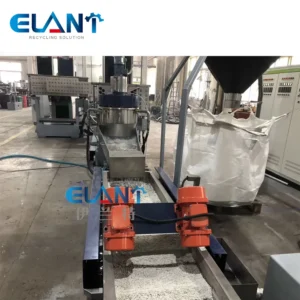
LDPE, or low-density polyethylene, is a prevalent type of plastic found in numerous everyday items, including plastic bottles, garbage bags, and packaging. While its versatility makes it widely used, the recycling process for LDPE, especially when dealing with dirty film, presents significant challenges and increased costs. Understanding these complexities is crucial for improving the sustainability of plastic waste management.
Understanding LDPE and Its Properties
What is LDPE Plastic?
LDPE plastic, which stands for low-density polyethylene, is a thermoplastic polymer made from the monomer ethylene and is a popular plastic in the packaging industry. It is a highly versatile type of plastic widely recognized for its flexibility and translucent appearance. Unlike its counterpart, HDPE, LDPE has a lower density due to its branched molecular structure, which prevents its chains from packing tightly together. This characteristic makes it a distinct type of plastic in the broader category of polyethylene plastics, impacting its various applications and recyclability.
Characteristics of Low-Density Polyethylene
Low-density polyethylene possesses several key characteristics that make it ideal for specific applications. It exhibits good chemical resistance, is waterproof, and boasts excellent impact strength, allowing it to withstand considerable stress without breaking. Furthermore, LDPE is known for its:
- Flexibility
- Softness
- Relatively low melting point
These properties facilitate its processing into various forms such as film and sheets and contribute to its widespread use in numerous industries, making it a ubiquitous plastic material in our daily lives.
Common Uses of LDPE
LDPE is utilized in an extensive array of plastic products due to its favorable properties. It is a primary material for producing plastic bags and film, including those made with LDPE.
- Grocery bags, trash bags, and various other single-use plastic bags
- LDPE film, commonly used as a liner for various containers, as well as for agricultural film and packaging materials
Other LDPE products include squeezable bottles, plastic food containers, and certain types of plastic lumber, showcasing its broad application in both consumer and industrial sectors, including plastic packaging. The prevalence of LDPE waste highlights the critical need for effective plastic recycling initiatives, especially for plastic types like garbage bags that often end up in landfills.
The Importance of Recycling LDPE

Environmental Benefits of LDPE Recycling
The environmental benefits of LDPE recycling are substantial, primarily by reducing the amount of plastic waste that ends up in landfills and oceans. By choosing to recycle LDPE film, we minimize the demand for virgin plastic production, which in turn conserves natural resources and reduces energy consumption, especially when we recycle your LDPE material. This type of plastic, especially in the form of plastic bags and LDPE film, contributes significantly to pollution if not properly recycled, underscoring the critical need for robust LDPE recycling programs to protect our planet.
Economic Impact of Recycled LDPE Plastic
The economic impact of recycled LDPE plastic is becoming increasingly recognized as a valuable commodity, particularly in the production of durable plastic items made with LDPE. By collecting and processing LDPE waste, recycling companies create new jobs within the recycling industry and reduce the costs associated with waste management for municipalities. The transformation of LDPE waste into recycled plastic pellets creates a valuable raw material that can be reused in the manufacturing of new plastic products, fostering a circular economy and generating revenue from what would otherwise be considered trash.
How Plastic Can Be Recycled Efficiently
Efficient plastic recycling, especially for low-density polyethylene (LDPE), involves several crucial steps to ensure the LDPE material can be recycled into high-quality new products. For LDPE, this often means separating it from other types of plastic bags and thoroughly cleaning it to remove contaminants like food residue and labels. Implementing effective curbside recycling programs and specialized film recycling initiatives are key to boosting the recyclability of LDPE film and plastic packaging., making the overall plastic recycling process more efficient and economically viable for low-density polyethylene (LDPE) materials.
The Recycling Process for LDPE
Steps Involved in the LDPE Recycling Process
The LDPE recycling process typically begins with collection, where LDPE plastic, often in the form of plastic bags and LDPE film, is gathered from consumers and businesses. Following collection, the LDPE material undergoes sorting to separate it from other types of plastic, such as HDPE or mixed plastics, ensuring a purer stream for processing. Subsequently, the sorted LDPE waste is cleaned to remove any dirt, food residues, or other contaminants, which is a crucial step for achieving high-quality recycled plastic, particularly for plastic bottles. After this initial cleaning, the material undergoes several further steps:
- It is shredded into flakes.
- The flakes are washed again.
- The material is then melted and extruded into pellets, known as resin, ready for reuse in manufacturing new LDPE products, demonstrating how LDPE can be transformed into valuable recycled material.
Role of Recycling Machines in Processing LDPE
Recycling machines play an indispensable role in efficiently processing LDPE, transforming discarded plastic material, such as plastic bottles and shrink wrap, into valuable recycled plastic resin. Specialized equipment, such as shredders, granulators, washers, and extruders, are essential for each stage of the LDPE recycling process to ensure that low-density polyethylene can be transformed into high-quality recycled material. For instance, shredders break down large volumes of LDPE film and plastic bags like those made with low-density polyethylene into smaller, manageable pieces, while washing lines thoroughly clean the plastic to remove impurities. Extruders then melt the cleaned plastic and form it into uniform pellets, making it a viable raw material for manufacturers to create new plastic products, thereby boosting the overall recyclability and reuse of low-density polyethylene.
Challenges Faced During the Recycling Process
Despite advancements, the LDPE recycling process faces several significant challenges that can impact its efficiency and cost-effectiveness, especially for LDPE production. One major hurdle is contamination, particularly with dirty film, food residues, and other non-LDPE materials, which necessitates extensive cleaning and sorting, thereby increasing processing costs for recyclers. Furthermore, many municipalities won’t accept certain LDPE products, like plastic bags, in curbside recycling programs due to their tendency to clog machinery, leading to a lower collection rate for this type of plastic. The variability in the quality of collected LDPE waste and the need for specialized film recycling facilities further complicate efforts to efficiently recycle LDPE and fully capitalize on the potential of recycled plastic.
Dirty Film Contamination and Its Effects
What is Film Contamination?
Film contamination in the context of LDPE recycling refers to the presence of unwanted substances mixed with the low-density polyethylene plastic film intended for the recycling process, complicating efforts to recycle LDPE film effectively. This contamination can include various materials such as food residues, dirt, labels, other types of plastic, and even moisture, which can complicate the recycling of plastic types like LDPE. When plastic products like LDPE film and plastic bags are not properly cleaned or separated, these impurities become integrated with the valuable LDPE waste, making it challenging to recycle LDPE efficiently and economically. Minimizing contamination is crucial for maintaining the quality of recycled plastic pellets and ensuring the sustainability of the overall plastic recycling program.
Sources of Contamination in LDPE Recycling
Contamination in LDPE recycling stems from a multitude of sources, primarily consumer behavior and inadequate collection systems for types of plastic bags. Common culprits include food residues left in plastic food containers and plastic bags, dirt and debris from agricultural film, and paper labels or adhesives that are difficult to separate from the LDPE plastic. Furthermore, the commingling of different types of plastic, such as HDPE with LDPE, or the presence of non-recyclable materials in plastic waste streams, significantly hinders the efficiency of the recycling process. Many municipalities won’t accept dirty film or plastic bags in curbside recycling, pushing consumers to discard them, increasing the volume of plastic waste that doesn’t get recycled.
How Contamination Increases Processing Costs
Contamination directly translates to increased processing costs in LDPE recycling by demanding more intensive sorting, washing, and specialized equipment, particularly for plastic packaging made with LDPE. To effectively recycle LDPE, especially dirty film and plastic packaging, recycling companies must invest in advanced recycling machines to meticulously clean and separate impurities, which consumes more energy and water. The presence of contaminants can also degrade the quality of the resulting recycled plastic resin, making it less valuable for manufacturers and potentially limiting its reuse in high-quality plastic products. This additional effort to purify contaminated LDPE waste not only inflates operational expenses but also impacts the overall economic viability of plastic recycling initiatives.
Solutions for Reducing Contamination
Best Practices for Collecting Recyclable LDPE
Implementing best practices for collecting recyclable LDPE is fundamental to reducing contamination and improving the efficiency of the recycling process, ensuring that LDPE production is sustainable. Encouraging consumers to thoroughly rinse plastic food containers and remove labels before placing them in recycling bins can significantly minimize food residues and other impurities, thereby improving the quality of recycled material. Establishing dedicated drop-off points for LDPE film and plastic bags, rather than relying solely on curbside recycling where many municipalities won’t accept these items, helps ensure a cleaner stream of LDPE waste. Clear guidelines on what type of plastic is accepted and how to prepare it can boost the overall recyclability of LDPE products and reduce the burden on recycling machines.
Technological Innovations in Plastic Recycling
Technological innovations are revolutionizing how we tackle contamination in plastic recycling, particularly for LDPE, enhancing the effectiveness of recyclers and making it easier to recycle LDPE film. Advanced sorting technologies, such as optical sorters and artificial intelligence, can more accurately identify and separate different types of plastic, including various forms of polyethylene plastic, even when mixed with other materials. Improved washing lines and specialized recycling machines are designed to remove stubborn contaminants like dirt and adhesives from LDPE film more effectively. These innovations not only enhance the quality of recycled plastic resin but also increase the efficiency and economic viability of the entire LDPE recycling process, making it easier to reuse LDPE plastic in new plastic products.
Community Involvement and Education
Community involvement and education are pivotal in combating contamination and boosting LDPE recycling rates. Educating the public about the importance of clean recycling practices, such as rinsing plastic containers and understanding which plastic products are recyclable, empowers individuals to contribute positively to the plastic recycling program. Initiatives that clearly explain why many municipalities won’t accept certain items like plastic bags in curbside recycling and directing them to specific film recycling centers can significantly minimize contamination. By fostering a collective responsibility, communities can ensure a higher quality of LDPE waste is collected, leading to more efficient processing and greater reuse of low-density polyethylene.