
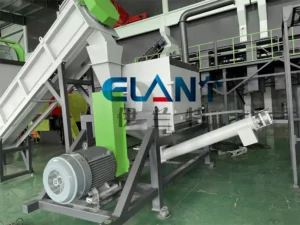
Plastic film recycling is a critical process for environmental sustainability, yet it is fraught with challenges, particularly when dealing with hard-to-recycle plastics. Excess moisture contaminates the material, making it more difficult to recycle plastic bags effectively.. This article delves into the intricacies of plastic film, the hurdles in its recycling, and how moisture can bring recycling operations to a standstill, leading to significant downtime and production losses.
Understanding Plastic Film and Its Recycling Challenges
Plastic film, a ubiquitous material in modern packaging, presents a unique set of challenges and opportunities within the realm of plastic recycling. Its lightweight and flexible nature, while beneficial for various applications, makes its collection and processing more complex than rigid plastics. Understanding what plastic film is and its common types, such as cling wrap and HDPE, is the first step toward appreciating the intricacies of plastic film recycling.
What is Plastic Film?
Plastic film generally refers to very thin, flexible sheets of plastic material, often made from polyethylene resin, specifically low-density polyethylene (LDPE). These films are incredibly versatile and can be found in numerous forms, from grocery bags to multi-layer industrial shrink wrap. When we talk about plastic film recycling, we are primarily discussing these stretchy plastic materials that often end up as post-consumer waste, requiring specialized recycling programs to recover them efficiently.
Common Types of Plastic Film Used in Packaging
The array of plastic film types used in packaging, including multi-layer films and cling wrap, is extensive. Common examples include: reusable bags and recycling bins for plastic film.
- Grocery bags, produce bags, bread bags, newspaper bags, and dry cleaning bags
- Shipping envelopes, bubble wrap, and pallet wrap
These various forms of plastic film, often made from different resins or having a composite structure, all contribute to the significant volume of plastic waste that requires careful sorting and processing for successful plastic film recycling initiatives.
Challenges in Recycling Plastic Films
Recycling plastic films presents numerous obstacles compared to other plastic materials. Many plastic bags and films, including Ziploc bags and shrink-wrap, cannot be recycled through standard curbside recycling programs. This is because they can clog sorting machinery at recycling facilities, complicating material recovery efforts. As a result, many curbside bins do not accept plastic bags, leading to confusion and improper disposal. Furthermore, Ensuring the clean and dry plastic film is crucial; contaminants like food residue or moisture significantly hinder the recycling process, especially in recovery facilities., often rendering the material unsuitable for processing by the recycler.
The Impact of Excess Moisture on Plastic Film Recycling

How Moisture Affects Plastic Film Quality
Excess moisture significantly compromises the quality of plastic film destined for recyclingMoisture in plastic film has severe consequences for production processes in recycling facilities, rendering it less valuable and more challenging to process, especially in recovery facilities that handle shrink-wrap. When plastic film is wet, it can lead to agglomeration during processing, where the film sticks together, creating large clumps that are difficult for machinery to handle. This not only reduces the purity of the recycled plastic but also affects its structural integrity, making it unsuitable for high-quality new products, thereby hindering overall plastic film recycling efforts.
Consequences of Moisture on Production Processes
Moisture in plastic film has severe consequences for production processes in recycling facilities, often leading to increased downtime and production losses. Wet plastic film can clog sorting machinery and other equipment, necessitating frequent stops for cleaning and maintenance. Furthermore, the presence of moisture requires additional energy for drying during the extrusion process, increasing operational costs and slowing down the production line, which impacts the efficiency of recycling services. This negatively impacts the efficiency of plastic recyclers and the economic viability of film recycling operations, ultimately affecting waste management efforts and the capacity of MRFS to handle diverse materials.
Strategies to Mitigate Moisture Issues
To mitigate moisture issues in plastic film recycling, several strategies are essential for plastic recyclers. For instance, it is crucial to implement advanced drying systems to ensure the plastic film is clean and dry before further processing, especially in facilities that handle reusable bags. Other important strategies include promoting the reuse of plastic bags and educating the public on proper recycling practices, especially regarding the use of HDPE materials.
- Encouraging consumers to properly prepare their plastic film for recycling, by shaking out any liquids or food residue, to significantly reduce moisture content at the source.
- Investing in robust sorting machinery capable of handling slightly damp material to enhance the resilience of recycling programs, especially for those that focus on recycling plastic bags.
Optimizing Production Efficiency in Plastic Recycling
Best Practices for Plastic Film Handling
Optimizing production efficiency in plastic film recycling begins with establishing best practices for plastic film handling. This includes rigorous pre-sorting to remove contaminants and ensure that only suitable plastic film for recycling enters the stream. Additionally, proper handling involves:
- Keeping collected plastic film in dry, covered areas to prevent moisture absorption and maintain the material’s quality is vital for ensuring that bags cannot be recycled are kept separate.
- Implementing efficient material flow through the facility, minimizing manual handling and maximizing automation, is essential for improving recycling services.
These practices contribute to a smoother and more productive film recycling process, ultimately leading to a variety of new products from recycled materials.
Innovations in Plastic Recycling Technology
Innovations in plastic recycling technology are continuously improving the efficiency of plastic film recycling, allowing for the reprocessing of a wider variety of new products. Advanced sorting machinery, utilizing optical sensors and artificial intelligence, can more effectively differentiate between various types of plastic film, including composite materials, and remove non-plastic contaminants. New washing and drying systems are also more energy-efficient and capable of handling a wider range of moisture levels, reducing the need for extensive pre-treatment before reprocessing. These technological advancements are vital for plastic recyclers to process post-consumer film plastic more effectively, enabling the production of composite lumber from recycled materials.
Role of Plastic Recyclers in Enhancing Efficiency
Plastic recyclers play a pivotal role in enhancing the efficiency of the entire plastic film recycling value chain. By investing in modern equipment, adopting best practices, and collaborating with local recycling programs and municipalities, they can significantly improve recycling collection and processing rates at MRFS. Their commitment to innovation and continuous improvement in processing techniques helps turn plastic waste into high-quality plastic resin, demonstrating the economic and environmental benefits of robust plastic recycling initiatives and reducing the amount of plastic that ends up in the landfill.
Recycling Programs and Consumer Participation
Understanding Curbside Recycling for Plastic Films
Understanding curbside recycling for plastic films is crucial, though it is important to note that not all plastic bags can be recycled through standard recycling bins. many plastic bags and films cannot be recycled through standard curbside recycling programs. The lightweight and flexible nature of plastic film, including items like grocery bags, produce bags, and bread bags, means it can easily clog sorting machinery at recycling facilities. This often leads to extensive downtime and costly repairs for the recycler. Therefore, most curbside bins do not accept plastic bags or other stretchy plastic film for recycling, directing consumers to alternative drop-off locations near their homes.
Educating Consumers on Plastic Bag Recycling
Educating consumers on the importance of using a plastic film recycling directory for proper disposal is paramount to the success of plastic film recycling initiatives. Many individuals mistakenly place plastic bags and wraps, such as Ziploc bags, in their curbside bin, unaware that these hard-to-recycle plastics can cause significant issues at recycling facilities. Clear communication from recycling programs, municipalities, and plastic recyclers is essential to inform the public about proper disposal methods, such as utilizing designated drop-off locations often found at retail stores, and emphasizing the importance of ensuring plastic film for recycling is clean and dry.
Success Stories from Effective Recycling Programs
Success stories from effective recycling programs highlight the potential for robust plastic film recycling when communities and consumers collaborate, particularly in utilizing drop-off bins for plastic bags. Programs that establish convenient drop-off points, often in partnership with local retail stores, see higher rates of post-consumer film plastic collection and improve waste management strategies. These initiatives, coupled with clear guidelines on what type of plastic film is accepted (e.g., LDPE films like grocery bags, dry cleaning bags, and shipping envelopes), significantly increase the volume of recyclable material diverted from the landfill and processed by plastic recyclers, demonstrating the efficacy of targeted collection bin strategies.
The Future of Plastic Film Recycling
Emerging Trends in Plastic Recycling
Emerging trends in plastic recycling are set to revolutionize how we handle plastic film, moving beyond traditional methods to embrace more innovative solutions for recovery facilities. Advances in chemical recycling technologies, for instance, offer the potential to break down plastic film into its molecular components, allowing for the creation of new, high-quality plastic resin without significant degradation. Furthermore, increased investment in advanced sorting machinery, utilizing artificial intelligence and robotics, is improving the efficiency and accuracy of separating various types of plastic film, including composite materials, thus enhancing the overall plastic film recycling process.
Legislation Impacting Plastic Packaging and Recycling
Legislation impacting plastic packaging and recycling is playing an increasingly critical role in driving higher rates of plastic film recovery. Governments worldwide are implementing plastic bag bans, extended producer responsibility (EPR) schemes, and mandates for recycled content in new products, which often include incentives for using reusable bags. These legislative measures compel manufacturers to consider the end-of-life of their plastic film products and incentivize plastic recyclers to expand their capacity and innovate, particularly in developing recycling services for plastic bags. Such policies are crucial for reducing the amount of plastic waste sent to the landfill and fostering a more circular economy for plastic materials, ensuring more plastic is recycled.
Collaborative Efforts between Manufacturers and Recyclers
Collaborative efforts between manufacturers and recyclers are essential for closing the loop in plastic film recycling, particularly in establishing drop-off locations near consumers. By working together, manufacturers can design plastic film products, such as grocery bags and bubble wrap, that are inherently more recyclable, avoiding composite structures that are difficult to separate. Recyclers, in turn, can provide valuable feedback on material processability and market demands for recycled plastic resin. These partnerships help to create a steady supply of high-quality post-consumer film plastic and develop robust markets for the recycled material, ultimately enhancing the sustainability and economic viability of plastic film recycling.