
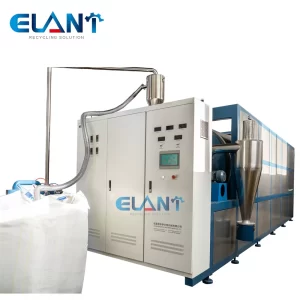
The plastic recycling industry is experiencing unprecedented growth, driven by increasing environmental awareness and the demand for sustainable solutions, including the use of recycled plastic instead of virgin plastic. Plastic pelletizing machines are at the heart of this transformation, converting various forms of plastic waste into valuable recycled plastic pellets and addressing plastic pollution. However, achieving consistent pellet quality can be a significant challenge for plastic recycling pelletizing operations that aim to recycle and reuse materials. for many recycling plants, effective solutions for recycling are becoming increasingly important. This article will delve into the common causes of inconsistent pellet quality and offer insights into optimizing your plastic pelletizing process.
Understanding Plastic and Its Types
The foundation of effective plastic recycling and the production of high-quality plastic pellets lies in a comprehensive understanding of the different types of plastic. Each type possesses unique properties that dictate how it behaves during the plastic pelletizing process, ultimately influencing the characteristics of the resulting plastic pellet produced by the recycling pelletizing machine. A well-informed approach to waste plastic segregation is crucial for any recycling plant aiming for superior recycled plastic products and efficient recycling outcomes. and efficient operation of its plastic recycling machine.
Common Types of Plastic in Recycling
The plastic recycling industry primarily deals with several common types of plastic waste, including HDPE, LDPE, PP, PS, and PET. HDPE (high-density polyethylene) and LDPE (low-density polyethylene) are frequently encountered in plastic film and packaging, making film recycling and film pelletizing significant aspects of the recycling line. PP (polypropylene) is used in various containers, while PS (polystyrene) is often found in disposable items. PET (polyethylene terephthalate) is prevalent in bottle recycling and is often processed using advanced recycling machinery. Understanding these prevalent types of plastic waste is the first step toward successful recycling and pelletizing and optimizing the performance of recycling machinery.
Properties of Different Plastics
Each type of plastic material possesses distinct properties that profoundly influence its behavior within a plastic pelletizing machine. For instance, the melting point, melt flow index, and density vary significantly across different plastics, impacting their suitability for waste plastic recycling. LDPE and HDPE, commonly found as plastic film, have different melt characteristics, impacting the efficiency of plastic film pelletizing and the performance of a water ring pelletizer. These inherent differences dictate the ideal operating parameters for the pelletizer machine and the entire plastic pelletizing line, impacting efficiency and overall output in recycling processes. making proper material identification crucial for optimal results.
Impact of Plastic Types on Pellet Quality
The diverse properties of plastic types, such as PE plastic, have a direct and substantial impact on the quality of the final recycled plastic pellet, which is essential for effective waste plastic recycling. Mixing different types of plastic, even within a sophisticated plastic pelletizing system, can lead to inconsistent melt flow, uneven cooling, and ultimately, a compromised plastic pellet. For example, processing a batch of mixed plastic film containing both LDPE and HDPE without proper segregation can result in pellets with varying densities and melt indices, which are undesirable for manufacturers seeking consistent new plastic substitutes. Therefore, precise sorting of plastic waste is paramount for producing high-quality recycled plastic.
The Role of Pelletizing in Plastic Recycling

The process of pelletizing stands as a cornerstone in the modern plastic recycling industry, This process involves transforming raw plastic waste into a usable, uniform, and valuable recycled plastic pellet using advanced recycling machinery and innovative cutter compactor recycling techniques. This crucial step not only streamlines the subsequent manufacturing processes for new plastic products but also significantly enhances the overall efficiency and economic viability of a plastic recycling plant. Through sophisticated plastic pelletizing machines, various forms of waste plastic are converted into high-quality recycled plastic, ready for reintroduction into the production cycle, thereby reducing reliance on virgin materials.
How Pelletizing Works
Pelletizing involves several key stages within a plastic pelletizing machine to convert waste plastic into uniform plastic pellets. Initially, plastic waste is fed into a compactor recycling machine for size reduction, which is a crucial step before it moves to the recycling pelletizing machine. Following granulation, the material enters an extrusion process where it is melted and homogenized before being processed by the water-ring pelletizing system, enhancing plastic pollution reduction efforts. The molten plastic then passes through a die head, forming strands that are subsequently cut into consistent plastic pellets by a plastic pelletizer. This intricate process ensures that the recycled plastic material has the optimal form and consistency for future applications.
Importance of a Reliable Pelletizing System
A reliable plastic pelletizing system is absolutely essential for any plastic recycling plant aiming for high-quality output and operational efficiency. The consistency of the plastic pellet directly impacts the market value and usability of the recycled plastic, making it essential for manufacturers to recycle and reuse effectively. An efficient pelletizing line minimizes downtime, reduces material loss, and ensures that the final recycled plastic meets stringent quality standards, ultimately leading to greater profitability and sustainability within the recycling industry.
Overview of Plastic Pelletizing Machines
The market offers a diverse range of plastic pelletizing machines, each designed to handle specific types of plastic waste and achieve particular pellet characteristics for efficient recycling. From robust plastic film pelletizing machines optimized for film recycling, to specialized plastic pelletizers for bottle recycling, the technological advancements are significant. Many modern plastic recycling machines incorporate features like a water ring pelletizer, which provides efficient cooling and precise cutting, contributing to superior plastic pellet quality and overall performance of the recycling pelletizing line.
Common Causes of Inconsistent Pellet Quality
Achieving consistent plastic pellet quality is a primary goal for any plastic recycling plant, yet it can be a persistent challenge in the context of efficient recycling. Inconsistent pellets can lead to issues in subsequent manufacturing processes, reducing the value of the recycled plastic and increasing operational costs associated with the plastic processing machinery. Understanding the root causes of these inconsistencies is vital for optimizing the plastic pelletizing process and ensuring a reliable supply of high-quality recycled material.
Feedstock Quality and Preparation
The quality and preparation of the initial waste plastic feedstock are paramount in determining the consistency of the final plastic pellet produced by the recycling pelletizing machine for plastic recycling. Contamination, improper sorting of types of plastic, and inconsistent moisture content can all severely impact the melting and extrusion processes in recycling machinery, affecting the solution for recycling. within the plastic pelletizing machine. Effective feedstock management, including thorough cleaning and segregation, is a critical first step towards producing a high-quality recycled plastic pellet and ensuring the smooth operation of the entire recycling pelletizing system.
Operational Parameters of the Pelletizer
The operational parameters of the pelletizer machine itself play a crucial role in pellet quality and overall efficiency in recycling. Variables such as temperature profiles across the extruder, screw speed, die pressure, and cutter speed on the water-ring pelletizing system must be meticulously controlled and optimized for efficient recycling. for the specific plastic material being processed. Deviations in these settings can lead to inconsistent plastic pellet size, shape, and density, compromising the overall quality of the recycled plastic and making it less desirable for new plastic applications.
Maintenance of Pelletizing Equipment
Regular and thorough maintenance of the plastic pelletizing equipment Using a pelletizer machine is indispensable for consistently high pellet quality. Worn-out components in the plastic pelletizing machine, such as the screw and barrel, or a damaged die plate, can significantly impair the extrusion process and the formation of uniform plastic pellets. Neglecting maintenance can lead to increased downtime, higher operational costs, and, most importantly, a marked decline in the quality of the recycled plastic produced by the recycling machine.
Improving Pellet Quality in Recycling Processes
Best Practices for Plastic Waste Preparation
To consistently achieve high-quality recycled plastic pellets, Meticulous preparation of the plastic waste feedstock is paramount for any plastic recycling plant to achieve optimal results in the pelletizing machine for plastic recycling. This involves rigorous sorting of types of plastic waste to prevent cross-contamination in the recycling and pelletizing process., which can severely compromise the integrity of the final recycled plastic. Thorough washing and drying processes are also critical to remove impurities and moisture, ensuring a uniform melt during the plastic pelletizing process. Implementing a robust quality control system for incoming waste plastic is a best practice that significantly impacts the efficiency of the plastic pelletizing machine and the quality of the resulting plastic pellet.
Optimizing the Pelletizing Line
Optimizing the entire plastic pelletizing line, including the pelletizer machine, is crucial for consistent plastic pellet quality and effective plastic processing. This involves fine-tuning operational parameters such as the temperature profile of the extruder, screw speed, and pressure settings to match the specific characteristics of the plastic material being processed. Regular calibration of the pelletizer machine, especially a water ring pelletizer, ensures precise cutting and uniform pellet size, which is essential for high-quality output. Integrating advanced sensors and control systems into the plastic pelletizing machine allows for real-time adjustments, minimizing inconsistencies and maximizing the output of high-quality recycled plastic pellets, thereby enhancing the overall efficiency of the recycling pelletizing system.
Technological Innovations in Pelletizing
The plastic recycling industry is continuously benefiting from technological innovations in pelletizing equipment, enhancing the overall efficiency of plastic processing. Modern plastic pelletizing machines often incorporate features like advanced melt filtration systems, which remove impurities before the molten plastic is formed into pellets, thus improving the quality of the recycled plastic. Developments in pelletizer technology, such as specialized water ring pelletizers designed for specific types of plastic film, are a crucial solution for recycling. granulators, are enhancing efficiency and consistency. These innovations in recycling machinery are critical for recycling plants looking to produce superior recycled plastic pellets and stay competitive in the evolving market for new plastic substitutes.
Conclusion and Future Perspectives
Trends in Plastic Recycling Technology
The future of plastic recycling technology is characterized by a drive towards greater efficiency, versatility, and higher quality output in the recycling and pelletizing industry. Emerging trends include the development of smart plastic pelletizing machines that utilize AI and machine learning to optimize operational parameters, leading to more consistent plastic pellet quality. Furthermore, there is a growing focus on advanced separation technologies to handle increasingly complex types of plastic waste, ensuring that the plastic recycling process can effectively convert diverse waste plastic streams into valuable recycled plastic. These innovations are poised to transform the recycling pelletizing machine into an even more sophisticated and productive system.
Importance of Consistent Quality in Resource Recycling
Consistent quality in recycled plastic pellets is of paramount importance for the entire resource recycling industry. High-quality recycled plastic material ensures that manufacturers can confidently integrate it into new plastic products, reducing reliance on virgin plastic and fostering a true circular economy. Inconsistent plastic pellets, however, can lead to processing difficulties and product failures, undermining confidence in recycled plastic from the pelletizing machine for plastic recycling. Therefore, maintaining a reliable plastic pelletizing system and investing in advanced plastic pelletizing equipment are crucial for recycling plants committed to providing a stable supply of high-grade recycled plastic and supporting sustainable waste recycling practices.
Future Challenges in Post-Consumer Plastic Recycling
The future of post-consumer plastic recycling faces several significant challenges, particularly in achieving consistent plastic pellet quality from increasingly diverse and contaminated waste streams. The complexity of mixed types of plastic waste, coupled with the rising volume of plastic film and flexible packaging, demands more sophisticated plastic pelletizing machines and advanced sorting technologies. Furthermore, the economic viability of recycling plastic waste, especially in competitive markets, requires highly efficient and reliable plastic pelletizing systems, including compactor recycling solutions. Addressing these challenges through continuous innovation in recycling pelletizing technology and robust investment in recycling infrastructure will be key to unlocking the full potential of the plastic recycling industry.