
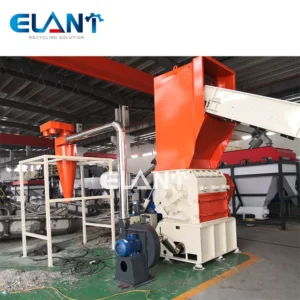
The escalating volume of plastic waste presents a significant global challenge, demanding innovative solutions for effective waste management and environmental preservation. This article delves into the critical role of industrial plastic waste crushers and shredders in facilitating plastic recycling, ultimately contributing to a more sustainable future.
Understanding Plastic Waste
Plastic waste has become an omnipresent concern across industries and communities, necessitating a thorough understanding of its various forms and implications. The sheer volume of discarded plastic materials, ranging from everyday packaging to industrial components, underscores the urgent need for robust waste management strategies and efficient recycling processes.
The Importance of Plastic Recycling
Plastic recycling is a cornerstone of sustainable waste management, offering a multitude of environmental and economic benefits. By diverting plastic waste from landfills and incinerators, we can significantly reduce pollution, conserve valuable resources, and minimize the carbon footprint associated with virgin plastic production. The efficient processing of plastic waste through specialized machinery such as industrial crushers and shredders is paramount to successful plastic recycling, enabling the recovery of valuable materials for new product manufacturing. This not only promotes a circular economy but also drives innovation within the recycling industry.
Types of Plastic Waste
The vast array of plastic products in circulation translates into a diverse spectrum of plastic waste, each with unique characteristics and recycling requirements. The effective processing of this varied waste stream, whether it is rigid plastic or flexible materials, often requires specialized industrial machinery such as a plastic crusher or a shredder. Understanding the different types of plastic is crucial for implementing efficient waste recycling strategies and ensuring optimal resource recovery for various recycling applications.
| Plastic Type | Common Uses |
|---|---|
| PET | Plastic bottles |
| PP | Containers |
| PE | Plastic film and bags |
| PVC | Plastic pipes and window frames |
Impact of Plastic Waste on the Environment
The pervasive presence of plastic waste in our environment poses severe threats to ecosystems and human health. Unmanaged plastic waste contaminates land and water bodies, harming wildlife through entanglement and ingestion, and releasing harmful chemicals into the environment. The accumulation of plastic materials, from microplastics to large debris, underscores the urgent need for effective waste reduction and recycling initiatives. Industrial crushers and shredders play a vital role in mitigating this impact by processing waste plastic for recycling, thereby reducing the volume of waste destined for landfills and minimizing environmental degradation. This reduction in plastic pollution is essential for preserving biodiversity and maintaining ecological balance.
The Role of Crushers and Shredders in Waste Reduction

How Plastic Crushers Work
Plastic crushers are essential machines in the initial stages of plastic recycling, designed to reduce the size of various plastic materials. These industrial crushers utilize powerful mechanisms, often involving robust blades or rotating hammers, to crush and break down large pieces of plastic waste, such as plastic bottles or plastic pipes, into smaller, more manageable fragments. The efficiency of a plastic crusher is crucial for subsequent processing steps, as it significantly reduces the volume of waste and prepares the material for further shredding or grinding, ultimately streamlining the entire waste recycling process and enhancing the recovery of valuable plastic.
Shredding Techniques for Efficient Waste Processing
Shredding techniques are vital for the efficient processing of diverse plastic waste, complementing the work of plastic crushers by further reducing material size and ensuring uniformity. Industrial shredders employ a range of blade configurations and motor powers to effectively shred various plastic products, including plastic film, rigid plastics, and even mixed plastic materials. This process not only facilitates easier handling and transportation of waste plastic but also improves the effectiveness of subsequent washing, sorting, and granulation stages in plastic recycling plants. Efficient shredding is key to maximizing material recovery and optimizing the overall waste management strategy.
Benefits of Using Crushers and Shredders in Recycling
The integration of crushers and shredders offers significant benefits to the recycling industry, fundamentally transforming how waste plastic is managed. These industrial machines enable substantial waste reduction, converting bulky plastic waste into smaller, more manageable sizes, which dramatically decreases transportation costs and storage volume. By facilitating efficient processing, crushers and shredders enhance the recovery rate of valuable materials like PET, PP, and PE, making the plastic recycling process more economically viable and environmentally friendly. This efficiency contributes directly to a circular economy, minimizing landfill dependence and promoting sustainable resource use.
Applications of Plastic Crushers and Shredders
Industrial Applications
Plastic crushers and shredders have extensive industrial applications, playing a critical role in various sectors beyond traditional recycling plants. Industries dealing with large volumes of plastic scrap, such as manufacturing facilities producing plastic products, often utilize these machines to process their internal waste streams. These machines are indispensable for efficient waste management and material recovery within the industry, contributing to significant waste reduction.
| Industry | Application |
|---|---|
| Automotive | Shredding plastic components |
| Packaging | Processing rejected plastic film and containers |
| General Industry | Handling diverse plastic materials, including PVC and rubber |
Recycling Facilities
Recycling facilities are perhaps the most prominent application for plastic crushers and shredders, where these machines form the backbone of the plastic recycling process. In these plants, crushers are typically used for the initial size reduction of large items like plastic bottles and plastic pipes, preparing them for further processing. Shredders then take over, breaking down the crushed material into even smaller, uniform pieces, which is essential for efficient washing, separation, and extrusion. This integrated approach ensures the optimal recovery of various plastic types, such as PET, PP, and PE, thereby maximizing the efficiency of the entire waste recycling operation and contributing significantly to waste reduction goals.
Innovative Uses in Waste Management
Beyond traditional industrial and recycling facility applications, plastic crushers and shredders are finding innovative uses in modern waste management strategies, pushing the boundaries of what is possible in waste reduction and recovery. These innovative uses highlight the machine’s adaptability and critical role in developing more efficient and sustainable waste management solutions.
| Application Type | Key Features/Benefits |
|---|---|
| Processing mixed waste streams | Involves plastic along with other materials like metal or rubber, requiring robust industrial shredders designed for versatility. |
| Mobile crushing and shredding units | Deployed for on-site processing of waste plastic at construction sites or remote locations, reducing transportation costs and environmental impact. |
Choosing the Right Machine for Plastic Waste
Factors to Consider When Selecting a Crusher
Selecting the appropriate plastic crusher is a critical decision in optimizing any plastic recycling operation, as various factors significantly influence its efficiency and effectiveness. The type of plastic waste to be processed, such as rigid plastics like plastic pipes or more flexible materials like plastic film, dictates the necessary strength and blade design of the industrial crusher. Furthermore, the desired output size for the crushed plastic, whether for further shredding or direct granulation, will influence the machine’s configuration. Consideration of the volume of waste plastic to be processed, the available space for the machine, and the specific recycling applications are also paramount to ensuring the chosen plastic crusher meets operational demands and contributes to efficient waste reduction.
Comparing Different Shredding Machines
A thorough comparison of different shredding machines is essential to identifying the most efficient solution for diverse plastic recycling needs. Single-shaft shredders, dual-shaft shredders, and quad-shaft shredders each offer distinct advantages depending on the type and size of plastic waste. For instance, dual-shaft shredders are often preferred for their ability to handle tough, bulky plastic products and plastic pipes, offering high throughput and effective size reduction. Conversely, single-shaft shredders might be more suitable for achieving a consistent, smaller output size for subsequent grinding. Evaluating the motor power, blade configuration, and specific application of each shredder type ensures optimal waste processing and maximizes material recovery in the recycling industry.
Maintenance and Efficiency of Plastic Recycling Machines
The long-term efficiency and operational success of plastic recycling machines, including both industrial crushers and shredders, heavily rely on robust maintenance practices. Regular inspection of blades, motors, and other critical components helps prevent unexpected breakdowns and ensures continuous waste processing. Proper maintenance not only extends the lifespan of the machine but also preserves its efficiency, enabling consistent size reduction and high throughput of plastic waste. Investing in quality parts and scheduled servicing for recycling machinery minimizes downtime, optimizes energy consumption, and ultimately contributes to the economic viability and environmental benefits of plastic recycling plants. Efficient maintenance is key to sustainable waste management and effective plastic recovery.
Future Trends in Plastic Recycling Technology
Advancements in Crusher and Shredder Design
Future trends in plastic recycling technology are heavily focused on significant advancements in crusher and shredder design, aiming to enhance the efficiency and versatility of waste processing. Engineers are developing industrial crushers with more robust and adaptable blade systems, capable of handling an even wider array of plastic waste, including challenging mixed plastic materials and composite plastic products. Similarly, shredder designs are evolving to incorporate more powerful motors and innovative cutting mechanisms that can achieve finer and more consistent output sizes with less energy consumption. These design improvements will lead to increased throughput, reduced maintenance, and more effective size reduction across various plastic recycling applications, contributing significantly to waste reduction goals.
Integration of Smart Technology in Waste Management
The integration of smart technology is set to revolutionize waste management, particularly within the plastic recycling industry. Future plastic crushers and shredders will increasingly feature advanced sensors and AI-driven control systems that can automatically detect different types of plastic waste, optimize processing parameters, and even predict maintenance needs. This intelligent automation will enhance the efficiency of waste recycling plants, reduce operational costs, and improve the purity of recovered plastic materials. Smart technology will enable real-time monitoring of machine performance, providing valuable data for continuous improvement and ensuring that industrial crushers and shredders operate at peak efficiency for maximum waste reduction and recovery.
The Role of Metal and Scrap in Recycling Processes
The role of metal and scrap in plastic recycling processes is becoming increasingly important, especially as waste streams become more complex. Future advancements in industrial crushers and shredders will involve improved capabilities for separating metal contaminants and other scrap materials from plastic waste. This enhanced separation is crucial for producing higher-quality recycled plastic, as even small amounts of metal can compromise the integrity of new plastic products. Furthermore, the efficient recovery of metal and rubber components from mixed waste not only improves the purity of plastic for recycling but also contributes to the recovery of valuable secondary raw materials, promoting a more comprehensive circular economy in waste management.