
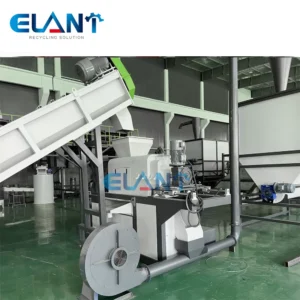
Low-density polyethylene (LDPE) film recycling is a critical process for environmental sustainability, tackling the ever-growing issue of plastic waste through effective recycling and encouraging store drop-off programs. This article delves into the intricacies of recycling LDPE films, highlighting key checks and best practices to ensure optimal results, particularly in preventing problems related to washed film dryness.
Understanding LDPE and Its Recyclability
What is LDPE?
LDPE, or low-density polyethylene, is a thermoplastic polymer widely recognized for its flexibility and excellent processability, making it suitable for use in extruders. It constitutes a significant portion of plastic packaging materials, found in everything from trash bags to LDPE film sheeting, often used in composite lumber production.
- Stretch film made from LDPE is commonly used in food packaging and is recyclable through specialized LDPE film recycling programs.
- Shrink wrap can be effectively used in flexible packaging applications to enhance product protection.
- Various types of plastic bags, including LDPE bags and liners, play a significant role in flexible packaging and recycling efforts.
Making its efficient film recycling essential for managing the plastic waste stream, particularly at distribution centers that focus on flexible packaging.
Properties of Low-Density Polyethylene
Low-density polyethylene (LDPE) possesses distinctive properties that make it ideal for various packaging applications, including sheeting, trash bags, and flexible packaging solutions. These include high flexibility, impact resistance, and transparency.
| Property of LDPE film includes its versatility in being used for bags and flexible packaging, contributing to its recyclability. | Characteristic |
|---|---|
| Density | Low |
| Softness is a key property of LDPE, making it suitable for applications like bags and film. | Relative softness compared to other plastics like HDPE makes LDPE plastic a popular choice in packaging, especially for trash bags and food packaging. |
These characteristics differentiate LDPE from other plastics, such as HDPE, and influence its handling during the recycling process.
Importance of Recyclability in Plastic Films
The recyclability of plastic films, particularly LDPE film, is paramount for environmental sustainability and the benefits of recycling, especially in food packaging. As an increasing amount of post-consumer plastic waste enters our waste stream, the ability to effectively recycle LDPE plastic helps reduce landfill burden and conserves resources, minimizing the environmental impact of plastic production and disposal.
The LDPE Recycling Process

Steps in the LDPE Recycling Process
The LDPE recycling process typically involves several crucial steps, beginning with the collection of LDPE waste, often sourced from both industrial and post-consumer streams, including post-industrial materials. Following collection, the plastic material undergoes sorting, shredding, washing to remove contaminants, and ultimately pelletizing to transform it into a valuable raw material for new products like plastic lumber.
How LDPE is Processed into Recyclable Pellets
Once sorted and cleaned, the LDPE film is shredded into flakes, which are then melted and extruded through an extruder to form strands. These strands are subsequently cooled and cut into uniform pellets for use in the LDPE recycling process. These recyclable LDPE pellets are then ready to be used by manufacturers to create new LDPE products, closing the loop on plastic recycling.
Common Contaminants in LDPE Recycling
A significant challenge in LDPE recycling is the presence of common contaminants such as labels, food residue, and other non-LDPE plastics like LLDPE or HDPE. These contaminants can degrade the quality of the recycled film, making effective sorting and washing crucial for producing high-quality LDPE recycled material and ensuring the success of the recycling program.
7 Checks for Successful LDPE Film Recycling
Check 1: Assessing Cleanliness of LDPE Film
The first critical check in successful LDPE film recycling involves thoroughly assessing the cleanliness of the LDPE film bags and film. Contamination, such as food residue, labels, or dirt, can significantly degrade the quality of the recycled material, impacting the overall efficiency and sustainability of the plastic recycling process. Cleaner LDPE film ensures a higher-grade end product, particularly in food packaging applications.
Check 2: Evaluating Film Thickness and Type
Evaluating the film thickness and specific type of low-density polyethylene is crucial for optimizing the recycling process. Proper identification ensures that only compatible LDPE plastic is grouped for recycling.
| Type of Plastic Film includes various forms such as LDPE bags and film, which are critical for recycling efforts aimed at reducing plastic waste. | Characteristics of LDPE plastic include its flexibility and durability, making it ideal for film recycling, especially for garbage bags. |
|---|---|
| Stretch film | Varying densities and compositions of LDPE plastic can affect its recyclability in the film recycling industry, particularly in comparison to high-density polyethylene. |
| Shrink wrap | Varying densities and compositions |
| Agricultural film made from LDPE is often recycled to create new products. | Varying densities and compositions |
Check 3: Ensuring Proper Storage Before Processing
Proper storage of LDPE waste before processing is essential to prevent further contamination and degradation. Storing plastic films in clean and dry, covered areas minimizes exposure to elements that could introduce moisture or dirt, which are common contaminants in food packaging. This step is vital for maintaining the integrity of the LDPE film and improving its recyclability for use in composite lumber applications.
Check 4: Identifying Suitable Recycling Machines
Identifying and utilizing suitable recycling machines is paramount for efficient LDPE plastic recycling. Different machines are designed to handle specific types of plastic material, including LDPE, and levels of contamination. Selecting the correct recycling machine ensures that the LDPE film is processed effectively in the recycling process, whether it’s for shredding, washing, or pelletizing.
Check 5: Monitoring for Contaminants
Continuous monitoring for contaminants throughout the LDPE recycling process is non-negotiable for producing high-quality recycled film that can be used in composite lumber. Even after initial sorting, small pieces of other types of plastic, such as HDPE or LLDPE, or non-plastic materials like metal or paper, can remain. Vigilant monitoring helps in achieving pure LDPE recycled pellets.
Check 6: Understanding the Bale and Pallet Wrap Requirements
Understanding the specific requirements for bale and pallet wrap is important, as these are common forms of LDPE waste. Many recycling companies have strict guidelines regarding the size, density, and cleanliness of bales for efficient transportation and processing, which helps in reducing plastic waste. Adhering to these requirements streamlines the collection and recycling program for packaging materials.
Check 7: Confirming with Your Recycler
Always confirming with your chosen recycler is the final, crucial step to ensure a successful LDPE film recycling program for plastic waste. Each recycler may have unique specifications for the types of LDPE plastic films they accept, acceptable contamination levels, and preferred presentation of the LDPE waste. This communication ensures that your efforts align with their capabilities, preventing material rejection and contributing to overall sustainability and EPR (Extended Producer Responsibility) initiatives.
Benefits of LDPE Film Recycling
Environmental Impact of Recycling LDPE
Recycling LDPE has a profoundly positive environmental impact, significantly reducing the amount of plastic waste that ends up in landfills. By engaging in LDPE film recycling, we lessen the demand for virgin LDPE production, which in turn conserves natural resources and reduces energy consumption in the plastic recycling process. This commitment to sustainability through the recycling process for low-density polyethylene helps mitigate greenhouse gas emissions and minimizes the overall carbon footprint associated with plastic packaging and other plastic products.
Cost-Effectiveness of Recycling Programs
Implementing effective recycling programs for LDPE film can also be highly cost-effective for businesses and municipalities involved in reducing plastic waste through EPR initiatives. By diverting plastic material like stretch film, shrink wrap, and other plastic bags from the waste stream, organizations can reduce landfill tipping fees and potentially generate revenue from the sale of LDPE recycled pellets. This economic incentive, coupled with the environmental benefits, makes the plastic recycling process a financially sound decision for promoting long-term sustainability and resource management.
Contribution to the Circular Economy
LDPE film recycling is a cornerstone of the circular economy, where resources are kept in use for as long as possible, extracting the maximum value from them, particularly in food packaging applications. By transforming post-consumer LDPE waste into a valuable raw material, plastic film recycling helps close the loop, reducing reliance on virgin LDPE and fostering a system where plastic products can be continuously regenerated. This promotes a more sustainable future in packaging by minimizing waste and maximizing resource efficiency within the LDPE film recycling and manufacturing sectors.
Conclusion: Promoting Effective LDPE Plastic Film Recycling
Encouraging Participation in Recycling Programs
To truly enhance the impact of LDPE plastic film recycling, it is crucial to encourage broader participation in store drop-off recycling programs. This involves educating consumers and businesses about the importance of properly sorting and preparing their LDPE waste, such as plastic bags and pallet wrap, for collection. Making recycling accessible through convenient drop-off points, clear guidelines for curbside recycling, and collaborative efforts with recycling companies can significantly boost the amount of flexible plastic that gets recycled, rather than ending up in a landfill.
Future of LDPE and Plastic Film Recycling
The future of LDPE and plastic film recycling looks promising, with ongoing advancements in recycling machine technology and increased innovation in developing new LDPE products from recycled material. As industries continue to seek sustainable packaging solutions, the demand for high-quality LDPE recycled content will likely grow, driving further investment in the plastic recycling process. This evolution will help tackle the challenges of contamination and expand the types of plastic films, such as sheeting, that can be efficiently recycled, pushing towards a more circular economy.
Resources for Further Information
For individuals and businesses seeking to deepen their understanding of LDPE film recycling and improve their recycling efforts, numerous resources are available. These include guidelines from local recycling companies, information on recycling programs from environmental agencies, and industry reports on best practices for handling various types of plastic, such as agricultural film and industrial packaging. Consulting these resources can help ensure that LDPE waste is properly managed, contributing effectively to overall sustainability goals and the benefits of recycling.