
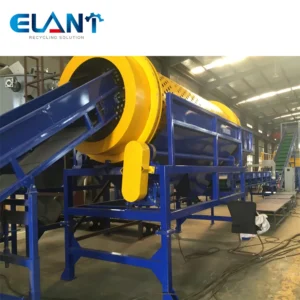
The escalating global concern over plastic waste necessitates efficient recycling processes, with the bottle washing line being a critical stage in the recycling system. This article delves into the intricacies of plastic recycling washing lines, specifically addressing the common and often debilitating issues surrounding water circulation in pet bottle washing lines.
Understanding the Plastic Recycling Washing Line
The heart of any robust plastic recycling operation, the plastic washing line, plays a pivotal role in transforming discarded plastic waste into high-quality raw materials. This intricate system is designed to thoroughly clean various types of plastic, removing contaminants and preparing them for further processing such as extrusion and pelletizing in a complete washing process. Without an effective washing line, the quality of recycled plastic, whether it be plastic flakes or pellets, would be compromised, hindering the circular economy and the recycling of agricultural film.
Main Components of a Plastic Washing Line
A typical plastic recycling washing line is a sophisticated assembly of specialized machinery, including a plastic crusher and granulator, each component meticulously designed to contribute to the overall cleaning process. Key elements often include a conveyor belt for initial feeding, a shredder or crusher to reduce the size of the plastic waste, various washers (such as a friction washer or hot wash tank) to dislodge and remove contaminants, a dryer to reduce moisture content, and often a sorting system to separate different types of plastic or colors. These main components work in unison to transform dirty waste plastic into clean plastic flakes, which can then be used to create new products from bales of recycled material.
Types of Plastic in Recycling
The plastic recycling washing line is versatile, capable of processing a wide array of post-consumer and post-industrial plastic waste types, each with its unique characteristics and recycling requirements. Common plastics include PET (polyethylene terephthalate), often found in PET bottles, and HDPE (high-density polyethylene) and PP (polypropylene), frequently used for containers and packaging, including agricultural film. The effectiveness of the washing line works by targeting the specific contaminants associated with each type of plastic, such as labels and glues from PET bottle recycling or residual food matter from other plastic waste.
How a Plastic Washing Line Works
The operational flow of a plastic washing line begins with the introduction of waste plastic, whether it’s plastic film or plastic bottles, via a conveyor, which is crucial for efficient processing in pet bottle washing lines. The material then proceeds to a plastic shredder or crusher, where it’s reduced to smaller plastic flakes or pieces. These flakes then enter various washing machines, including pre-washers, hot wash tanks, and friction washers, as well as the granulator for further processing. The friction washing process is particularly effective at removing stubborn contaminants from waste plastic film, ensuring higher quality output. After thorough washing, the clean plastic flakes are dewatered and then passed through a dryer, ensuring they are adequately dry for subsequent extrusion and pelletizing, completing a crucial part of the recycling process.
Common Water Circulation Problems
Water circulation is the lifeblood of any plastic recycling washing line, acting as the primary medium for cleaning and transporting plastic flakes, especially in the context of plastic film recycling washing lines. When the water circulation system encounters problems, the entire washing line can experience significant disruptions, leading to reduced efficiency and increased operational costs. Understanding these common problems is the first step toward implementing effective solutions and ensuring the smooth operation of the plastic recycling process, particularly in the context of pet bottle washing.
Causes of Water Circulation Issues
Several factors can contribute to water circulation problems within a plastic washing line, such as the presence of contaminants from the plastic crusher. A primary cause is the accumulation of small plastic particles, labels, glues, and other contaminants that are stripped from the waste plastic during the washing and separation process. These materials can clog pipes, filters, and pumps, impeding the flow of water and increasing the strain on the machinery, which can lead to higher maintenance costs for recycling equipment. Furthermore, issues such as worn-out pump impellers, damaged pipes, or inadequate system design can also lead to inefficient water circulation, affecting the overall effectiveness of the plastic recycling washing line.
Impact of Contamination on Water Circulation
Contamination plays a crucial role in compromising the efficiency of water circulation within a plastic recycling washing line, particularly when dealing with agricultural film. As plastic flakes, whether from PET bottles or plastic film, are agitated and cleaned, various contaminants like dirt, paper labels, and adhesive residues are released into the wash water. Over time, these fine particles accumulate, forming sludge and blockages in pipes and within the washer itself. This buildup not only restricts water flow but also fouls sensors and moving parts, demanding frequent maintenance and potentially leading to premature wear of the washing and separation line equipment.
Effects on the Washing System Efficiency
Ineffective water circulation directly translates to a significant drop in the overall efficiency of the plastic washing system, impacting the performance of the granulator and the quality of pet flakes produced. When water flow is hindered, the ability to effectively remove contaminants from plastic flakes diminishes, resulting in a lower quality end product, particularly in the case of pet bottle washing. This can necessitate re-washing, increasing water and energy consumption, and ultimately driving up operational costs for the plastic bottle recycling plant. Furthermore, reduced circulation can lead to insufficient cooling or heating in specific stages, impacting the performance of hot wash tanks and drying processes, making the entire recycling process less effective.
Solutions for Improving Water Circulation
Optimizing Washing Line Equipment
To enhance water circulation in a plastic recycling washing line, optimizing the washing line equipment is paramount. This involves upgrading to more efficient pumps that can handle higher volumes and pressures, ensuring consistent water flow throughout the entire plastic washing system. Regularly inspecting and cleaning nozzles, sprayers, and internal pipework within the washer is crucial to prevent blockages caused by plastic flakes and other contaminants, especially from PE film. Implementing automated cleaning cycles for the main components of the washing line can also significantly reduce manual intervention and maintain optimal performance, ensuring the efficient removal of waste plastic.
Implementing Effective Filtration Systems
Effective filtration systems are indispensable for maintaining clean water circulation in a plastic washing plant, particularly when processing PE film. Installing multi-stage filtration units, including fine mesh filters and hydrocyclones, can efficiently remove small plastic particles, paper labels, and other contaminants that are dislodged during the friction washing process. These systems reduce the load on pumps and prevent the accumulation of sludge in hot wash tanks and pipes. Regular maintenance and timely replacement of filter media are essential to ensure the continuous and effective removal of impurities, thereby extending the lifespan of the entire recycling machine and improving the quality of the plastic flakes.
Maintaining the Right Plastic Washing Line
Maintaining the right plastic washing line involves a holistic approach to ensure optimal water circulation and overall efficiency. Regular checks of all components, from the shredder and crusher to the dryer, are vital. This includes inspecting pipes for leaks or damage, verifying pump functionality, and ensuring that all sensors are working correctly. Adhering to a stringent preventative maintenance schedule helps in early detection and resolution of potential issues, preventing costly breakdowns and maintaining consistent performance. By keeping the entire recycling system in prime condition, the smooth flow of water and the quality of the recycled plastic are assured.
Case Studies and Best Practices
Successful Film Recycling Washing Line Implementations
Successful film recycling washing line implementations showcase the effectiveness of well-designed water circulation systems that enhance the efficiency of recycling equipment. One notable case involved a recycling plant that upgraded its plastic film washing line with a closed-loop water system, significantly reducing fresh water consumption. By integrating advanced filtration and sedimentation tanks, the plastic washing plant achieved a high level of water purification, allowing for continuous reuse in the friction washer and hot wash stages. This not only minimized waste plastic discharge but also ensured the consistent production of clean plastic flakes from various types of plastic film, demonstrating best practices in the recycling process.
Lessons Learned from HDPE and PP Recycling
Lessons learned from HDPE and PP recycling highlight the importance of robust washing systems for these dense plastics. Many operations faced challenges with heavy contamination from food residues and labels, which quickly fouled water circulation in the plastic washing plant. Best practices involved pre-washing stages with high-pressure sprayers and incorporating hot wash tanks with specialized detergents to effectively scrub the plastic and remove stubborn contaminants. before they could impact the main washing and separation line equipment. Additionally, implementing efficient dewatering systems after the washer was crucial to reduce moisture content in the plastic flakes, ensuring a high-quality end product suitable for extrusion and pelletizing.
Innovations in Recycling Line Machinery
Innovations in recycling line machinery are continuously improving water circulation and overall efficiency in the recycling business. Modern plastic recycling washing lines now feature intelligent sensors that monitor water quality and flow rates in real-time, allowing for immediate adjustments to optimize the washing process and enhance the efficiency of the bottle washing line. Advanced self-cleaning filtration systems, including centrifugal filters, automatically backwash or replace filter media, minimizing downtime and manual labor. Furthermore, the development of specialized friction washer designs enhances the removal of contaminants while using less water. These technological advancements ensure a more sustainable and economically viable recycling process, producing higher quality plastic flakes from various plastic waste sources, including waste plastic film.