
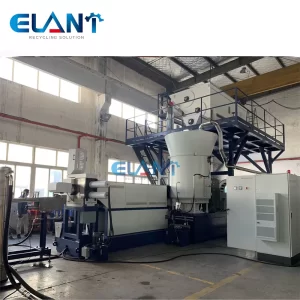
Navigating the complexities of PET recycling in high-output plants requires a deep understanding of the machinery and processes involved, especially concerning the management of PET waste and the single screw shredder machine. This article delves into the critical aspects of selecting the optimal control point in the recycling system, ensuring efficiency and high-quality output for PET products, including new PET formulations and film washing processes.
Understanding PET Recycling
The Importance of Recycling PET Bottles
The global challenge of plastic waste necessitates robust solutions, and recycling PET bottles stands as a cornerstone of sustainable waste management in the recycling business, particularly through efficient bottle crushing. The environmental imperative to recycle plastic is undeniable, transforming discarded plastic bottles into valuable resources and significantly reducing the volume of plastic pollution, particularly from PET waste, especially in the context of bottle crushing. Effective PET plastic recycling not only conserves natural resources but also mitigates the energy consumption associated with producing new plastics, making the investment in washing and shredding machinery a crucial step towards a greener future.
Overview of the PET Recycling Process
The PET recycling process is an intricate journey that transforms discarded polyethylene terephthalate plastic and water bottles into reusable plastic materials, paving the way for new PET applications. This multi-stage recycling process begins with the collection and sorting of plastic waste, specifically PET bottles, followed by a series of mechanical and thermal treatments in the plastic recycling line. At the heart of this transformation is the PET recycling machine, which systematically processes the plastic through stages such as shredding, washing, and pelletizing, ultimately yielding high-quality PET flakes or pellets ready for new applications.
Key Components of a Recycling Line
A high-performance PET bottle recycling line is composed of several critical pieces of recycling machinery, each playing a vital role in achieving clean PET flakes from water bottles, while minimizing impurities. The initial stages often involve a plastic crusher or shredder to break down the PET bottles into smaller, manageable pieces, often referred to as small pieces, essential for processing PET waste. Subsequently, a sophisticated washing line, including a friction washer and hot washing system, thoroughly cleanses the plastic flakes, ensuring the removal of any impurities during the complete PET recycling process. Finally, a granulator or pelletizing machine transforms these flakes into uniform granules or pellets, completing the journey from plastic waste to a valuable commodity through advanced plastic recycling machinery.
Types of PET Recycling Machinery

Plastic Recycling Machines: An Overview
The diverse range of plastic recycling machines available today forms the backbone of any efficient recycling business, particularly for PET plastic and film recycling, including new PET technologies and single screw systems. Each recycling machine within the PET recycling line is specifically designed to handle various stages of the plastic bottle recycling process, from initial size reduction with the shredder machine to final product formation. Understanding the function of each piece of recycling equipment is crucial for optimizing the entire recycling process and ensuring the production of high-quality PET flakes or pellets, including those made from HDPE.
Shredders and Their Role in PET Recycling
Shredders are indispensable in the initial phase of PET bottle recycling, acting as the primary plastic crusher to reduce the size of bulky PET plastic bottles, including those with attached bottle labels. A robust shredder efficiently breaks down the plastic bottle into smaller, more manageable flakes, which are essential for subsequent stages of the recycling process, particularly in the recycling of PET. This crucial step not only prepares the waste PET for thorough cleaning but also significantly increases the throughput of the entire PET recycling line, making the shredder a vital component of any PET plastic recycling machine.
Washing Machines for Effective PET Bottle Washing
Following shredding, washing machines play a critical role in achieving clean PET flakes, which are essential for producing high-quality PET granules from separate PET and small pieces. A comprehensive PET bottle washing line typically includes multiple stages, featuring a friction washer and often a hot washing system, specifically designed to remove contaminants from the PET bottle flakes. The effectiveness of the washing machine in removing labels, caps, and residual liquids directly impacts the quality of the final product, ensuring that the recycled plastic meets stringent industry standards for reuse.
Choosing Control Points in the Recycling Process
Identifying Critical Control Points for Quality Assurance
Identifying critical control points within the complete PET recycling process is paramount for maintaining consistent quality and efficiency in a high-output recycling plant, especially in the context of washing and shredding operations. These strategic points are where critical parameters of the PET plastic recycling process, such as flake cleanliness, moisture content, and material purity, can be precisely monitored and adjusted within the recycling system. Proper selection of these control points allows operators to proactively address any deviations, ensuring that only high-quality PET flakes or pellets are produced throughout the recycling line, particularly in relation to plastic PET.
The Role of Monitoring in the Recycling Process
Continuous monitoring at each control point is vital for the successful operation of any PET bottle recycling line, especially to detect and manage impurities in the separation tank. This involves systematic checks and advanced sensor technologies within the PET recycling machine to track key indicators such as the temperature of the hot washing system, the efficiency of the friction washer, and the dimensions of the PET flakes or pellets post-granulator. Effective monitoring enables real-time data collection, which is indispensable for making informed decisions and preventing potential issues before they impact the quality or output of the recycled plastic.
Adjusting Parameters for Optimal Performance
The ability to adjust operational parameters at critical control points is what truly optimizes the performance of the PET recycling equipment, especially during the extrusion phase of the complete PET recycling process. For instance, fine-tuning the speed of the shredder, the water flow in the washing machine, or the temperature settings in the pelletizing line can significantly enhance the quality of the PET flakes and the overall efficiency of the plastic recycling process. This dynamic adjustment ensures that the PET bottle recycling machine adapts to varying input plastic materials and maintains a high standard of recycled plastic product, crucial for the recycling industry.
Challenges in High-Output PET Recycling Plants
Common Issues in Machinery Operations
In high-output plastic bottle recycling plants, the continuous operation of PET recycling machinery presents several common challenges related to impurities that can impact efficiency and product quality. A frequent issue involves the wear and tear of critical components within the plastic washing and granulator, leading to decreased performance and the need for frequent maintenance in the recycling system. Another concern is the inconsistent feeding of PET plastic bottles into the plastic crusher, which can cause blockages and reduce the overall throughput of the PET recycling line, thus disrupting the smooth flow of the recycling process.
Strategies for Efficient Plastic Recycling
To overcome these operational hurdles, implementing robust strategies for efficient recycling solutions, including advanced washing plant technology, is essential. Regular preventative maintenance schedules for all recycling machinery, including the shredder, washing machine, and pelletizing machine, can significantly extend their lifespan and ensure consistent operation. Furthermore, optimizing the feeding mechanism for PET plastic bottles into the plastic crusher, perhaps through automated systems, can prevent inconsistencies and maintain a steady flow of material, enhancing the overall efficiency of the PET bottle recycling line.
Ensuring Consistency in PET Flake Quality
Ensuring consistency in PET flake quality is paramount for the downstream applications of recycled plastic materials, particularly in producing pe plastic products. Variations in the effectiveness of the washing line, particularly the friction washer and hot washing system, can result in contaminated PET flakes, impacting the quality of recycled plastic materials. To achieve high-quality PET flakes, meticulous control over the plastic washing process, including water temperature, detergent concentration, and rinse cycles, is crucial for producing clean PET granules. Moreover, advanced sorting technologies integrated into the plastic recycling line can further refine the purity of the clean PET flakes, guaranteeing a premium end product through effective washing and shredding.
Future Trends in PET Recycling Machinery
Innovations in Plastic Recycling Technology
The future of plastic recycling is continuously shaped by innovations in plastic recycling technology, particularly in the recycling of polyethylene terephthalate, promising more efficient and sustainable solutions. Emerging trends include the development of smart recycling machinery equipped with AI and machine learning capabilities, allowing for autonomous operation and predictive maintenance of the PET recycling machine. Furthermore, advancements in chemical recycling processes are gaining traction, offering alternative methods to traditional mechanical recycling for turning PET plastic into its virgin monomer components, expanding the possibilities for PET bottle recycling.
The Impact of Sustainability on Recycling Machinery
Sustainability plays a pivotal role in driving the evolution of recycling equipment, with a strong emphasis on reducing energy consumption and minimizing waste generated during the recycling process of waste PET bottles. Future PET recycling machine designs will likely incorporate more energy-efficient motors and advanced water purification systems for the PET bottle washing line, reducing the environmental footprint of the entire recycling plant. The push for a circular economy also encourages manufacturers of plastic recycling machinery to design equipment that can handle a broader range of plastic waste, including previously non-recyclable items.
Enhancing Efficiency with Advanced Control Systems
Enhancing efficiency through advanced control systems is a key trend in modern plastic pelletizer machinery used in the complete PET recycling process, including innovations in washing and shredding. These sophisticated systems can monitor and adjust parameters across the entire PET recycling line in real-time, from the plastic washing to the pelletizing machine, ensuring optimal performance for all pet products. For instance, sensors can detect contamination levels in PET flakes post-washing system and automatically adjust the washing machine settings, while integrated quality control systems can scrutinize the final PET pellet output. Such automation not only maximizes throughput but also guarantees the production of consistent, high-quality PET pellets, contributing to the complete PET recycling process and the efficiency of washing and shredding.