
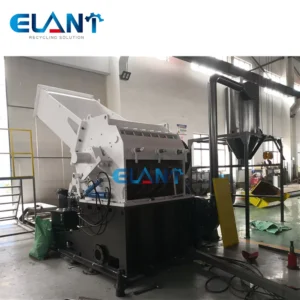
The journey of plastic waste from an environmental burden to a valuable resource hinges significantly on efficient recycling processes used in the plastic recycling industry. This article delves into the persistent challenge of blade wear in recycling crusher machines, a critical issue that impacts the overall efficacy and sustainability of plastic recycling operations, particularly in the context of closed-loop systems.
Understanding Plastic Recycling
The Importance of Waste Plastic Management
Effective waste plastic management is paramount in today’s world, addressing both environmental pollution and resource depletion, and contributing to closed-loop recycling systems. The growing volume of plastic waste necessitates robust strategies, and plastic recycling stands as a cornerstone of these efforts. By engaging in plastic recycling, we not only mitigate the detrimental impact of waste plastic on ecosystems but also conserve valuable raw materials, fostering a more circular economy where plastic products can be given a new lease on life through shredding and crushing processes.
Overview of Plastic Recycling Machines
Plastic recycling machines, including scrap shredders, are at the heart of the recycling process, transforming discarded plastic, including pet bottles and various kinds of plastics, into reusable forms for recycling and reuse. These industrial plastic machines are essential components of any plastic recycling plant focused on solid waste recycling. Shuliy recycling machinery offers a range of these powerful waste shredders, crucial for processing and recycling various plastic materials and metal recycling efficiently.
| Machine Type used in plastic recycling can vary based on the specific requirements of processing different materials. | Primary Function in the context of shredding various kinds of plastics includes reducing plastic waste into smaller pieces for effective recycling. |
|---|---|
| Plastic Shredder | Shreds plastic into smaller pieces, which can then be processed in a production line for recycling. |
| Plastic Crusher | Further crushes plastic, significantly reducing its size |
Types of Plastic: What Can Be Recycled?
A wide array of plastic materials, including pet bottles and waste rubber products, can be recycled, contributing to sustainable waste recycling efforts and customized solutions for various materials used in the plastic recycling industry. Identifying what can be recycled is crucial for effective plastic recycling applications. Industrial shredders and plastic granulators are capable of processing diverse industrial plastic, from large plastic waste to smaller plastic product fragments, contributing to effective recycling and reuse. These shredding machines and plastic crushing machines are specifically designed to handle the various features of plastic crusher requirements for different plastic materials.
| Common Plastic Type | Typical Application/Product used in the plastic recycling sector. |
|---|---|
| HDPE | Plastic bottles |
| PP | Plastic tubes are often included in the solid waste recycling process to enhance recycling efforts, especially when dealing with lldpe. |
| PE | Plastic film |
| PVC | Plastic pipes made from LDPE are commonly used in various applications, playing a significant role in the recycling process. |
Plastic Shredder Machines

Features of Plastic Shredder Machines
Plastic shredder machines are integral to the initial stages of plastic recycling, designed to handle large volumes and bulky pieces of plastic waste. These industrial shredders are characterized by robust construction, powerful motors, and specialized cutting blades that effectively shred plastic into more manageable flakes or pieces. Key features often include customizable blade configurations to suit different types of plastic materials, advanced safety mechanisms, and durable components engineered to withstand the demanding conditions of plastic recycling plants, making them essential for efficient waste plastic recycling.
How Plastic Shredders Work
The operational principle of a plastic shredder machine involves a series of rotating blades or knives that tear and cut plastic waste, including LDPE, into smaller, uniform pieces, aiding in solid waste recycling. When plastic product or waste plastic is fed into the shredder, the powerful blades of plastic shredding machines, often made from hardened steel, engage with the material, systematically reducing its size. This process of shredding plastic is crucial for subsequent recycling stages, as it prepares the material for further processing and recycling, making it easier to handle and transport within the plastic recycling machinery system and optimizing the overall recycling process.
Common Issues with Plastic Shredders
Despite their robust design, plastic shredders can encounter several common issues that impact their efficiency and longevity in a plastic recycling plant, particularly when handling various materials. Blade wear is a prominent problem, as constant contact with various plastic materials, sometimes contaminated with foreign objects, can dull or damage the blades of scrap shredders, reducing their cutting effectiveness. Other issues include motor overheating, material jamming, and wear and tear on other mechanical components, all of which can lead to downtime and increased maintenance costs in the plastic recycling industry.
Crusher Machines in Plastic Recycling
Plastic Crusher Machine Overview
Plastic crusher machines, also known as plastic granulators, play a vital role in plastic recycling by further reducing the size of shredded plastic materials used in the plastic recycling industry. Unlike shredders that primarily tear and cut, crushers utilize impact and shearing forces to break down plastic into small, consistent granules or regrinds. These machines are essential for achieving the desired particle size for downstream processes such as washing, drying, and extrusion, making them indispensable components in modern plastic recycling plants and container recycling operations.
Features of Plastic Crushers
Plastic crusher machines are designed for high-volume plastic size reduction used in the plastic recycling process. They feature heavy-duty construction, high-speed rotating rotors, and precision-engineered screens to control the output granule size in plastic shredding machines, making them suitable for various kinds of plastics. Many models offer customizable screen sizes and blade configurations to effectively crush diverse plastic materials.
| Material Type | Example Plastics in recycling and reuse initiatives. |
|---|---|
| Common Plastic Products include items made from HDPE, PP, and plastic tubes, which are essential for effective solid waste recycling and can include waste rubber products used in plastic recycling. | Plastic bottle, plastic pipe, and plastic film are all types of waste that can be recycled, playing a significant role in the recycling process. |
| Specific Plastic Polymers used in plastic production lines. | HDPE, PP, PE, PVC are common plastics involved in the recycling and reuse process used in the plastic recycling sector. |
Advanced plastic crushing machines often incorporate noise reduction features, efficient dust collection systems, and easy-access designs for maintenance, enhancing their operational efficiency and safety in waste recycling.
Efficiency in Crushing Plastic Waste
The efficiency of a plastic crusher in processing and recycling plastic waste is determined by its ability to consistently produce uniformly crushed plastic with minimal energy consumption and maintenance. Factors contributing to high efficiency in plastic shredding machines include optimal rotor design, sharp and durable blades, and a robust motor that can handle various densities and hardnesses of plastic product. Efficient plastic crushers significantly reduce the size of plastic waste, preparing it for reuse in manufacturing new plastic products, thereby contributing to sustainable waste plastic recycling and improving the overall economic viability of plastic recycling applications.
Blade Wear Issues in Recycling Equipment
Factors Leading to Blade Wear
Blade wear is a pervasive issue in plastic recycling, significantly impacting the performance and longevity of both plastic shredder and plastic crusher machines. Several factors contribute to this problem, including the abrasive nature of various plastic materials like HDPE and PVC, which can progressively dull the cutting edges of waste shredders. Furthermore, contaminants such as metal fragments or stones, often found mixed with plastic waste, can cause immediate damage, leading to chips or fractures in the steel blades. The operational intensity, characterized by continuous shredding and crushing of high volumes of plastic product, also places immense stress on the blades, accelerating wear and necessitating frequent replacement or sharpening in plastic recycling plants.
Solutions to Minimize Blade Wear
To mitigate blade wear in plastic recycling equipment, several solutions can be implemented to enhance durability and efficiency in waste shredders. One primary approach is to customize blade materials, opting for high-grade alloys or treated steels that offer superior hardness and abrasion resistance for industrial shredders and plastic granulators. Regular maintenance schedules, including timely blade sharpening and rotation, can significantly extend the operational life of plastic shredding machines. Additionally, incorporating advanced foreign object detection systems before the plastic waste enters the shredder machine or plastic crusher machine can prevent damage from contaminants, thereby preserving the integrity of the blades and optimizing the overall waste plastic recycling process.
Comparing Industrial Shredders and Crushers
While both industrial shredders and plastic crushers are vital for plastic recycling, they differ in their primary function and susceptibility to blade wear, particularly when handling thermoplastic materials. Plastic shredder machines are designed for initial size reduction, typically handling large and bulky plastic waste with rotating blades that tear and cut, transforming plastic waste into smaller pieces. These shredding machines often face wear from impact and continuous shearing, especially when processing various kinds of plastics, including those with steel blades. In contrast, plastic crusher machines, or plastic granulators, further reduce the size of already shredded plastic into granules using impact and shearing forces, contributing to the recycling and reuse of materials. The features of plastic crusher blades mean they can experience more localized wear due to high-speed contact with harder plastic materials like plastic bottle or plastic pipe fragments, necessitating specific blade designs for each type of recycling equipment to effectively process and recycle diverse plastic materials.
Future of Plastic Recycling Technology
Innovations in Plastic Shredder and Crusher Machines
The future of plastic recycling technology is bright, with continuous innovations enhancing the capabilities of plastic shredder and plastic crusher machines, particularly those that can reduce plastic waste. Manufacturers are focusing on developing more energy-efficient motors and advanced blade designs that can better withstand the rigors of waste shredders for solid waste recycling, especially for waste rubber products. Innovations include smart recycling machinery equipped with AI to optimize shredding and crushing parameters based on the type of plastic materials, leading to more uniform crushed plastic and reduced energy consumption. These advancements aim to make the plastic recycling process more efficient, reducing operational costs and enabling the reuse of a wider range of plastic waste, including challenging plastic film and industrial plastic.
Recycling Equipment for Efficient Waste Management
Efficient waste management is increasingly reliant on state-of-the-art recycling equipment, specifically tailored for various plastic recycling applications, including rubber products used in the plastic recycling process. Future recycling plants will feature integrated systems where plastic shredders and plastic crushers work in tandem with advanced sorting technologies to enhance the role in the recycling process. This comprehensive approach will not only reduce the size of plastic waste more effectively but also ensure higher purity of recycled plastic products used in the plastic recycling market. Gomine recycling machinery and other innovators are developing robust solutions for container recycling, ensuring that plastic bottle and other plastic waste can be processed quickly and economically, transforming waste plastic into valuable resources for the recycling industry.
The Role of Conveyor Systems in Plastic Recycling
Conveyor systems play an often-underestimated yet critical role in the efficiency of plastic recycling plants, particularly in the seamless integration of plastic shredder and plastic crusher machines. In the future, these systems will become even more intelligent, utilizing sensors and automation to optimize the flow of plastic waste, from initial feeding into the shredder machine to transferring shredded plastic to the crusher, and finally to storage or further processing. Enhanced conveyor systems will minimize manual handling, improve safety, and ensure a continuous, uninterrupted flow of material through the entire plastic recycling machinery, significantly contributing to the overall efficiency and cost-effectiveness of waste recycling operations.