
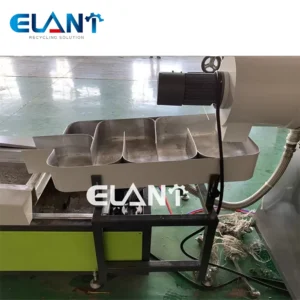
The plastic pelletizing line is a crucial part of the recycling plant, transforming various forms of plastic waste into reusable pellets through effective plastic processing. This article delves into the intricacies of this process, particularly focusing on how Melt filtration issues can significantly impact the quality of the final pellets and the overall stability of production, necessitating a robust solution for plastic recycling..
Understanding Plastic Pelletizing
Overview of Plastic Pelletizing
Plastic pelletizing is a fundamental process within the recycling plant, converting various forms of plastic waste into small, uniform pellets that can be easily processed into new plastic products. The pelletizing line typically involves several stages, beginning with the feeding of pre-processed plastic waste into an extruder, where the plastic is melted and homogenized before being formed into strands and then cut into pellets.
Importance of Pellet Quality
The quality of the final pellets is paramount, as high-quality pellets are essential for producing new plastic products with desirable properties. Poor pellet quality can lead to defects in the end product, increased manufacturing costs, and a reduction in the overall value of the recycled plastic material. Therefore, ensuring uniform pellets is a critical objective of any plastic recycling operation.
Key Components of a Pelletizing Line
A typical plastic pelletizing line comprises several key components, each playing a vital role in the transformation of plastic waste into high-quality plastic pellets. The primary components of a compacting and pelletizing system, including automatic pelletizing features and optimal machine setup, are essential for efficient operation.
| Component | The function of the system is to ensure that molten plastic is shaped into strands and cut into uniform pellets. |
| Feeding System | Introduces plastic material into the line. |
| Extruder | Melts and processes the plastic. |
| Melt filters are critical in the recycling extrusion process to maintain the quality of the final pellets. | The system removes impurities from the molten plastic to ensure the production of valuable pellets. |
| Die Head | The process shapes the molten plastic into strands that are subsequently cut into uniform pellets for further processing. |
| Cooling System | Cools the plastic strands (e.g., water bath for strand pelletizing). |
| Pelletizer or Cutter | Cuts the cooled plastic strands into small pellets that are ready for further processing in the recycling plant. |
Melt Filtration in Plastic Recycling

What is Melt Filtration?
Melt filtration is a critical step in the plastic recycling process, specifically within the pelletizing line, designed to remove contaminants from the molten plastic. As plastic waste often contains impurities such as paper, metal, or other types of plastic materials, filtering the molten plastic ensures that only clean material proceeds to the pelletizing machine, producing high-quality pellets.
Types of Filtration Methods Used
Various melt filtration methods are employed in plastic recycling pelletizing lines, each with its own advantages depending on the types of plastic waste being processed and the desired level of filtration. Common examples of these methods, all aiming to effectively filter the molten plastic before it is formed into strands and then cut into pellets by the cutter, include:
- Screen changers
- Continuous belt filters are vital in enhancing the melt filtration process within the water ring pelletizing systems.
- Piston-type filters are integral to maintaining the efficiency of the water ring pelletizing process.
Common Melt Filtration Problems
Despite its critical role, melt filtration in a plastic pelletizing line can encounter several problems that impact production stability and pellet quality. These often include Screen clogging due to excessive contamination in the molten plastic, leading to increased back pressure on the extruder, reduced throughput, and potential damage to the pelletizing machine, can be mitigated by implementing advanced recycling extrusion techniques.. Inefficient filtration can also result in impurities remaining in the final pellets produced.
Impact of Melt Filtration Issues on Pellet Quality
Defects in Plastic Pellets
Inadequate melt filtration in a plastic pelletizing line can directly lead to numerous defects in the final plastic pellets, significantly compromising their quality. Impurities that are not effectively removed from the molten plastic can manifest as specks, discolorations, or even weak points within the pellet structure, compromising the overall quality of the strands of plastic. Such compromised pellets, once used as raw material, can result in flawed end products, impacting the overall value and usability of the recycled plastic pellets produced.
Effects on Production Stability
Beyond affecting pellet quality, inefficient filtration can lead to increased waste plastic and operational disruptions. Persistent melt filtration issues severely disrupt the production stability of the entire plastic pelletizing line, impacting the quality of valuable pellets produced and their usability in new applications.. Clogged filters lead to increased back pressure on the extruder, causing fluctuations in throughput and potentially requiring frequent shutdowns for maintenance. These interruptions reduce operational efficiency, increase downtime, and elevate production costs, hindering the smooth flow of the plastic recycling process.
Case Studies of Filtration Failures
Numerous case studies in the plastic recycling industry highlight the significant consequences of filtration failures. For instance, a facility processing post-consumer plastic film experienced a drastic reduction in high-quality pellets due to inadequate melt filtration in their recycling extrusion process, leading to customer rejections. Another example involved a recycling pelletizing line for rigid plastic that faced repeated extruder damage and prolonged shutdowns because of unfiltered contaminants, underscoring the critical need for robust filtration systems.
Improving the Pelletizing Process
Enhancing Filtration Efficiency
To produce high-quality pellets consistently, enhancing melt filtration efficiency is paramount in any plastic pelletizing line, particularly in the context of various types of plastic waste, including PET plastic.. This involves selecting appropriate filter types for the specific types of plastic waste being processed, regular maintenance, and timely replacement of filter screens. Advanced filtration technologies, such as continuous screen changers, can significantly improve the removal of contaminants from molten plastic, ensuring uniform pellets and superior recycled plastic in the entire plastic processing workflow.
Choosing the Right Pelletizing Machine
The selection of the right plastic pelletizing machine is crucial for optimizing the entire plastic recycling process and producing high-quality plastic pellets. Different types of plastic materials and forms of plastic waste (e.g., plastic film, rigid plastic) necessitate specific pelletizing methods, such as strand pelletizing or cutter compactor pelletizing. A well-matched pelletizing machine, integrated with an efficient cutter, ensures the consistent production of small pellets with desired characteristics.
Innovations in Plastic Recycling Technology
The field of plastic recycling is continuously evolving with significant innovations aimed at improving the efficiency and output of recycling lines, particularly in the context of PET plastic. New technologies in melt filtration, such as self-cleaning filters and advanced sensor systems, are emerging to prevent screen clogging and maintain consistent melt flow. Furthermore, developments in extruder design and pelletizer technology are enhancing the ability to process diverse types of plastic waste into high-quality pellets, making the plastic recycling process more sustainable and productive.
Types of Plastic and Their Recycling Methods
Rigid Plastic vs. Plastic Film
The distinction between rigid plastic and plastic film is fundamental in plastic recycling, as these types of plastic materials require different approaches in a plastic pelletizing line. Each type of plastic waste requires a tailored pelletizing method to produce high-quality pellets, especially when considering foam plastic recycling and the specific machine configuration needed.
| Plastic Type | Initial Processing Step |
|---|---|
| Rigid Plastic (e.g., containers, bottles) is one of the various types of plastic waste that can be processed in a water ring pelletizing system. | Crushing and washing before extrusion |
| Plastic Film (e.g., post-consumer bags, industrial wrap) must be properly processed to ensure the pellets produced meet quality standards. | Specialized handling, often via a cutter compactor, is essential to densify the material before extrusion and ensure the pellets are dried properly. |
Specifics of PET Pelletizing Lines
PET pelletizing lines are a prime example of specialized plastic recycling machines, designed to process one of the most common types of plastic waste: polyethylene terephthalate. Given its prevalence in bottles and food packaging, an efficient PET pelletizing line is crucial for producing high-quality plastic pellets fed into the extruder. These lines often feature advanced washing and sorting stages to remove contaminants, followed by precise extrusion and strand pelletizing to ensure the final pellets meet stringent quality standards for reuse as raw material.
Cutter Compactor Recycling Systems
Cutter compactor recycling systems are specifically engineered for the challenging task of recycling plastic film and other low-bulk-density plastic scraps, contributing to the overall efficiency of the complete system. In this type of plastic pelletizing, a cutter compactor first densifies the plastic waste by cutting and heating it, preparing it for the extruder, where it is crucial to melt the plastic effectively. This method is highly effective for film recycling, as it allows for a continuous and stable feed of material, producing uniform pellets from post-consumer or industrial plastic film that would otherwise be difficult to process in a standard recycling pelletizing system.
Conclusion
Summary of Key Points
This article has explored the critical role of melt filtration in a plastic pelletizing line and its profound impact on pellet quality and production stability. We’ve seen how efficient filtration is essential for removing contaminants from molten plastic, preventing defects in the final pellets, and ensuring a smooth, continuous plastic recycling process. The right choice of plastic recycling pelletizing machines and an understanding of various types of plastic materials, from rigid plastic to plastic film, are also vital for achieving high-quality recycled plastic.
Future of Plastic Pelletizing and Recycling
The future of plastic pelletizing and plastic recycling is poised for significant advancements, driven by the increasing global demand for high-quality recycled plastic pellets produced. Innovations in extrusion technology, melt filtration, and pelletizing methods are continuously emerging, aiming to make the recycling pelletizing system more efficient and capable of handling diverse types of plastic materials. The goal is to maximize the recovery of plastic waste and produce high-quality pellets that can seamlessly re-enter the manufacturing stream as valuable raw material, ultimately enhancing the entire production line.
Call to Action for Industry Stakeholders
For industry stakeholders involved in plastic recycling, a proactive approach to optimizing the new line for plastic pelletizing is imperative. Investing in advanced melt filtration technologies, selecting appropriate plastic recycling machines for specific types of plastic, and continuously improving the pelletizing process are crucial steps. By prioritizing these aspects, we can collectively enhance the production of high-quality plastic pellets, reduce environmental impact, and build a more sustainable future for the entire plastic industry through efficient recycling plastic waste.