
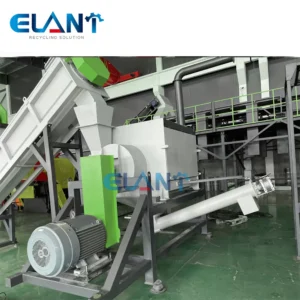
In an era defined by environmental consciousness, the imperative to manage plastic waste effectively has never been more critical. Our state-of-the-art plastic recycling machine offers a robust solution for processing plastic films, transforming what was once considered waste into valuable resources. This comprehensive guide delves into the intricacies of plastic waste management, emphasizing the pivotal role of recycling and exploring the advanced capabilities of our machinery.
Understanding Plastic Waste Management
Effective plastic waste management is a cornerstone of environmental sustainability, aiming to mitigate the adverse impacts of plastic pollution on ecosystems and human health. This multifaceted approach involves a series of steps, from collection and sorting to processing and the ultimate reuse of materials. Understanding these stages is crucial for developing robust recycling systems that can handle the diverse kinds of plastic waste generated globally, especially challenging materials like plastic films.
The Importance of Recycling Plastic
Recycling plastic is paramount for reducing landfill burden and conserving natural resources, shifting away from the linear “take-make-dispose” model towards a circular economy. By choosing to recycle plastic, we can significantly lessen the demand for new plastic production, which in turn reduces energy consumption and greenhouse gas emissions associated with manufacturing virgin materials. This process not only curtails environmental degradation but also fosters sustainable manufacturing practices, creating a more resilient future.
Types of Plastic Waste
The landscape of plastic waste is incredibly diverse, encompassing a wide array of materials with varying chemical compositions and physical properties. Common types include HDPE (high-density polyethylene), used in milk jugs and detergent bottles, and PET (polyethylene terephthalate) bottles, prevalent in beverage containers. In addition to these rigid plastics, flexible materials like plastic films, often found in packaging and agricultural applications, present unique challenges and opportunities for specialized plastic recycling machinery.
Challenges in Plastic Recycling
Despite the clear benefits, plastic recycling faces several formidable challenges, primarily stemming from the diverse nature of plastic materials and the presence of contaminants. Mixed plastics, particularly those with different melting points or chemical structures, complicate the recycling process, often requiring sophisticated separation techniques. Furthermore, contaminated plastics, frequently soiled with food residues or other non-plastic materials, necessitate thorough cleaning processes to ensure the production of high-quality recycled plastic products.
How Our Plastic Recycling Machine Works
Our sophisticated plastic recycling machine is engineered to efficiently process various plastic waste materials, especially challenging plastic films, transforming them into reusable raw material. This modern plastic recycling machine integrates several advanced components and processes, ensuring that even contaminated plastics are thoroughly cleaned and converted into high-quality flakes or pellets, ready for new plastic product manufacturing. The automation and precision of our machinery make the entire recycling process highly effective and sustainable.
Components of the Plastic Recycling Machine
The plastic recycling machine is comprised of several key components, each playing a vital role in the overall recycling system. These include the plastic crusher, often complemented by a specialized plastic shredder, a robust washing line, and an advanced pelletizer. The seamless integration of these machines for plastic processing ensures a comprehensive solution for plastic waste management, capable of handling various kinds of plastic, from rigid plastics to intricate plastic films, with remarkable efficiency and precision.
Functionality of the Plastic Crusher
The plastic crusher, also known as a plastic crusher machine or granulator, is the initial and crucial step in processing plastic waste. Its primary function is to reduce the size of larger plastic materials, such as plastic films or rigid plastics, into smaller, manageable granules or flakes. This high-speed mechanical process is essential for preparing the material for subsequent stages like washing and pelletizing, significantly improving the efficiency of the entire plastic recycling machine by creating a more uniform raw material.
The Role of the Film Washing Line
The film washing line is indispensable for processing contaminated plastics, particularly dirty plastic films. This comprehensive washing system employs a series of steps to effectively remove dirt, contaminants, and residues. The process typically involves friction washers that vigorously clean the plastic flakes, followed by thorough rinsing to ensure high-quality material. A well-designed washing line is critical for producing clean plastic, which is essential for the quality and integrity of the final pellet or new plastic products.
Key Types of Plastic Recycling Machines
The landscape of plastic recycling is diverse, requiring specialized plastic recycling machines tailored to different types of plastic waste and desired end products. From robust shredders that tackle bulky materials to sophisticated pelletizers that convert plastic flakes into uniform pellets, these machines are central to modern plastic waste management. Understanding the distinct functionalities and benefits of each machine helps in designing efficient recycling systems that contribute to a circular economy and reduce waste.
Plastic Shredder and Its Benefits
A plastic shredder is a powerful machine designed to break down large, bulky plastic materials, including bales of plastic films, rigid plastics, and even foam plastic recycling. The primary benefit of using a plastic shredder is its ability to significantly reduce the volume of plastic waste, making it easier to handle, transport, and process further. This initial size reduction is crucial for optimizing the subsequent steps in the recycling line, ensuring a smoother and more energy-efficient operation for the entire plastic recycling machine.
Single Shaft vs. Multi Shaft Shredders
When it comes to shredding plastic, recyclers often choose between single shaft and multi shaft shredders, each offering distinct advantages based on the application. Single shaft shredders, with their robust rotor and cutting blades, are excellent for processing various kinds of plastic into a more uniform flake size. Multi shaft shredders, on the other hand, feature multiple rotating shafts with intermeshing blades, providing a higher throughput and capable of handling more challenging, mixed plastic waste with greater efficiency, offering flexible solutions for plastic size reduction.
Understanding the Pelletizer Process
The pelletizer, or pelletizing machine, is a critical component in the plastic recycling machine, transforming cleaned plastic flakes into uniform pellets. This process, known as extrusion pelletizing, involves feeding the plastic into an extruder, where it is melted and then pushed through a die to form strands. These strands are then cooled and cut into small, consistent pellets, which serve as a high-quality raw material for manufacturing new plastic products. The pelletizer ensures that the recycled plastic is easily manageable and suitable for various manufacturing processes.
Achieving High-Quality Recycled Plastic Films
Importance of Washing and Drying
To achieve high-quality recycled plastic films, the washing line and dryer are paramount in the plastic recycling machine’s configuration. The film washing line is meticulously designed to remove dirt, contaminants, and any residual grime from the plastic films, ensuring that the raw material is exceptionally clean. This thorough plastic washing is crucial because even minor contaminants can degrade the quality of the final pellet, making the reusable plastic less desirable for new plastic products. The dryer then efficiently removes moisture, a critical step to prevent issues like material degradation during the extrusion process and ensure the integrity of the plastic films.
Flake Production and Quality Control
Following the rigorous washing system and drying, the plastic films are processed into high-quality flakes. This stage often involves a specialized plastic crusher machine or granulator, which reduces the plastic into uniform granules. Quality control at this juncture is vital; the flakes must meet specific size and purity standards to ensure they are suitable for subsequent pelletizing. Advanced recycling systems often incorporate automated sorting technologies to further refine the flakes, removing any remaining impurities and ensuring that the final raw material is consistently high-quality, ready for the next phase in the plastic recycling machine.
Applications of High-Quality Recycled Plastic
High-quality recycled plastic, especially from plastic films, has a vast array of applications, transforming plastic waste into valuable resources for sustainable manufacturing. These clean flakes or pellets can be re-extruded into new plastic products, including packaging materials, agricultural films, pipes, and even components for automotive industries. The ability to recycle plastic films into such diverse applications not only helps reduce waste but also lessens the reliance on virgin plastic materials, significantly contributing to a circular economy. The versatility of these reusable plastic materials underscores the efficiency and importance of modern plastic recycling machinery.
Sustainable Manufacturing Practices
Integrating Plastic Recycling in Manufacturing
Integrating plastic recycling into manufacturing processes represents a crucial step towards sustainable manufacturing and efficient recycling. Companies can utilize recycled pellets or flakes as a raw material directly in their production lines, reducing the need for new plastic and lowering energy consumption. This not only offers solutions for plastic waste management but also streamlines the supply chain, as manufacturers can either source recycled materials or establish their own in-house plastic recycling machine for their plastic waste. Such integration fosters a closed-loop system, promoting environmental responsibility and economic efficiency.
Benefits of Sustainable Plastic Management
Sustainable plastic management, facilitated by advanced plastic recycling machinery, offers a myriad of benefits. Firstly, it significantly helps reduce waste sent to landfills, mitigating environmental pollution. Secondly, it conserves natural resources by decreasing the demand for virgin plastic production, which in turn lowers greenhouse gas emissions and energy consumption. Furthermore, adopting efficient recycling and reuse practices can enhance a company’s public image, attract environmentally conscious consumers, and potentially lead to cost savings through reduced material costs and waste disposal fees. It also helps create high-quality, reusable resources from various kinds of plastic.
Future Trends in Plastic Recycling
The future of plastic recycling is poised for significant advancements, driven by innovation in machinery and an increasing global commitment to sustainable practices. Emerging trends include enhanced automated sorting technologies, which can more accurately differentiate between various types of plastic, including challenging mixed plastics and PVC. There’s also a growing focus on chemical recycling processes to complement mechanical recycling, allowing for the breakdown of complex plastic materials into their monomer components, thus enabling the creation of new plastic with virgin-like quality. These developments promise even more efficient recycling systems, capable of handling a wider range of plastic waste, including foam plastic recycling, making the process more effective and sustainable.