
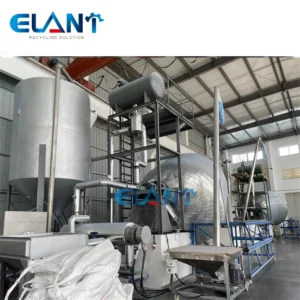
The journey of a PET bottle from waste to a valuable resource is intricate, involving several stages that demand precision and efficiency, particularly in the context of transforming plastic through plastic film shredding. This article delves into the common challenges encountered with PET bottle bales, a crucial starting point in the recycling process, and offers practical solutions to optimize the operation of your PET recycling equipment.
Understanding the PET Recycling Process
Overview of PET Bottle Recycling
PET bottle recycling is a multifaceted process that transforms post-consumer plastic waste, specifically polyethylene terephthalate (PET) bottles, into new, reusable forms through advanced plastic granulators. This intricate recycling process begins with the collection and sorting of plastic bottles, often arriving at the recycling plant in large bales that include various used plastic types. The primary goal of any PET recycling line is to produce high-quality recycled plastic using advanced plastic recycling machines that can transform plastic into valuable resources. High-quality recycled plastic, such as food-grade recycled PET flakes or pellets, is essential for the sustainability of the plastic recycling machine industry., that can be effectively integrated into new production cycles, thereby minimizing environmental impact and promoting a circular economy within the recycling applications of the industry.
Key Components of a PET Recycling Machine
A typical PET recycling machine, or an entire PET recycling line, comprises several key components working in concert to achieve optimal results in the recycling of PET materials. These essential pieces of machinery often include a bale breaker, a shredder or granulator to reduce the size of the PET plastic, an advanced washing machine or a complete washing line to meticulously clean the plastic flakes, and a drying system. For more advanced operations, pelletizing machines are incorporated to convert the flakes into PET pellets, facilitating easier handling and broader applications for the recycled plastic. The careful selection of these components is crucial for an efficient pet recycling system that maximizes output quality and reduces the size of plastic waste.
Types of Plastic and Their Impact on Recycling
The success of PET recycling hinges significantly on accurately sorting plastic types, as the presence of contaminants can complicate the recycling applications. contamination from other plastic materials can severely compromise the quality of the final recycled plastic. While PET plastic (polyethylene terephthalate) is the target, other rigid plastic types, such as HDPE and PVC, often find their way into plastic waste streams, impacting the entire PET recycling process. Efficiently removing these foreign materials is paramount for producing high-quality PET flakes or PET pellets, which are essential for manufacturers seeking reliable PET materials for their new products. Effective separation, facilitated by advanced plastic granulators, ensures the integrity of the food-grade recycled PET flake output, which is crucial for producing high-grade plastic pellets.
Common Problems in PET Bottle Bale Formation

Issues with Bale Density and Quality
One of the primary challenges in PET bottle recycling is achieving optimal bale density and ensuring high-quality bales of high-grade plastic pellets, which is crucial for effective pet plastic recycling. Bales that are too loose or inconsistent in density can lead to inefficiencies in the downstream PET recycling process, affecting the size of plastic pieces., including difficulties in feeding the plastic shredders or granulator. Poor bale quality often stems from inadequate compaction during the baling process, resulting in irregular shapes and sizes that complicate handling and transport within the recycling plant, particularly affecting the PET bottle flakes. This impacts the overall efficiency of the PET recycling line and the subsequent production of high-quality PET flake, essential for successful plastic film shredding.
Contamination in PET Bales
Contamination is a pervasive issue in PET bottle recycling, significantly compromising the quality of the recycled plastic, particularly in the context of PET waste processing and the production of food-grade recycled PET. PET bales frequently contain various non-PET plastic materials, which can hinder the efficiency of the pet bottle recycling machine.Contaminants, such as HDPE, PVC, and other rigid plastic types, alongside non-plastic items like metal, paper, and dirt, can complicate the pet recycling system selection process. This mixed plastic waste necessitates extensive sorting and washing processes in the recycling line to produce clean PET flakes, ensuring the efficiency of the recycling applications for the PET recycling machine selection. Inadequate sorting at the initial stages of the recycling process can lead to lower quality recycled plastic and increased operational costs for the washing line, ultimately affecting the entire bottle recycling process.
Mechanical Failures in Recycling Machinery
Mechanical failures within the PET recycling machinery can severely disrupt the entire recycling of PET process, highlighting the need for reliable equipment.. Components such as the bale breaker, shredder, granulator, or washing machine are susceptible to wear and tear, especially when dealing with high volumes of plastic waste and contaminated bales. Breakdowns in the debaler machine can lead to costly downtime, requiring immediate repair or replacement of parts to maintain the efficiency of the system and the overall waste recycling process. These failures often stem from continuous operation without proper maintenance or from the strain imposed by processing poorly formed or highly contaminated PET bottle bales, impacting the overall recycling system.
Solutions for Effective PET Recycling
Optimizing the Recycling Line for PET Bottles
To enhance the effectiveness of PET bottle recycling, integrating a reliable pet bottle recycling machine that can reduce the size of plastic waste is essential. optimizing the entire recycling line is crucial. This involves careful consideration of each component, from the initial bale breaking to the final plastic pelletizer machines that ensure high-grade plastic pellets are produced. Investing in advanced plastic recycling machinery that offers greater efficiency and durability, such as high-performance shredders and granulators, can significantly improve throughput and reduce energy consumption. Regularly assessing and fine-tuning the washing line parameters, including water temperature and detergent usage, ensures the production of high-quality PET flakes, ready for new PET applications in the pet bottle recycling machine.
Importance of Sorting in the Recycling Process
Effective sorting is paramount to the success of any PET recycling business and is a cornerstone for producing high-quality recycled plastic. Implementing advanced sorting technology, such as optical sorters, can dramatically improve the separation of PET plastic from other plastic types and contaminants, minimizing the presence of undesirable materials in the PET bales. This meticulous pre-processing step reduces the burden on subsequent washing and purification stages, ultimately yielding cleaner PET flakes or PET pellets that meet stringent industry standards for reuse in new products, thereby enhancing the overall recycling process efficiency.
Utilizing Advanced Recycling Technology
Leveraging advanced recycling technology is essential for addressing the complexities of modern PET recycling and improving the efficiency of the recycling pet materials system.. This includes integrating sophisticated plastic pelletizing machines that can transform PET flakes into uniform PET pellets, making them more desirable for manufacturers of pet plastic recycling products. Furthermore, innovations in washing machine technology, such as specialized friction washers and hot washing systems, can effectively remove stubborn contaminants from post-consumer PET bottles, enhancing the bottle washing process. Employing state-of-the-art machinery not only boosts the efficiency of the PET recycling line but also ensures the consistent production of high-quality recycled materials, promoting a more sustainable plastic recycling industry.
Maintaining Your PET Recycling Machine
Regular Maintenance Practices
To ensure the longevity and optimal performance of your PET recycling machine, Regular maintenance practices for the plastic recycling machine are indispensable to ensure optimal performance and longevity in the recycling of PET.. This involves routine inspections of all key components, including the shredder, granulator, and washing machine, to identify any wear and tear or potential mechanical failures in the bottle recycling process. Lubricating moving parts, tightening loose connections, and promptly replacing worn components are crucial steps in preventing costly downtime and maintaining the efficiency of the entire PET recycling line. Adhering to a stringent maintenance schedule extends the lifespan of the plastic recycling machine and guarantees a consistent output of high-quality PET flake, essential for creating high-grade plastic pellets.
Selecting the Right PET Recycling Machine
Choosing the right PET recycling machine is a critical decision that directly impacts the efficiency and profitability of your plastic recycling operation. Considerations should include the machine’s capacity to handle various types of plastic waste, its energy consumption, and the quality of the recycled plastic it produces, such as PET flakes or PET pellets. Researching different manufacturers and their recycling solutions, specifically focusing on the advanced features of their shredders, washing lines, and pelletizing machines, will ensure you invest in a robust recycling system capable of meeting your specific PET bottle recycling needs and producing high-quality recycled plastic.
Upgrades and Innovations in Recycling Machinery
Investing in upgrades and innovations for your recycling machinery is vital for staying competitive in the dynamic plastic recycling industry. Modern advancements often lead to increased efficiency, reduced operational costs, and the ability to process more complex plastic waste streams, including various rigid plastic types and plastic shredders. Upgrading components like the washing machine for more thorough cleaning, or integrating advanced optical sorters into your recycling line, can significantly enhance the quality of your PET flake or PET pellets. These innovations contribute to a more sustainable and economically viable PET recycling process, allowing your recycling business to thrive by producing high-grade plastic pellets.
The Future of PET Recycling
Trends in Plastic Recycling Technology
The future of PET recycling is continuously shaped by emerging trends in plastic recycling technology, aiming for More efficient and sustainable processing of plastic waste, particularly in the context of used plastic waste management, is essential for environmental health.. Innovations include advanced sorting technologies that can differentiate between various plastic types with greater accuracy, and improved washing lines that minimize water consumption while maximizing cleaning effectiveness for PET plastic. Furthermore, the development of more sophisticated plastic pelletizing machines allows for the production of higher-quality PET pellets, expanding their applications in new products made from pet bottle flakes. These technological advancements are crucial for overcoming current challenges in the PET recycling process and driving the industrial recycling sector forward.
Environmental Impacts and Sustainability Goals
Addressing environmental impacts and striving for ambitious sustainability goals are at the core of the PET recycling industry’s future, particularly in transforming plastic waste into valuable resources. By effectively recycling post-consumer PET bottles into new PET materials, the industry significantly reduces the demand for virgin plastic production, thereby conserving natural resources and decreasing greenhouse gas emissions. The goal is to establish a truly circular economy where PET plastic waste is continuously reused, minimizing landfill waste and ocean pollution through an efficient pet recycling system. This commitment extends to optimizing every stage of the PET recycling line, from efficient collection to the production of high-quality recycled plastic, fostering a more sustainable future through innovative PET bottle recycling machines.
Collaboration in the Recycling Industry
Collaboration within the recycling industry is paramount for accelerating progress in PET recycling and achieving shared sustainability objectives related to high-grade plastic pellets.. This involves forging partnerships between plastic manufacturers, recycling plants, technology providers, and government entities to develop comprehensive recycling solutions for PET plastic recycling. Such collaborations can facilitate the sharing of best practices, promote investment in advanced PET recycling machinery and innovative recycling technology, and streamline the entire PET recycling process from bale collection to the production of high-quality PET pellets. By working together, stakeholders can collectively enhance the efficiency of plastic recycling, expand the market for used plastic, and make significant strides towards a more sustainable planet through industrial recycling initiatives.