
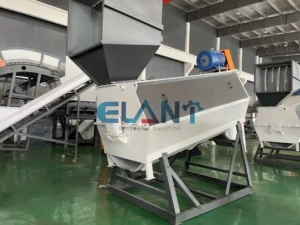
The global effort to combat plastic pollution hinges significantly on effective plastic waste recycling, which transforms molten plastic into new products. While the demand for recycled plastic continues to grow, many in the recycling business grapple with the substantial investment in plastic recycling machines that transform plastic waste into reusable materials. This article delves into the intricacies of plastic recycling, exploring the various types of plastic waste, the critical role of recycling, and the common machinery involved, ultimately addressing whether equipment ROI issues persist for recycling operations.
Understanding Plastic Waste and Recycling
Plastic waste has become a ubiquitous challenge, impacting ecosystems and human health globally. Understanding the fundamental characteristics of plastic material and the mechanisms of the recycling process, including plastic sorting and the role in the plastic recycling, is paramount to developing effective recycling solutions. The sheer volume of waste plastic, including tons of plastic, necessitates robust recycling systems to reduce plastic pollution and conserve resources that would otherwise be used to manufacture new plastic products. The types of plastic recycling and the associated recycling machinery are constantly evolving to meet these demands, with new plastic recycling machines playing a vital role.
Types of Plastic Waste
Plastic waste comes in numerous forms, including a range of plastic pieces, each requiring specific handling during the recycling process, especially when considering the type of plastic being processed. Common types of plastic and their uses are: plastic films, which are increasingly utilized in packaging solutions.
| Plastic Type | Common Uses |
|---|---|
| PET (polyethylene terephthalate) | Plastic bottles are a common type of plastic material that can be effectively processed through recycling methods. |
| HDPE (high-density polyethylene) is a commonly used type of plastic being processed in recycling facilities. | Rigid plastic containers are often used in conjunction with plastic films for various applications. |
| PP (polypropylene) is a type of plastic material that is commonly used in plastic recycling. | Caps, automotive parts |
Identifying and segregating these different types of plastic is a crucial first step for any successful recycling operation, particularly in pet bottle recycling., as contamination can severely impact the quality of the recycled plastic material and the efficiency of the plastic recycling plant.
The Importance of Recycling Plastic
Recycling plastic is no longer merely an environmental preference but a global imperative. The continuous accumulation of plastic items in landfills and oceans underscores the urgent need to recycle plastic to mitigate plastic pollution. By choosing to recycle plastic, we can significantly reduce the demand for new plastic production, conserving valuable fossil fuels and decreasing greenhouse gas emissions. This also fosters a circular economy where plastic waste is transformed into valuable resources, enabling the manufacture of new plastic products from recycled materials.
Common Plastic Recycling Machines
The journey of waste plastic through a recycling plant involves several specialized machines. A typical complete recycling line often begins with equipment, such as a shredder or granulator, to break down large plastic items into smaller, manageable pieces and melt plastic into uniform pellets. Following this, a washing line meticulously cleans the shredded plastic pieces, removing contaminants to enhance the quality of the recycled material. Subsequent stages often include a dryer and an extruder, which transforms the clean plastic flakes into plastic pellets, ready for reuse, while the plastic is shredded beforehand. The right plastic recycling equipment is pivotal for an efficient and profitable recycling operation, especially when processing plastic waste..
| Stage | Typical Equipment |
|---|---|
| Initial breakdown of plastic materials is vital in the recycling process, as it prepares the plastic for further processing. | A shredder or granulator is essential in the recycling process, enabling the transformation of plastic into uniform pellets. |
| Cleaning plastic waste is a crucial step that often involves using plastic washing machines to ensure quality recycling. | Washing Line |
| Transformation | Dryer, Extruder |
Types of Plastic Recycling Machines

Granulators in Plastic Recycling
Granulators are a fundamental type of plastic recycling machine, essential for processing various forms of plastic waste into smaller pieces.. These plastic granulators are designed to take larger plastic items or shredded plastic material and reduce them into uniform plastic flakes or granules. This size reduction is a critical step in the overall recycling process, as it prepares the plastic for subsequent stages such as washing and extrusion, ensuring a more efficient and effective plastic recycling process.
Shredders and Their Role
Plastic shredders play an indispensable role in any comprehensive plastic recycling plant, particularly when dealing with rigid plastic or large plastic items. A plastic shredder efficiently breaks down bulky plastic waste into smaller, more manageable pieces, which significantly reduces the volume of the plastic material. This initial shredding is vital for improving the capacity and efficiency of subsequent recycling equipment, such as granulators and washing lines, and for reducing the size of plastic for better processing.
Washing Lines for Plastic Materials
Washing lines are a cornerstone of plastic recycling, especially for contaminated plastic waste. These systems are specifically designed to clean shredded or granulated plastic material, removing impurities like labels, dirt, and residual products that can compromise the quality of the recycled plastic. A thorough plastic washing process ensures that the resulting plastic flakes or plastic pellets are clean and high-quality, ready for the manufacture of new plastic products, thereby improving the value of the recycled plastic.
Choosing the Right Plastic Recycling Equipment
Factors Influencing Equipment Selection
Selecting the right plastic recycling equipment is paramount for the success of any recycling operation. Several factors influence this crucial decision. A thorough understanding of these factors and the end-product requirements will guide the selection of appropriate recycling machinery to ensure an efficient plastic recycling process.
| Decision Factor: the efficiency of recycling operations relies heavily on the type of plastic material being processed. | Key Consideration: the choice of equipment can significantly impact the cost-effective recycling of various types of plastic material. |
|---|---|
| Plastic Waste | Specific types to be processed |
| Output Quality | Desired standard for plastic recycling processes often includes the effective use of the right plastic recycling machine. |
| Plant Capacity and efficiency can be enhanced by investing in the right equipment. | The overall recycling plant size can affect the efficiency of processing tons of plastic waste, especially when industrial recycling methods are employed. |
| Equipment Examples | Shredders, granulators, washing lines |
Cost Analysis of Plastic Recycling Machines
A comprehensive cost analysis of plastic recycling machines is essential before starting a plastic recycling business. This involves evaluating not only the initial plastic recycling machine cost but also ongoing operational expenses, including energy consumption, maintenance, and labor. Understanding the financial implications of different types of plastic recycling machines and complete recycling lines allows recycling facilities to make informed decisions that contribute to the long-term profitability and sustainability of their recycling business.
Evaluating ROI for Recycling Equipment
Evaluating the return on investment (ROI) for recycling equipment, particularly for pet bottle recycling, is a critical step for any recycling business considering an investment in plastic recycling equipment.. This assessment involves projecting the revenue generated from selling recycled plastic pellets against the total cost of the recycling systems, including the initial purchase, operational expenses, and maintenance. A positive ROI indicates that the chosen recycling solution, including the right equipment, will be profitable, helping to reduce plastic pollution while also yielding financial benefits for the recycling plant.
Challenges in Plastic Recycling Systems
Common Issues with Recycling Equipment
Despite significant advancements in the recycling sector, challenges remain in efficiently processing various types of plastic being processed. Common issues with plastic recycling machines, such as the need for a plastic crusher, often hinder the efficiency and profitability of a recycling operation.. Frequent breakdowns, wear and tear on components, and the need for constant maintenance can lead to considerable downtime in the operations of a recycling equipment manufacturer. These operational challenges directly impact the throughput of waste plastic and the quality of the recycled plastic material, subsequently affecting the overall return on investment for the recycling equipment. Addressing these issues is crucial for any recycling business considering starting a plastic recycling operation aiming to optimize its recycling process and reduce plastic pollution effectively.
Drives Behind Plastic Recycling Challenges
Several factors drive the persistent challenges faced by the plastic recycling industry. The sheer diversity of plastic material, from flexible films to rigid plastic, complicates the recycling process, as different types of plastic require distinct processing methods. Contamination in waste plastic streams is another major hurdle, necessitating extensive plastic washing lines and sorting mechanisms. Moreover, fluctuations in the market price for recycled plastic pellets can undermine the financial viability of a plastic recycling plant, making it difficult to sustain a profitable recycling business.
Strategies to Improve Equipment Efficiency
To overcome these challenges, investing in the right equipment is essential. Adopting strategic approaches to improve equipment efficiency, including selecting the right equipment for melting plastic, is paramount.. Regular preventative maintenance schedules for every plastic recycling machine, from shredders to granulators, can significantly reduce unexpected breakdowns and extend the lifespan of the recycling equipment. Investing in advanced sensor technology for sorting can improve the purity of the plastic material, while continuous training for operators ensures optimal use of recycling machinery. These measures contribute to a more robust and profitable recycling operation, helping to reduce plastic waste more effectively.
The Future of Plastic Recycling
Innovations in Recycling Technology
The future of plastic recycling is being shaped by groundbreaking innovations in recycling technologyAdopting innovative technologies, such as film recycling lines, offers promising solutions to current challenges. Advanced sorting systems utilizing artificial intelligence and robotics are enhancing the identification and separation of different types of plastic, even for mixed plastic waste. Chemical recycling processes are gaining traction, allowing for the breakdown of plastic material into its original monomers, which can then be used to manufacture new plastic with virgin-like quality. These technologies, such as advanced plastic bottle recycling machines, are set to revolutionize how we recycle plastic, making the recycling process more efficient and sustainable by ensuring that it effectively melts the plastic.
Environmental Impact of Improved Recycling Systems
Improved recycling systems will have a profound positive environmental impact, significantly contributing to the reduction of plastic pollution and the conservation of natural resources through effective processing plastic techniques. By increasing the efficiency and capacity of plastic recycling plants, more waste plastic can be diverted from landfills and oceans, lessening its ecological footprint. The ability to recycle plastic more effectively also reduces the demand for new plastic production, thereby lowering greenhouse gas emissions and energy consumption associated with manufacturing virgin plastic products. This fosters a more circular economy and promotes sustainable development.
Trends in Plastic Waste Management
Current trends in plastic waste management indicate a strong move towards comprehensive, integrated approaches that prioritize circularity and sustainability. There’s a growing emphasis on product design for recyclability, where manufacturers consider the end-of-life of plastic items from the outset. Extended producer responsibility (EPR) schemes are becoming more prevalent, holding producers accountable for the entire lifecycle of their plastic products. Furthermore, an increased focus on public awareness and participation in recycling initiatives, coupled with advancements in recycling equipment, is creating a more robust and effective global effort to manage and recycle plastic waste.