
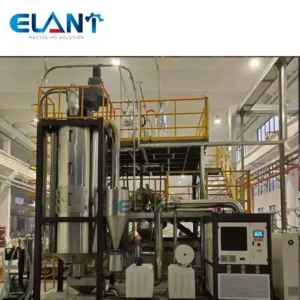
Maintaining stable performance during the hot washing phase is crucial for plastic bottle recycling machines to produce high-quality recycled materials, especially when using plastic bottle recycling methods and water and detergent for thorough cleaning to meet environmental regulations. This article delves into the innovative strategies and engineering marvels that enable these machines to withstand the rigors of hot washing, ensuring an efficient and effective plastic recycling process while adhering to environmental regulations.
Introduction to Plastic Bottle Recycling
The Importance of Recycling Plastic Bottles
The imperative to recycle plastic bottles has never been greater, driven by growing environmental concerns and the finite nature of virgin plastic resources, highlighting the need for efficient recycling practices. Plastic recycling plays a pivotal role in mitigating pollution, conserving energy, and reducing landfill waste, especially through the effective use of bottle crushers and high-capacity pelletizers. By engaging in plastic bottle recycling, we transform used plastic bottles, which might otherwise contribute to environmental degradation, into valuable raw materials in the form of flakes or pellets for reuse in new plastic products.
Overview of Plastic Bottle Recycling Machines
Plastic bottle recycling machines are sophisticated pieces of machinery designed to process plastic waste into reusable materials while protecting the environment. A typical plastic bottle recycling machine encompasses various stages, from sorting and shredding to washing and pelletizing, all essential for complete recycling and protecting the environment, particularly through the use of recycled PET flakes in municipal waste management. These recycling machines are engineered to handle different types of plastic, such as PET, HDPE, and PP, preparing them for their transformation into high-quality flakes or pellets, essential for the manufacturing of new plastic products.
Benefits of Using Recycling Machines in Waste Management
The benefits of integrating recycling machines, such as granulators and pelletizers, into waste management strategies are extensive for complete recycling initiatives that aim at reducing environmental impact. These plastic recycling machines significantly enhance the efficiency of processing municipal waste, converting what was once considered refuse into valuable plastic pellets or flakes through complete recycling. This not only reduces the volume of plastic waste but also fosters a circular economy by providing a sustainable source of plastic materials, thereby decreasing reliance on virgin plastic and supporting a robust recycling business.
Components of Plastic Bottle Recycling Machines

The Role of Shredders and Crushers
In the initial stages of plastic bottle recycling, high-capacity shredders and single shaft crushers play a crucial role in reducing the size of municipal waste into flakes for reuse. A plastic shredder or plastic crusher efficiently breaks down bulky plastic materials, including used plastic bottles and plastic films, into smaller plastic pieces, which can then be processed into recycled PET flakes. This pre-processing step is vital for the subsequent stages of the plastic recycling process, making the materials easier to handle and more efficient to wash and sort, especially in equipment for processing.
Understanding the Washing Line in Recycling
The washing line is an indispensable component of any plastic bottle recycling machine, ensuring that plastic waste is thoroughly cleaned with water and detergent before further processing, ultimately leading to cost savings. This segment of the recycling machinery removes contaminants such as labels, caps, dirt, and residual liquids from plastic bottles, HDPE, PP, and PET plastic, ensuring the quality needed for efficient recycling. An effective washing line, often featuring a dedicated plastic washing machine, is critical for producing high-quality flakes or pellets, directly impacting the value of the recycled plastic, especially when clean PET bottles are prioritized.
Importance of Pelletizers in the Recycling Process
Pelletizers are essential for transforming cleaned and dried plastic flakes into uniform plastic pellets, which are highly sought after in the manufacturing industry for their high throughput. These plastic pelletizers melt the plastic, including PVC and PET, and extrude it through a die, cutting it into small, consistent pellets for recycling, which are essential for efficient recycling efforts and reducing environmental impact. This pelletizing process significantly increases the density and uniformity of the recycled plastic materials, making them suitable for a wide range of new plastic products and enhancing their marketability within the recycling business.
Hot Washing Process in Plastic Recycling
What is Hot Washing and Its Significance?
Hot washing is a critical step in the plastic bottle recycling process, particularly for PET bottle recycling, as it effectively removes stubborn contaminants like glues, oils, and difficult-to-clean residues that cold washing might miss. This process involves submerging plastic flakes in hot water, often treated with detergents, to thoroughly clean the material, which is crucial for the production of high-quality recycled PET flakes. The significance of hot washing lies in its ability to deliver exceptionally high-quality PET flakes, crucial for manufacturing clear and pristine new plastic products, thereby boosting the value of the recycled plastic.
Maintaining Temperature Stability During Hot Washing
Maintaining precise temperature stability during the hot washing phase, particularly for PET bottle washing, is paramount for the optimal performance of a plastic bottle recycling machine and the quality of clean PET bottles. Fluctuations in temperature can compromise cleaning efficiency and even damage the plastic material, especially PET plastic. Advanced recycling machinery incorporates sophisticated control systems to ensure consistent heat distribution and water temperature, guaranteeing that the plastic washing process is both effective and gentle on the plastic pieces, leading to superior plastic flakes.
Challenges Faced by Recycling Machines in Hot Washing
Recycling machines encounter several challenges during the hot washing process, primarily related to energy consumption and the durability of components involved in PET bottle washing, which is crucial for maintaining clean PET bottles. High temperatures and corrosive cleaning agents can accelerate wear and tear on the washing machine parts, requiring robust engineering and materials. Furthermore, efficient water filtration and recirculation systems are essential to minimize water usage and waste, making hot washing a complex but vital stage in achieving high-quality recycled plastic materials.
Ensuring Stable Performance of Recycling Machines
Regular Maintenance Practices for Plastic Recycling Machinery
Regular and meticulous maintenance practices are paramount for ensuring the stable and efficient performance of plastic recycling machinery, especially those involved in the rigorous hot washing stage. Proactive upkeep of every plastic bottle recycling machine component, from the plastic shredder to the pelletizing system, prevents unexpected breakdowns and extends the lifespan of the equipment, ensuring efficient recycling. This includes routine inspections, lubrication of moving parts, and timely replacement of worn-out components within the washing line and shredder units, crucial for processing plastic waste effectively.
Innovations in Machinery Design for Enhanced Performance
Innovations in the design of recycling machinery continually push the boundaries for enhanced performance and durability, particularly in machines that are used for film washing to improve throughput and reduce waste. Modern plastic bottle recycling machines feature advanced materials and engineering techniques that resist corrosion and wear, particularly critical for components exposed to hot water and chemicals during the plastic washing process. The integration of smart sensors and automation allows for real-time monitoring and adjustments, optimizing the performance of the entire recycling line and ensuring high-quality output of plastic flakes or plastic pellets from the plastic recycling plant.
Monitoring and Troubleshooting Common Issues
Effective monitoring and rapid troubleshooting of common issues are essential for maintaining the stable operation of any plastic recycling factory, especially when using machines for processing to ensure high throughput. Advanced plastic bottle recycling machines are equipped with sophisticated diagnostic systems that can identify potential problems early, such as blockages in the plastic crusher or inefficiencies in the washing machine. Prompt intervention, guided by detailed operating manuals and skilled technicians, minimizes downtime and ensures the continuous processing of plastic waste, leading to a consistent supply of recycled plastic materials for new plastic products.
Conclusion and Future of Plastic Bottle Recycling
The Role of Technology in Advancing Recycling Efforts
Technology plays an indispensable role in advancing plastic recycling efforts, making the process more efficient, sustainable, and capable of handling diverse plastic waste streams, including those from shredders and granulators. From advanced sorting technologies that accurately segregate different types of plastic (PET, HDPE, PP) to sophisticated plastic shredder and plastic crusher machines that efficiently break down materials, technology enhances every stage of the plastic bottle recycling process. Automation in plastic washing, pelletizing, and quality control ensures high-quality plastic flakes and plastic pellets, driving the circular economy forward and contributing to cost savings for manufacturers.
Encouraging Sustainable Practices in Plastic Recycling
Encouraging sustainable practices in plastic recycling is vital for the long-term health of our planet and the profitability of the recycling business, particularly through the use of advanced machines that enhance film recycling. This involves not only optimizing the energy and water efficiency of recycling machinery, like the plastic washing machine, but also promoting the use of recycled plastic materials in new plastic products. Education on the benefits of recycling plastic bottles and supporting R&D in developing more sustainable recycling lines can significantly reduce reliance on virgin plastic and minimize environmental impact.
Outlook for the Future of Plastic Bottle Recycling Machines
The outlook for the future of plastic bottle recycling machines is bright, with continuous innovation focusing on greater efficiency, versatility, and sustainability in machines used for processing to protect the environment. Future plastic bottle recycling machinery will likely feature enhanced automation, artificial intelligence for improved sorting and quality control, and designs that consume less energy and water while efficiently recycling PET bottles. The ability to process an even wider range of plastic waste, including complex plastic films and multi-layered plastic pieces, will further establish plastic bottle recycling as a cornerstone of global waste management and resource conservation.