
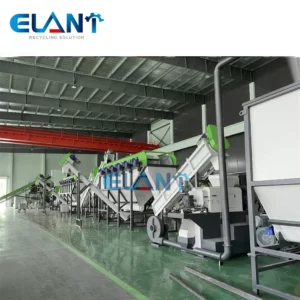
The friction washer machine plays a pivotal role in modern plastic recycling, particularly for challenging materials like plastic films. This article delves into the critical function of a friction washer, exploring its design, operation, and the benefits it offers in producing clean, high-quality recycled plastic.
Introduction to Plastic Recycling
The Importance of Recycling Plastic
Recycling plastic is more crucial than ever in our efforts to combat environmental pollution and conserve natural resources. The continuous accumulation of plastic waste necessitates efficient plastic recycling solutions, transforming discarded materials into valuable resources. This process not only reduces landfill burden but also minimizes the demand for new plastic production, contributing significantly to a sustainable future and a circular economy for various applications.
Overview of Plastic Films and Their Uses
Plastic films are ubiquitous, found in countless everyday applications, from packaging food and consumer goods to agricultural covers and industrial wraps. These versatile materials, often made from PP (polypropylene) and PE (polyethylene), offer flexibility and protection, but their widespread use also makes them a significant component of the waste stream. Effectively recycling these plastic films is paramount due to their sheer volume and the challenges they present in the recycling process.
Challenges in Plastic Recycling
Recycling plastic, especially plastic films, presents several challenges, primarily due to the presence of various contaminants such as dirt, sand, labels, and residual product. Traditional mechanical recycling methods often struggle to adequately clean these films, leading to lower-quality recycled plastic. Achieving truly clean plastic is essential for its reuse in manufacturing new products, highlighting the need for advanced washing and cleaning machinery in the recycling line.
Understanding the Friction Washer
What is a Friction Washer?
A friction washer is a specialized piece of machinery in the plastic recycling line designed to vigorously clean plastic films and other plastic waste. It employs mechanical friction and water to effectively remove contaminants like dirt, sand, and labels from the plastic material. This essential washing machine plays a crucial role in preparing plastic for further processing, ensuring a high-quality end product suitable for various applications in the recycling industry.
How High-Speed Friction Works
The core principle of a friction washer relies on high-speed friction generated by rotating elements within the machine. As plastic films or flakes enter the washing tank, they are subjected to intense mechanical action from rapidly moving paddles or rotors. This high-speed friction, combined with water, effectively scrubs the surface of the plastic, dislodging and separating contaminants. This process is far more effective than simple soaking, leading to a much cleaner plastic output.
Components of a High-Speed Friction Washer
A typical high-speed friction washer comprises several key components working in concert to achieve optimal cleaning. These include:
| Component | Function |
| Washing tank | Robust container for the washing process |
| Motor | Drives the high-speed rotors or paddles |
| Water circulation system | Ensures efficient water use and movement |
| Screw conveyor (in advanced models) | Facilitates continuous material feeding and discharge |
These components enhance the overall efficiency of the plastic recycling process and ensure thorough washing.
Application of Friction Washers in Plastic Recycling

Processing Plastic Films Effectively
Friction washers are particularly adept at processing plastic films, which often present significant challenges due to their surface area and tendency to trap dirt. The vigorous washing action of the high-speed friction washer is highly effective in separating contaminants from the film, transforming dirty waste into clean plastic. This crucial step in the recycling line prepares the film for subsequent stages like drying and pelletizing, making it suitable for manufacture into new products.
Benefits of Using a Friction Washer Machine
The benefits of incorporating a friction washer machine into a plastic recycling line are substantial. It significantly improves the cleanliness of recycled plastic, leading to higher quality flakes and a more valuable end product. By effectively removing contaminants, it enhances the overall efficiency of the recycling process, reduces maintenance on downstream machinery, and enables a wider range of applications for the recycled plastic, contributing to a truly circular economy.
Case Studies of Successful Applications
Numerous case studies demonstrate the successful application of friction washers in plastic recycling. For instance, facilities processing agricultural plastic films (often made from PE and PP) have seen remarkable improvements in their clean plastic yield after integrating high-speed friction washers. Similarly, operations dealing with contaminated PET bottle flakes have found that the vigorous washing action effectively removes labels and residual glues, producing a much cleaner flake ready for high-grade applications.
Operational Insights
How to Operate a Friction Washer
Operating a friction washer machine efficiently is key to maximizing its performance in any plastic recycling line. The process typically begins with feeding pre-shredded plastic films or flakes into the washing tank, often assisted by a screw conveyor for continuous material flow. Once inside, the high-speed rotors or paddles generate intense high-speed friction, combined with water, to vigorously wash and clean the plastic.
| Process Step | Key Action/Detail |
|---|---|
| Material Feeding | Pre-shredded plastic films or flakes fed into washing tank, often by screw conveyor. |
| Washing Action | High-speed rotors or paddles generate intense friction with water for vigorous cleaning. |
| Operational Monitoring | Operators monitor water levels and discharge rates. |
| Goal | Optimal contaminant removal and efficient washing for clean plastic output. |
Maintenance Tips for Optimal Performance
Regular maintenance is crucial for ensuring the longevity and optimal performance of a high-speed friction washer. This includes routine inspection of the high-speed rotors and paddles for wear and tear, as well as checking the motor and bearings for any signs of stress. Cleaning out the washing tank regularly prevents the buildup of residue and contaminants, which can impede the machine’s efficiency. Adhering to a strict maintenance schedule not only extends the life of the plastic recycling machinery but also guarantees consistent production of high-quality clean plastic, reducing downtime in the recycling line.
Common Issues and Solutions
Despite their robust design, friction washers can encounter common operational issues that affect their efficiency in the plastic recycling process. Addressing these promptly, often through mechanical adjustments or component replacement, ensures the continued production of clean plastic.
| Operational Issue | Potential Cause / Solution |
|---|---|
| Insufficient contaminant removal | Worn paddles or inadequate water supply in the washing tank (requiring replacement or adjustment) |
| Clogging of screw conveyor or discharge points | Sticky plastic films (necessitating regular cleaning and monitoring of material flow) |
Customizing Your Recycling Solution
Choosing the Right Machine for Your Needs
Selecting the appropriate friction washer machine is paramount for any plastic recycling operation, depending on the type and volume of plastic waste, be it rigid plastic or flexible plastic films. Factors such as the desired throughput, the level of contamination, and the specific types of plastic (e.g., PP, PE, PET bottle flakes) will influence the choice of machine, including its size, motor power, and screw design. A well-matched high-speed friction washer is a critical investment that enhances the overall efficiency and effectiveness of the entire recycling line, providing a tailored solution to achieve clean plastic.
Adjustments for Different Plastic Types
A versatile friction washer should allow for adjustments to effectively process different plastic types. For example, processing rigid HDPE plastic might require different rotor speeds or water flow rates compared to delicate plastic films to optimize the high-speed friction and minimize material degradation while maximizing contaminant removal. Adjusting the retention time within the washing tank, often controlled by the screw conveyor’s speed, can also improve the cleaning of highly contaminated plastic. These customizable settings ensure that the machine can handle a wide array of plastics, including PET bottle flakes, producing consistent clean plastic.
Future Trends in Plastic Recycling Technology
The future of plastic recycling technology is moving towards even greater automation and integration, with advanced friction washer designs playing a key role. Innovations include intelligent sensor systems to monitor contamination levels in real-time and self-cleaning mechanisms to enhance operational efficiency and reduce manual intervention. Furthermore, the development of more energy-efficient motors and improved mechanical designs will contribute to sustainable processing, ensuring that the next generation of high-speed friction washers continues to elevate the cleanliness and value of recycled plastic in the global recycling industry.