
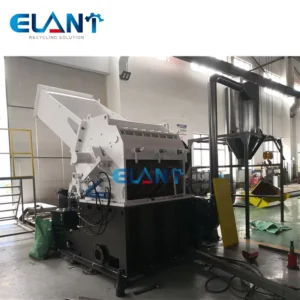
Plastic recycling operations are essential for sustainability, yet they often face significant challenges, particularly concerning the performance and maintenance of crushers. Understanding and addressing these common problems can significantly enhance efficiency, reduce downtime, and improve the quality of recycled plastic. This article will help you identify, troubleshoot, and mitigate the most frequent issues encountered with plastic granulators and other crushing equipment.
Understanding Common Problems in Plastic Recycling
Plastic recycling operations are a cornerstone of modern sustainability efforts, transforming waste into valuable resources. However, the efficiency of these operations often hinges on the reliability of the machinery involved, especially the crusher or plastic granulator. When these crucial components face common problems, it can lead to significant disruptions in the production line, affecting everything from material flow to the final product quality of recycled plastic.
Identifying Common Issues with Crushers
Identifying common problems with crushers in a plastic recycling machine is the first step toward effective troubleshooting and maintenance. Issues such as unusual noises, decreased throughput, or visible signs of wear can indicate underlying problems. Regular inspection of the crusher’s components, including the rotor and blades, is vital to catch potential issues early and prevent more severe damage or prolonged downtime in your plastic recycling operations.
Impact of Oversized Materials on Operations
Oversized materials can significantly impact plastic recycling operations, often leading to severe common problems within the crusher. When material that is too large enters the hopper, it can cause a blockage, putting undue stress on the equipment and potentially leading to an overheat situation. This obstruction can reduce throughput, increase energy consumption, and even damage the rotor or other critical components of the plastic granulator, necessitating costly repairs and downtime.
Signs of Clogging in Plastic Crushers
Clogging is a frequent and frustrating issue in plastic recycling operations, often manifesting through several distinct signs, including:
- A noticeable reduction in throughput, unusual vibrations, or a complete stoppage of the material flow from the hopper.
- The motor struggling or even overheating as it tries to process the accumulated plastic.
These indicators signify an urgent need to inspect and clear the obstruction to prevent further damage to the plastic crusher and minimize downtime.
Preventive Measures for Effective Plastic Recycling
Regular Inspection and Maintenance of Crushers
Regular inspection and maintenance are paramount to preventing common problems in plastic recycling operations and ensuring a smooth material flow. Proactive checks of your plastic granulator can identify potential issues before they lead to significant downtime. These checks should include:
- The rotor, screen, and drive system of your granulator.
- Inspecting for wear and tear on critical components.
Implementing a consistent lubrication schedule and inspecting for wear and tear on critical components will extend the lifespan of your crusher and maintain optimal throughput. High-quality crusher spare parts will also minimize future breakdowns. To purchase the best parts for your business, visit our website.
Best Practices to Prevent Clogs in the Recycling Process
Preventing clogs is crucial for efficient plastic recycling operations. To ensure smooth operation and minimize downtime, it’s important to follow best practices:
- Ensure proper material preparation, such as pre-sorting and pre-shredding oversized materials, to avoid blockages in the hopper and crusher.
- Maintain a consistent feeding rate into the plastic granulator to prevent the material from bridging and creating an obstruction.
- Regularly clean the screen and discharge chutes to prevent accumulation that can lead to clogs, ensuring continuous material flow.
To learn more about our feeding systems, visit our website.
Monitoring Blades Wear in Plastic Granulators
Monitoring blade wear in plastic granulators is a critical preventive measure to maintain efficiency and avoid common problems like reduced throughput and poor particle size consistency. Dull blades can lead to increased energy consumption, higher operating temperatures, and ultimately, a decrease in the quality of recycled plastic. Regular inspection of the blades allows for timely sharpening or replacement, ensuring optimal cutting performance and preventing unnecessary stress on the motor and other components of the plastic recycling machine. You can find new blades for your granulator on our website.
Troubleshooting and Solutions for Crushers

Steps to Troubleshoot Common Crusher Problems
Effectively troubleshooting common problems in plastic recycling operations involves a systematic approach to quickly identify and resolve issues, minimizing downtime. Begin by checking for any visible blockages or obstructions in the hopper and around the rotor. If no obvious clog is present, inspect the motor for signs of overheating or unusual noises, which could indicate a mechanical issue. Review the control panel for error codes and ensure all safety mechanisms are functioning correctly to restore optimal material flow and throughput.
Adjusting Settings for Optimal Extrusion
Adjusting settings for optimal extrusion is critical in plastic recycling operations, directly impacting the quality of the recycled plastic and overall throughput. Proper temperature control, specifically of the melted plastic in the extruder, is paramount to prevent degradation or premature solidification. Fine-tuning parameters like screw speed and die head pressure can optimize material flow, ensuring consistent particle size and preventing common problems such as oversized or bridge formation, leading to superior plastic pellets.
When to Replace Your Plastic Extruder
Knowing when to replace your plastic extruder is vital for maintaining efficiency and product quality in plastic recycling operations, preventing excessive downtime due to common problems. Key indicators include consistent decreases in throughput, frequent breakdowns requiring extensive repairs, or an inability to achieve desired plastic pellet quality even after adjustments. An aging extruder that constantly overheats or exhibits severe wear on critical components, despite regular maintenance and lubrication, signifies it’s time to invest in a new, more efficient model to enhance your recycling line.
Enhancing Efficiency in Plastic Recycling Operations
Integrating Advanced Technology in Crushers
Integrating advanced technology into crushers significantly enhances efficiency in plastic recycling operations, addressing common problems like inconsistent particle size and throughput. Modern crushers feature smart sensors that monitor material flow and detect potential blockages or contamination, reducing downtime. Automated feeding systems, coupled with optimized rotor designs, ensure a more uniform reduction of oversized materials, producing higher quality plastic granules and ultimately improving the entire production line. Explore our advanced crusher models on our website.
Improving the Pelletizing Process
Improving the pelletizing process is crucial for enhancing the efficiency of plastic recycling operations and achieving high-quality recycled plastic. This involves optimizing the melt filtration to remove impurities and ensuring precise temperature control within the plastic pelletizer. Utilizing advanced die head designs and cooling systems can produce consistent plastic pellets free from contamination. A more efficient pelletizing process directly reduces common problems like inconsistent product quality and increases overall throughput, making your recycling line more productive. Discover our pelletizing solutions for your recycling line.
Choosing the Right Equipment for Your Recycling Needs
Choosing the right equipment for your plastic recycling needs is fundamental to establishing an efficient and profitable recycling line, proactively addressing common problems. Consider the type of plastic you primarily process, the desired throughput, and the end product quality of the recycled plastic. Investing in a robust plastic granulator with durable blades, an efficient plastic extruder, and reliable downstream equipment will minimize downtime and prevent issues like contamination or oversized materials. Our experts can help you select the ideal machinery to optimize your plastic recycling operations.