
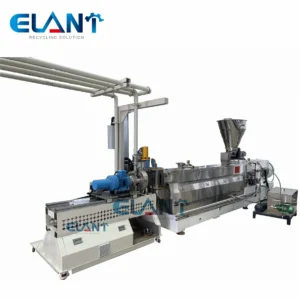
The rPET recycling process transforms used PET bottles into valuable raw material for fiber applications. Each year, the industry collects millions of tons of PET bottles for recycling. In 2011, the global volume reached approximately 7.5 million tons. Key technical challenges affect fiber-grade output quality. These include:
- Feedstock volatility, which causes inconsistent fiber properties.
- Contamination from improper sorting, which lowers rPET quality.
- Color inconsistency, which complicates achieving uniform final products.
These factors set clear expectations for the technical and quality hurdles in producing fiber-grade rPET.
Key Takeaways
- The rPET recycling process involves collection, sorting, cleaning, extrusion, and pelletizing, each crucial for producing high-quality fiber-grade output.
- Contamination is a major challenge in rPET recycling. Effective sorting and cleaning are essential to remove impurities and maintain fiber integrity.
- Polymer degradation can occur during recycling due to high temperatures and moisture. Proper temperature control is vital to preserve material properties.
- Investing in advanced sorting technologies and chemical recycling methods can significantly improve the purity and quality of rPET for fiber applications.
- Maintaining strict quality control throughout the recycling process ensures consistent fiber performance and meets industry standards.
rPET Recycling Process Overview
Collection and Sorting
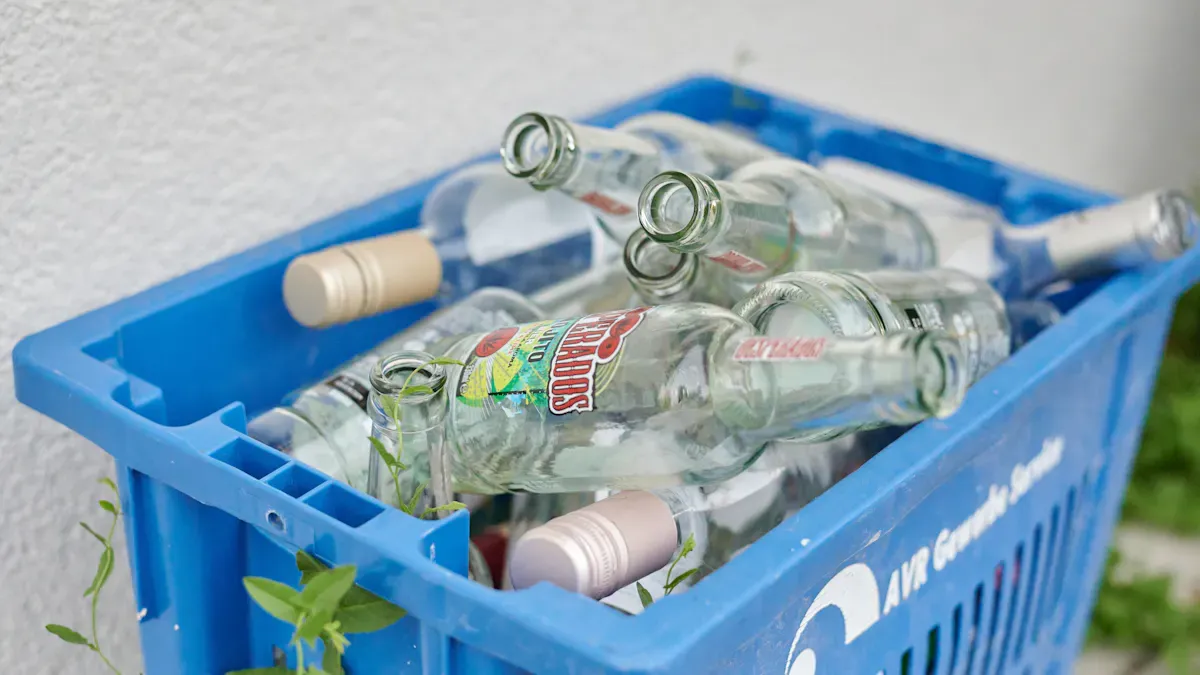
The rPET recycling process begins with the collection and sorting of post-consumer PET bottles. This stage is critical for fiber-grade output. Strict raw material sourcing ensures that only high-quality PET bottles enter the recycling stream. Baled bottles undergo preliminary sorting, but secondary sorting is necessary to remove contaminants and non-PET materials. Automated sorting systems, such as Near-Infrared (NIR) sorters and color sorters, efficiently separate PET bottles by polymer type and color. Manual quality control stations provide oversight to maintain accuracy.
Efficient sorting and separation processes are essential for maintaining material purity. High-quality rPET is often produced from clear beverage bottles collected through controlled recycling systems. The purity of rPET pellets depends on the quality of the recycled feedstock used during production.
| Technology Type | Description |
|---|---|
| Automated Sorting Systems | Near-Infrared (NIR) and color sorters for efficient sorting |
| Manual Quality Control | Human oversight to ensure quality and accuracy |
| Upstream Sorting | Removal of contaminants to maintain fiber-grade quality |
Cleaning and Washing
After sorting, the rPET recycling process moves to cleaning and washing. This stage removes contaminants such as adhesives, sugars, oils, ink, stains, and paper fibers. Hot wash systems dissolve adhesives and sugars, while friction cleaning eliminates paper fibers and fine particles. Multi-stage ultrasonic cleaning methods outperform conventional approaches in removing foreign substances and label adhesives.
Proper cleaning and washing directly impact the intrinsic viscosity of rPET. Removing contaminants prevents polymer degradation and maintains the material’s properties. High-quality PET recycling requires producing flakes with consistent size, low moisture, and minimal contamination. If flakes are poorly cleaned, issues persist into extrusion and pelletizing, affecting fiber-grade output.
- Stains
- Oils
- Adhesives
- Ink
- Sugar
- Protein
- Pound marks
- Yellow spots
The cleaning and washing process is crucial for recycled PET quality. Effective washing removes contaminants that degrade the polymer, maintaining or restoring its properties. Intrinsic viscosity influences PET’s strength and processability during remanufacturing.
Processing and Extrusion
The rPET recycling process continues with processing and extrusion. Clean PET flakes are melted and extruded at temperatures around 270°C, with melt temperatures measured at 264°C. This stage reforms PET into a homogenous material suitable for fiber applications.
Extrusion can lead to hydrolytic and thermal degradation, decreasing molecular weight and viscosity. These changes affect mechanical properties and moldability. Chain extenders may be added during processing to increase molecular weight and improve material properties. Polymer degradation occurs due to alkyl radicals reacting with oxygen, forming peroxides and breaking macromolecular bonds. The extent of degradation varies with temperature, influencing the final quality of fiber-grade rPET.
Proper extrusion control, including temperature management and the use of chain extenders, is essential to stabilize material properties for effective use in fiber applications.
Pelletizing for Fiber Use
Pelletizing is the final step in the rPET recycling process for fiber-grade output. The extrusion process melts PET flakes and reforms them into pellets, ensuring the removal of impurities. These pellets are tested for properties such as strength, clarity, and safety to meet high-quality standards.
- The textile industry uses rPET pellets to create durable polyester fibers for clothing and home furnishings.
- Pelletizing reduces reliance on virgin materials, leading to energy savings and lower carbon emissions.
- High-quality pellets are essential for producing sustainable and durable textiles.
By converting recycled PET into pellets, the plastics industry supports the production of high-quality textiles. This process is essential for sustainability and durability, making rPET a valuable resource in the textile sector.
Each stage of the rPET recycling process—collection, sorting, cleaning, extrusion, and pelletizing—plays a vital role in determining the quality and consistency of fiber-grade output. Advanced sorting, effective decontamination, and precise extrusion control are key to achieving high standards in recycled polyester fibers.
Fiber-Grade Output Challenges
Contamination Issues
Contamination remains one of the most significant obstacles in producing high-quality fiber-grade rPET. The presence of foreign materials in the recycling stream can originate from improper sorting, residual labels, adhesives, or even metals. These contaminants directly impact the mechanical properties and appearance of the final fiber product.
- Metal fragments in rPET flake can damage extruder barrels, leading to costly equipment repairs and production downtime.
- Other plastics, such as PVC or polyolefins, may not melt uniformly during processing. This results in unmelted particles, often called “fish-eyes,” which appear as visible defects in yarn.
- Such imperfections can compromise fabric quality and may even cause ruptures in tufted carpets, reducing the value and performance of the end product.
Consistent removal of contaminants during the rPET recycling process is essential for maintaining fiber integrity and meeting industry standards.
Polymer Degradation
Polymer degradation occurs when the PET chains break down during recycling. This process can be triggered by several factors, including high temperatures, moisture, and repeated processing cycles. Degradation reduces the molecular weight of PET, making the material brittle and less suitable for fiber applications.
| Cause | Description |
|---|---|
| Thermal Degradation | Exposure to high temperatures (above 260°C) causes polymer chain scission, making the material brittle and reducing mechanical strength. |
| Hydrolysis | Residual moisture can trigger hydrolytic degradation at high temperatures, leading to molecular weight reduction and poor mechanical performance. |
| Oxidation & Contamination | Multiple recycling cycles can cause oxidation or mixing with contaminants, weakening the polymer structure. |
- High processing temperatures can cause chain scission, resulting in brittleness and lower mechanical strength.
- Residual moisture in PET flakes accelerates hydrolytic degradation, further reducing molecular weight and performance.
- Repeated recycling cycles increase the risk of oxidation and contamination, which weakens the polymer structure and limits the suitability of rPET for high-performance fiber applications.
- Mechanical recycling has inherent limitations, as the polymer structure breaks down over time. Understanding these degradation mechanisms is crucial for optimizing the rPET recycling process and ensuring reliable fiber-grade output.
Feedstock Variability
Feedstock variability refers to the differences in quality and composition of PET bottles collected for recycling. This variability can arise from inconsistent collection sources, differences in bottle design, or variations in the types of contaminants present. Such inconsistencies pose challenges for maintaining uniformity in fiber-grade rPET.
| Batch consistency | Slightly wider batch-to-batch variation due to feedstock variability | Managed through rigorous supplier QC and feedstock sourcing standards |
Producers must implement strict quality control measures and source feedstock from reliable suppliers to minimize batch-to-batch variation. Even with these controls, some variability persists, which can affect the physical properties and dyeability of the final fiber product.
Process Inefficiencies
Process inefficiencies in the rPET recycling process can significantly reduce the yield of usable fiber-grade material. Inefficiencies may result from outdated equipment, suboptimal process parameters, or inadequate cleaning and sorting systems.
- The typical yield from PET bottle bales ranges from 60 to 65 percent. Lower yields increase the cost of producing usable rPET.
- Inefficient processes can lead to higher contamination rates, greater polymer degradation, and inconsistent pellet quality.
- These factors make it more difficult to meet the stringent requirements for both food-grade and fiber-grade rPET, impacting the overall sustainability and economic viability of recycling operations.
Addressing these challenges requires continuous investment in technology, process optimization, and quality assurance throughout the rPET recycling process.
Fiber-Grade rPET Quality Standards
Physical and Chemical Requirements
Fiber-grade rPET must meet strict physical and chemical standards to ensure suitability for textile applications. These standards focus on polymer properties, contaminant levels, and processability. Key requirements include:
- Intrinsic Viscosity (IV): High-quality clear bottle flake should have an IV between 0.76 and 0.82 dL/g. This range supports fiber spinning and ensures consistent mechanical performance.
- Melt Processing Temperature: PET requires processing temperatures of 265–285°C for proper melting and extrusion.
- Filtration: Multi-stage filtration systems remove impurities. Fine filtration is essential for producing fine-denier fibers used in apparel and technical textiles.
International guidelines set contamination thresholds for recycled PET. For example, the reference contamination level for personal misuse during PET recycling is 3 mg/kg for toluene, based on studies of post-consumer PET bottles.
Intrinsic Viscosity and Molecular Weight
Intrinsic viscosity serves as a proxy for the molecular weight and chain length of PET polymers. Higher IV values indicate longer polymer chains, which translate to improved fiber strength and durability.
- IV directly affects the tensile strength of spun fibers.
- High-quality rPET flake with IV values of 0.76–0.82 dL/g can be used for fiber spinning without additional chain extension.
- Higher IV (0.80–1.04 dL/g) provides greater melt strength and tenacity, while lower IV (0.60–0.72 dL/g) is suitable for staple fibers where processability is prioritized over strength.
Proper control of moisture and temperature during recycling preserves molecular weight. Excessive heat or residual water can degrade the polymer, reducing IV and limiting fiber performance.
Color and Clarity
Color and clarity are critical for fiber-grade rPET, especially in applications demanding visual uniformity. Industry standards specify acceptable ranges for color values and contaminant content.
| Parameter | Virgin Textile Grade | Virgin Bottle Grade | rPET Pellet (GRS Certified) | Test Method |
|---|---|---|---|---|
| IV (dL/g) | 0.68 ± 0.02 | 0.82 ± 0.01 | 0.78 ± 0.02 | ASTM D4603 |
| L* Value | 85 min | 92 min | 75 – 85 | ISO 7724 |
| b* Value | 3.0 max | 1.5 max | 8.0 max | ISO 7724 |
| AA Content (ppm) | < 3 | < 1 | < 5 | GC |
| Moisture (%) | < 0.4 | < 0.4 | < 0.4 | Karl Fischer |
| Oligomers (%) | < 1.5 | < 1.0 | < 2.0 | Soxhlet Extraction |
Proper sorting and cleaning prevent discoloration and haze. Hot caustic washing removes glue and inks, while vacuum degassing during extrusion eliminates volatiles. Solid-State Polymerization (SSP) further improves color and clarity by purging unwanted compounds.
Improving Fiber-Grade rPET Output
Advanced Sorting and Decontamination
Modern recycling facilities rely on advanced sorting and decontamination to achieve high-quality fiber-grade rPET. Optical sorting technologies, such as hyperspectral imaging, can distinguish between PET and other plastics with remarkable accuracy. AI-driven sorting robots from companies like AMP Robotics and Tomra Systems further enhance efficiency by identifying and separating contaminants in real time. These innovations improve the economics of recycling colored PET, which was previously challenging to process.
Decontamination remains a multi-step process:
- Pre-Washing & Sorting: Facilities remove non-PET plastics and visible contaminants before processing.
- Hot Washing Process: High temperatures and controlled NaOH concentrations dissolve adhesives, sugars, and oils.
- Rinsing & Separation: Thorough rinsing eliminates caustic residues and floating impurities, ensuring the purity of PET flakes.
Effective sorting and decontamination are essential for producing rPET that meets the stringent requirements of fiber applications.
Chemical Recycling Methods
Chemical recycling is transforming the rPET landscape. This approach breaks PET waste down to its monomers, allowing manufacturers to rebuild the polymer into virgin-equivalent material. The resulting resins match the molecular structure and mechanical strength of new PET, making them suitable for demanding applications, including food-grade and pharmaceutical packaging. Chemical recycling also processes a broader range of materials, such as colored PET and mixed plastic streams, which mechanical recycling cannot handle efficiently.
Innovative solutions like Rewind® PET and the Pyrolysis Pathway target complex and degraded plastics. These methods enable the production of PET products with virgin-like quality, even from challenging feedstocks.
Process Optimization
Process optimization plays a critical role in maximizing fiber-grade rPET output. Facilities invest in real-time quality control systems to monitor intrinsic viscosity, color, and contaminant levels throughout production. Fine-tuning process parameters, such as temperature and residence time during extrusion, helps preserve polymer properties and minimize degradation. Upgrading equipment and adopting super-clean technologies further reduce impurities and improve yield.
Industry Trends
| Key Trend/Advancement | Description |
|---|---|
| Recycling Technologies | Mechanical recycling pathways and super-clean technologies are essential for high-quality rPET. |
| Market Growth | The ability to produce rPET with properties similar to virgin PET supports premium pricing and market expansion. |
| Regulatory Influences | Stricter regulations drive demand for recycled content, shaping production practices. |
| Consumer Preferences | Brands respond to consumer demand for sustainability by increasing rPET use in packaging. |
| Quality Control | Real-time quality control systems ensure product consistency and meet market expectations. |
The industry continues to evolve, with technology, regulation, and consumer demand shaping the future of fiber-grade rPET production.
The rPET recycling process shapes the quality of fiber-grade output at every stage. Key challenges include contamination, polymer degradation, and feedstock variability. These issues limit consistency and performance in recycled fibers.
- Invest in advanced sorting and decontamination technologies.
- Adopt chemical recycling for higher purity.
- Strengthen quality control across the supply chain.
Industry collaboration and innovation will drive the future of sustainable, high-quality fiber-grade rPET.
FAQ
What is the main difference between fiber-grade and bottle-grade rPET?
Fiber-grade rPET requires less strict purity and color standards than bottle-grade rPET. Bottle-grade rPET must meet food safety regulations. Fiber-grade rPET focuses on mechanical properties and dyeability for textile applications.
How does contamination affect rPET fiber quality?
Contamination introduces defects in rPET fibers. These defects reduce strength, cause discoloration, and create visible flaws in textiles. Consistent decontamination ensures reliable fiber performance.
Which technologies improve the quality of recycled PET for fibers?
- Optical sorting systems
- Hot caustic washing
- Solid-State Polymerization (SSP)
- Real-time quality monitoring
These technologies remove impurities and stabilize polymer properties.
What are the key quality parameters for fiber-grade rPET?
| Parameter | Typical Range |
|---|---|
| Intrinsic Viscosity (IV) | 0.76–0.82 dL/g |
| L* Value | 75–85 |
| b* Value | ≤8.0 |
| Moisture (%) | <0.4 |
These values support strong, consistent fibers.
Can recycled PET match the performance of virgin PET in textiles?
Chemical recycling and advanced processing allow rPET to achieve properties similar to virgin PET. High-quality rPET fibers can match virgin PET in strength, durability, and appearance when produced under strict quality control.