
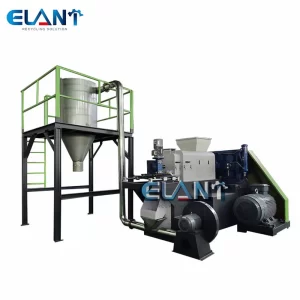
Can a plastic squeezer actually help reduce energy spikes in your facility? Many operators search for practical, affordable ways to manage rising utility costs. Simple devices often offer surprising benefits when applied correctly. Energy management does not always require complex technology. Operators who remain open to both basic and advanced strategies often see the best results.
Key Takeaways
- A plastic squeezer can effectively reduce energy spikes by controlling material flow, preventing simultaneous machine operation.
- Simple tools like plastic squeezers are cost-effective and easy to implement, making them ideal for facilities with limited budgets.
- Operators can achieve significant energy savings by integrating plastic squeezers with other strategies, such as real-time monitoring and demand response programs.
- Regular maintenance and proper use of a plastic squeezer can lower energy consumption by over 40%, enhancing operational efficiency.
- Combining basic tools with advanced energy management strategies leads to better control of utility costs and improved sustainability.
Understanding Energy Spikes

Causes In Operations
Energy spikes present significant challenges for industrial and commercial operators. These sudden increases in energy demand often result from a combination of operational practices and equipment behaviors. Common causes include:
- Simultaneous start-up of multiple machines, which can create a sharp increase in power draw and set high demand charges for the entire billing cycle.
- Inefficient scheduling, such as running equipment during periods of low production need or outside of optimal hours.
- Lack of remote monitoring, which prevents timely identification and shutdown of idle equipment.
- Neglecting preventive maintenance, leading to machines operating below peak efficiency and consuming more energy.
- Nonlinear interactions in process industries, where optimizing one variable can inadvertently cause inefficiencies elsewhere.
Demand charges are often determined by the highest 15-minute average power draw in a billing cycle. Even a brief spike can set the demand charge for the month, sometimes accounting for 30–50% of total electricity costs in medium-to-large facilities.
Operators can mitigate these spikes by adopting simple tools and strategies. For example, a plastic squeezer can help regulate the flow of materials, reducing the likelihood of simultaneous equipment operation and smoothing out energy demand.
Impact Of Rising Utility Costs
Rising utility costs have a direct impact on the profitability and stability of manufacturing and processing businesses. Key effects include:
- Increased operational expenses due to higher electricity delivery fees and uncontrolled rate hikes.
- Financial instability caused by unpredictable monthly energy expenses.
- Disrupted production schedules and increased risk of equipment shutdowns from declining grid reliability.
- Reduced funds available for expansion, hiring, and strategic growth, as high energy costs crowd out other budget priorities.
- Competitive disadvantages for businesses in regions with higher energy prices, limiting investment in innovation and workforce development.
Operators often respond by seeking fixed energy pricing, backup power solutions, and energy management tools. However, integrating simple devices like a plastic squeezer with broader energy strategies can provide a cost-effective first step toward stabilizing energy use and controlling expenses.
Plastic Squeezer And Simple Tools

How A Plastic Squeezer Works
A plastic squeezer is a simple device designed to control the flow of materials in industrial processes. Operators place the squeezer on pipes or hoses to regulate the movement of liquids or semi-solids. The device applies gentle pressure, which slows down the flow and prevents sudden surges. This action helps maintain a steady rate of material delivery to machines.
The mechanism relies on basic physics. By restricting the passage, the plastic squeezer reduces the risk of abrupt changes in demand. Machines receive materials at a consistent pace, which minimizes the chance of multiple units starting up at once. This steady operation lowers the likelihood of energy spikes.
Tip: Operators can use plastic squeezers in both manual and automated systems. The device works well in food processing, chemical manufacturing, and water treatment facilities.
Reducing Energy Spikes With Simple Tools
Simple tools like the plastic squeezer offer practical solutions for stabilizing energy use. These devices do not require complex installation or advanced technology. Operators can integrate them into existing systems with minimal disruption.
Real-world examples highlight the impact:
- In a beverage bottling plant, workers installed plastic squeezers on filling lines. The devices slowed the flow of syrup, which prevented all pumps from activating simultaneously. The facility saw a 15% reduction in peak energy demand.
- A chemical processing site used plastic squeezers to regulate the feed of raw materials. The steady flow allowed mixers and heaters to operate in sequence rather than all at once. This approach lowered monthly demand charges and improved energy stability.
- In municipal water treatment, plastic squeezers helped control the rate of chemical dosing. The consistent delivery reduced the frequency of pump startups, which decreased energy spikes and extended equipment life.
| Facility Type | Tool Used | Result |
|---|---|---|
| Beverage Bottling | Plastic Squeezer | Lowered peak demand by 15% |
| Chemical Processing | Plastic Squeezer | Reduced demand charges |
| Water Treatment | Plastic Squeezer | Fewer pump startups, stable use |
Operators benefit from these tools because they are cost-effective and easy to maintain. The plastic squeezer does not require specialized training. Staff can adjust the device as needed to match production requirements.
Note: Combining plastic squeezers with other simple tools, such as timers and flow regulators, can further enhance energy management. These strategies help operators avoid costly spikes and maintain predictable utility expenses.
Simple tools like the plastic squeezer demonstrate that effective energy management does not always depend on high-tech solutions. Facilities can achieve meaningful results by focusing on steady operations and preventing sudden changes in demand.
Comparing Energy Management Solutions
Plastic Squeezer Vs Load Shifting
Operators often weigh the benefits of simple tools against more advanced strategies. The plastic squeezer offers a straightforward approach to controlling material flow and preventing simultaneous equipment operation. This method reduces energy spikes by smoothing demand, making it ideal for facilities with limited budgets or minimal automation.
Load shifting, on the other hand, involves scheduling energy-intensive tasks during off-peak hours. Batteries and smart controls automate this process, allowing operators to avoid high electricity rates. Stand-alone batteries activate during peak periods, providing seamless energy supply and reducing demand charges. This technique, known as peak shaving, delivers significant savings and protects against future rate increases.
Note: Load shifting requires investment in automation and energy storage. The plastic squeezer remains cost-effective and easy to implement, but may not address larger spikes in highly automated environments.
Energy Efficiency Measures
Energy efficiency measures target the root causes of excessive consumption. Operators experiment with temperature settings, optimize server layouts, and switch to variable-speed fans. These actions lower costs and improve operational stability.
| Energy Efficiency Measure | Impact on Energy Consumption |
|---|---|
| Experiment with Temperature | 4-5% cost reduction per 1°F increase in server inlet temperature; 43% reduction from 64.4°F to 75.2°F |
| Utilize Hot Aisle/Cold Aisle Layout for Servers | Reduces fan energy use by 20-25% |
| Enclose or Contain Your Server Racks | Keeps hot air exhaust away from cold air intake |
| Switch to Variable-Speed Fans | Lowers energy costs during idle or low-demand periods |
These measures enhance resource management, minimize downtime, and extend equipment lifespan. Improved efficiency frees up capital for reinvestment and supports sustainability goals.
| Benefit | Impact on Energy Stability |
|---|---|
| Optimizing energy consumption | Enhances resource management, leading to resilience against price volatility and disruptions. |
| Reducing costs | Frees up capital for reinvestment, improving overall operational stability. |
| Improving operational efficiency | Minimizes downtime and resource waste, contributing to consistent energy availability. |
| Enhancing equipment lifespan | Prevents premature wear, ensuring reliable performance of machinery. |
| Supporting sustainability goals | Helps meet emissions targets, aligning with regulatory compliance and long-term stability. |
Innovations Like Solar Batteries
Recent innovations provide advanced solutions for managing energy spikes. Solar batteries store excess energy generated during the day and release it during peak hours. Users can sell surplus energy back to the grid, turning facilities into energy generators. Integration with smart energy management systems automates storage and usage decisions based on real-time prices.
- Solar batteries help avoid price spikes by utilizing stored energy during peak hours.
- Model Predictive Control (MPC) optimizes solar and battery use, adapting to changing conditions and ensuring optimal performance.
- Batteries charge during off-peak hours and discharge when rates are highest, offering savings and stability.
- Co-optimization of solar and battery systems reduces reliance on fossil fuels and lowers carbon emissions.
Operators benefit from seamless energy supply and reduced demand charges. These innovations require higher upfront investment but deliver long-term savings and improved energy stability.
Practical Steps For Operators
Using A Plastic Squeezer Effectively
Operators can maximize the benefits of a plastic squeezer by following clear guidelines and routine checks. Proper use ensures consistent material flow and prevents unnecessary energy spikes. Training should emphasize tool familiarity and safety. The following steps support effective operation:
- Know your tools. Review the Operations Manual and inspect for leaks or damage.
- Couple the quick-disconnects. Confirm secure connections to avoid flow interruptions.
- Remove the lower jaw. This prevents tool damage during setup.
- Know your pipe. Identify diameter and SDR number for correct positioning.
- Protect against static electricity. Ground tools to reduce hazards.
- Line-up and square the tool. Center the device for optimal squeezing.
- Pump to a gauge pressure of 3750 psig. Allow cold flow relaxation before re-pumping.
- Install saddle clamps. Torque clamps and manage hydraulic pressure carefully.
Operators who implement a mechanical squeezing process can lower energy consumption by over 40%, reducing reliance on energy-intensive drying systems.
Combining Tools And Strategies
Stable energy use requires a combination of tools and strategies. Operators should conduct organizational assessments to align energy management goals with operational needs. Smart energy management systems connect meters and sensors for real-time monitoring. Flexible load programs, such as demand response, incentivize reduced energy use during peak periods. Regular feedback and performance tracking refine strategies for long-term sustainability.
| Strategy | Benefit |
|---|---|
| Real-time monitoring | Identifies inefficiencies |
| Smart energy management systems | Optimizes energy use |
| Flexible load programs | Incentivizes peak demand reduction |
| Performance tracking | Supports continuous improvement |
Tips For Stable Energy Use
Maintaining stable energy use during peak demand periods improves operational efficiency and reduces costs. Operators should:
- Turn off unnecessary lights and equipment.
- Act as energy conservationists during peak hours.
- Use energy dashboards for visual alerts and quick adjustments.
- Track compressed air and electricity to recognize simultaneous operations.
- Participate in demand response programs to balance the grid and save on utility costs.
- Implement peak shaving by using stored energy during high-demand times.
Continuous assessment and custom alerts help operators identify underperforming equipment and excessive peak loads, enabling proactive energy management.
A plastic squeezer offers a practical, low-cost method for reducing energy spikes in many facilities. However, the most effective energy management combines simple tools with advanced strategies. Real-time data collection and optimization algorithms work together to maximize efficiency and reliability. Operators should analyze energy use, upgrade equipment, and participate in utility programs. Industry trends point toward electrification, smart technologies, and on-site generation. Proactive adoption of both basic and innovative solutions will help operators control costs, improve sustainability, and stay competitive.
FAQ
What is a plastic squeezer used for in industrial settings?
A plastic squeezer controls the flow of liquids or semi-solids in pipes or hoses. Operators use it to prevent sudden surges, which helps stabilize equipment operation and reduce energy spikes.
Can a plastic squeezer replace advanced energy management systems?
No, a plastic squeezer cannot fully replace advanced systems. It works best as a supplemental tool. Operators should combine it with automation, monitoring, and load management for optimal results.
How much can a plastic squeezer reduce energy spikes?
Results vary by facility. Case studies show reductions in peak demand by up to 15%. Consistent use can lower demand charges and improve energy stability.
Is training required to use a plastic squeezer?
Minimal training is needed. Staff should review the operations manual and follow safety guidelines. Most operators can integrate the device quickly with basic instruction.