
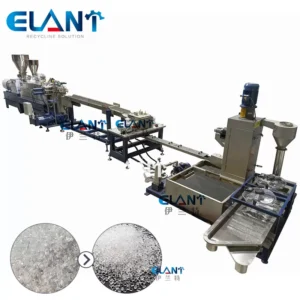
Process control defines the success of the pet recycling line. Operators monitor rpet flakes at critical points to maintain quality. Quality assurance measures involve advanced testing equipment that tracks intrinsic viscosity, color, and other physical properties of pet. A well-configured pet washing line reduces moisture below 1%, limits PVC contamination to under 100 ppm, and achieves purity above 98%. The quality of rpet flakes depends on input materials, process control, and maintenance throughout the pet recycling line.
Key Takeaways
- Operators monitor rPET flakes to ensure high quality in the recycling process.
- PET recycling involves collecting, sorting, washing, and drying bottles to make rPET flakes.
- Advanced technologies help remove contaminants and maintain purity standards.
- Quality control checks at each stage ensure rPET flakes meet food-grade requirements.
- Strict process control and traceability systems support sustainable recycling practices.
PET recycling line process
PET bottle recycling steps
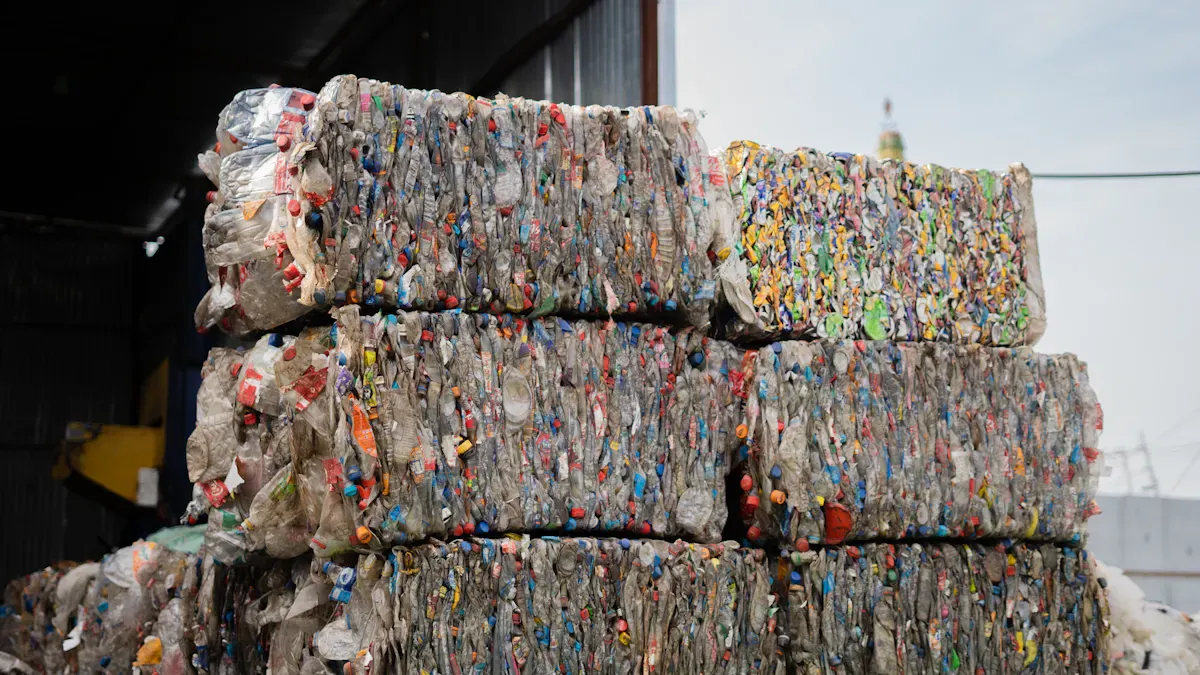
The pet recycling line transforms used bottle waste into high-quality rPET flakes. The process begins with the collection and baling of pet bottle material. Operators inspect bales to reject non-pet and wet or mixed bottle loads. After bale opening, the bottles move through a steady feed system. Metal removal units extract ferrous and non-ferrous items. Label and cap handling systems reduce the carryover of paper, adhesives, and closures. Crushing or grinding machines break bottles into uniform flakes, which helps with downstream washing and separation.
Tip: Consistent flake size improves washing efficiency and final product quality.
The washing stage uses hot water, friction, and rinsing to remove sugars, oils, glue, and dirt from the bottle flakes. Float-sink tanks separate pet from lighter plastics like PP and HDPE. Dewatering and drying stabilize the moisture content before flakes move to storage or pelletizing.
| Step | What happens | Quality control point |
|---|---|---|
| 1 | Collection and baling | Reject obvious non-PET and wet, mixed bales. |
| 2 | Bale opening and feeding | Create a steady feed rate for sorters and washers. |
| 3 | Pre-sort and metal removal | Remove metals, PVC items, films, and large rejects early. |
| 4 | Label and cap handling | Reduce label film, paper pulp, adhesive, and closure carryover. |
| 5 | Crushing or grinding | Keep flake size steady enough for washing and separation. |
| 6 | Hot wash, friction wash, rinsing | Remove sugars, oils, dirt, glue, paper, and residue. |
| 7 | Float-sink and final sorting | Separate PET from floating PP/HDPE and remaining contaminants. |
| 8 | Dewatering, drying, flake storage or pelletizing | Stabilize moisture before bagging, extrusion, or pellet production. |
Key control points
Quality control in the pet recycling line focuses on several critical stages. Incoming material grading ensures only suitable bottle feedstock enters the process. Post-shredder checks confirm the correct flake size distribution. After washing, contamination levels are measured, as this stage determines if impurities are removed or remain in the rPET flakes. Sink-float separation is monitored for cross-contamination between pet and other plastics. Post-drying, operators test moisture content, which affects the stability of rPET flakes. Final product lab testing verifies that the batch meets customer requirements. Pre-shipment release and traceability systems document each batch, preventing off-spec material from reaching the market.
| Control Point | Description |
|---|---|
| Incoming Material Grading | Quality starts before the material enters your line. The single biggest source of quality variation in recycled flake is feedstock inconsistency. |
| Post-Shredder Size Distribution | The particle size distribution directly affects every downstream process. |
| Post-Wash Contamination | This is the most important quality gate on the line, where contamination is either removed or locked in. |
| Sink-Float Separation Efficiency | This process separates materials by density and is where most cross-contamination occurs. |
| Post-Drying Moisture Content | Moisture is a critical factor that can negatively impact pellet quality. |
| Final Product Lab Testing | Comprehensive lab tests confirm that the batch meets customer specifications before shipment. |
| Pre-Shipment Release and Traceability | A documented release process prevents off-spec material from reaching the customer. |
The pet bottle recycling process relies on strict monitoring at each step. These control points ensure that rPET flakes meet the high standards required for food-grade applications and sustainable recycling.
PET bottle washing line and cleaning
Friction machines and contaminant removal
The pet bottle washing line is engineered to deliver high purity for clean rPET flakes. Operators rely on mechanical, thermal, and chemical steps to remove contaminants from pet bottles. The washing process begins with cold washing to loosen surface dirt and continues with hot washing to dissolve adhesives and organic residues. Friction machines play a critical role in this stage. The high-speed friction washer uses a rotating shaft system operating at nearly 1,000 RPM. Strategically angled paddles create intense friction between pet flakes, scrubbing away dirt, labels, and glue. Water jets prevent clogging and maintain consistent operation. The mesh screen tunnel surrounding the shaft dewaters the cleaned flakes and filters out small particulate contaminants. The washer’s 15-degree incline ensures optimal material flow, allowing contaminated pet flakes to progress through the cleaning chamber where mechanical friction and water action work together.
Operators can adjust washing intensity based on contamination levels, ensuring the pet bottle washing line meets strict quality standards.
The washing stage utilizes hot water and detergents to remove labels, adhesives, and organic residues. Lighter contaminants float while pet flakes sink, facilitating separation. High-temperature washing with caustic solutions tackles stubborn contaminants. Advanced technologies improve cleaning efficiency and minimize waste. The layout includes a washer and dryer, impacting the final product’s moisture levels.
Producing clean rPET flakes
The pet bottle washing line must achieve measurable purity standards for clean rPET flakes. Adherence to benchmarks is crucial for food-grade applications. Operators monitor contamination levels, moisture content, and physical characteristics. The table below summarizes key metrics:
| Category | Measurement Metric | Benchmark (Food-Grade) | Why It Is Crucial |
|---|---|---|---|
| Contamination Level (PPM) | PVC Contamination | < 15 ppm | PVC degrades and contaminates pet. |
| Polyolefins (PE/PP) | < 10 ppm | Residues cause structural defects. | |
| Glue and Label Residue | < 50 ppm | Impacts quality and processing. | |
| Other Non-meltable Impurities | < 10 ppm | Affects overall quality. | |
| Metal (Aluminum, Iron) | < 5 ppm | Damages equipment and product. | |
| Moisture Content | Standard Shipping/Sales | < 1% | Essential for flake sales/storage. |
| Before Extrusion/Pelletizing | < 1000 ppm | High moisture damages material. | |
| Physical Characteristics | Flake Size | 10-12 mm | Ensures consistent processing. |
| Color (b^* Value) | b^* < 3 | Needed for transparent bottles. | |
| Volatiles (VOCs) | < 1 ppm | Critical for food contact safety. |
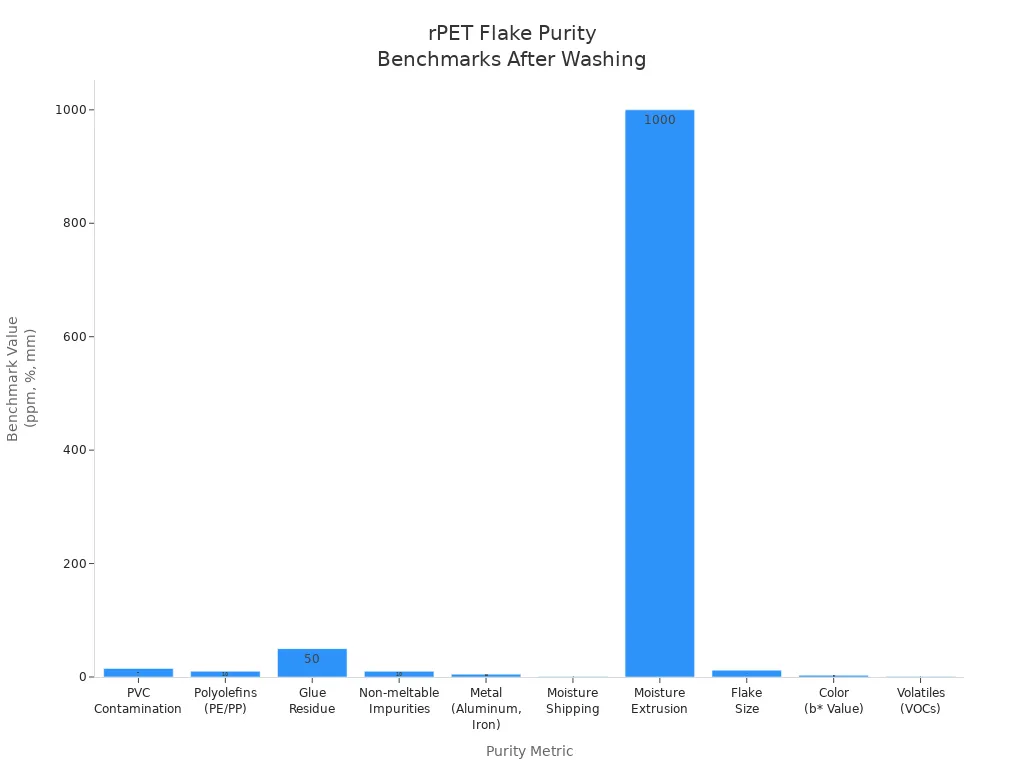
The pet bottle washing line delivers clean rPET flakes by combining friction machines, hot washing, and advanced separation techniques. Consistent monitoring and adherence to standards ensure the final product meets food-grade requirements.
Control points for food-grade rPET
Sorting and contamination checks
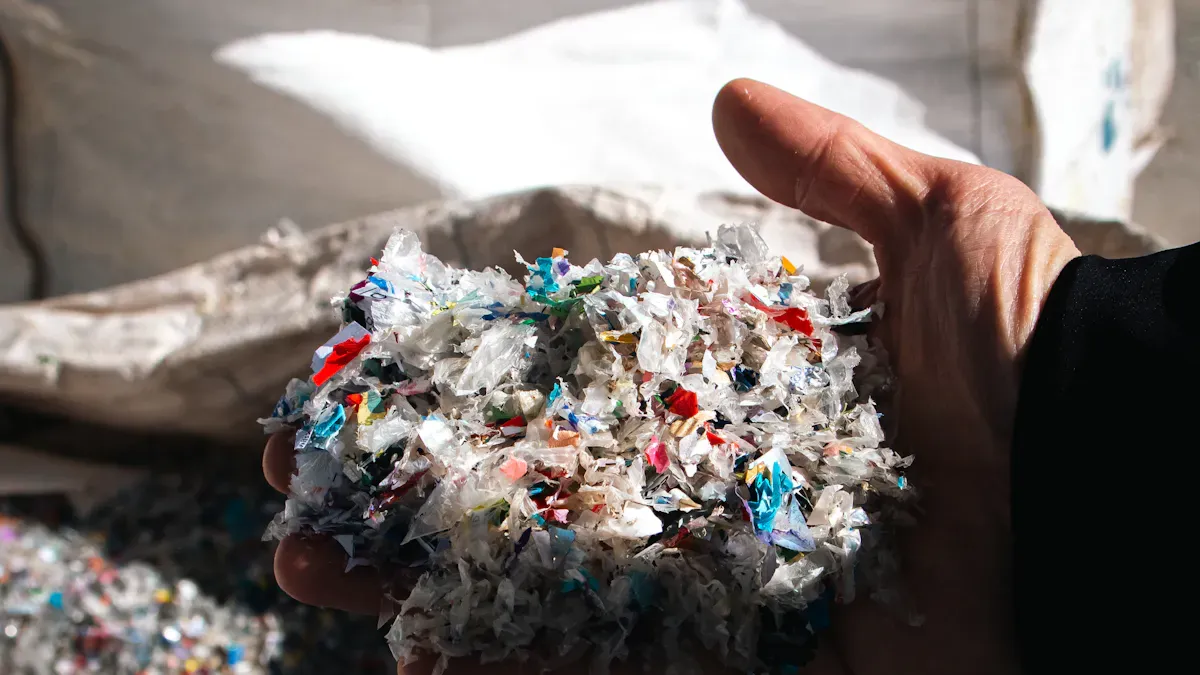
Sorting and contamination checks represent the first critical control point in the pet recycling line for producing food-grade rpet flakes. Operators use advanced sorting technologies to identify and remove contaminants from recycled pet bottle streams. Optical sorting systems employ near-infrared spectroscopy and visible light analysis to distinguish pet from other plastics. X-ray fluorescence enables rapid detection of PVC and brominated flame retardants, which are not permitted in food-grade recycled pet. Mechanical separation relies on size and shape characteristics but cannot fully eliminate contamination introduced during bottle collection.
| Technology Type | Description |
|---|---|
| X-ray fluorescence (XRF) | Rapid identification of specific plastic types and contaminants, especially PVC and flame retardants. |
| Mechanical separation | Sorts by size and shape; limited effectiveness for contamination from collection. |
| Optical sorting | Uses NIR and visible light for material identification; effectiveness depends on prior contamination. |
| CNN-based detection | Identifies bottles containing liquids early to prevent cascading contamination. |
Inline measurement systems monitor moisture content and metal contamination. Tunnel metal detectors scan for ferrous and non-ferrous metals, while inline spectrophotometers measure color to ensure transparency. Inline PVC detection is available for high-value food-grade applications. Operators sample and sort recycled pet flakes to determine polymer purity and contamination levels. Maintaining purity is essential for food-grade rpet specifications.
| Parameter | Food-Grade Spec |
|---|---|
| PVC content | <20 ppm |
| Polyolefin content | <20 ppm |
| Moisture | ≤0.5% |
| Intrinsic viscosity (IV) | ≥0.72 dl/g |
| Color (b* value) | <2.0 |
| Metal contamination | <10 ppm |
Maintaining strict sorting and contamination checks ensures that recycled pet bottle material meets food-grade requirements and prevents quality issues downstream.
Extrusion and melt filtration
Extrusion and melt filtration form the next major control point in the pet recycling line. After sorting and washing, recycled pet flakes enter a multi-screw extruder. The extrusion process operates at temperatures around 280°C, melting the flakes and purifying the recycled pet stream. Low-pressure regulation removes impurities without repeated melting and cooling, preserving the molecular structure required for food-grade rpet.
Hydraulic screen changers or continuous melt filters remove fine contaminants during extrusion. These filtration systems ensure that only high-purity recycled pet passes through to pelletizing. Inline moisture probes and color measurement devices monitor the process in real time. Operators check intrinsic viscosity using IV value testers to confirm that the solid-state polymerization system functions correctly. Moisture content tests ensure levels remain below 0.1%, preventing hydrolysis and IV collapse.
| Parameter | Specification |
|---|---|
| Extrusion Temperature | 280°C |
| Filtration System | Hydraulic screen changer or continuous melt filter |
| Moisture Control | Inline NIR probes |
| IV Testing | IV value tester |
| Color Measurement | Inline spectrophotometer |
Consistent extrusion and melt filtration are essential for producing food-grade rpet flakes that meet global recycled pet specifications.
Quality inspection and traceability
Quality inspection and traceability guarantee that recycled pet bottle material achieves food-grade certification. Operators conduct comprehensive lab testing on each batch of rpet flakes. Tests include intrinsic viscosity measurement, moisture content analysis, color evaluation, contaminant identification, gas chromatography for residual VOCs, and tensile testing for mechanical performance. Final product certification ensures compliance with food contact safety standards.
| Test Type | Purpose |
|---|---|
| IV Value Tester | Ensures SSP system output meets target IV value. |
| Moisture Content Test | Confirms moisture is below 0.1% to prevent hydrolysis and IV collapse. |
| Color Test | Measures yellowness for high transparency. |
| Contaminant Identification | Detects impurities through baking tests and DSC. |
| Gas Chromatography (GC) | Measures residual VOCs for food-grade safety. |
| Tensile Testing | Assesses mechanical performance of recycled pet. |
| Final Product Certification | Ensures compliance with food contact safety standards. |
Certification of purification efficiency is validated through challenge tests by agencies such as FDA and EFSA. Compliance with global food-grade standards, including FDA and EU regulations, is mandatory for food-grade rpet flakes.
Digital traceability technologies, including blockchain platforms from Circularise, PolymerChain, and IBM Food Trust, provide end-to-end verification of recycled content. These systems track recycled pet from bottle collection to final product, supporting green marketing claims and premium pricing for certified food-grade recycled pet. Documented release processes ensure only compliant batches are shipped, maintaining the integrity of food-grade specifications.
Traceability and rigorous quality inspection protocols are vital for certifying recycled pet as food-grade and for meeting the strict requirements of the pet recycling line.
Technologies and standards
Optical sorting and sensors
Modern pet recycling lines rely on advanced optical sorting and sensor technologies to achieve the purity required for food-grade rpet flakes. These systems operate at key control points, ensuring that each bottle and flake meets strict quality criteria. Near-infrared (NIR) sensors distinguish pet from other plastics, while SHARP EYE technology increases sorting precision without raising energy consumption. Intelligent object recognition software detects materials that NIR cannot identify, such as black plastic and glass. DEEP LAISER add-ons further enhance sorting accuracy by identifying challenging contaminants. AI-driven systems now allow for real-time differentiation between similar materials, improving the efficiency of the recycling process.
| Technology Type | Description |
|---|---|
| Near-Infrared (NIR) | Enhances sorting sharpness for difficult-to-target fractions. |
| SHARP EYE | Maintains energy efficiency while improving sorting capabilities. |
| Intelligent Object Recognition | Detects black plastic and glass, which NIR cannot see. |
| DEEP LAISER | Identifies materials undetectable by other optical sorters. |
| AI-Driven Systems | Differentiates between similar materials for higher sorting accuracy. |
Moisture detection systems play a critical role before the extrusion stage. If moisture in pet flakes exceeds 1%, hydrolysis can occur in the extruder, reducing the intrinsic viscosity (IV) and compromising rpet quality. Advanced vacuum dryers reduce moisture to below 0.1%, protecting the IV and ensuring high-quality rpet flakes.
Consistent use of these technologies at every bottle sorting and washing stage ensures that only the purest rpet flakes move forward in the recycling line.
Industry standards for rPET
Strict industry standards define the quality of food-grade rpet flakes. Regulatory compliance with FDA and EU requirements is mandatory for any rpet intended for bottle-to-bottle recycling. These standards set benchmarks for contamination, moisture, and physical properties.
| Aspect | Details |
|---|---|
| Regulatory Compliance | FDA and EU standards required for food-grade rpet flakes. |
| Market Demand | PET bottles dominate food packaging, driving demand for rpet. |
| Price Premium | Food-grade rpet commands a 15–25% premium due to strict certification. |
| Supply Chain Challenges | Access to compliant recycling and bottling equipment is a major barrier for new entrants. |
| Future Projections | rPET market expected to grow rapidly due to regulatory and corporate commitments. |
The EU now mandates a minimum of 25% to 30% recycled content in PET beverage bottles. Major brands target 50% recycled packaging by 2030. Food-grade rpet must meet contamination limits, such as less than 15 ppm PVC and less than 10 ppm polyolefins, and maintain a b* color value below 3 for transparency. Regulatory agencies audit recycling facilities to ensure compliance with these standards, supporting the integrity of the bottle-to-bottle recycling process.
Challenges and solutions
Common issues at control points
Operators in the pet recycling line face several recurring challenges at control points. Contamination remains the most critical issue. Uncovered plastic bottles containing liquids often release their contents during processing, leading to widespread contamination that lowers the value of recycled materials. PVC contamination, found in shrink sleeves, labels, and liners, causes degradation at pet processing temperatures. Labels, glue, caps, and rings—typically made from PP or HDPE—must be separated to protect the melt and pellet quality. PETG and copolyesters can introduce defects if not removed.
| Contamination Issue | Measurement | Action Threshold |
|---|---|---|
| Surface cleanliness | Uniformly colored flakes with no visible dirt, adhesive spots, or discoloration | Visible contamination on >5% of flakes → Check friction washer, hot-wash temperature, and water quality |
| Paper/label content | Inspect 200g sample; target: <0.5% by weight | Label content >0.5% → Increase hot-wash temperature or residence time; verify label removal stage |
| pH of surface residue | Target: 7.0–8.5 after rinsing; pH >9.0 indicates insufficient rinsing | Adjust rinsing process to avoid yellowing during extrusion |
Moisture control is another challenge. Excess moisture in pet flakes can cause hydrolysis during extrusion, reducing intrinsic viscosity and compromising quality. Traceability issues arise when batches lack proper documentation, risking non-compliance with food-grade standards.
Maintaining consistent quality
Maintaining consistent quality in recycling requires a combination of advanced technology and strict process control. AI-driven optical sorting achieves over 99% accuracy in distinguishing plastic types and colors, removing contaminants before processing. High-speed friction washers use kinetic energy to eliminate stubborn residues while optimizing water usage. Hot washing evolution employs precise temperature controls to remove adhesives and sterilize flakes without damaging pet.
| Strategy | Description |
|---|---|
| Contamination Control | Remove PVC, labels, and caps before grinding to improve quality. |
| Polymer Purity | Keep non-pet polymers low to enhance melt stability and market value. |
| Cleanliness | Use better washing techniques to reduce residue and odor, crucial for high-value rPET. |
| Moisture Stability | Consistent drying minimizes processing issues and improves storage performance. |
| Color Management | Clear rPET streams are more valuable; colored streams require separate handling for quality. |
Operators monitor critical process control tests daily. IV value testers, moisture content tests, and color measurements ensure compliance with food-grade standards. Baking tests, DSC, and gas chromatography verify contaminant removal and purity. Final product performance tests, such as tensile testing and bottle performance assessments, confirm mechanical strength and stacking capacity.
Consistent monitoring, advanced sorting, and rigorous testing help the pet recycling line overcome contamination, moisture, and traceability challenges, ensuring high-quality recycled pet bottle material.
Control points and advanced technologies shape the reliability of food-grade rPET flakes in every pet recycling line. Operators monitor each bottle through sorting, washing, and melt filtration, ensuring purity and structural integrity. Traceability systems provide certificates for every batch, confirming compliance with safety standards and regulatory requirements. Rigorous standards in recycling support high bottle return rates, reduce carbon footprints, and maintain economic viability. Strict process control and traceability guarantee that pet bottle material meets food-grade specifications, promoting sustainable recycling practices.
FAQ
What are the main benefits of bottle-to-bottle recycling in PET lines?
Bottle-to-bottle recycling reduces waste and supports a circular economy. This process allows recycled PET to be used in new bottles, meeting strict output quality specifications. It also helps brands meet regulatory requirements and consumer demand for sustainable packaging.
How do operators ensure output quality specifications for rPET flakes?
Operators use advanced testing equipment and strict process control. They monitor intrinsic viscosity, color, and contamination levels. Regular lab tests and traceability systems guarantee that each batch meets the recycled pet market’s requirements for food-grade applications.
Why is moisture control important in the PET recycling process?
Moisture control prevents hydrolysis during extrusion. High moisture can lower intrinsic viscosity and compromise rPET quality. Vacuum dryers and inline sensors help maintain the low moisture levels needed for bottle-to-bottle reuse and consistent product performance.
How does the recycled pet market compare to virgin PET production?
The recycled pet market offers environmental and economic advantages over virgin production. Recycling over virgin production reduces energy use and carbon emissions. It also supports regulatory goals and helps companies achieve sustainability targets.
What challenges do facilities face in maintaining bottle-to-bottle recycling standards?
Facilities must manage contamination, moisture, and traceability. Meeting strict output quality specifications requires investment in technology and staff training. Continuous monitoring and process improvements are essential for reliable bottle-to-bottle recycling.