
Learning how to recycle PET bottles is straightforward and impactful. Most PET bottles display a recycling code “1,” making identification easy for everyone. Recycling these bottles helps lower greenhouse gas emissions and conserves resources by reducing the need for new plastic production. Globally, the PET bottle recycling rate stands at around 30%, while some countries achieve over 90% with effective systems. Every bottle recycled prevents plastic pollution and supports a cleaner environment. Anyone can participate in this essential process with just a few simple steps.
Key Takeaways
- Identify PET bottles by looking for the recycling code ‘1’ to ensure they are recyclable.
- Always empty and rinse bottles before recycling to prevent contamination and improve material quality.
- Leave labels on PET bottles; modern recycling systems can handle them without affecting the recycling process.
- Crush bottles to save space in recycling bins, allowing for more efficient collection and processing.
- Participate in local recycling programs and educate others to enhance community recycling efforts and reduce plastic waste.
How to Recycle PET Bottles Step by Step
Recycling PET bottles efficiently requires following a series of straightforward steps. Each action contributes to a cleaner recycling stream and higher-quality recycled materials. Below, you will find a detailed guide on how to recycle PET bottles, ensuring your efforts make a real difference.
Identify PET Bottles (Code 1)
The first step in how to recycle PET bottles is accurate identification. PET bottles display the resin identification code 1, usually found on the bottom or side of the container. This code signals that the bottle is made from polyethylene terephthalate, a plastic widely accepted in recycling programs.
| Aspect | Explanation |
|---|---|
| Sorting and Separating | RIC 1 helps in sorting PET bottles into appropriate recycling streams. |
| Identifying Recyclability | It indicates that PET is widely accepted in recycling programs, aiding consumers and recyclers. |
| Eco-Friendly Choices | Consumers can choose products made from recyclable materials, promoting sustainable practices. |
| Safety | PET is considered safe for food and beverage storage, which is crucial for consumer health. |
Modern recycling facilities use advanced technologies such as optical scanners and near-infrared sensors to distinguish PET bottles from other plastics. These systems analyze material and color, ensuring that even deformed or labeled bottles are sorted correctly. By checking for the code 1, consumers can confidently select bottles suitable for recycling.
Empty and Rinse Bottles
Before placing bottles in the recycling bin, always empty and rinse them. This step is essential in how to recycle PET bottles because it prevents contamination. Residual liquids or food waste can cause entire batches of recyclables to be rejected by recycling centers.
Tip: Rinse bottles with a small amount of water to remove any remaining beverage or residue. This simple action significantly improves the quality of recycled materials.
Common contaminants that lead to rejection include:
- Food waste left inside bottles
- Liquids not emptied before disposal
- Mixing PET bottles with non-recyclable materials
Proper cleaning ensures that only high-quality PET enters the recycling stream, supporting efficient processing and better end products.
Leave Labels On
Most recycling programs instruct consumers to leave labels on PET bottles. Modern recycling systems are designed to handle labels during the sorting and cleaning stages. Removing labels is unnecessary and can even slow down the recycling process. Automated equipment separates labels from PET flakes after bottles are shredded, ensuring that the recycling stream remains pure.
Note: Leaving labels on saves time and does not affect the recyclability of PET bottles.
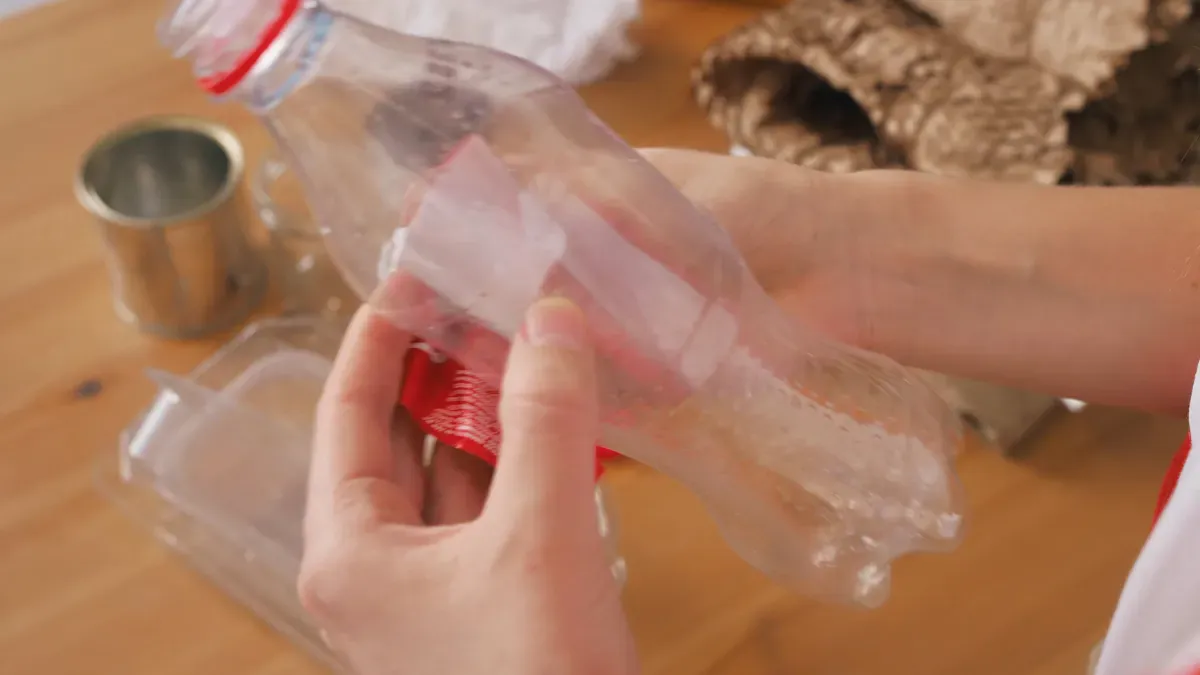
Crush Bottles to Save Space
Crushing PET bottles before recycling offers several advantages. Flattened bottles occupy less space in recycling bins and collection trucks, making transportation and storage more efficient. This practice allows recycling programs to collect and process more bottles in each load, reducing costs and environmental impact.
- Crushed bottles take up significantly less space, enabling more efficient storage and transportation.
- More bottles can fit in each recycling bin, reducing the frequency of pickups.
Why Each Step Matters
Following these steps not only answers the question of how to recycle PET bottles but also maximizes the effectiveness of recycling efforts. The table below summarizes the benefits:
| Benefit | Description |
|---|---|
| Reduces waste and contamination | Ensures only high-quality PET materials are recycled. |
| Enhances quality of recycled PET | Improves the final product’s quality by minimizing impurities. |
| Increases efficiency | Streamlines downstream processes like crushing and washing. |
By following each step, you help increase recycling yield by up to 25% and ensure that more PET bottles are successfully transformed into new products.
The Official PET Bottle Recycling Process
Major recycling organizations recommend the following process for PET bottles:
- Collection: Gather used PET bottles through collection points or local recycling programs.
- Sorting: Sort bottles by type, color, and condition using automated systems for accuracy.
- Cleaning: Clean bottles to remove contaminants, ensuring quality for recycling.
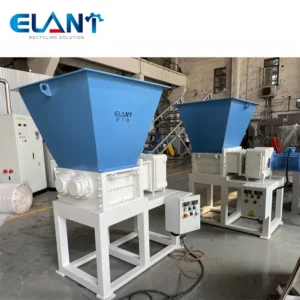
- Shredding: Shred clean bottles into small flakes or pellets.
- Melting: Melt shredded PET to reform into raw materials.
- Repurposing: Use recycled PET to manufacture new products.
Understanding how to recycle PET bottles and following these steps ensures that your efforts contribute to a more sustainable and efficient recycling system.
Which PET Bottles Can Be Recycled
Common Recyclable PET Bottles
Most recycling programs in 2026 accept PET bottles marked with the resin identification code 1. These bottles include water, soda, juice, and some household cleaner containers. Clear PET bottles remain the most valuable for recycling due to their versatility and high demand in the recycled plastics market. Transparent light green and light blue bottles are also widely accepted, as they can be processed efficiently and used in various recycled products.
The collection method for PET bottles can influence the recycling process. The table below outlines common collection methods used by recycling programs:
| Collection Method | Description |
|---|---|
| Curbside Collection | PET bottles are separated from non-PET materials at materials recovery facilities (MRF). |
| Deposit System | A monetary incentive encourages consumers to return bottles for recycling, improving recovery rates. |
| Complete Citizen Separation | Consumers separate waste into categories at home before collection. |
| Truck Sorting | Drivers separate materials during collection, reducing need for further sorting at MRF. |
| Site Separation | All separation occurs at the MRF, using manual or mechanical methods. |
| Co-Collection | Normal trash and recyclables are mixed, complicating the recycling process. |
Note: Clear and light-colored PET bottles are preferred by recyclers because they produce high-quality recycled PET (rPET) and are easier to process.
PET Bottles Not Accepted
Not all PET bottles are suitable for recycling. Some bottles contain additives or colorants that reduce their recyclability. White, opaque, and dark-colored PET bottles present challenges during sorting and processing. These bottles often have limited market value and may not be accepted by local recycling programs.
- White and opaque PET bottles are difficult to separate from the resin, leading to contamination.
- Dark-colored bottles complicate the sorting process and have restricted end-use applications.
- Bottles with non-removable components, such as pumps or complex closures, may be excluded from recycling streams.
Local guidelines may vary, so it is important to check with your municipal recycling program for specific instructions. Understanding how to recycle PET bottles includes recognizing which types are accepted and preparing them properly for collection.
Where to Recycle PET Bottles
Home Recycling Bins
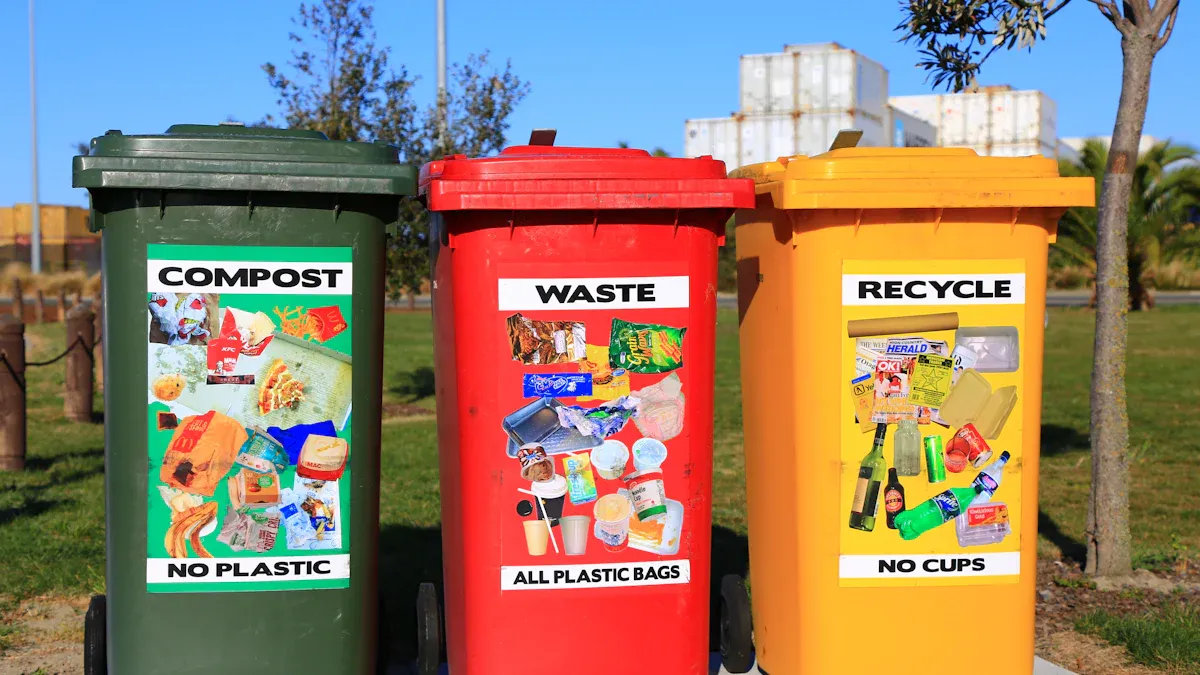
Most households can recycle PET bottles using curbside recycling bins. To ensure proper recycling, follow these guidelines:
- Empty all PET bottles before placing them in the bin.
- Clean bottles to remove any residue.
- Keep bottles dry to prevent contamination.
- Place bottles loose in the recycling bin, not in bags.
These steps help maintain the quality of the recycling stream and support efficient processing. Local recycling programs often provide clear instructions on how to recycle PET bottles, making it easy for residents to participate.
Local Recycling Centers
For individuals seeking alternative options or living in areas without curbside collection, local recycling centers offer reliable solutions. Consumers can locate the nearest facility by using online resources such as Recycle Now or Earth911. Enter your zip code and the material to find drop-off points that accept PET bottles.
| Day | Hours |
|---|---|
| Tuesday | 8:00 a.m. – 5:00 p.m. |
| Wednesday | 8:00 a.m. – 5:00 p.m. |
| Thursday | 8:00 a.m. – 5:00 p.m. |
| Friday | 8:00 a.m. – 5:00 p.m. |
| Saturday | 8:00 a.m. – 1:00 p.m. |
| Sunday | Closed |
| Monday | Closed |
| Holidays | Closed on County Government Holidays |
Requirements for most centers include no registration for residential use and restrictions for businesses or non-residents. Always check local guidelines before visiting.
Recycling on the Go
Public facilities and programs support PET bottle recycling outside the home. Many states organize tours of recycling facilities through the Association of Plastic Recyclers (APR), especially in May 2026. In Mexico, PetStar operates the world’s largest PET recycling plant, offering educational visits. Public events also educate communities and boost confidence in recycling.
| Location | Description |
|---|---|
| Various States | Tours of recycling facilities organized by APR in May 2026. |
| Mexico | Visit PetStar’s PET recycling plant in Toluca. |
| Public Access | Events designed to educate the public and increase recycling participation. |
Travelers can use public recycling bins at airports, parks, and transit stations. These resources make it convenient to recycle PET bottles wherever you are.
PET Bottle Recycling Tips
Avoid Common Mistakes
Recycling experts observe several recurring errors among consumers. Many individuals lack confidence in their recycling practices, and over half engage in ‘wishcycling,’ placing items in bins without verifying their recyclability. Only a third consistently recycle appropriate materials. These mistakes often stem from gaps in consumer education, especially regarding cleaning and preparing plastics.
- Placing non-recyclable items in bins contaminates the recycling stream.
- Failing to rinse bottles leads to batches being sent to landfills.
- Improper items can damage recycling machinery and increase health risks for workers.
- Contaminants reduce the market value of recyclables and may result in service refusals.
Tip: Always check local guidelines and ensure bottles are clean and dry before recycling.
Make Recycling a Habit
Establishing a routine for recycling PET bottles delivers significant environmental and economic benefits. Regular recycling lowers greenhouse gas emissions, conserves petroleum resources, and prevents plastic pollution in landfills and oceans. The recycling industry also creates jobs and supports economic growth. Consistent recycling maximizes resource efficiency and opens new business opportunities in the recycled PET market.
- Set reminders to rinse and recycle bottles after use.
- Educate family members about proper recycling steps.
- Participate in community recycling programs to reinforce positive habits.
Recycle Similar Plastics
Many plastics can be recycled using steps similar to those for PET bottles. HDPE, commonly found in milk jugs and grocery bags, is highly recyclable. LDPE, used for plastic bags and shrink wrap, can be transformed into 3D printing filament. PP, present in food containers and bottle caps, is recyclable and useful for various applications.
| Plastic Type | Recycling Requirements | Common Uses | Recyclability |
|---|---|---|---|
| PET | Versatile, widely accepted, can be reused for various products | Water, soda, juice containers | High (25% made from reclaimed material) |
| HDPE | Easy to recycle, processed by curbside pickup | Milk jugs, chemical containers | High |
| PVC | Less than 1% eligible for recycling due to safety concerns | Pipes, food wrapping | Very Low |
| LDPE | Difficult to recycle, not processed by most curbside programs | Grocery bags, produce bags | Low |
| PP | Contamination issues make recycling tough | Condiment containers, straws | Moderate |
Understanding how to recycle PET bottles helps consumers apply similar steps to other plastics, improving overall recycling outcomes.
Understanding how to recycle PET bottles involves simple actions: identify, rinse, leave labels, and crush. Communities with high recycling rates benefit from improved health, job creation, and resource efficiency.
| Impact Type | Description |
|---|---|
| Community Engagement | Recycling initiatives foster participation and awareness. |
| Health and Well-being | Cleaner air, water, and soil improve public health. |
| Job Creation | The recycling sector creates jobs in collection and processing. |
| Resource Efficiency | Recycling reduces costs associated with new plastic production. |
Sharing tips on social media increases participation. Explore these resources for more on recycling plastics:
| Resource Name | Description | Link |
|---|---|---|
| Living Green 365: Plastic | Information on recycling various plastics. | Living Green 365 |
| Recycling 101 | Basics of recycling and local program information. | Recycling 101 |
| Recycling and Energy | Educational content on recycling benefits. | Recycling and Energy |
FAQ
What does the recycling code “1” mean on PET bottles?
The recycling code “1” identifies polyethylene terephthalate (PET). This code signals that the bottle is widely accepted in recycling programs. Most recycling facilities use this code to sort and process bottles efficiently.
Should I remove caps before recycling PET bottles?
Most recycling programs now accept bottles with caps on. Modern facilities separate caps during processing. Always check local guidelines for specific instructions.
Can I recycle colored PET bottles?
Many programs accept light-colored PET bottles. Clear bottles remain preferred due to higher quality recycled material. Dark or opaque bottles may not be accepted everywhere.
What happens to PET bottles after recycling?
Recycled PET bottles are cleaned, shredded, and melted. The material becomes new bottles, textiles, or packaging. This process reduces waste and conserves resources.
How can I find local PET bottle recycling options?
Use online tools like Earth911 or your city’s waste management website. Enter your zip code to locate drop-off points or curbside programs.