
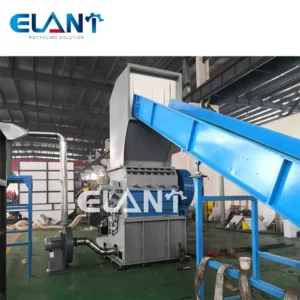
Sorting accuracy at the control point defines the quality of the pet bottle scrap recycling process. Automated systems now help reduce contamination levels, ensuring recycled PET meets industry standards.
- Contaminants like PVC, polyolefins, and labels degrade recycled material quality.
- Advanced sorting technologies improve feedstock purity, essential for high-quality applications.
- Poor sorting leads to inconsistent resin quality and limits usability.
Practical improvements in sorting benefit recyclers and support environmental sustainability.
Key Takeaways
- Sorting accuracy is crucial for recycling PET bottles. It ensures only high-quality materials enter the recycling process, leading to better recycled products.
- Automated sorting technologies, like NIR sensors, significantly reduce contamination levels. These systems can achieve up to 95% accuracy, improving the quality of recycled PET.
- Proper sorting minimizes the presence of non-PET materials. This reduces waste and enhances the usability of recycled products in high-value applications.
- Investing in advanced sorting technologies boosts operational efficiency. Facilities can process more materials while maintaining high standards for purity.
- Accurate sorting supports environmental sustainability. It reduces carbon emissions and conserves natural resources by lowering the need for virgin plastic.
Sorting Accuracy in the Pet Bottle Scrap Recycling Process
Why Sorting Matters
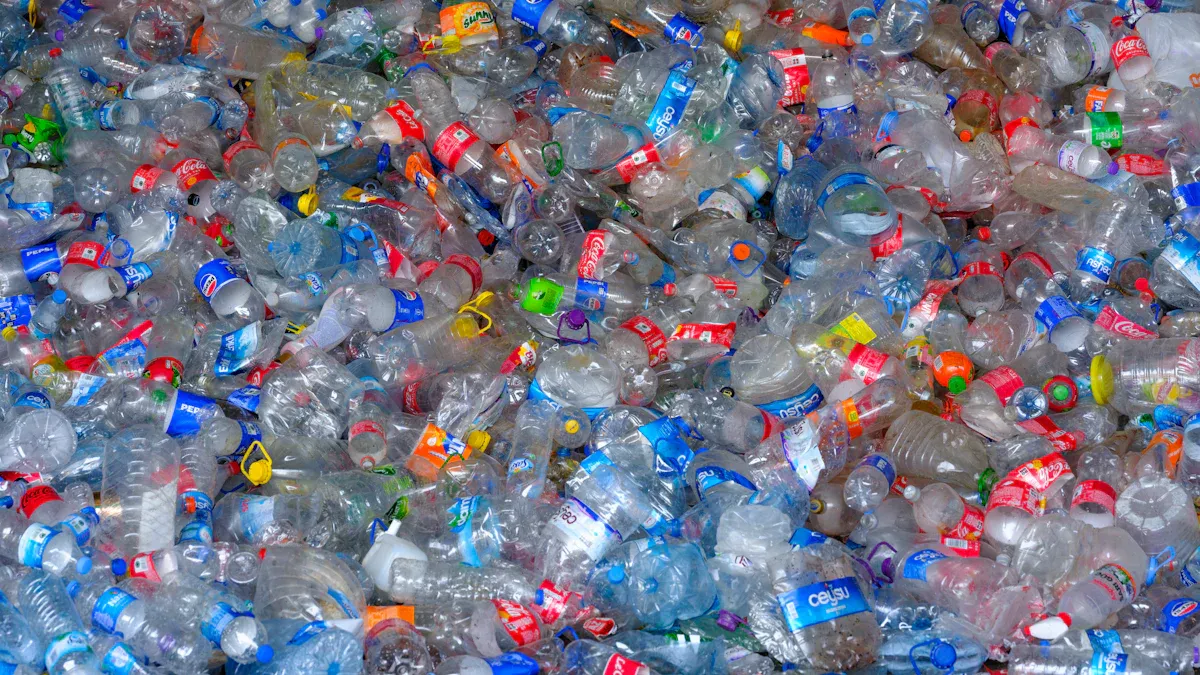
Sorting accuracy stands as a critical factor in the pet bottle scrap recycling process. The control point, where materials are separated, determines the purity and quality of the recycled PET stream. High-precision sorting ensures that only PET bottles enter the recycling line, while contaminants such as PVC, polyolefins, and labels are removed. This step directly impacts the efficiency and effectiveness of downstream recycling operations.
The main reasons accurate sorting is essential can be summarized as follows:
| Reason for Accurate Sorting | Explanation |
|---|---|
| Ensures high-quality recycled materials | Accurate sorting guarantees that only high-quality PET materials are processed, leading to superior recycled products. |
| Reduces contamination | Proper sorting minimizes the presence of non-PET materials, which can compromise the quality of the final recycled product. |
| Improves efficiency of recycling steps | By maintaining a clean recycling stream, sorting enhances the effectiveness of subsequent recycling processes. |
Sorting accuracy at the control point is not just about removing visible contaminants. Even small amounts of non-PET materials can degrade the quality of recycled PET, making it unsuitable for high-value applications.
Impact on Recycling Quality
The effectiveness of sorting operations directly influences the extent of contamination in the final recycled product. Inadequate sorting allows unwanted materials to remain, even if later processes remove additives efficiently. This contamination can result in recycled PET that fails to meet industry standards, limiting its usability.
Automated sorting systems have transformed the pet bottle scrap recycling process. Modern technologies, such as near-infrared (NIR) sensors and advanced robotics, can achieve up to 95% accuracy at the control point. These systems rapidly identify and separate PET bottles from other plastics and contaminants, ensuring a cleaner feedstock for recycling.
- Improper sorting at control points leads to contamination of recycled PET products. This contamination often forces recyclers to divert materials to landfills or incinerators, undermining sustainability goals.
- Labels, food residues, and mixed plastics complicate the recycling process. These impurities lower the quality of the recyclate and increase processing costs.
- Extensive sorting facilities are necessary to maintain the quality of recycled products. Mixed or improperly sorted materials can degrade the final product, reducing its value and limiting its applications.
The pet bottle scrap recycling process relies on precise sorting to deliver high-purity recycled PET. Control points equipped with automated systems help recyclers meet strict quality requirements and reduce the risk of contamination. As a result, the industry can produce recycled PET suitable for food-grade and other high-value uses, supporting both economic and environmental objectives.
Key Steps in PET Bottle Scrap Recycling
Collection and Pre-Sorting
The pet bottle scrap recycling process begins with the collection of post-consumer PET bottles. Consumers discard empty bottles, which are then gathered at various collection points. These bottles may arrive at materials recovery facilities (MRFs) either loose or as baled feedstock. At MRFs, workers and machines separate PET bottles from other waste streams. Sometimes, recyclables are temporarily stored or compacted at transfer stations before reaching the main recycling facility.
Pre-sorting plays a vital role in removing non-recyclable materials and contaminants. The following contaminants are commonly targeted during this stage:
| Contaminant Type | Description |
|---|---|
| Non-PET Plastics | Other plastic materials that can contaminate PET |
| Metals | Metallic components that may be present |
| Labels | Paper or plastic labels attached to bottles |
| Adhesives | Glue or sticky substances used on labels |
| Food Residues | Leftover food or drink inside the bottles |
| Mixed Polymers | Different types of plastics mixed together |
| Multilayer Packaging | Packaging made of multiple layers of materials |
| Shrink Sleeves | Plastic sleeves that cover the bottle |
| Closure Components | Caps or other closures that are not PET |
Early separation of PVC, PETG, and colored bottles is also crucial to maintain the purity of the PET stream.
Control Point Sorting
At the control point, advanced sorting technologies ensure high accuracy in separating PET bottles from contaminants. Facilities often use a combination of optical sorters, AI-empowered robotics, and manual sortation. Optical sorters utilize cameras or near-infrared (NIR) lasers to identify and sort materials based on their properties. AI-empowered robotics enhance sorting precision by learning to recognize subtle differences between PET and non-PET items. Manual sortation remains important for quality control, as workers remove contaminants and correct machine errors.
| Technology/Method | Description |
|---|---|
| Optical sorters | Utilize cameras or NIR lasers to automatically sort items based on various characteristics. |
| AI-empowered robotics | Advanced systems that identify and separate materials using artificial intelligence. |
| Manual sortation | Workers assist in sorting and quality control, removing contaminants and correcting machine errors. |
Accurate sorting at this stage is essential for the success of the pet bottle scrap recycling process.
Washing and Final Processing
After sorting, PET bottles undergo a series of washing and processing steps to achieve high material purity. The typical sequence includes:
- Pre-washing: Removes loose dirt and debris.
- Detergent Washing: Uses specialized detergents to break down adhesives and remove stubborn residues.
- Rinsing: Ensures no detergent or dirt remains on the PET flakes.
- Hot Washing: Applies heated water and detergents to eliminate tough contaminants.
- Quality Control: Involves inspection, testing, and additional sorting to meet high standards for recycled materials.
Proper sorting in earlier stages directly affects the effectiveness of washing and the final cleanliness of PET flakes. The degree of contamination influences the choice of washing methods and the quality of the finished product.
Sorting Technologies
Manual vs. Automated Systems
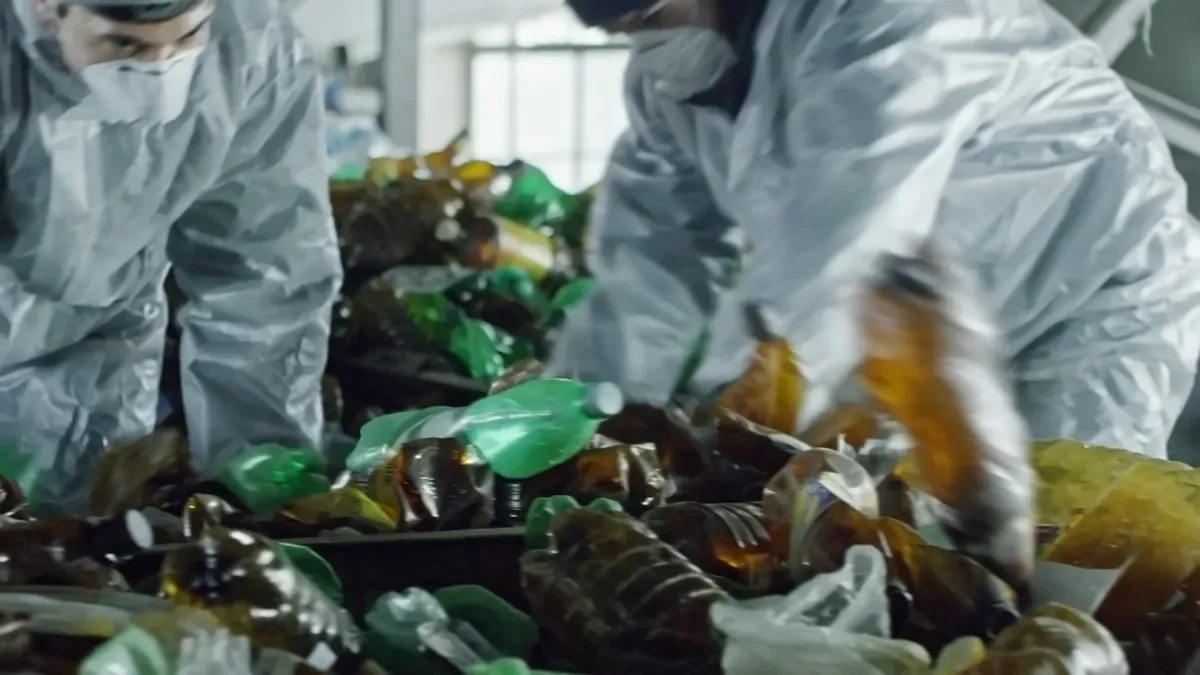
Sorting PET bottles relies on both manual and automated systems. Manual sorting involves workers visually identifying and separating bottles. Automated systems use advanced sensors and robotics to streamline the process. The main differences between these methods can be seen in throughput rates:
| Sorting Method | Throughput Rate (kg/hour) |
|---|---|
| Manual | 30-50 |
| Automated | Over 500 |
Automated sorting delivers higher throughput and greater consistency. Manual sorting remains valuable for quality control and handling unusual contaminants. Facilities often combine both approaches to optimize accuracy.
Near-Infrared (NIR) Sorting
Near-infrared (NIR) technology has become a cornerstone in the pet bottle scrap recycling process. NIR systems identify PET bottles by analyzing their unique spectral fingerprints. Advanced chemometric techniques, such as principal component analysis (PCA) and partial least squares-discriminant analysis (PLS-DA), enable real-time classification of polymer types. This technology improves sorting efficiency and reduces contamination.
NIR sorting systems achieve impressive accuracy rates. Standard plastics, including PET, HDPE, PP, LDPE, PS, and PVC, reach over 98.5% accuracy. Black plastics present more challenges, with rates between 85% and 92%. Newer short-wave infrared (SWIR) configurations push black plastic accuracy above 96%.
Improving Detection for Food-Grade rPET
Producing food-grade recycled PET demands advanced detection technologies. Multispectral imaging systems enhance contaminant detection and material identification. Deep learning-based classification boosts sorting precision. Automated mechanisms increase processing efficiency.
- Intelligent identification units recognize different bottle contents.
- Inverse selection mechanisms prioritize less common materials.
- AI robot sorting integrates with manual sorting to maximize accuracy.
Multiple cameras analyze bottles by brand, material, aging level, and type. Infrared cameras detect foreign objects. UV and visible light cameras identify aging and brands. Hyperspectral cameras refine material sorting.
Regulatory requirements for food-grade rPET include strict contamination control, documentation of contaminant removal, and detailed usage descriptions. Facilities must prevent non-PET plastics from entering the production stream and validate removal processes.
Sorting Challenges
Bottle Type and Condition
Sorting PET bottles presents significant challenges due to variations in bottle type, thickness, and size. Facilities often process up to 100,000 bottles per hour, which increases the complexity of maintaining sorting accuracy. Bottles arrive with different labels, caps, and colors. These features can cause contamination rates in sorted material to exceed 5%. Traditional near-infrared (NIR) sorting systems achieve 90–95% purity, but higher standards for food-grade recycled PET require more precise detection of contaminants and color variations. Polyolefins such as PE and PP have similar density characteristics, making them difficult to separate from PET. Mixed polyolefins are frequently downcycled into products that tolerate higher contamination levels. Some companies address these challenges by blending a small fraction of recycled plastic with primarily virgin material.
Sorting accuracy depends on bottle design and condition. Damaged bottles, faded labels, and residue can interfere with automated detection systems.
Misidentification Issues
Misidentification remains a persistent issue in PET bottle sorting. Automated systems sometimes fail to distinguish between PET and non-PET plastics, especially when bottles have complex labels or closures. Color variations and material degradation further complicate identification. Facilities must address these errors to prevent contamination and ensure compliance with food-grade standards.
- Labels and shrink sleeves obscure bottle material, leading to sorting mistakes.
- Closures made from non-PET plastics increase the risk of misclassification.
- Aging and discoloration reduce the effectiveness of optical sorting.
Quality assurance teams rigorously test sorted materials to verify compliance with food-contact regulations. Hot-washing systems eliminate organic residues, supporting higher purity levels.
Solutions for Higher Accuracy
Advanced technologies and strategies have improved sorting accuracy in recycling facilities. AI-driven color and material detection uses cameras and sensors to select PET bottles of specific colors and remove other waste. Multispectral imaging employs spectrometers to identify plastic materials based on absorption peaks in near-infrared light, enabling automated sorting. Image processing with air blast technology identifies labels and removes them, separating labeled from unlabeled bottles.
| Technology Description | Key Features |
|---|---|
| AI-Driven Color and Material Detection | Selects PET by color, removes waste, uses cameras and sensors for analysis |
| Multispectral Imaging | Identifies plastics using spectrometers and image recognition, automates sorting |
| Image Processing with Air Blast | Detects labels, uses air blasts to separate labeled and unlabeled bottles |
AI waste analytics offers scalable and cost-effective solutions for recyclers. Systems such as Greyparrot Analyzer distinguish between food-grade and non-food-grade materials, supporting compliance with regulations from authorities like the European Food Safety Authority (EFSA).
Investing in advanced sorting technologies and rigorous quality control helps facilities meet food-grade standards and reduce contamination.
Impact of Accurate Sorting
Material Purity
Accurate sorting stands at the core of achieving high material purity in the pet bottle scrap recycling process. Facilities that invest in advanced technologies, such as near-infrared (NIR) sorting and artificial intelligence, consistently reach purity levels above 98%. These systems quickly identify and remove non-PET materials, including labels, caps, and other plastics. As a result, the recycled PET stream contains fewer contaminants and meets the strict requirements for food-grade applications.
- NIR sorting systems deliver purity rates exceeding 98% for recycled PET.
- Artificial intelligence improves the detection of non-PET materials, further enhancing purity.
- Regulatory standards in regions like the European Union encourage the adoption of these technologies to meet recyclability targets.
High material purity ensures that recycled PET can be used in sensitive applications, such as food and beverage packaging. This level of quality also reduces the need for additional processing, saving both time and resources.
Economic and Environmental Benefits
Accurate sorting brings significant economic and environmental advantages. Facilities that achieve high sorting accuracy reduce waste and increase the value of their recycled products. Clean, high-purity PET commands better prices in the market and supports the production of premium goods.
The environmental benefits are substantial:
- Recycling one ton of PET saves approximately 3.2 tons of carbon dioxide emissions.
- Each recycled bottle helps prevent plastic waste from entering landfills or oceans.
- The process reduces the demand for virgin plastic, conserving natural resources.
- Producing recycled plastic uses up to 75% less energy compared to manufacturing new plastic from raw materials.
- Recycling cuts greenhouse gas emissions linked to raw material extraction and production.
Accurate sorting in the pet bottle scrap recycling process not only improves product quality but also supports a sustainable future by lowering carbon emissions and protecting the environment.
Sorting accuracy at the control point remains vital for the pet bottle scrap recycling process. Facilities that invest in advanced sorting technologies gain long-term benefits:
| Benefit | Description |
|---|---|
| Increased Operational Efficiency | Automated systems run continuously, boosting productivity. |
| Reduced Labor Costs | Automation lowers manual labor needs, saving costs. |
| Improved Product Quality | High-quality sorting delivers premium recycled PET. |
| Energy Efficiency | Heat recovery systems cut power use. |
| Scalability | Modular designs support future growth. |
| Enhanced Compliance | Facilities meet regulations and support circular economy goals. |
Industry experts recommend several actions:
- Collaborate across the value chain to stabilize recycling systems.
- Follow design guidance to improve PET bottle recyclability.
- Invest in training programs for teams.
- Support policy education to enhance recycling efforts.
Manufacturers and policymakers should prioritize sustainable packaging and advocate for improved recycling processes.
FAQ
What is the control point in PET bottle recycling?
The control point is a critical stage where PET bottles are sorted from contaminants. Facilities use advanced technologies here to ensure only PET enters the recycling process. This step determines the purity and quality of the final recycled product.
How do automated sorting systems improve recycling accuracy?
Automated systems use sensors, cameras, and artificial intelligence to identify and separate PET bottles. These technologies achieve up to 95% accuracy. They reduce human error and increase throughput, making recycling more efficient and reliable.
Why is sorting accuracy important for food-grade rPET?
Sorting accuracy ensures that recycled PET meets strict food safety standards. Even small amounts of non-PET contaminants can make rPET unsuitable for food packaging. High accuracy protects consumer health and supports regulatory compliance.
What challenges do facilities face in sorting PET bottles?
Facilities encounter issues with bottle color, label types, and mixed plastics. Damaged or dirty bottles can confuse automated systems. Continuous investment in technology and staff training helps overcome these challenges and maintain high sorting standards.