
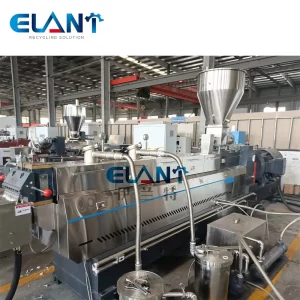
Plastic bottle recycling machines are pivotal in transforming waste into reusable materials, contributing significantly to environmental sustainability. However, their efficiency can be severely impacted by inconsistencies in energy supply. This article delves into the intricacies of these machines and explores how fluctuating energy use can compromise their operational stability and the quality of the recycled output.
Understanding Plastic Bottle Recycling Machines
Plastic bottle recycling machines represent an innovative solution in waste management, designed to process used plastic bottles into valuable raw materials. These sophisticated systems play a crucial role in reducing environmental impact by converting what would otherwise be landfill waste into resources for new products. The operation of such a machine involves several stages, each integral to the overall efficiency and the quality of the recycled plastic.
Components of Plastic Bottle Recycling Machines
A typical plastic bottle recycling machine is comprised of several key components working in unison. Each component’s design contributes to the overall efficiency of the plastic recycling process.
| Machine Component | Function |
|---|---|
| Shredder (often a single shaft shredder) | Breaks down plastic bottles into smaller, manageable flakes. |
| Washing Line | Ensures the material is clean and sorted, removing contaminants. |
| Pelletizing Machine | Transforms plastic flakes into uniform pellets, ready for manufacturing. |
How Plastic Bottles are Processed
The process within a plastic bottle recycling machine begins with the collection of used plastic. Once gathered, these plastic bottles are introduced into the system where they undergo a series of transformations.
| Stage | Description |
|---|---|
| Shredding | Bottles are reduced to small pieces. |
| Washing and Sorting | Pieces are thoroughly washed and sorted based on material type. |
| Pelletizing | Clean and sorted plastic is melted and reformed into uniform pellets. |
This crucial step of pelletizing prepares the plastic for subsequent manufacturing.
The Impact of Energy Use on Recycling Processes
Energy Stability and Machine Performance
The consistent performance of a plastic bottle recycling machine is intrinsically linked to the stability of its energy supply. When the energy input is stable, each component of the machinery, from the shredder to the pelletizing machine, operates at its optimal design specifications. This consistent operation ensures a high-quality output, where the recycled plastic pellets meet the strict standards required by manufacturers for producing new products. Stable energy also contributes to the longevity of the machine and reduces the need for frequent maintenance, thereby enhancing the overall efficiency and sustainability of the entire plastic recycling line.
Effects of Energy Fluctuations on Material Processing
Energy fluctuations can have a detrimental impact on the material processing within a plastic bottle recycling machine, directly affecting the quality of the recycled plastic. An unstable power supply can cause various issues throughout the process:
| Machine Component | Impact of Energy Fluctuations |
| Shredder | Erratic operation, leading to inconsistent flake sizes. |
| Washing Line | Ineffective cleaning and sorting based on material type, leaving contaminants. |
| Pelletizing Machine | Struggles to produce uniform pellets, resulting in low-quality pellets unsuitable for further manufacturing, which reduces the rate of effective recycling and environmental benefit. |
Case Studies of Energy Instability in Recycling Lines
Several real-world scenarios highlight the critical impact of energy instability on plastic recycling operations. In a municipal recycling facility in Europe, frequent power surges caused repeated shutdowns of their advanced single shaft shredder, leading to significant delays and reduced output of recycled plastic. Another case involved a facility utilizing reverse vending machines for collection, where inconsistent power prevented the accurate sorting of plastic bottles, increasing manual intervention and compromising the purity of the material for the washing and pelletizing processes. These instances underscore the necessity of a stable energy solution to maintain the efficiency and sustainability of any plastic bottle recycling machine.
Benefits of Consistent Energy Use in Recycling

Improving Efficiency in Shredding and Washing
Consistent energy use in a plastic bottle recycling machine significantly improves the efficiency of critical stages like shredding and washing. A stable power supply ensures that the shredder, particularly a single shaft shredder, can maintain a steady and optimal rotation speed, producing uniform flakes from the used plastic. This consistency then allows the washing line to effectively clean and sort the material based on material type, removing contaminants and preparing high-quality output for the subsequent pelletizing machine.
Enhancing the Quality of Recycled Plastic
By providing a stable energy flow to the plastic bottle recycling machine, the overall quality of the recycled plastic is greatly enhanced. When each component, from the shredder to the pelletizing machine, operates under consistent power, it ensures that the plastic bottles are processed efficiently and effectively. This stability directly impacts the uniformity and purity of the resulting plastic pellets, making them ideal for manufacturers to produce new products, thereby increasing the rate of successful plastic recycling and its environmental benefit.
Long-Term Benefits for Plastic Recycling Machines
Consistent energy use offers significant long-term benefits for the plastic bottle recycling machine and its associated machinery. Stable power reduces wear and tear on components, extending the lifespan of the shredder, washing line, and pelletizing machine. This reliability minimizes maintenance requirements and costly downtimes, contributing to a more sustainable and efficient operation. Such consistency ensures the machine can continuously produce high-quality recycled plastic, enhancing the overall profitability and environmental impact of the entire plastic recycling line for years to come.
Solutions for Energy Instability in Recycling Operations
Implementing Energy Management Systems
Implementing advanced energy management systems is a crucial solution for tackling energy instability in a plastic bottle recycling facility. These systems monitor and regulate power distribution to the plastic bottle recycling machine, including the shredder and pelletizing machine, ensuring a consistent supply. By optimizing energy use, they reduce the impact of fluctuations, safeguard the quality of the recycled plastic, and enhance the overall efficiency and sustainability of the entire plastic recycling process, providing a stable environment for processing used plastic.
Upgrading to More Reliable Equipment
Upgrading to more reliable equipment is a strategic solution to mitigate energy instability within a plastic bottle recycling machine. Modern machinery, designed with enhanced energy efficiency and stability features, can better withstand power fluctuations, maintaining consistent performance in the shredder, washing line, and pelletizing machine. This upgrade ensures a steady output of high-quality plastic pellets from the used plastic, reducing the need for manual intervention and improving the overall operational efficiency and the sustainability of the plastic recycling line for the manufacturer.
Training Staff on Energy Efficiency Practices
Training staff on energy efficiency practices is an essential solution to improve energy stability in a plastic recycling facility. Educated personnel can operate the plastic bottle recycling machine more efficiently, understanding how to optimize settings for the shredder, washing line, and pelletizing machine to reduce waste and prevent unnecessary energy spikes. This proactive approach ensures a more consistent process for handling used plastic, enhances the quality of recycled plastic, and contributes significantly to the long-term sustainability and environmental benefit of the entire plastic recycling operation.