
A purchasing manager may write “pelleting line” in an RFQ, while an equipment supplier may interpret the request as referring to a plastic pelletizing system. The terms are sometimes used loosely, but they are not technically identical across industries. In plastic recycling, pelletizing is the standard term for melting or extruding prepared plastic and cutting the polymer into uniform pellets. Pelleting is more commonly associated with compression-based pellet production in industries such as animal feed and biomass.
At a glance
- Correct plastics term: “Pelletizing” is the standard industry term for converting plastic melt or recycled feedstock into pellets
- Pelleting is different in many industries: it more commonly describes compression through a die in feed, biomass, and similar applications
- Terminology can overlap: buyers may still use “pelleting” loosely when referring to a plastic pelletizing line
- End product: uniform plastic pellets for downstream extrusion, molding, or compounding
- Key equipment: pelletizer or plastic pelletizing machine
- Main plastic pelletizing methods: strand, die-face/water-ring, and underwater pelletizing
- Buying rule: specify the resin, feedstock form, throughput, and cutting method instead of relying on the word “pelleting” or “pelletizing” alone
Why Plastic Recycling Uses “Pelletizing” Rather Than “Pelleting”?
The short answer: use “pelletizing” when referring to plastic recycling equipment and processes. In plastics, pelletizing describes the production of pellets from polymer material, typically by melting or extruding the plastic and then cutting it with a strand, die-face, water-ring, or underwater system. Industry literature and equipment specifications commonly use terms such as “pelletizer,” “pelletizing line,” and “underwater pelletizing.”
“Pelleting” is not simply an alternative spelling of pelletizing. In industries such as animal feed and biomass processing, pelleting commonly refers to compressing conditioned material through a die to form dense cylindrical pellets. The word may still appear informally in plastic purchasing documents, but “plastic pelletizing line” is the clearer and more technically appropriate term for equipment specifications, RFQs, and supplier comparisons.
How industry professionals actually use each term
Equipment manufacturers — especially in the United States — generally label their machines “pelletizers” and their lines “pelletizing systems.” When you see a plastic pelletizing machine in a spec sheet, it normally refers to equipment that melts or processes plastic feedstock and cuts the polymer into pellets. A buyer may loosely use the term “pelleting line” when requesting plastic pelletizing equipment, but the supplier should confirm the actual extrusion and cutting configuration rather than relying on terminology alone.
Granulating is a separate process rather than another name for pelletizing. In plastic recycling, a granulator typically uses rotating knives to reduce solid scrap into smaller flake or regrind before washing or extrusion. A pelletizer, by contrast, forms or cuts processed polymer into pellets, commonly through strand, die-face, or underwater systems. If a supplier uses the terms interchangeably, confirm whether the quoted machine is intended for size reduction or melt pelletizing before comparing specifications.
🔍 Worth checking: Ask any supplier whether their quoted machine uses a die-face, strand, or underwater cutting system before comparing prices. The cutting method determines which resins the machine handles well, and swapping it out after delivery is expensive.
Related Terms for Pellets, Regranulate, Regrind, and Flake
Plastic recycling invoices and spec sheets use several related material terms that should not be treated as exact synonyms:
- Recycled pellets or regranulate — terms sometimes used for recycled polymer that has been remelted and pelletized
- Regrind — ground plastic scrap produced by size reduction; it has not necessarily been remelted or pelletized
- Compound pellets — pellets blended with additives, colorants, fillers, or other polymers during compounding
- Flake — shredded or granulated plastic pieces used as an intermediate recycling feedstock; flake is not a pellet
For customs and HS code purposes, the guide to plastic recycling symbols matters less than the resin type (HDPE, PP, LDPE, etc.) and the form — pellet vs flake vs film — so confirm which description your logistics team is using on the commercial invoice.
What Plastic Pellets Are — and Why Virgin and Recycled Grades Differ
A plastic pellet is a small, pre-measured unit of thermoplastic resin designed for consistent feed into processing equipment. Pellet dimensions vary by resin type, cutter speed, and die geometry; confirm the exact size specification with the relevant US industry standard or your customer’s requirements rather than relying on a single published range.
The pellet form exists because bulk loose plastic — flake, film scraps, or irregular chunks — feeds inconsistently into extruders and injection machines. Uneven feed means uneven melt temperature, which means defective parts. Pellets solve that problem mechanically.
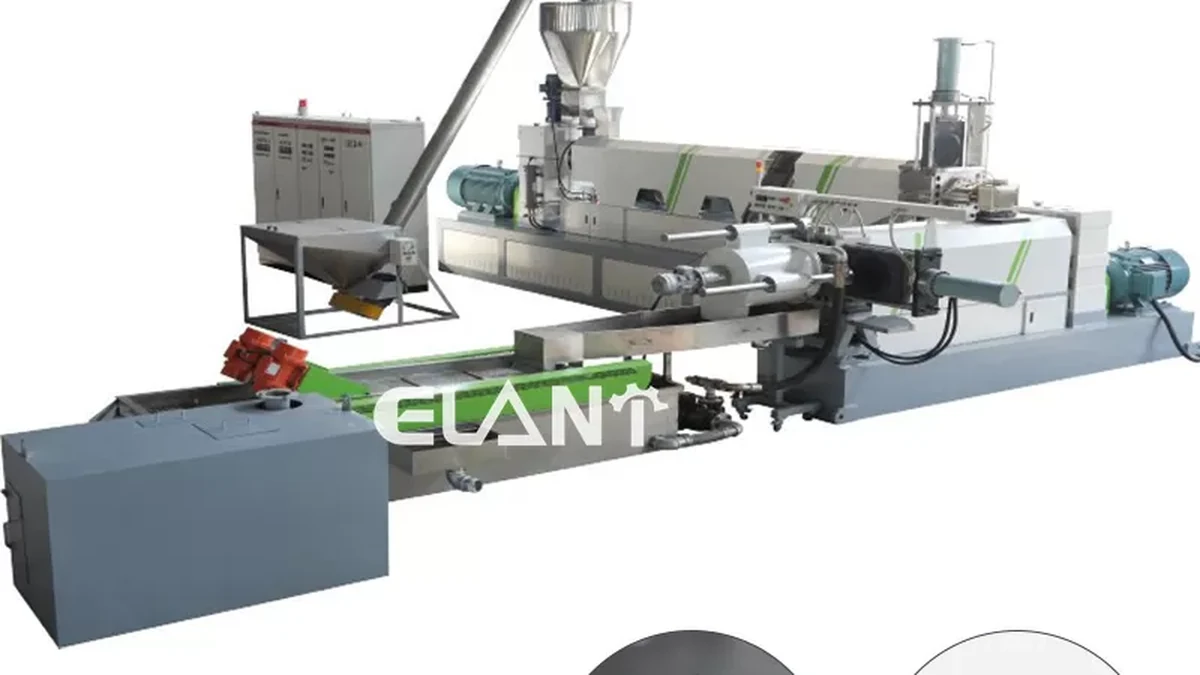
Virgin pellets: feedstock made directly from raw resin
Virgin pellets are made from polymer resin that has not previously been used in a finished product or recovered from waste. Depending on the polymer and production route, the resin may still undergo compounding, melt processing, and pelletizing before it is sold to converters.
The main advantage of virgin resin is its controlled formulation and known processing history rather than an absence of previous heat exposure. Its molecular weight distribution, additives, melt flow properties, and contamination level are generally more predictable than those of post-consumer recycled material.
Recycled pellets: what changes after waste plastic is reprocessed
Recycled pellets go through at least one prior heat cycle, plus exposure to whatever was in or on the original product — colorants, labels, residual contents, UV degradation. Each of those factors degrades the polymer chain to some degree.
Recycled pellets have already passed through at least one previous product life and usually another melt-processing cycle during recycling. Thermal and mechanical reprocessing can cause chain scission, oxidation, or changes in molecular weight, while contaminants, additives, and mixed polymers can alter the finished material’s properties.
As a result, recycled pellets can show lower or more variable mechanical properties than comparable virgin resin, but the degree of change depends on polymer type, previous aging, contamination, formulation, and the number of processing cycles. Buyers should therefore rely on measured properties such as melt flow, tensile strength, impact resistance, and contamination level rather than assuming a fixed percentage loss.
🚫 Avoid uncontrolled resin mixing: Many polymer combinations are immiscible or only partially compatible, so contamination can cause phase separation and unpredictable mechanical properties after pelletizing. Even common PP/HDPE mixtures require control of composition and, in some applications, compatibilization. Sort resins according to the quality requirements of the intended end use.
Why the Pellet Form Matters for Downstream Manufacturing
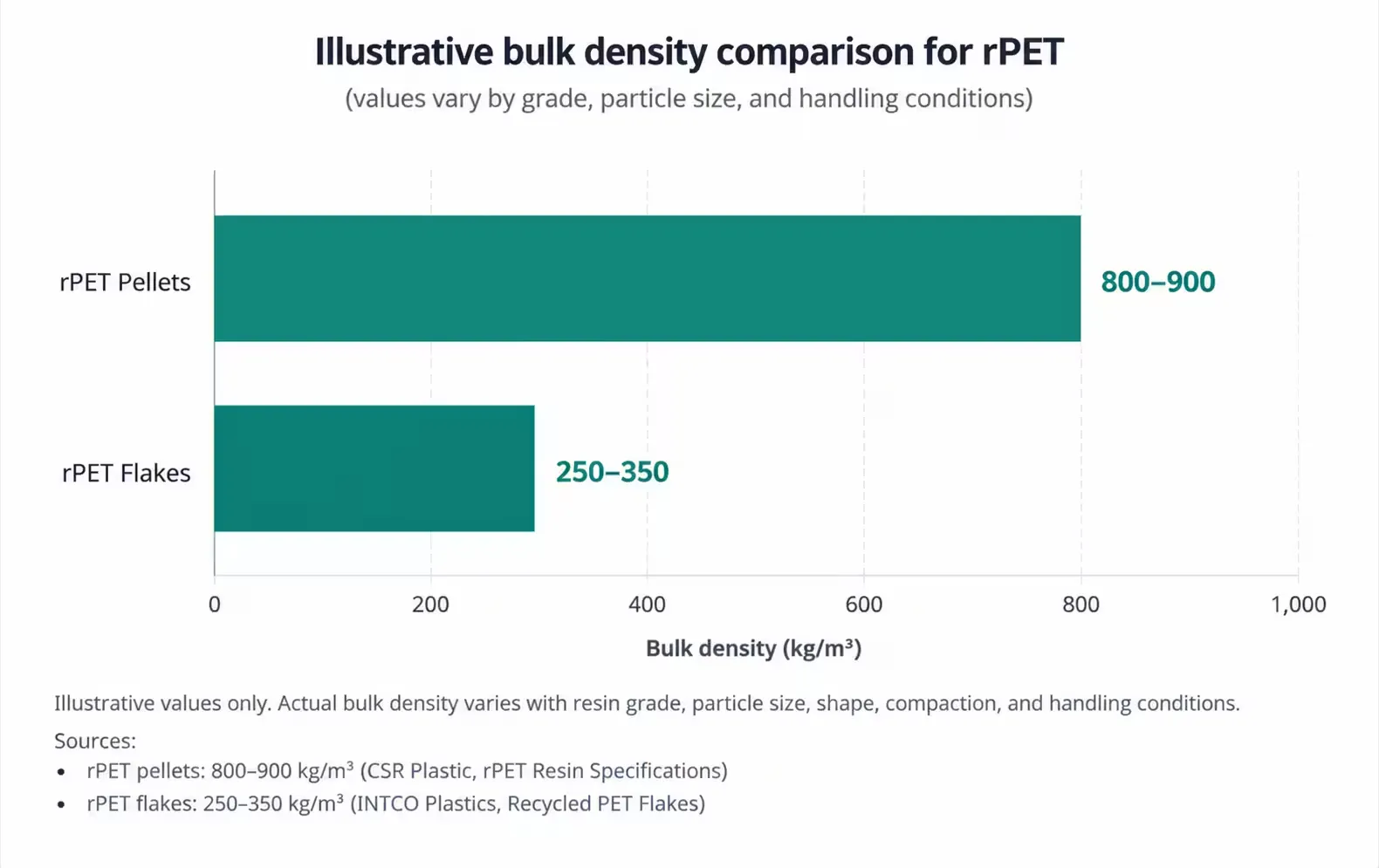
Compared with loose flakes or film scraps, pellets are generally easier to meter, store, and transport because their more uniform shape and higher bulk density improve handling consistency. They can be conveyed and packed more efficiently in bulk containers such as super sacks, gaylords, or railcar hoppers.
For a recycler, this matters commercially. Recycled pellets command a meaningfully higher price per pound than equivalent-quality flake because converters price in their own processing risk. A clean, consistent pellet stream eliminates their sorting and feeding problems — and they pay for that certainty.
Pellet uniformity also affects downstream processing: pellets with a consistent size and shape feed and melt more predictably. Film extrusion lines, in particular, can be sensitive to excessive fines or oversized pellets, which may contribute to unstable feeding or melt-pressure variation. A properly configured pelletizing system helps reduce these problems at the source.
The logistical benefits extend to plastic recycling operations that ship long distances. Flake and film have poor bulk density — they move more air than plastic. Pellets can pack significantly more material per truckload than equivalent flake or film, which directly reduces freight cost per pound of resin delivered; the actual improvement depends on resin type and packaging format, so verify with your logistics provider.
How the Pelletizing Process Turns Waste Plastic into Uniform Pellets
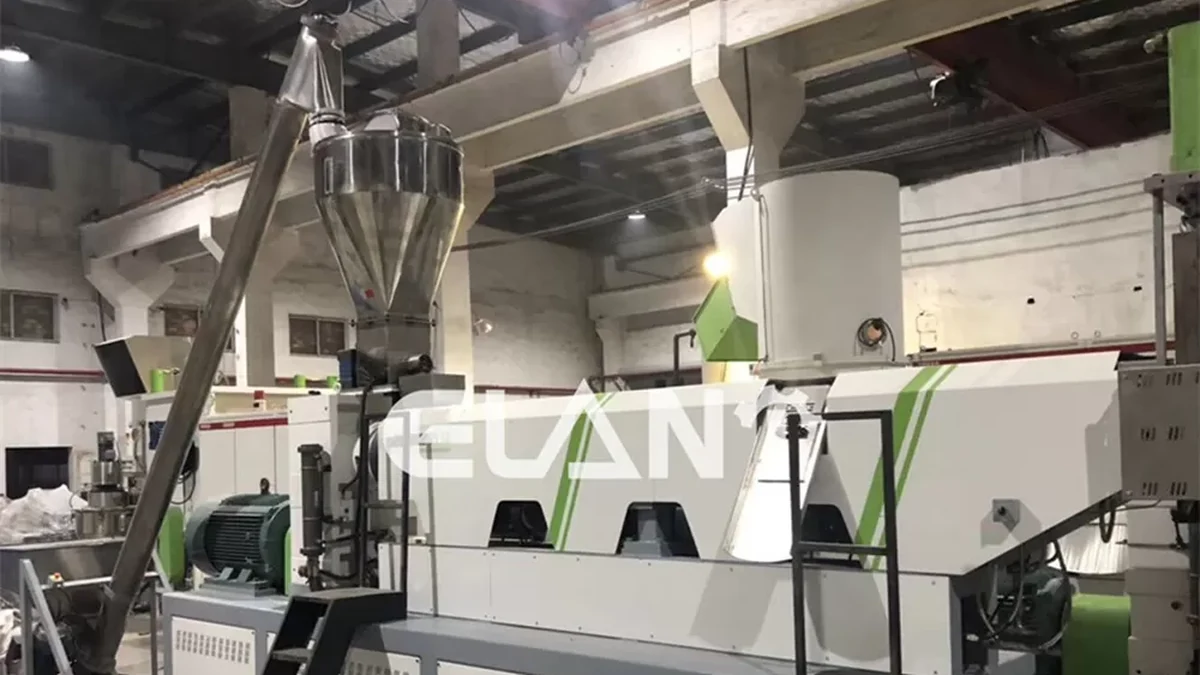
The core plastic recycling process has four stages: feed preparation, melting, die-and-cut, and classification. A single-screw or twin-screw extruder handles the middle two; the others are mechanical.
Feeding and melting: preparing the plastic melt
Waste plastic — whether post-consumer bottles, industrial film, or injection molding sprues — enters the pelletizing line after shredding and, where needed, washing. The shredded material feeds into the extruder hopper, where screw geometry and barrel heat work together to melt it into a homogeneous melt.
Moisture is the main enemy at this stage. Wet feed causes bubbles in the melt and voids in the finished pellet, which lowers pellet quality. Drying or degassing — either a standalone dryer or a vented extruder barrel — is standard practice for hygroscopic materials like PET and nylon.
Die face, strand, and underwater cutting methods compared
The three cutting systems each suit different resin types and throughput targets:
- Strand pelletizing: melt exits through a multi-hole die as spaghetti-like strands, cools in a water bath, then feeds into a rotary cutter. Simple, low-maintenance, widely used for rigid materials (HDPE, PP, PS). Throughput varies considerably depending on machine size and configuration; consult your equipment supplier for capacity ranges relevant to your resin and application.
- Die-face (hot-face) pelletizing: a rotating blade cuts pellets directly at the die face while a water ring carries them away. Eliminates the strand cooling section, saves floor space, suits soft or tacky materials like EVA and LDPE film.
- Underwater pelletizing: blades cut at the die face inside a water-filled cutting chamber. The most controlled method — pellets cool instantly, producing the tightest size distribution. Standard for high-output compounding lines and engineering resins. Capital cost is higher, but pellet quality justifies it at scale.
✅ Do this: Match the cutting method to the resin, melt characteristics, throughput, and pellet-quality requirements before specifying equipment. Strand, water-ring, die-face, and underwater pelletizing systems are not equally suitable for every polymer or application. Ask the supplier to demonstrate experience with your specific resin, feedstock condition, and target pellet quality before selecting the cutting system.
Cooling and classifying the finished pellets
After cutting, wet pelletizing systems remove process water before the pellets are screened or classified. Underwater and water-ring systems commonly use dedicated pellet drying equipment, while dry-cut strand systems may use different cooling and handling arrangements. Screening or classification then helps remove excessive fines, agglomerates, or oversized pellets before storage or downstream processing.
Finished recycled pellets are typically conveyed to bulk bags or gaylords for shipment. Some pelletizing lines include inline color sorting or metal detection — worth specifying if your feedstock has contamination risk, since one off-spec pellet in a film extrusion run can cause a full-roll reject.
Four Major Sectors That Rely on Recycled Plastic Pellets
The ways to recycle plastic are only valuable if there are buyers for the output. Recycled pellets serve four commercial sectors at meaningful scale in the United States:
Packaging is the largest consumer of recycled plastic pellets by volume. HDPE bottles, PP containers, and PET trays all have well-established recycled-content supply chains.
Brands facing extended producer responsibility requirements — which in the United States are currently enacted at the state level (check your state’s specific program, as requirements vary) rather than as a federal EPA mandate; confirm applicable rules with the relevant state authority — EPA extended producer responsibility are actively increasing recycled-content specifications, which supports pellet demand.
Construction uses recycled HDPE and PVC pellets in pipe, decking, and lumber-substitute profiles. These applications tolerate cosmetic variability better than consumer packaging, making them a natural outlet for lower-grade recycled streams.
Automotive is a growing buyer of compounded recycled pellets — particularly PP and ABS — for interior trim, underbody shields, and non-structural panels. Tier-1 suppliers typically specify recycled content by percentage, not by origin, so pellet quality documentation matters more than the recycling story.
Consumer goods includes furniture components, storage bins, and toys. These applications cover a wide range of quality tiers, from high-clarity PP pellets for visible parts to opaque filled compounds for structural cores.
Does plastic recycling work commercially in all four sectors? Yes — where the pellet quality is consistent and documented. The sectors that struggle with recycled content are those with tight color or clarity specs and no tolerance for melt flow variation. That’s a pellet quality problem, not a fundamental barrier to recycled material.
Decide Whether Upgrading to a Pelletizing Line Makes Economic Sense for Your Operation
If you’re currently selling shredded flake or baled film, the question isn’t whether pelletizing is better — it’s whether the margin improvement justifies the capital and operating costs at your throughput.
Cost inputs: energy, labor, and equipment against pellet sale price
The economics of a pelletizing line depend heavily on resin type, equipment configuration, throughput, automation, filtration requirements, and local operating costs. Installed cost can vary substantially, so budgeting should start with current supplier quotations matched to the actual feedstock and required output quality.
Energy consumption is another major operating cost. If a line consumes approximately 0.15–0.35 kWh per kilogram of output, electricity cost must be calculated using the plant’s actual industrial tariff rather than a fixed national assumption. At an electricity price of about $0.089/kWh, that energy range would equal roughly $0.006–$0.014 per pound of pellet output before labor, maintenance, drying, filtration, and yield losses are included.
Pelletizing can increase the value of a recycled material stream, but the realized price premium over flakes varies with resin, contamination level, pellet specifications, regional market conditions, and buyer contracts. A reliable payback calculation should therefore use the recycler’s actual equipment quote, expected utilization, electricity and labor costs, maintenance requirements, yield loss, and confirmed selling price rather than a generic pellet-versus-flake premium.
🔍 Worth checking: Before ordering a pelletizing line, obtain firm purchase requirements or indicative pricing from likely pellet buyers. A higher-value pellet product only improves project economics if the plant can consistently meet the buyer’s resin, contamination, melt-flow, color, and volume specifications.
Signs your current operation is still 「waste disposal」 rather than 「material recovery」
The distinction matters financially and operationally:
- You price your output by the ton to a broker, not by the pound to a converter
- You don’t sort by resin type before shredding
- You have no melt flow index data on your output
- Your customers don’t specify pellet size, color, or contamination limits
- You’re selling flake at or below landfill-avoidance value
If several of these conditions apply, upgrading sorting, washing, and quality control may be more important than adding a pelletizing line immediately. A pelletizing system cannot correct inconsistent resin sorting, contamination, or undocumented feedstock quality; those upstream issues will carry through into the finished pellets. Sorting, washing, and quality documentation have to come first. A pelletizing system applied to unsorted, undocumented feedstock produces unsorted, undocumented pellets. The machine doesn’t create material value; it preserves the value that proper upstream handling creates.
The benefits of recycling plastic — lower energy use per unit of resin delivered to market, reduced plastic waste in landfills, a genuine raw material cost reduction for converters — only flow through when the entire process chain is run as material recovery, not as waste disposal with an extra machine at the end.
✅ Do this: Before specifying a pelletizing line, audit feedstock sorting, washing, moisture control, and contamination levels first. Improving upstream consistency can deliver more value than adding pelletizing capacity to a poorly controlled feed stream.
Have a project or a spec sheet in hand? Talk to elantmachine.com — real engineers answer.
FAQ
Do you need to wash plastic before pelletizing?
Usually yes for post-consumer plastic. Dirt, labels, oils, food residue, and incompatible polymers can remain in the melt and reduce pellet quality. Clean industrial scrap may sometimes be pelletized after shredding without a full washing line, but contaminated post-consumer feedstock normally requires sorting and washing before extrusion and pelletizing.
Can mixed plastics be pelletized together?
Mixed plastics can be pelletized in some cases, but only when the polymer combination and end-use requirements allow it. Many polymers are immiscible or only partially compatible, so uncontrolled mixing can cause phase separation, unstable melt flow, inconsistent mechanical properties, or visible defects in the finished pellets. Even combinations such as PP and HDPE should be evaluated by composition and application, and compatibilizers may be required in some formulations. For most recycling operations, resin sorting before pelletizing remains the safer approach unless the mixed-plastic formulation has already been validated.
When should a recycling plant add a plastic pelletizing line?
A pelletizing line makes the most sense when the plant already produces consistently sorted and washed material, has enough stable throughput to keep the extruder utilized, and has buyers that prefer pellets over flakes. Adding pelletizing before fixing contamination, sorting, or washing problems usually transfers those upstream defects directly into the finished pellets.
Sources
[1] EPA calls for developing national EPR framework — packagingdive.com
[2] Plastics Standards – Standards Products — store.astm.org
[3] Plastic Recycling Equipment Market Size, Share & … — marketresearchfuture.com
[4] A systematic review of plastic recycling: technology … – PMC — pmc.ncbi.nlm.nih.gov
[5] Plastics Recycling Glossary — plasticsrecycling.org
[6] Environmental and economic assessment of mixed plastic … — sciencedirect.com