
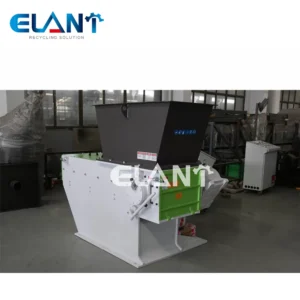
In an era where sustainability is paramount, small plastic recycling machines offer an accessible and efficient solution for managing plastic waste. This article delves into the intricacies of these machines, emphasizing how they tackle feedstock variability to produce consistent, high-quality output, contributing significantly to a circular economy.
Understanding Plastic Recycling
Plastic recycling is a critical process that transforms discarded plastic materials into reusable products, significantly mitigating environmental impact and helping to reduce plastic waste through effective pet bottle washing methods. It is more than just collecting waste; it involves a sophisticated series of steps designed to preserve resources, reduce pollution, and manage various waste streams effectively.
What is Plastic Recycling?
Plastic recycling is the process of recovering scrap or waste plastic and reprocessing the material into useful products, preventing it from ending up in landfills or polluting natural environments, thus addressing the issue of plastic waste in landfills. This fundamental practice is essential for sustainable waste management, transforming plastic waste into valuable resources and helping to reduce plastic through innovative recycling applications.
Importance of Recycling Plastic Waste
Recycling plastic waste is crucial for environmental preservation, resource conservation, and reducing pollution, highlighting the importance of the recycling industry. It helps in minimizing the extraction of virgin materials, lowers energy consumption during manufacturing, and significantly reduces the amount of plastic pollution that plagues our oceans and land.
Types of Plastic and Their Recyclability
There are numerous types of plastic, each with varying recyclability, often identified by a resin identification code, which is crucial for recycling all types of plastics. Common plastic types include PET, HDPE, PVC, LDPE, PP, PS, and “Other,” with PET and HDPE being among the most widely recycled plastics due to their prevalent use in packaging, highlighting the importance of recycling all types of plastics.
Plastic Recycling Machine Overview

A plastic recycling machine is an integrated system designed to convert waste plastic into valuable raw materials, often utilizing complete recycling lines for efficiency, which can facilitate small-scale recycling. These machines vary in complexity and capacity, ranging from compact units ideal for small-scale operations to extensive industrial shredders used in large recycling plants, including specialized bottle shredders.
Components of Plastic Recycling Equipment
Plastic recycling equipment typically comprises several key components, including a plastic shredder or crusher, a washing system, and often a pelletizing machine for further processing. Each component plays a vital role in preparing the plastic waste for its next life cycle.
How a Mini Plastic Recycling Machine Works
A mini plastic recycling machine efficiently processes smaller volumes of plastic waste, turning it into reusable materials. It typically starts with a shredder that reduces the plastic waste into smaller pieces using plastic shredding machines, followed by cleaning and further processing to prepare it for new product manufacturing. For more information, please visit our website: https://www.elantmachine.com/product/small-scale-plastic-shredder-machine/ to explore our range of plastic recycling machines for sale, including suitable options for small businesses.
Plastic Shredder vs. Plastic Granulator
While both a plastic shredder and a plastic granulator reduce the size of plastic materials, they serve distinct purposes. A plastic shredder is designed for initial size reduction of bulkier, rigid plastic or large items, creating irregular smaller pieces. In contrast, a plastic granulator, often referred to as a plastic crusher, produces more uniform, smaller granules from pre-shredded plastic or smaller waste plastic, enhancing the efficiency of plastic for further processing.
Managing Feedstock Variability
Challenges of Feedstock Variability
Managing feedstock variability is a critical challenge in plastic recycling, as the incoming plastic waste often comprises various types of plastic, sizes, and contamination levels, impacting recycling applications. This inconsistency directly impacts the efficiency of the plastic recycling machine and the quality of the final recycled plastic materials. Without proper management, the resulting recycled products may lack the desired properties, making them unsuitable for high-quality applications.
Techniques to Achieve Consistent Output Quality
To achieve consistent output quality from a plastic recycling machine, several techniques are employed, including the use of plastic shredding machines designed for easy recycling. These include meticulous sorting of plastic waste by plastic type, pre-washing to remove contaminants, and employing versatile shredder or granulator systems capable of processing a range of plastic materials effectively. Advanced recycling equipment often integrates sensors and automated sorting technologies to enhance the consistency of the feedstock before it enters the main recycling process, ensuring a more uniform plastic product.
Importance of Material Preparation
Material preparation is paramount in the plastic recycling process, significantly influencing the performance of the plastic shredder and the quality of the final output. Proper pre-treatment, which includes sorting and cleaning the plastic waste, ensures that the plastic recycling machine operates efficiently, reduces wear and tear on components, and prevents contamination of the recycled plastic. This meticulous preparation is essential for producing high-quality recycled plastic that can be reintegrated into manufacturing processes for new plastic products.
Types of Plastic Recycling Machines
Plastic Shredder Machines
Plastic shredder machines are fundamental components in any plastic recycling plant, designed to reduce large and bulky plastic waste into smaller pieces, facilitating the recycling of various types of plastic waste. These robust industrial shredders can handle a wide range of plastic materials, from rigid plastic to plastic film, preparing them for subsequent processing steps like washing, granulation, or extrusion. The versatility of a plastic shredder is crucial for initial size reduction, making it an indispensable part of a comprehensive waste recycling solution, especially suitable for small businesses. For more details on our products, please visit: https://www.elantmachine.com/product/plastic-crusher-machine/
Plastic Crushers and Their Uses
Plastic crushers, often referred to as plastic granulators, play a vital role in further reducing the size of plastic waste, typically after it has been processed by a plastic shredder. These machines produce uniform, smaller granules from various types of plastic, including PET bottles, PP, and PVC, making them suitable for extrusion or injection molding. A plastic crusher is essential for achieving the precise particle size required for high-quality plastic recycling and the manufacture of new plastic products.
Industrial Shredders for Large-Scale Recycling
Industrial shredders are engineered for large-scale recycling operations, capable of processing significant volumes of plastic waste with high throughput. These powerful machines are at the heart of major plastic recycling plants, handling everything from large industrial plastic items to a diverse range of mixed plastic materials, making them essential in various recycling applications. Their robust design and efficiency are crucial for commercial waste plastic recycling businesses aiming to convert vast quantities of plastic waste into reusable resources, thereby supporting a circular economy.
Cost Considerations
Plastic Recycling Machine Price Factors
The plastic recycling machine price can vary significantly based on several factors, including its capacity, the types of plastic it can process, such as those handled by a plastic bottle recycling machine, and the level of automation. Smaller, mini plastic recycling machines designed for basic plastic shredding and granulating will naturally have a lower initial investment compared to large industrial shredders or comprehensive recycling systems that include washing and pelletizing machines. The versatility to handle various types of plastic, such as rigid plastic, plastic film, or PET bottles, also plays a crucial role in determining the overall cost of recycling equipment, as more specialized machinery often commands a higher price.
Investment in Plastic Recycling Equipment
Investing in plastic recycling equipment is a strategic decision for any recycling business looking to process plastic waste efficiently and sustainably. While the initial plastic recycling machine price might seem substantial, it’s essential to consider the long-term benefits and potential returns. A high-quality plastic shredder, granulator, or a complete plastic recycling plant can significantly reduce operational costs by converting waste plastic into valuable reusable materials, mitigating the expense of virgin plastic. This investment supports a robust waste recycling solution, allowing businesses to thrive in the growing market of plastic recycling.
Long-term Savings and Environmental Benefits
The long-term savings and environmental benefits of investing in a plastic recycling machine are immense, especially considering the tons of plastic that can be processed. By enabling the efficient processing of plastic waste, businesses can drastically reduce their landfill contributions and reliance on new plastic production, leading to substantial cost reductions in raw materials and waste disposal. Furthermore, operating a plastic recycling plant, even a mini plastic recycling machine, significantly lessens the environmental footprint by conserving natural resources and decreasing energy consumption, reinforcing a commitment to sustainable practices and contributing to a healthier planet.
The Recycling Process
Steps in the Plastic Recycling Process
The plastic recycling process typically involves several key steps to transform plastic waste into reusable plastic materials, including film recycling methods. Initially, plastic waste is collected and sorted by plastic type, followed by cleaning to remove contaminants from various plastic waste streams. Next, a plastic shredder or granulator reduces the size of the plastic, creating smaller pieces that can be effectively processed in various recycling applications. These pieces are then often washed again and dried before being melted and extruded into plastic pellets, which are the fundamental building blocks for new plastic products, especially in small-scale recycling. Each stage of the recycling process is critical to ensure the production of high-quality recycled plastic, which is essential for various recycling applications.
From Waste Plastic to Plastic Pellets
The journey from waste plastic to plastic pellets is a transformative one, driven by efficient plastic recycling machinery and advanced plastic grinder technology, crucial for the recycling industry. After the initial shredding and cleaning, the smaller pieces of plastic are fed into an extrusion machine. This machine melts the plastic and forces it through a die, forming continuous strands. These strands are then cooled and cut into uniform plastic pellets, a crucial step for manufacturing new plastic products. This process effectively converts what was once discarded waste into valuable raw material, ready for various applications and supporting a circular economy by minimizing plastic waste in landfills.
Extrusion Techniques in Recycling
Extrusion techniques are fundamental to the final stages of plastic recycling, converting processed plastic materials into usable forms like plastic pellets, often utilizing complete recycling lines. These techniques involve melting the clean, shredded plastic and forcing it through a die under high pressure, allowing for precise shaping and sizing. The versatility of modern recycling equipment means various types of plastic, including PP and PVC, can be effectively extruded, thereby enhancing the capabilities of film recycling lines and supporting easy recycling initiatives. This advanced process ensures that the recycled plastic is consistently high-quality, making it suitable for a wide range of new applications and further enhancing the value of the recycled plastic.
Conclusion
Future of Plastic Recycling
The future of plastic recycling looks promising, with continuous advancements in plastic recycling machine technology and a growing global commitment to sustainability. Innovations in recycling equipment, particularly in areas like advanced sorting, more efficient plastic shredder designs, and sophisticated extrusion techniques, are set to enhance the capabilities of plastic recycling plants worldwide. As the demand for high-quality recycled plastic materials increases, the industry will continue to evolve, making waste plastic recycling more accessible and effective, thereby creating a more sustainable future for plastic products.
Linking to Resources for Further Information
For those interested in delving deeper into the specifics of plastic recycling, including the mechanics of various plastic shredder machines and the intricacies of the recycling process, numerous resources are available. Academic papers, industry reports, and specialized recycling business websites offer comprehensive insights into topics such as feedstock variability management and the benefits of different types of plastic recycling equipment. Engaging with these resources can provide a thorough understanding of how a small plastic recycling machine contributes to global waste management efforts and sustainable practices, particularly for small businesses.
For more detailed information regarding small-scale plastic shredder machines and their role in efficient waste plastic recycling, please visit our website. Explore our offerings at https://www.elantmachine.com/product/ to discover how our machinery can contribute to your plastic recycling operations and help you achieve your sustainability goals.