
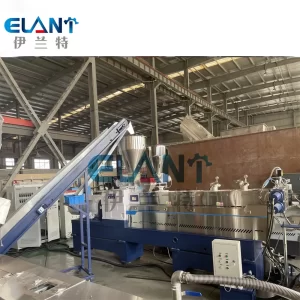
Plastic recycling is a critical environmental and economic endeavor, transforming discarded post-consumer plastics, especially packaging materials, into valuable raw material. This article delves into the essential machinery that makes this transformation possible, from the initial size reduction to the final granulation, ensuring a sustainable future for the plastics industry.
Understanding Plastic Recycling
The Importance of Recycling Plastics
The ever-increasing volume of plastic waste, including PVC, necessitates robust plastic recycling solutions to manage the diverse streams effectively, particularly through dual shaft shredders for enhanced efficiency. Recycling plastics, particularly ldpe and ps, not only mitigates environmental pollution but also conserves resources and reduces energy consumption. This issue is often associated with virgin plastic production and the waste streams generated from it. Modern recycling plants are equipped to handle diverse types of plastic materials, including ldpe and ps, from post-consumer waste to industrial plastic scrap, converting them into valuable raw material for new products. This comprehensive approach to plastic recycling is crucial for achieving a circular economy, promoting the reuse of materials, especially packaging materials.
Types of Plastic Recycling Processes
Plastic recycling encompasses various processes, each tailored to specific types of plastic, such as ldpe and pvc, and desired outcomes for reuse. Mechanical recycling involves the physical transformation of plastic waste, often beginning with size reduction through machinery like a shredder or granulator, and can include film shredding for specific applications.. Chemical recycling, on the other hand, breaks down plastic polymers into their constituent monomers or other useful chemicals, which can then be repolymerized. Both types of plastic recycling processes play a vital role in managing the tons of plastic generated globally, offering different pathways for repurposing plastic materials and addressing diverse waste streams.
Benefits of Using Recycling Machines
The adoption of specialized recycling machines, such as extruders and classifiers, offers numerous benefits for efficient plastic recycling operations. These include enhanced throughput, improved material quality for subsequent recycling, and significant cost reductions, making advanced equipment suppliers critical to the process of recycling packaging materials. Industrial plastic shredders and plastic granulators, along with conveyor systems, are fundamental to these processes, enabling the effective processing of plastic scrap and hard plastics into a more manageable form.. Utilizing robust recycling equipment and advanced recycling machinery helps to optimize the entire plastic recycling process, from initial shredding to the final production of plastic pellets, making the recycling business more viable and sustainable.
Plastic Recycling Machines

Overview of Recycling Equipment
Effective plastic recycling relies heavily on a suite of specialized recycling equipment designed to process plastic waste into reusable raw material, supplied by leading manufacturers in the industry. These plastic recycling machines are engineered to handle various types of plastic, from post-consumer waste like PET bottles and PE film to rigid plastic and industrial plastic scrap. The primary goal of this machinery, including single shaft shredders, is to facilitate size reduction and material preparation, ensuring the plastic is suitable for subsequent recycling stages, particularly in processing packaging materials.The recycling process often leads to the production of high-quality plastic pellets from ldpe and ps materials.
Shredders: Types and Functions
Shredders are fundamental to the initial stages of the plastic recycling process, providing essential size reduction for large-volume or bulky plastic waste streams.. Industrial plastic shredders come in various configurations, such as single-shaft shredders, which are particularly effective for shredding plastic items like plastic film and other types of plastic materials, including hard plastics. These plastics shredding machines are designed to powerfully shred plastic, transforming large pieces of plastic scrap into smaller, more manageable fragments, thus improving the throughput for subsequent recycling lines and preparing the material for granulation.
Granulators: How They Work
Following the initial shredding process, granulators take over to further refine the size reduction of the plastic materials, preparing them for reuse in injection molding applications, ensuring optimal material size. Plastic granulators are equipped with rotating blades that cut the shredded plastic into uniform flakes or granules, essential for producing high-grade recycled materials.Extruders, which are essential for the next stages of plastic recycling, such as extrusion or pelletizing, play a critical role in transforming processed materials. These recycling machines are crucial for processing plastic into a consistent raw material stream, ensuring the quality of the final plastic pellets and facilitating high throughput. They are integral to achieving the desired particle size and density for effective downstream recycling operations.
Choosing the Right Machinery
Factors to Consider When Selecting a Shredder
Choosing the right shredder for your plastic recycling operations involves considering several key factors, including material size, to optimize the plastic recycling process. The type of plastic waste, such as the volume of plastic film, PET bottles, or other hard plastics, dictates the required shredding capacity and the design of the industrial plastic shredder to optimize the recycling stream.. Additionally, the desired output size of the shredded plastic, the motor power, and the durability of the recycling equipment are critical for efficient processing of plastic and maximizing the throughput of your recycling plant.
Evaluating Different Granulator Options
When evaluating granulator options, it’s important to match the granulator’s capabilities with the specific needs of your in-house plastic recycling business, especially regarding material size. Factors such as the input material’s size (from shredded plastic), the desired output flake size, and the overall recycling capacity are paramount. Different granulators are designed for various types of plastic materials, from flexible plastic film to rigid plastic, ensuring efficient size reduction and preparation for subsequent recycling steps like pelletizing. The choice will significantly impact the quality of the plastic pellets and the overall efficiency of your recycling lines.
Integrating Other Recycling Equipment
Optimizing the plastic recycling process often involves integrating a range of other recycling equipment, such as single shaft shredders, alongside shredders and granulators to create comprehensive recycling lines. This can include film washing lines equipped with centrifugal dryers for film recycling, as well as separators to improve the purity of the post-industrial plastic scrap, enhancing the overall recycling process. Further integration may involve pelletizers and extrusion machinery to manufacture plastic pellets from the processed raw material, often stored in intermediate bulk containers for efficiency. This holistic approach to machinery selection and integration ensures a highly efficient and effective plastic recycling operation, capable of transforming tons of plastic waste into valuable resources.
Industrial Plastic Recycling
Importance of Industrial Plastic Shredders
Industrial plastic shredders are indispensable to the modern recycling plant, forming the backbone of efficient industrial plastic recycling operations, particularly for handling diverse plastic streams.. These robust recycling machines are engineered to handle large-volume industrial plastic waste, including bulky rigid plastic, pipes, and thick plastic film, performing the crucial initial size reduction. By effectively shredding plastic scrap, industrial plastic shredders prepare the raw material for subsequent recycling stages, significantly increasing the overall throughput of the plastic recycling process and making the recycling business more economically viable.
Maximizing Efficiency in Large-Scale Recycling
Maximizing efficiency in large-scale plastic recycling operations hinges on the strategic integration of specialized recycling equipment, including powerful industrial plastic shredders and high-capacity granulators. Optimizing the flow of plastic materials through the recycling lines, from the initial shred plastic phase to the final pelletizing process, is paramount for leading manufacturers. Advanced recycling machinery, such as single-shaft shredders for tough materials and specialized plastic granulators for uniform flake production, ensures consistent throughput and high-quality output, transforming tons of plastic waste into valuable plastic pellets ready for new manufacturing.
Case Studies: Successful Industrial Recycling Projects
Numerous case studies highlight the success of industrial plastic recycling projects, often showcasing the pivotal role of advanced recycling equipment, particularly for post-industrial plastics. For instance, a major automotive manufacturer implemented a sophisticated system featuring an industrial plastic shredder capable of processing large plastic bumpers and interior components, followed by a granulator that produced high-quality plastic pellets from the rigid plastic scrap. Similarly, a large agricultural cooperative established a film recycling plant that efficiently processed tons of PE film and plastic film using a single-shaft shredder and an integrated film washing line, demonstrating the tangible benefits of choosing the right plastic recycling machines for diverse plastic materials.
Sustainability and the Future of Plastic Recycling
The Role of Plastic Pellets in Recycling
Plastic pellets, produced from both post-consumer and post-industrial plastics, are the ultimate raw material serving as the fundamental building blocks for new plastic products, often created through advanced pelletizer technology.. After the plastic waste undergoes size reduction via shredders and granulators, and further purification through separators and washing lines, the resulting flakes are typically fed into pelletizers. These plastic pellets, often made from recycled HDPE, PP, or PET, are crucial for closing the loop in the plastics industry, enabling the manufacture of new items from post-consumer and industrial plastic scrap, thereby reducing reliance on virgin plastic and promoting a circular economy.
Innovations in Recycling Technologies
Innovations in recycling technologies, including advanced extruders and conveyor systems, are continuously transforming the plastic recycling landscape, making the processing of plastic waste more efficient and diverse.. Beyond traditional shredders and granulators, advancements include sophisticated optical sorters that improve the purity of plastic scrap, and enhanced film washing lines equipped with advanced centrifugal dryers for more effective film recycling. Furthermore, novel chemical recycling methods complement mechanical recycling, allowing for the reclamation of plastic materials that were previously unrecyclable. These innovations collectively optimize the entire recycling process, enabling modern recycling plants to handle an even wider array of post-consumer plastics with high throughput and greater efficiency.
Building a Sustainable Recycling Framework
Building a truly sustainable recycling framework requires a comprehensive approach that integrates robust plastic recycling machines, innovative technologies, and supportive policies for the reuse of materials. This framework emphasizes not only the efficient shredding, granulation, and pelletizing of plastic materials but also the development of closed-loop systems where plastic pellets consistently re-enter the manufacturing cycle. Encouraging the use of recycled content, investing in advanced recycling equipment like industrial plastic shredders and high-capacity granulators, and fostering collaboration across the plastics industry are all crucial steps. This holistic strategy aims to reduce the overall environmental impact of plastic waste and secure a more sustainable future for generations to come by promoting the recycling of packaging materials.