
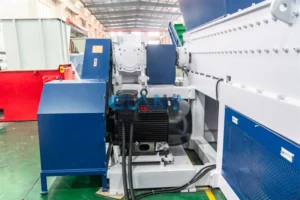
Plastic shredders are a cornerstone of modern recycling efforts, transforming bulky plastic waste into manageable fragments. However, these vital machines are not without their challenges, particularly concerning the intricate issue of knife clearance. This article delves into the complexities of plastic shredders, their role in recycling, and the persistent problems associated with maintaining optimal knife clearance for efficient and effective operation.
Understanding Plastic Shredders
What is a Plastic Shredder?
A plastic shredder is an industrial machine specifically designed to break down plastic materials into smaller, more uniform pieces. This size reduction is a crucial first step in the complete recycling process, preparing various types of plastic waste for further processing. Industrial plastic shredders are robust and engineered to handle a wide range of plastic items, from post-consumer plastics to industrial plastic scrap, effectively contributing to waste management and the creation of valuable plastic pellets for reuse.
Types of Plastic Shredders
There are several types of plastic shredders and plastic grinders, each optimized for different plastic waste and throughput requirements. Single-shaft shredders and twin-shaft shredders are common, with multi-shaft shredders also available for specific applications in shredding plastic waste and enhancing the efficiency of plastic recycling equipment. Each shredder machine utilizes a rotor with knives to shred plastic into smaller pieces for efficient processing in recycling facilities, which is vital for reducing plastic waste. Granulators, though often used in conjunction with shredders, offer finer size reduction for plastic components. The choice of shredder depends on the type of plastic scrap, desired output size, and the overall capacity of the plastic recycling line or recycling system.
Importance of Shredding in Plastic Recycling
Shredding is fundamental to effective plastic recycling, offering numerous benefits. By breaking down plastic products and industrial plastic waste, shredders reduce the volume of plastic, making transportation and storage more efficient and cost-effective. This initial processing of plastic scrap is essential for subsequent steps like washing, sorting, and melting, ultimately allowing for the reuse of plastic materials and diverting significant volumes of plastic from landfills. Plastic shredding machines are therefore an indispensable recycling solution in any comprehensive recycling plant.
Knife Clearance Issues in Plastic Shredders
Common Causes of Knife Clearance Issues
Knife clearance issues in a plastic shredder can stem from various factors, impacting the efficiency and longevity of the shredder machine. A primary cause is wear and tear on the rotor knives and counter-knives, which naturally degrade over time with continuous shredding of abrasive plastic materials in recycling facilities. Improper installation or calibration during maintenance can also lead to incorrect knife spacing, as can the consistent processing of particularly tough or inconsistent industrial plastic waste, which places undue stress on the cutting components.
Impact on Shredding Efficiency
The impact of inadequate knife clearance on shredding efficiency is significant, leading to a cascade of operational problems within a plastic recycling line and affecting the processing of various plastic types. When knives are too far apart, the plastic shredder struggles to effectively shred plastic, resulting in inconsistent size reduction, longer processing times, and a decrease in throughput. Conversely, if knives are too close, it can cause premature wear, overheating, and even damage to the rotor, compromising the durability of the shredder systems and increasing maintenance costs. This inefficiency hampers the overall plastic recycling process, particularly when dealing with large volumes of plastic components.
Solutions to Knife Clearance Problems
Addressing knife clearance problems in a plastic shredder requires a multi-faceted approach to ensure optimal performance and extend the life of the shredder machine. Regular inspection and replacement of worn rotor knives and counter-knives are crucial for maintaining precise gaps in plastic shredders for plastic recycling. Implementing advanced sensor technologies can also provide real-time monitoring of knife clearance, allowing for immediate adjustments. Furthermore, choosing the right shredder for the specific type of plastic waste and ensuring proper training for operators on maintenance and operational best practices can significantly mitigate these issues, enhancing the overall plastic recycling solution.
Industrial Plastic Shredders and Their Applications
Overview of Industrial Plastic Shredders
Reliable plastic shredders are robust and powerful machines engineered for the demanding task of breaking down plastic waste into smaller, manageable fragments. These essential components of any recycling plastics system are designed to handle a wide range of plastic materials, from bulky industrial plastic waste to intricate post-consumer plastics. Featuring powerful motors and durable rotor knives, these shredders achieve significant size reduction, preparing the plastic for subsequent stages in the recycling process, and are fundamental to efficient waste management and resource recovery.
Applications in Various Industries
The versatility of industrial plastic shredders allows for their application across numerous industries, extending far beyond traditional recycling plants. They are indispensable in manufacturing facilities for reprocessing production scrap, such as plastic pipe or film shredding, ensuring material reuse and reducing waste through effective container recycling. Furthermore, these plastic shredding machines play a critical role in automotive, packaging, and construction sectors for managing and recycling a variety of plastic scrap and film recycling. The ability of plastic shredders for plastic recycling to handle plastic film and other challenging plastic materials makes them a crucial recycling solution for a high throughput of waste plastic.
Benefits of Using Industrial Shredders
The benefits of integrating industrial plastic shredders into waste management and shredding and recycling operations are substantial, offering both environmental and economic advantages. These powerful machines facilitate significant size reduction of plastic products, dramatically decreasing the volume of plastic waste that would otherwise end up in a landfill and contributing to efforts to reduce plastic. This efficiency in processing plastic leads to lower transportation and storage costs, helping to reduce waste volume. Moreover, by transforming plastic scrap into valuable plastic pellets, industrial shredders promote the reuse of plastic materials, fostering a circular economy and contributing to sustainable practices within the plastic recycling industry.
Recycling Solutions for Plastic Waste
Plastic Waste Management Strategies
Effective plastic waste management strategies are paramount in addressing the global challenge of plastic pollution, and plastic shredders are at the heart of many successful approaches. These strategies encompass a wide range of plastic recycling methods aimed at diverting plastic waste from landfills and promoting the reuse of plastic materials through effective shredder systems. From initial collection and sorting to advanced processing techniques, a comprehensive recycling solution relies heavily on the efficient size reduction performed by a plastic shredder machine, which is crucial for effective recycling plastics. By breaking down plastic products and various plastic scrap, these machines enable a higher throughput in the overall plastic recycling process.
Role of Shredders in Recycling Solutions
The role of shredders in modern recycling solutions cannot be overstated; they are foundational to processing industrial plastic waste and post-consumer plastics alike, especially in recycling facilities. A robust plastic shredder machine performs essential size reduction, transforming bulky and diverse plastic materials into a more manageable form suitable for subsequent stages in the recycling line. Whether it’s a single-shaft shredder handling hard plastics or a specialized film shredder for plastic film, these industrial plastic shredders significantly enhance the efficiency of plastic recycling plants, ensuring that high volumes of plastic waste are prepared for reuse, thereby boosting the entire recycling system.
Innovations in Plastic Recycling Machines
Innovations in plastic recycling machines are continually pushing the boundaries of what’s possible in plastic waste recycling, leading to more efficient and versatile plastic shredders. Modern plastic granulator and plastic shredder designs now incorporate advanced features that improve durability, increase throughput, and allow for the processing of a wider range of plastic materials, including challenging industrial plastic waste. These advancements contribute to more effective recycling solutions, ensuring that plastic products can be transformed into high-quality plastic pellets, reducing the amount of plastic sent to landfills and bolstering the circular economy.
Choosing the Right Plastic Shredder Machine
Factors to Consider When Selecting a Shredder
Selecting the right plastic shredder machine is a critical decision for any plastic recycling operation, requiring careful consideration of several key factors. The type and volume of plastic waste to be processed, such as plastic film, plastic pipe, or industrial plastic, will dictate the necessary throughput and power of the recycling shredders. Additionally, the desired output size for the plastic pellets, budget constraints, and available space for the recycling line are crucial factors in managing large volumes of plastic types. The durability and maintenance requirements of industrial plastic shredders, including rotor knife lifespan, also play a significant role in ensuring a cost-effective and long-lasting recycling solution.
Comparing Plastic Shredders and Granulators
Understanding the differences between a plastic shredder and a plastic granulator is essential for optimizing any plastic recycling system and enhancing the efficiency of shredding plastic waste. A plastic shredder, often a shaft shredder, is designed for initial size reduction of large or bulky plastic products and industrial plastic waste, producing irregularly shaped pieces with a high throughput. Conversely, a plastic granulator typically processes pre-shredded plastic, further refining it into uniform plastic pellets or flakes suitable for molding or extrusion. While both machines break down plastic, shredders handle the initial heavy lifting, and granulators provide the fine finish required for reuse of plastic materials.
Future Trends in Plastic Shredding Technology
Future trends in mobile plastic shredding technology are set to revolutionize how we handle plastic waste, making plastic recycling even more efficient and sustainable. Innovations in industrial plastic shredders will focus on enhanced sensor integration for real-time knife clearance adjustments, improved energy efficiency, and the development of more versatile shredder machines capable of processing an even wider range of plastic materials and mixed plastic scrap. These advancements aim to increase the durability and lifespan of shredders, reduce maintenance, and further optimize the size reduction process, ensuring that plastic shredders remain at the forefront of effective recycling solutions for high volumes of plastic.