
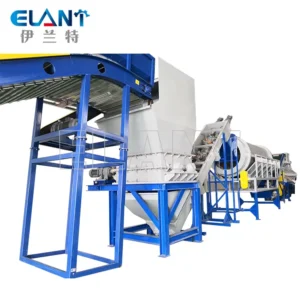
In the intricate world of PET bottle recycling, the behavior of PET plastic itself can significantly impact the efficiency and performance of bottle crushers and other essential machinery, particularly when considering the density of different plastics. This article delves into the nuances of how the inherent characteristics and “behavior” of PET material influence the entire recycling process, especially in contamination-sensitive operations, from the initial crushing to the final production of high-quality recycled PET.
Understanding the Recycling Process
Overview of PET Bottles and Their Importance
Polyethylene terephthalate, commonly known as PET, has become ubiquitous in our daily lives, primarily in the form of recyclable PET bottles, which can be effectively sorted using water as a medium. These transparent and lightweight plastic containers are highly valued for their strength, safety, and recyclability. The importance of PET bottles extends beyond mere convenience; they represent a significant component of the plastic industry and, consequently, a major focus for sustainable plastic waste management initiatives within the plastic recycling sector.
The Role of Recycling in Plastic Waste Management
The imperative to recycle plastic, particularly PET plastic, has never been more critical in reducing costs and environmental impact. Plastic waste, if not properly managed through effective recycling of PET bottles and other recyclable plastics, poses a severe environmental threat. PET bottle recycling plays a pivotal role in mitigating this impact by transforming waste PET into valuable raw materials. This process not only reduces landfill burden but also conserves resources and energy, contributing to a circular economy and meeting the growing demand for recycling PET bottles.
Introduction to Recycling Machines and Their Functions
The journey of a PET bottle from waste to a new product involves a series of specialized recycling machinery. At the heart of the initial stages lies the bottle shredder, or crusher, which breaks down plastic bottles into smaller pieces. Following this, the material moves through a washing machine in a washing line for thorough cleaning, and then potentially to a shredder machine and plastic recycling machine for further processing. The ultimate goal is to produce high-quality PET flakes or granules, ready for reuse, including those derived from post-consumer sources.
The Impact of PET Behavior on Recycling Machinery

How PET Behavior Affects Shredder Efficiency
The “behavior” of PET plastic, particularly its physical characteristics, can significantly impact the efficiency of the shredder machine in a plastic recycling plant. When PET bottles enter the shredder, their varied shapes, sizes, and occasional residual contents can lead to inconsistent shredding, impacting the efficiency of the PET plastic recycling machine. A shredder’s performance is optimized when it receives a uniform feed, but the very nature of collected plastic bottles means this is rarely the case. This variability can cause the shredder to work harder, consume more energy, and potentially experience increased wear and tear, all of which affect the overall efficiency of the plastic recycling line and the quality of the PET flakes produced.
Influence on the Bottle Shredder Performance
The performance of the bottle shredder is a critical bottleneck in the entire PET bottle recycling line. Inconsistent material feed or the presence of non-PET plastic can hinder the process of efficiently crushing PET bottles into smaller pieces, making it difficult to maintain a steady flow and achieve the desired size for subsequent washing and sorting stages in the PET recycling machine.
| Factor Affecting Effectiveness of the separation tank in removing contaminants. | The impact on the shredder can be significant when dealing with a range of plastic that includes non-PET materials. |
|---|---|
| Presence of Labels on bottles and other PET plastic can hinder the recycling process. | Non-PET materials can wrap around blades, causing blockages and requiring frequent stops for cleaning, thereby diminishing throughput in the PET plastic recycling machine. |
| Caps made from different types of plastic, such as PP or PE, can complicate the recycling of PET bottles. | Can drastically reduce shredder effectiveness. |
| Foreign contaminants, including PVC and non-PET plastics, must be meticulously removed to ensure the quality of recycled PET. | Can drastically reduce shredder effectiveness. |
Adapting Machinery to Mitigate Behavioral Challenges
To overcome these challenges, adaptation of the recycling machinery is crucial. These adaptations aim to improve the quality of recycled PET by ensuring that only clean PET plastic, along with other recyclable materials like PP and PE pieces, reaches the PET bottle washing machine and subsequent processes. By addressing the “behavioral” issues of waste PET early in the recycling process, such as separating PET pieces from PP and PE, the overall efficiency of the plastic bottle recycling operation can be significantly enhanced, leading to higher quality PET flakes and granules.
Modern PET bottle recycling lines often incorporate advanced features, including a medium to separate PET pieces from PP and PE.
| Feature | Purpose |
| Pre-sorting systems | Remove non-PET plastic waste, such as PVC and food packaging, from the recycling stream. |
| De-labeling machines play a vital role in ensuring that only clean, recyclable PET pieces are processed. | PET plastic bottle de-labeling is a crucial step in preparing waste PET bottles for recycling. |
| Specialized crushers for processing post-consumer plastics. | Handle a more diverse input stream |
Components of a PET Bottle Recycling Line
Key Machinery in the Recycling Plant
A comprehensive PET bottle recycling line in a modern recycling plant consists of several key pieces of machinery, each performing a vital function, including the use of water as a medium for sorting. The various stages of recycling PET bottles and their associated equipment are outlined below:
| Stage of processing waste PET bottles includes sorting, shredding, and washing. | Key Machinery |
|---|---|
| Pre-sorting | Pre-sorting system |
| Primary Crushing | Bottle shredder / Plastic bottle shredder is crucial in the recycling process of waste PET bottles. |
| Washing | Washing machine (part of the washing line) |
| Further Processing (optional subsequent stages) | The drying system, granulator, and pelletizing machine are essential components for processing recycled materials effectively, allowing for the creation of bales of high-quality PET. |
The pre-sorting system removes contaminants and non-PET plastic materials to ensure only quality waste PET bottles are processed. The bottle shredder acts as the primary crusher in the PET bottle recycling machine to break down waste PET bottles into smaller pieces, facilitating easier handling and washing. The washing machine thoroughly cleans the PET flakes, removing dirt, labels, and residual liquids. Subsequent stages may include a drying system, a granulator to further refine the PET plastic, and a pelletizing machine to convert the flakes into pellets, ready for new product manufacturing in the recycling business.
Process Flow: From Collection to Pelletizing
The journey of a PET plastic bottle through a PET bottle recycling line begins long before it reaches the recycling plant, starting with collection. Once delivered, the material undergoes a series of transformations. First, it is sorted to remove impurities, then crushed by the shredder to prepare the waste PET bottles for recycling. The plastic bottle washing line ensures thorough cleaning, after which the clean PET flakes and other recycled materials are dried. Further processing might involve a separation stage to separate PET pieces from PP and PE, followed by granulation to produce uniform PET flakes or granules. The final step in many PET plastic recycling operations is pelletizing, where the recycled plastic is formed into uniform pellets, the raw materials for a wide range of new plastic products, addressing the demand for recycled PET.
Importance of Washing and Flaking in PET Recycling
Washing and flaking are two immensely critical steps in the recycling of PET bottles, directly influencing the quality of the recycled PET. The washing machine in the bottle washing line employs hot washing to remove dirt, glue, and other contaminants that can degrade the final product. Thorough washing is essential to produce high-quality PET flakes that meet the stringent standards for reuse in various applications. Flaking, achieved by the shredder machine, reduces the plastic bottles into smaller, manageable PET bottle flakes, which are easier to wash, dry, and transport. This stage is also crucial for ensuring a uniform material size, which is vital for efficient downstream processes like separating PET pieces from PP and PE, and ultimately for creating high-quality recycled PET pellets.
Best Practices for Efficient Recycling Operations
Optimizing the Use of Shredder Machines
Optimizing the use of the shredder machine is paramount for any efficient PET bottle recycling line, especially in contamination-sensitive recycling operations. This involves more than just running the machinery; it requires a strategic approach to feeding and maintenance of efficient machinery to ensure consistent performance and high-quality output of reusable materials. Proper pre-sorting of PET bottles to remove non-PET plastic materials, such as PP and PE, significantly reduces the stress on the shredder, allowing it to more effectively crush the plastic bottles into smaller pieces. Regular blade inspection and sharpening are also crucial to maintain efficiency, prevent blockages, and ensure uniform PET flakes, thereby enhancing the overall recycling process of reusable materials.
Enhancing the Recycling Process Through Technology
Enhancing the entire recycling process through the integration of innovative machines is vital for the modern plastic recycling industry. Advanced sensors and AI-driven sorting systems can accurately sort PET bottles, ensuring only suitable PET plastic enters the shredder machine and washing line. This precision helps to separate PET pieces from PP and PE and other contaminants, drastically improving the quality of recycled PET. Furthermore, automated control systems can monitor the shredder’s load and adjust its speed, optimizing energy consumption and extending the lifespan of the machinery, contributing to a more sustainable and efficient PET bottle recycling operation.
Training Staff on Handling PET Behavior During Processing
Training staff on understanding and handling the “behavior” of PET plastic during processing is a key best practice for any recycling plant. This includes educating operators on how different types of plastic, such as PET and its variations in wall thickness or the presence of labels and caps, might react in the shredder. Proper training ensures that staff can identify and address potential issues quickly, minimizing downtime and maximizing the efficiency of the shredder and the PET bottle washing process. By understanding the nuances of PET plastic behavior, personnel can contribute to producing higher quality PET flakes and granules, meeting the growing demand for recycled PET in the recycling of PET bottles.
The Future of PET Recycling
Innovations in Machinery for Improved Recycling
The future of PET recycling is heavily reliant on continuous innovations in machinery, designed to push the boundaries of efficiency and product quality, including advancements in using water as a medium. Expect to see the development of more advanced shredder machines capable of handling a broader range of PET plastic waste with greater precision, reducing the need for extensive pre-sorting and enhancing the overall recycling process. Furthermore, next-generation washing machines and drying systems will improve the cleanliness and purity of PET flakes, while sophisticated pelletizing machinery will produce higher quality pellets. These advancements will make the PET bottle recycling line more robust, allowing the industry to recycle more plastic and meet the increasing demand for recycled PET.
Potential Changes in Regulations and Practices
The landscape of PET recycling is also expected to evolve significantly with potential changes in regulations and practices, influencing how suppliers manage their recyclable materials. Governments and environmental bodies are increasingly implementing stricter guidelines for plastic waste management, which could mandate higher recycling rates for PET bottles and other plastic materials. This may lead to standardized collection and sorting practices, ensuring a cleaner input stream for the recycling plant and its shredder. Such regulatory shifts could also incentivize the development of new recycling technologies and the expansion of existing PET bottle recycling lines, further boosting the capacity to recycle plastic and produce high-quality recycled PET, driving innovation across the plastic recycling industry.
Advancements in PET Plastic Recycling Techniques
Advancements in PET plastic recycling techniques are poised to revolutionize how we process plastic waste, moving beyond traditional mechanical recycling to include innovative PET bottle washing technologies. Emerging chemical recycling methods offer the potential to break down PET plastic into its molecular components, allowing for the creation of virgin-quality plastic that can be endlessly recycled in the recycling business. This means even highly contaminated PET flakes or plastic materials that are difficult to process with a conventional shredder or washing machine could be transformed into new raw materials. These innovative techniques promise to significantly improve the quality of recycled PET, reduce the environmental impact of plastic waste, and fulfill the escalating demand for recycled content in various industries, solidifying the future of PET plastic recycling.