
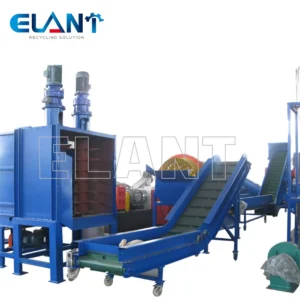
The rapid growth in plastic recycling demands often pushes machinery beyond its intended limits, risking the integrity of the recycled materials, as recycling washing machines are designed to handle specific loads. This article explores the consequences when a plastic recycling washing machine experiences a sudden, significant increase in capacity, examining the stress on components, the impact on efficiency, and the resulting challenges for recycling operations.
Understanding Plastic Recycling Machines
Plastic recycling washing machines are pivotal in transforming various forms of waste plastic into valuable raw materials, especially in recycling plants where machines ensure a high-quality output. These sophisticated pieces of recycling machinery are designed to clean and prepare contaminated plastic in washing tanks, ensuring it meets the quality standards required for subsequent injection molding processing. The overall efficiency and reliability of a plastic recycling washing line directly impact the success of plastic recycling operations, making their proper functioning crucial for achieving your plastic recycling goals.
Components of Plastic Recycling Washing Machines
A typical plastic recycling washing machine comprises several key components, including washing tanks, working in unison to facilitate the plastic bottle washing process, ensuring that the system offers unparalleled efficiency and cleaning. These include robust conveyors for feeding the waste plastic, granulators to reduce the material size, and multiple washers designed to remove dirt and contaminants. Friction washers play a crucial role in scrubbing the plastic flakes, while rinsing tanks ensure thorough cleaning in the plastic washing line, as machines ensure that the final output meets quality standards. Each piece of equipment in the washing system is meticulously engineered to contribute to the effective processing of plastic waste, highlighting how recycling machines are designed for maximum impact.
Functionality of Washing Lines in Recycling
The functionality of washing lines in recycling extends beyond mere cleaning; they are the heart of modern plastic recycling machines designed for effective processing. A complete recycling line for plastic, whether it’s a PET bottle washing line, HDPE bottle recycling line, or a plastic film washing line, integrates various stages of the washing process, ensuring that the recycling washing machine is designed for optimal performance. This comprehensive system converts dirty, post-industrial plastic waste or post-consumer plastic waste into clean, high-quality recycled plastic flakes, preparing them for further use in manufacturing new plastic products.
The Role of Hot Washers in Plastic Recycling
Hot washers are an indispensable element of many plastic recycling washing lines, particularly for materials like PET bottles or heavily contaminated plastic films. The hot washing process uses elevated temperatures and specialized detergents to melt away stubborn labels, adhesives, and organic residues that cold water alone cannot remove, ensuring that the plastic meets the standards of the recycling industry. This crucial step significantly enhances the purity of the plastic flakes, ensuring that the recycled plastic material meets the stringent quality requirements for high-grade applications and pelletizing.
The Impact of Increased Capacity

Challenges Faced by Plastic Recycling Washing Machines
When a plastic recycling washing machine experiences a sudden surge in capacity, it faces numerous operational challenges that can disrupt the entire washing equipment of the bottle recycling washing line. The existing plastic washing machinery may struggle to process the increased volume of waste plastic effectively, leading to bottlenecks and reduced efficiency in the plastic washing line and impacting the overall recycling industry. This can strain components, accelerate wear and tear, and compromise the overall performance of the washing system, making it harder to achieve your sustainable recycling goals, particularly when machines ensure optimal functioning.
Potential Risks of Overloading Washing Lines
Overloading washing lines carries significant potential risks for the entire plastic recycling process, including reduced quality of recycled plastic meets, as recycling machines ensure that each stage is optimized for performance. Exceeding the design capacity of a plastic recycling washing machine can lead to mechanical breakdowns, as components like friction washers or conveyors are pushed beyond their limits in the plastic washing line. Such overloads not only disrupt the flow of plastic waste but can also result in costly downtime, extensive repairs, and a substantial decrease in the quality of the hdpe flakes and other plastic produced.
Effect on the Washing Process Efficiency
The efficiency of the washing process is severely impacted when a plastic recycling washing machine is forced to handle more plastic than it is designed for, leading to potential impurity in the recycled materials. Inadequate contact time with heated water and detergents in washing tanks, especially in hot washers, means that contaminated plastic may not be thoroughly cleaned, resulting in impurities that affect the recycled plastic meets. This leads to lower purity levels in the plastic flakes, potentially reducing their value and suitability for various applications, thereby undermining the effectiveness of the entire plastic washing and recycling operation.
Washing and Recycling Systems
Overview of Washing and Recycling Systems
Washing and recycling systems are comprehensive solutions designed to transform various forms of waste plastic into valuable raw materials, ensuring the recycled plastic meets industry standards. A complete recycling line for plastic typically integrates multiple stages, including sorting, shredding, hot washing, rinsing, and drying, to ensure that the plastic material is thoroughly cleaned and prepared. These sophisticated plastic washing and recycling solutions are essential for processing everything from PET bottle waste to HDPE bottle recycling and plastic films, ensuring a high standard of cleaning performance.
Importance of Reliable Plastic Washing Systems
Reliable plastic washing systems are paramount for the success of any plastic recycling operation, as they directly influence the quality and consistency of recycled plastic flakes and their suitability for pelletizing. A robust plastic recycling washing line ensures that post-consumer plastic waste or post-industrial plastic waste is efficiently processed into clean, high-grade plastic material suitable for injection molding. Without a dependable washing system, the purity of the plastic flakes cannot be guaranteed, which can hinder the marketability and further application of the recycled plastic pieces, as recycling machines are designed to enhance product quality.
Innovations in Plastic Washing and Recycling Technologies
Innovations in plastic washing and recycling technologies, including friction washing, are continuously improving the efficiency and effectiveness of processing waste plastic in the recycling industry. Modern recycling machinery, including advanced plastic recycling washing machines, incorporates features such as enhanced friction washer designs and optimized hot washing processes to tackle even the most contaminated plastic. These advancements in washing and recycling solutions are crucial for achieving your plastic recycling goals and meeting the growing demand for high-quality recycled plastic pellets produced by recycling plants.
Drying Systems in Plastic Recycling
Importance of Dewatering Techniques
Dewatering techniques, particularly using a dewatering machine, are a critical component of any comprehensive plastic washing line, especially after the intensive washing process where water is heavily utilized. After the plastic material, whether plastic flakes or film, has been thoroughly cleaned in the plastic recycling washing machine, it is still saturated with moisture, necessitating the use of a dewatering machine. Efficient dewatering, often involving spin dry systems or mechanical presses, is essential to remove as much water as possible before the material proceeds to the final drying stage, preventing energy waste and ensuring the quality of the recycled plastic flakes.
Water Recycling in Drying Processes
Water recycling in drying processes within plastic recycling washing lines is a crucial aspect of sustainable recycling, particularly in reducing excess moisture and enhancing the efficiency of washing equipment. The water used in the washing process, particularly from hot washing and rinsing stages, can be collected, filtered, and treated for reuse in the sustainable recycling of the plastic washing line, ensuring that the system offers unparalleled efficiency. This not only significantly reduces fresh water consumption but also minimizes wastewater discharge, making the entire plastic washing and recycling operation more environmentally friendly and cost-effective. Implementing robust water recycling helps achieve your plastic recycling goals while conserving vital resources, ensuring that the recycling washing machine is designed to minimize waste.
Complete Plastic Recycling: From Washing to Drying
A complete plastic recycling line encompasses every stage from the initial input of waste plastic to the final output of dried plastic material, ensuring effective reprocessing, including pet bottle recycling. Following the vigorous washing process in the plastic recycling washing machine, which includes hot washer treatments and friction washer actions, efficient drying is paramount. This final stage ensures that the recycled plastic flakes or film are free from moisture, making them suitable for subsequent extrusion and manufacturing processes, thereby completing the transformation of plastic waste into valuable raw material.
Strategies for Sustainable Plastic Recycling
Optimizing Capacity for Efficient Recycling
Optimizing capacity is fundamental for efficient and sustainable plastic recycling operations, especially within the plastic washing line, to handle varying volumes of waste plastic and ensure high-quality pet flakes. Properly matching the input of waste plastic to the design capacity of the plastic recycling washing machine prevents overloading and ensures that each component, from the initial washer to the final drying system, operates at peak efficiency. This strategic capacity management reduces wear and tear on recycling machinery, minimizes energy consumption, and maintains consistent quality of recycled plastic flakes, contributing to the long-term success of plastic washing and recycling.
Implementing Sustainable Practices in Washing Processes
Implementing sustainable practices in washing processes is vital for the future of plastic recycling, as recycling machines are designed to support eco-friendly initiatives. This involves not only efficient water recycling within the plastic washing system but also optimizing detergent usage and energy consumption in hot washing stages to enhance the cleaning performance. By refining these aspects of the plastic recycling washing machine, operators can significantly reduce their environmental footprint while still effectively processing contaminated plastic into clean plastic material. Such practices are key to achieving your plastic recycling goals in an environmentally responsible manner by ensuring the use of reusable materials, as the recycling washing machine is designed to facilitate this process.
The Future of Plastic Recycling Washing Machines
The future of plastic recycling washing machines lies in continuous innovation, focusing on enhanced efficiency, automation, and adaptability to diverse plastic waste streams to improve cleaning performance. Future plastic recycling washing lines will likely feature smarter hot washer technologies, more advanced friction washer designs, and integrated drying systems that further reduce energy and water consumption. These advancements will enable plastic washing and recycling operations to process even more challenging plastic films and HDPE bottle recycling, ensuring high-quality recycled plastic flakes and moving closer to a truly circular economy.