
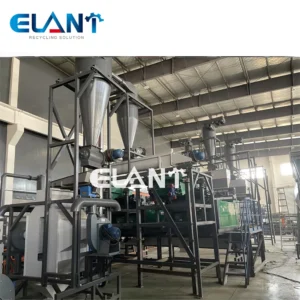
Downtime in any industrial setting can lead to significant financial losses and operational inefficiencies, particularly in the context of used plastic recycling. In the burgeoning sector of waste plastic recycling, the demand for efficient industrial plastic recycling machines that can handle various kinds of plastic is increasing. Minimizing such disruptions is paramount in the context of processing plastic waste efficiently.. This article delves into the critical aspects of preventing downtime in plastic recycling machines, focusing on how an optimized factory layout and a deep understanding of the recycling process can contribute to seamless operations.
Understanding Plastic Recycling
Plastic recycling is a multifaceted process that transforms discarded plastic waste into new, valuable products, thereby reducing environmental pollution and conserving natural resources. The global push towards sustainability has elevated the importance of effective plastic recycling operations, making the efficiency of every plastic recycling machine a critical factor in producing high-capacity plastic products. A comprehensive understanding of the different types of plastic and their respective recycling methods is fundamental to establishing a robust and uninterrupted recycling line that can efficiently process tons of plastic..
Types of Plastic and Their Recycling Methods
There are numerous kinds of plastic, each requiring specific recycling methods due to their unique chemical compositions and properties, which can affect how they are processed. The appropriate plastic recycling machine must be selected based on the specific type of plastic material being processed to ensure an efficient recycling process and optimal output.
| Plastic Type | Typical Recycling Method |
|---|---|
| PET bottles (beverage containers) are a significant source of material for pet bottle recycling. | PET bottle washing line, flaking, pelletizing |
| Rigid Plastic (e.g., HDPE, PP) is often recycled to manufacture new plastic products, contributing to a more sustainable recycling line by transforming solid plastic into uniform shapes. | Initial shredding and granulation are essential steps in the plastic washing line, where plastic is shredded into manageable pieces for further cleaning. |
Importance of Recycling Plastic
Recycling plastic holds immense environmental and economic significance, particularly as it helps to reduce the amount of solid plastic waste. It dramatically reduces the volume of plastic waste accumulating in landfills and oceans, mitigating severe ecological damage and transforming plastic streams into valuable resources.. Economically, recycling plastic creates a circular economy, transforming waste plastic into valuable raw materials for new plastic products, reducing the reliance on virgin plastic. This makes the proper functioning of a high-capacity plastic recycling plant, and indeed every plastic recycling machine within it, crucial for sustainable development and the success of the recycling business.
Common Types of Plastic Recycling Machines
The plastic recycling process utilizes a variety of specialized equipment, including modern recycling technologies that drive plastic recycling forward. A typical complete recycling line might include several key machines for plastic used to break down large bulky plastic items into reusable materials. Choosing the right plastic recycling machine is vital for efficient operations and maximizing the potential of shaped plastic products.
| Equipment Type used to break down large bulky plastic items. | Function |
|---|---|
| A plastic shredder plays a vital role in the initial stages of processing tons of plastic in recycling operations. | Initial size reduction of large plastic items. |
| Wash Line | Cleaning waste plastic is essential for ensuring high-quality recycled materials that can be turned into molten plastic for reuse, particularly when using plastic washing machines. |
| Granulators | Breaking down washed plastic into smaller flakes is crucial for creating a feedstock that can be used to manufacture new plastic products. |
| The extruder is a crucial component in modern recycling processes, transforming shredded plastic into molten plastic, which is commonly used in plastic recycling for further processing. | Forming plastic into pellets. |
Whether a specialized film recycling line or a robust industrial recycling granulator, the selection of appropriate machinery significantly impacts recycling efficiency and the type of plastic being processed.
Choosing the Right Plastic Recycling Machine

Factors to Consider in Machine Selection
Selecting the right plastic recycling machine is a pivotal decision that directly impacts the efficiency and profitability of any recycling plant, particularly regarding plastic recycling machine cost. Various factors must be carefully evaluated to ensure the chosen machinery aligns with the specific needs of the industrial plastic recycling machines.
| Factor | Description |
| Type of Plastic Material | Whether it’s soft plastic film, rigid plastic, or PET bottles, each requires a specialized machine type. |
| Expected output capacity is a critical factor when evaluating machines for plastic recycling, particularly in integrated recycling lines. | Influences the selection of equipment. |
| The level of contamination in plastic waste streams can greatly affect the efficiency of recycling operations, making it essential to ensure that plastic pieces are adequately cleaned before processing. | In the plastic waste, influences the selection of equipment. |
| The desired final product in plastic waste recycling is high-quality plastic pellets. | (e.g., plastic flakes or plastic pellets) influences the selection of equipment. |
These factors all influence the selection of the appropriate plastic shredder, granulator, wash line, and other plastic recycling equipment to form a complete recycling line, which is essential for mechanical and chemical recycling. Understanding these nuances is essential for effective recycling operations and to prevent potential downtime in the plastic recycling industry, especially with the use of cut plastic.
Cost Analysis: Plastic Recycling Machine Price
The plastic recycling machine price is a significant factor in establishing or upgrading a plastic recycling plant that effectively handles different plastic waste streams. This cost extends beyond the initial purchase price to include installation, operational expenses, maintenance, and potential future upgrades for integrated recycling lines. Investing in high-quality, durable plastic recycling machinery can lead to lower long-term costs due to reduced maintenance needs and enhanced efficiency in the recycling process. Furthermore, the energy consumption of a plastic shredder, industrial recycling granulator, or a comprehensive PET bottle washing line significantly impacts operational costs. A thorough cost-benefit analysis, considering both the capital outlay and ongoing operational expenditures, is crucial for a sustainable recycling business and for securing the right plastic recycling machine that meets budgetary constraints while ensuring optimal performance.
Types of Machines for Effective Recycling
The landscape of modern plastic recycling equipment is diverse, with numerous types of plastic recycling machines designed for specific stages of the recycling process, including those that melt the plastic for remolding. For initial size reduction of large plastic items and other plastic waste, a robust plastic shredder is indispensable. Following this, a wash line is often employed for effective plastic washing, crucial for removing contaminants from the waste plastic. Plastic granulators then break down the cleaned material into smaller flakes, which may then be fed into an extruder to produce molten plastic pellets, ready for reuse. Specialized machines, such as film recycling systems, cater to particular types of plastic, ensuring an efficient and comprehensive recycling line capable of handling various types of plastic recycling needs, from rigid plastic to delicate film.
Optimizing Factory Layout for Plastic Recycling
An optimized factory layout is paramount in preventing downtime and enhancing the efficiency of any plastic recycling plant. The strategic arrangement of each plastic recycling machine, from the initial plastic shredder to the final granulator and pelletizing systems, directly impacts the flow of plastic waste through the recycling line. A well-thought-out layout facilitates smooth material handling, minimizes unnecessary movement, and reduces the risk of bottlenecks that can impede the recycling process, ultimately driving plastic recycling efficiency. This careful planning ensures that the complete recycling line operates at its maximum potential, contributing significantly to the overall productivity of the recycling business and successful waste plastic recycling operations.
Best Practices for Factory Layout Control
Implementing best practices for factory layout control involves a meticulous approach to designing the physical space of a plastic recycling facility to optimize the plastic washing line. This includes establishing clear pathways for the movement of plastic material, ensuring adequate space around each plastic recycling machine for maintenance and operation, and strategically positioning equipment to minimize cross-contamination between different types of plastic. Effective layout control considers the entire plastic recycling process, from the intake of plastic waste to the output of new plastic pellets, aiming to create an efficient and safe working environment. This proactive planning helps in preventing downtime and optimizing the performance of the recycling machinery.
Impact of Layout on Machine Downtime
The layout of a plastic recycling plant has a profound impact on machine downtime and the overall efficiency of the recycling line typically established for processing various types of plastic. A poorly designed layout can lead to congested areas, making it difficult to access equipment for routine maintenance or repairs, thereby prolonging downtime. Conversely, the effectiveness of recycling operations can be hampered by the quality of the plastic streams being processed. an optimized layout ensures easy access to all parts of the plastic recycling machine, enabling quick interventions when issues arise. Furthermore, an efficient flow of plastic waste through the recycling line reduces strain on individual machines, decreasing the likelihood of breakdowns and ensuring a smoother operation for used plastic recycling. By minimizing travel distances and bottlenecks, a well-planned layout significantly contributes to the continuous operation of the complete recycling line.
Integrating Shredders and Granulators in Layout
The strategic integration of shredders and granulators is a critical aspect of an efficient plastic recycling line layout, especially when considering the size of plastic being processed.. The plastic shredder, typically the first stage for large plastic items, should be positioned to easily receive waste plastic. Following this, the granulator, which further reduces the size of the plastic material, needs to be seamlessly integrated to ensure a continuous flow. Proper placement minimizes the need for manual handling between these two vital plastic recycling machines, reducing labor costs and enhancing throughput in plastic waste recycling. This thoughtful integration optimizes the recycling process, making the handling of various types of plastic, including rigid plastic and film recycling, more efficient and less prone to operational delays.
Enhancing Efficiency in Plastic Recycling Projects
Enhancing efficiency in plastic recycling projects is crucial for the economic viability and environmental impact of the recycling business. This involves a comprehensive strategy that addresses every stage of the plastic recycling process, from the initial sorting of post-consumer plastic waste to the final output of plastic pellets. Optimizing the performance of each plastic recycling machine, such as the wash line, plastic shredder, and granulator, is key to efficiently melt plastic for reuse. By implementing advanced technologies, streamlining recycling operations, and fostering a proactive maintenance culture, recycling facilities can significantly reduce downtime, increase throughput, and ensure the production of high-quality new plastic, thereby solidifying their role in sustainable waste management.
Implementing Wash Lines for Quality Control
Implementing effective wash lines is indispensable for quality control in any plastic recycling plant, particularly when dealing with contaminated waste plastic and various kinds of plastic.. The wash line, an essential plastic recycling machine, meticulously cleans the plastic material, removing impurities like labels, dirt, and residual products, which is crucial for producing high-quality new plastic. For example, a PET bottle washing line is specifically designed to thoroughly clean PET bottles, ensuring that the plastic pieces are ready for reuse. This rigorous plastic washing process not only enhances the quality of the final plastic pellets but also prevents potential damage and wear to subsequent recycling machinery, thereby contributing to the longevity and efficient operation of the complete recycling line.
Strategies for Reducing Downtime in Operations
Implementing robust strategies for reducing downtime is paramount for the continuous and efficient operation of any plastic recycling plant, especially when dealing with large volumes of plastic streams.. Proactive maintenance programs, including regular inspections and preventive servicing of every plastic recycling machine, are essential to minimize downtime and ensure the efficient processing of post-industrial plastic waste. Training personnel to quickly diagnose and resolve common issues can significantly cut down repair times, playing a vital role in the plastic recycling industry. Furthermore, having a readily available stock of critical spare parts for the plastic shredder, granulator, and other key plastic recycling equipment ensures that replacements can be made without extensive delays. These strategies collectively bolster the reliability of the recycling line, ensuring consistent output and maximizing profitability in the recycling business.
Utilizing Plastic Crusher Machines Effectively
Utilizing plastic crusher machines, often synonymous with a plastic shredder or granulator, effectively is fundamental for the initial stages of the plastic recycling process and helps in managing various plastic waste streams.. These powerful plastic recycling machines are designed to reduce large plastic items and other plastic waste into smaller, manageable sizes, preparing the material for subsequent stages like washing and pelletizing. Proper selection of the right plastic recycling machine for crushing depends on the type of plastic material, such as plastic bottles, and the desired output size. Ensuring these machines are regularly maintained and operated within their specified capacities prevents overload and breakdowns, thereby minimizing downtime and ensuring a smooth, efficient flow through the entire industrial plastic recycling line.