
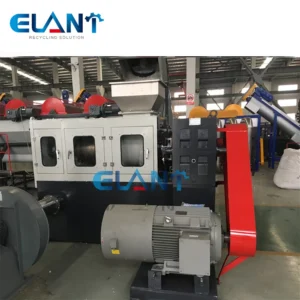
Precise control of the film squeezer directly shapes pellet quality in any plastic film washing line. Moisture management proves essential for reliable pelletizing, as excess water can cause surface defects, internal voids, and weak mechanical properties. Most film squeezers lower moisture to 1–3%, minimizing risks of splay marks and bubbles. Automation in squeezer operation ensures consistent output and reduces downtime, supporting efficient and stable production.
Key Takeaways
- Precise moisture control in film squeezing ensures high-quality pellets.
- Automation in squeezer operation reduces errors and boosts efficiency.
- Regular monitoring of moisture levels prevents defects in pellets.
- Proper maintenance extends equipment life and ensures consistent output.
- Balancing pressure and speed settings optimizes moisture removal.
Film Squeezer in Plastic Film Washing Line
Purpose and Function
The film squeezer serves as a critical component in the plastic film washing line. Its main purpose is to process thin plastic films, such as agricultural films, packaging materials, and shopping bags. After the washing stage, these films often retain significant moisture, which can hinder further processing. The squeezer addresses this challenge by applying mechanical force to remove water and reduce the volume of the material. This step not only improves the efficiency of downstream operations but also enhances the quality of recycled plastics.
| Function | Description |
|---|---|
| Moisture Removal | Removes moisture from washed film, essential for effective drying. |
| Volume Reduction | Reduces the volume of recycled materials, making processing more efficient. |
| Quality Improvement | Enhances the quality of the final plastic pellets produced. |
By incorporating a film squeezer into the plastic film washing line, operators can achieve better control over moisture levels and material density. This improvement leads to more consistent results during pelletizing.
Impact on Pelletizing
The film squeezer directly influences the physical properties of plastic films before pelletizing. By reducing moisture content to below 3%, the machine ensures that the material is ready for granulation. Lower moisture levels increase the bulk density of the films, making them easier to feed into pelletizing equipment. This process also prevents common defects, such as bubbles and weak spots, in the final pellets.
Traditional drying methods often leave moisture levels at 10–20%, which can compromise the competitiveness of recycled materials. The film squeezer overcomes these limitations, producing a higher-quality output that meets industry standards. Consistent moisture control and volume reduction support stable pelletizing, resulting in pellets with improved mechanical strength and appearance.
Tip: Regularly monitor the squeezer’s performance to maintain optimal moisture levels and ensure the best pelletizing results.
Squeezer Control Points
Moisture Content
Moisture content stands as the most critical parameter in the transition from washed film to high-quality pellets. The ideal range for moisture after squeezing is 1–3%. This narrow window ensures stable pelletizing and prevents a host of downstream issues. Excess moisture above 3% can cause steam formation during extrusion, leading to bubbles, splay marks, and weak pellet structure. Insufficient moisture removal also reduces the bulk density of the material, making feeding inconsistent and increasing the risk of blockages.
Operators in a plastic film washing line must regularly check the output moisture using reliable instruments. Consistent monitoring allows for timely adjustments to squeezer settings. When moisture remains within the optimal range, pelletizing equipment runs smoothly, and the final pellets exhibit uniform shape, color, and mechanical strength.
Tip: Use a moisture analyzer at the squeezer discharge to verify levels before pelletizing. This simple step can prevent costly rework and material loss.
Pressure and Speed
Pressure and speed settings on the film squeezer directly affect both moisture removal and material integrity. High pressure increases water extraction but can deform or damage thin films if not properly controlled. Low pressure may leave too much moisture, undermining pellet quality. Speed also plays a vital role. Faster operation boosts throughput but may reduce the contact time needed for effective squeezing.
Operators should balance these variables based on the type and thickness of the film being processed. For example:
- Thicker agricultural films may require higher pressure and slower speed.
- Lightweight packaging films often need gentler pressure and moderate speed.
A well-calibrated squeezer maintains consistent output, reduces wear on downstream equipment, and supports stable pelletizing. Regularly reviewing pressure and speed settings ensures the system adapts to changes in feedstock quality.
Automation and Control Panel
Modern plastic film washing lines increasingly rely on fully automatic control panels to manage squeezer operation. Automation brings several advantages that manual control cannot match. Programmable logic controllers (PLC) maintain stable operation, reducing the need for constant human intervention. Automatic systems can start, stop, and reverse the squeezer as needed, and provide overload protection to safeguard equipment.
| Feature | Benefit |
|---|---|
| PLC automatic control | Maintains stable operation |
| Reduces labor | Less manual intervention required |
Automated control panels also support:
- Fully automatic operation
- Automatic start, stop, and reverse functions
- Overload protection
- Stability across varying feed conditions
Automation reduces human error and ensures reproducibility. Digital interfaces allow precise parameter settings, so every batch receives identical treatment regardless of the operator. Automated systems log operational data, supporting traceability and compliance with quality standards. This approach frees personnel to focus on more complex tasks, increasing overall operational efficiency.
| Benefit | Explanation |
|---|---|
| Unmatched Reproducibility | Automation eliminates operator variability, ensuring consistent pressure and duration for each pellet. |
| Enhanced Operational Efficiency | Automated systems operate independently, freeing personnel for more complex tasks and increasing throughput. |
| Precision Through Digital Control | Digital interfaces allow for precise parameter settings, ensuring identical pellet preparation across different operators. |
| Data Integrity and Traceability | Automated presses log parameters for each sample, providing essential data for quality control and compliance. |
Note: Investing in automation for your squeezer not only improves pellet consistency but also extends equipment life and reduces long-term operational costs.
Optimizing Squeezer Settings
Adjustment Best Practices
Operators should follow a systematic approach when adjusting squeezer settings, especially during small batch runs. The following steps help achieve optimal results:
- Adjust temperature first, as it has the greatest impact on moisture removal.
- Set the sealing pressure to match the film type and thickness.
- Optimize production speed to balance throughput and drying efficiency.
- Fine-tune the sealing wheel gap and ensure proper film feeding centering.
Tip: Adapt parameter adjustments based on material type, film thickness, and the production environment. Selecting the right equipment and performing regular maintenance can stabilize long-term quality and improve efficiency.
Monitoring Output Quality
Consistent monitoring of output quality is essential for stable pelletizing. Operators should:
- Check the moisture content at the squeezer discharge.
- Inspect the physical appearance and density of the processed film.
- Evaluate the blended product before it enters the pellet press.
- Conduct laboratory or offline measurements to verify quality.
Modern monitoring systems provide real-time data on temperature, pressure, and product quality. These systems use predictive analytics to optimize processing conditions and alert operators to potential issues before they affect production. Advanced Process Control (APC) systems combine plant models, operator experience, and sensor data to maintain optimal operating conditions and ensure high-quality pellets.
Maintenance Tips
Preventive maintenance extends equipment life and ensures consistent performance in the plastic film washing line. Key practices include:
- Lubricate moving parts regularly to reduce wear.
- Inspect seals, rollers, and control panels for signs of damage.
- Clean the squeezer after each shift to prevent material buildup.
- Schedule routine checks for calibration and alignment.
Optimizing squeezer settings also brings environmental benefits. Efficient operation reduces water and energy usage, lowers the carbon footprint, and aligns with sustainability goals. Improved process control increases recycling rates and enhances the quality of recycled pellets.
Troubleshooting Issues
Inconsistent Pellet Quality
Operators often encounter inconsistent pellet quality during film squeezer operation. Common issues include internal voids, surface fractures, trash or shavings, and non-uniform pellets. These problems usually stem from improper moisture control, fluctuating extrusion rates, or uneven heating. The table below summarizes typical causes and troubleshooting steps:
| Issue | Cause | Troubleshooting |
|---|---|---|
| Internal Voids | Moisture in polymer, entrained gas, rapid quench rate | Dry polymer, de-gas upstream, strip solvents, adjust quench |
| Surface/Melt Fracture | High extrusion rate, die-hole shear, viscous product | Reduce rate, increase temp, adjust die, smooth land surface |
| Trash/Shavings | Knife gap, blade wear, die build-up | Adjust knife, sharpen blades, refurbish die plate |
| Non-Uniform Pellets | Temperature/viscosity change, uneven heating | Mix product, check heating, refurbish die insulation |
To resolve inconsistent pellet quality, operators should:
- Check the steam pipeline for steady supply.
- Adjust feeding speed for stable material flow.
- Replace worn deflector blade scrapers.
- Inspect press rollers for uneven wear.
Tip: Regular inspection and adjustment of squeezer settings can prevent costly defects and maintain pellet uniformity.
Throughput and Blockages
Blockages in the film squeezer reduce throughput and disrupt production cycles. Managing transitions between blocked and unblocked states is essential for optimizing material flow.
When a workstation is blocked, parts cannot be processed, which affects the overall production cycle. Effective management of input rates and rapid resolution of blockages ensures that materials move efficiently through the system.
Operators should monitor input rates and clear blockages promptly. Adjusting feeding speed and maintaining proper alignment of the film can help prevent jams. Routine cleaning of the squeezer also minimizes the risk of material buildup.
Equipment Wear
Equipment wear impacts both performance and pellet quality. Signs of wear include residue buildup, reduced lubrication, and screen degradation. Addressing these issues promptly extends equipment life and ensures consistent operation.
- Clean residual material inside the barrel regularly.
- Inspect and lubricate the screw and drive components.
- Replace screens when necessary.
- Train operators to avoid overloading and handle materials correctly.
Note: Preventive maintenance and operator training are key to minimizing downtime and maximizing the lifespan of squeezer components.
Precise squeezer control and moisture management are essential for achieving optimal pelletizing results in a plastic film washing line. Automation reduces manual intervention and improves consistency. Regular monitoring and adjustment help maintain high output quality and operational efficiency.
| Benefit | Description |
|---|---|
| Improved Pellet Quality | Dense, granulation-ready lumps ensure high-purity output. |
| Reduced Energy Consumption | Lower moisture leads to decreased drying energy costs. |
| Enhanced Operational Efficiency | Advanced technology minimizes wear and heat buildup. |
Squeezers have become standard equipment, simultaneously removing water and pre-densifying material, reducing energy consumption by up to 30%.
FAQ
What is the ideal moisture content after film squeezing?
The ideal moisture content is 1–3%. This range ensures stable pelletizing and prevents defects like bubbles or weak pellets.
How often should operators check squeezer settings?
Operators should check settings at the start of each shift and after any material change. Regular checks help maintain consistent output quality.
Can automation reduce operational costs?
Yes. Automation minimizes manual intervention, reduces errors, and extends equipment life. It also lowers labor costs and improves energy efficiency.
What are common signs of squeezer wear?
- Increased noise during operation
- Uneven film output
- Frequent blockages
- Visible residue buildup
Why does pellet quality drop with high moisture?
High moisture causes steam during extrusion. This leads to bubbles, splay marks, and weak pellet structure. Proper moisture control prevents these issues.