
Have you ever wondered why some PET bottle bales fall apart or fail during transport? Many facilities experience this challenge. Improper use of a pet bottle crushing machine often leads to loose bales, contamination, and inefficient recycling. Consider your current process. Small changes in machine operation can improve bale quality and boost overall facility performance.
Key Takeaways
- Consistent machine settings and proper loading techniques create stable PET bales that withstand transport.
- Pre-sorting bottles before crushing reduces contamination and improves the quality of recycled PET.
- Routine maintenance of the crushing machine extends its lifespan and ensures reliable operation.
- Monitoring output metrics like throughput and bale quality helps maintain efficiency and meet recycling goals.
- Proper crushing techniques lead to denser bales, reducing costs and enhancing recycling rates.
Common PET Bottle Bale Issues
Loose and Small Bales
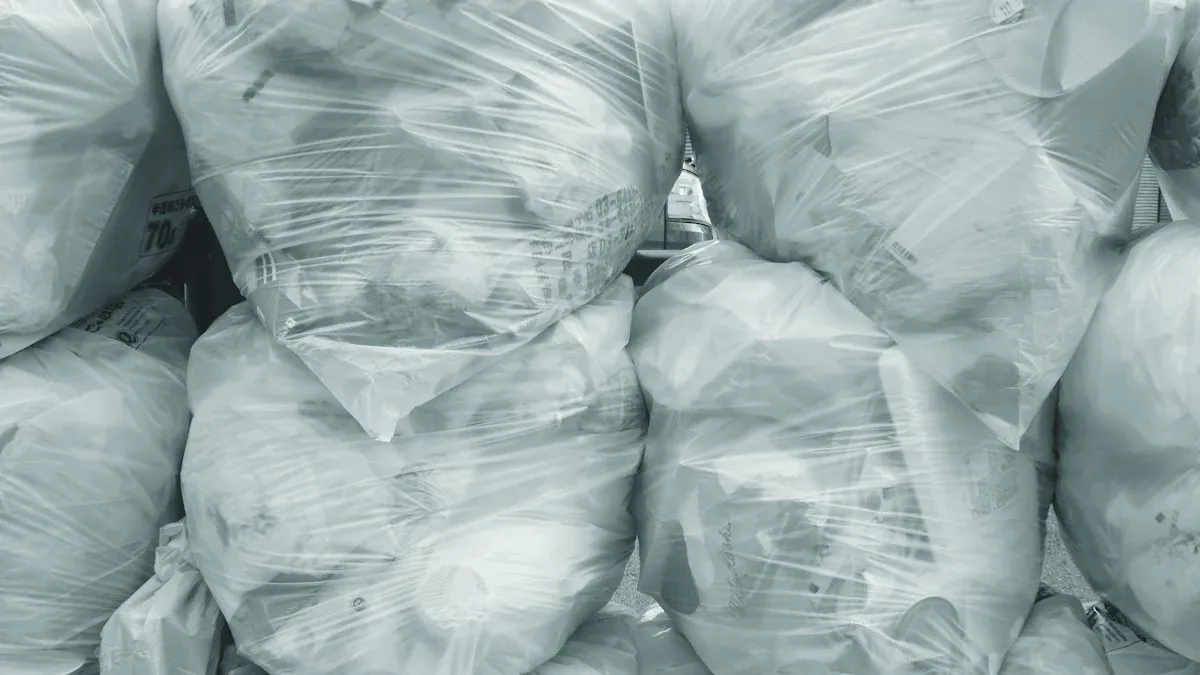
Loose and undersized PET bottle bales often result from improper crushing or inconsistent machine operation. These bales lack structural integrity, making them prone to breakage during handling and transport. Facilities may experience increased labor costs and operational delays when bales fall apart. Small bales also reduce the efficiency of storage and shipping, as they occupy more space and require additional processing steps.
Tip: Consistent machine settings and proper loading techniques help produce uniform, stable bales that withstand movement and stacking.
Contamination Risks
Contamination remains a major concern in PET recycling. Material recovery facilities (MRFs) report significant variability in bale quality, which affects sorting and washing efficiency. High-purity clear PET flake generates the most revenue, but achieving this requires strict contamination control. Non-PET materials, colored bottles, and fines such as glass or grit can compromise bale quality.
- Clear PET content in curbside bales ranges from 50% to 90%.
- Colored PET typically accounts for 5% to 25%, with green being most common.
- Non-PET contamination can reach up to 20% in some bales.
- Residual contamination below 200 ppm is necessary for premium flake quality.
- Effective sorting systems and manual quality-control steps are essential to minimize contaminants like PVC and metals.
Inconsistent Bale Density
Bale density directly impacts recycling profitability and logistics. Uniform, heavier bales improve process efficiency and reduce freight costs. Facilities benefit from denser bales because they minimize storage space and streamline transportation. Variability in bale density can disrupt downstream processing and increase operational expenses.
- Increasing bale weight and uniformity enhances recycling efficiency.
- Heavier bales lower freight costs and optimize storage.
Processing Challenges
Processing PET bottle bales with inconsistent quality or density presents multiple challenges. Sorting systems must accommodate wide variations in composition and contamination. Fines such as glass and grit should be removed early to prevent complications in the flake wash line. Modern sorting equipment can reject color, material, and metal contamination, but manual intervention may still be required for optimal results.
Note: Addressing these common issues at the crushing stage sets the foundation for successful recycling and high-quality PET output.
Role of PET Bottle Crushing Machine
Volume Reduction Benefits
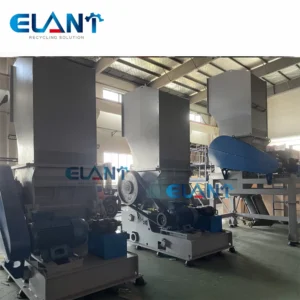
A pet bottle crushing machine plays a crucial role in reducing the volume of plastic waste. By compressing bottles into smaller pieces, the machine makes handling and transport more efficient. Facilities benefit from decreased storage requirements and improved logistics. On-site crushing minimizes the bulkiness of PET bottles, allowing businesses to process larger quantities without expanding storage space. This reduction in volume leads to immediate cost savings and streamlines recycling workflows.
- Reduces bulky plastic waste into smaller pieces, saving space.
- Cuts down transportation expenses by optimizing logistics.
- Helps businesses handle large volumes of plastic effectively, streamlining recycling workflows.
Technological advancements have further improved the efficiency of these machines. Energy-efficient designs, automated operation, and robust construction ensure reliable performance and long-term usage.
Preventing Overly Dense Bales
Proper operation of a pet bottle crushing machine prevents the formation of dense or poorly structured bales. Consistent crushing techniques help avoid the memory effect of polymers like PET, which can cause low-density bales to disintegrate. The use of pre-press flap technology and sufficient dwell time allows for stress relaxation, ensuring that bales maintain their density and stability.
Proper crushing techniques are essential to prevent the memory effect of polymers like PET, which can lead to low-density bales that disintegrate. The use of pre-press flap technology and sufficient dwell time allows for stress relaxation, ensuring that the bales maintain their density and stability. Without these techniques, the internal expansion forces of the material can cause bales to fall apart, leading to operational inefficiencies.
Supporting Facility Operations
The pet bottle crushing machine supports facility operations by enhancing recycling efficiency and reducing costs. On-site crushing lowers logistics and storage expenses, making recycling more cost-effective. Facilities generate marketable PET flakes for downstream recyclers, increasing revenue potential.
- Immediate cost reduction through on-site crushing, which lowers logistics and storage costs.
- Revenue generation by creating marketable PET flakes for downstream recyclers.
Automation and user-friendly controls allow seamless integration into various industries. Reliable machines enable facilities to maintain consistent output and improve overall productivity.
Tips for Using a PET Bottle Crushing Machine
Pre-Sorting Bottles
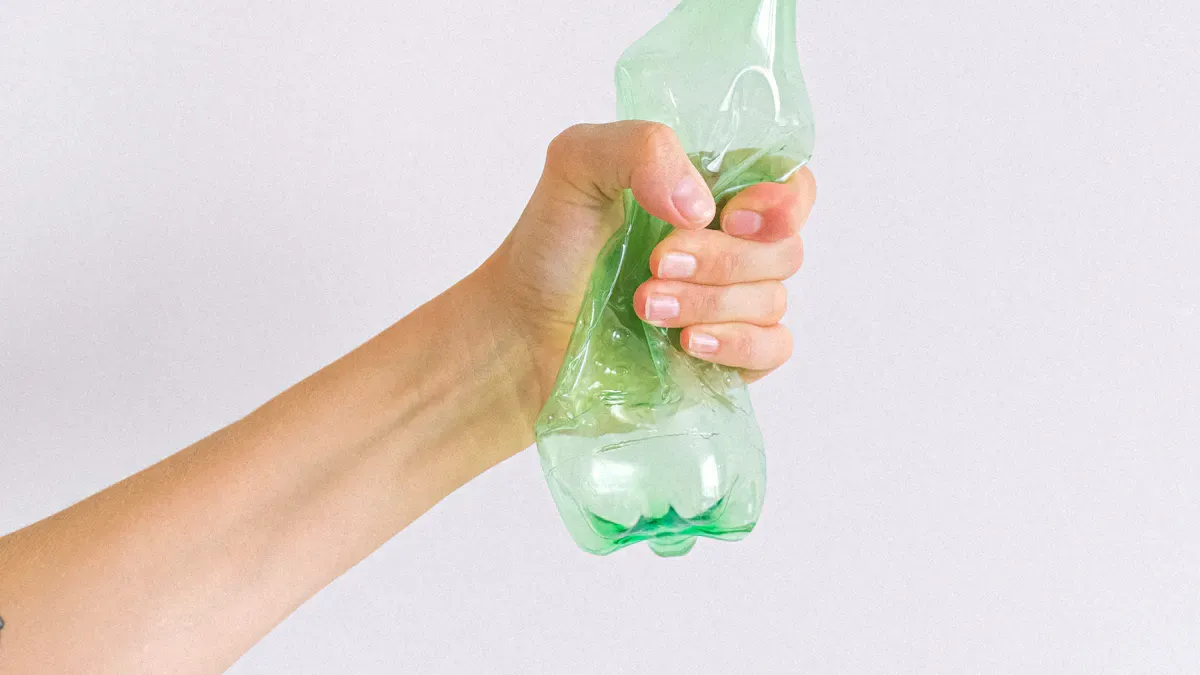
Pre-sorting bottles is the first step toward achieving high-quality bales. Operators should remove caps, labels, and non-PET containers before feeding bottles into the machine. This process reduces contamination and ensures that only PET material enters the crushing chamber. Facilities that implement strict pre-sorting protocols consistently produce bales with higher purity and fewer rejected loads. Staff should receive training on identifying and separating colored PET, PVC, and other foreign materials. Visual inspection lines and clear signage can help reinforce these standards.
Tip: Consistent pre-sorting not only improves bale quality but also extends the lifespan of the crushing equipment by minimizing the risk of jams and mechanical wear.
Correct Loading Techniques
Proper loading techniques are essential for maximizing the efficiency of a pet bottle crushing machine. Operators should avoid overfilling the hopper, as this can cause uneven crushing and increase the risk of machine blockages. Bottles should be loaded in manageable batches, allowing the machine to process material at its designed throughput rate. Even distribution of bottles across the feed area helps maintain consistent output and prevents excessive wear on specific components. Facilities should establish clear loading guidelines and monitor adherence during each shift.
- Load bottles in small, even batches.
- Avoid compacting bottles by hand before loading.
- Do not exceed the machine’s rated capacity.
Note: Overloading can lead to inconsistent bale density and increased downtime due to maintenance issues.
Routine Maintenance
Routine maintenance is critical for ensuring consistent operation and extending the service life of the crushing machine. Maintenance teams should follow a structured schedule that includes daily, weekly, and monthly tasks. Key procedures include:
- Regular cleaning of the hopper, crushing chamber, and discharge areas to remove plastic residues and debris.
- Lubrication of moving parts such as bearings, gearboxes, and blades to reduce wear and prevent overheating.
- Inspection and timely replacement of critical components like blades, screens, and belts.
- Proper adjustment and alignment of blades and screens for optimal performance.
- Monitoring electrical components, including wiring, sensors, and control panels.
- Conducting vibration and noise analysis to detect early signs of mechanical issues.
- Ongoing training for operators and maintenance staff to ensure proper handling and upkeep.
“Proper maintenance of PET recycling machines is not just a technical necessity—it’s a strategic investment. By following a structured maintenance approach, plant managers can extend equipment life, improve productivity, reduce operational costs, and ensure consistent product quality.”
A well-maintained machine reduces the risk of unplanned shutdowns and supports continuous, high-quality output.
Output Monitoring
Monitoring output is essential for maintaining consistent bale quality and optimizing facility performance. Operators should track key performance indicators such as throughput rates, energy consumption per ton of processed material, product quality metrics, and equipment availability percentages. Regular output checks help identify deviations from expected performance and allow for timely adjustments. Facilities should implement a system for recording and reviewing these metrics at the end of each shift.
- Measure throughput rates to ensure the machine meets production targets.
- Monitor energy consumption to identify opportunities for efficiency improvements.
- Evaluate product quality by inspecting bale density and purity.
- Track equipment availability to minimize downtime.
Tip: Continuous monitoring and staff training ensure that every bale meets industry standards and supports the facility’s recycling goals.
By following these tips, facilities can maximize the benefits of their pet bottle crushing machine, reduce operational costs, and produce high-quality PET bales for downstream recycling.
Mistakes to Avoid
Overloading the Machine
Operators often overload PET bottle crushing machines in an attempt to increase throughput. This practice leads to uneven crushing, excessive wear, and frequent blockages. Machines designed for specific capacities perform best when loaded according to manufacturer guidelines. Overloading reduces efficiency and increases the risk of mechanical failure. Facilities should establish clear loading protocols and monitor compliance during each shift.
Tip: Consistent loading prevents downtime and maintains bale quality.
Ignoring Maintenance
Routine maintenance is essential for reliable machine operation. Delaying maintenance tasks, such as replacing dull blades, causes the machine to shift from clean shearing to aggressive crushing. Energy consumption can rise by 15–25% per hour, and processing speeds may drop by up to 30%. Poor regrind quality disrupts downstream operations, requiring additional processing steps and wasting resources. Uneven wear from neglected maintenance creates rotor imbalance, which places severe stress on main bearings and can lead to catastrophic breakdowns.
- Regular maintenance prevents downtime and ensures consistent production.
- Maintenance optimizes performance, reducing energy consumption and increasing processing speed.
- Proper maintenance extends machine life and reduces costly repairs.
- Maintenance enhances safety and minimizes accident risks.
- Neglecting maintenance leads to safety hazards, reduced efficiency, and premature failure of critical components.
Mixing Non-PET Materials
Mixing non-PET materials with PET bottles introduces contaminants that complicate recycling. Even small amounts of non-PET materials can damage the quality of recycled PET and increase processing costs. Facilities must implement strict sorting protocols to prevent contamination.
| Evidence Point | Description |
|---|---|
| Contaminants complicate recycling | Mixing non-PET materials introduces contaminants that complicate the recycling process, leading to lower-grade plastic waste. |
| Increased costs | The presence of non-PET materials can increase the costs associated with recycling due to the need for additional sorting and processing. |
| Reduced quality of recycled PET | Non-PET materials can damage the final recycled PET stream, reducing its overall quality even at low levels of contamination. |
Skipping Output Checks
Skipping output checks undermines bale quality and facility performance. Operators must monitor throughput rates, bale density, and purity to ensure consistent results. Regular output checks allow for timely adjustments and prevent the shipment of substandard bales. Facilities that prioritize output monitoring achieve higher recycling rates and maintain industry standards.
Note: Continuous output checks support operational efficiency and help facilities meet recycling goals.
Benefits of Proper Crushing
Higher Recycling Rates
Proper crushing of PET bottles improves recycling rates by producing uniform, manageable material. When bottles are crushed correctly, sorting and washing processes become more efficient. Facilities can process larger volumes with fewer rejects. Consistent bale quality reduces contamination, which directly increases the amount of PET that can be recycled into new products. This efficiency supports higher throughput and better resource recovery.
Improved Bale Quality
Crushing PET bottles properly results in denser, more stable bales. Uniform bale density prevents breakage during handling and transport. High-quality bales contain fewer contaminants and fines, which simplifies downstream processing. Consistent bale formation also helps meet industry standards and buyer specifications. Facilities benefit from improved reputation and stronger market demand for their recycled PET.
Lower Costs
Effective crushing lowers operational costs by reducing storage space and transportation expenses. Smaller, denser bales require less room and fewer shipments. Properly crushed material minimizes machine wear and downtime, cutting maintenance costs. Energy consumption decreases when the crushing process runs smoothly, improving overall facility efficiency. These savings contribute to a more profitable recycling operation.
Environmental Impact
Proper use of a pet bottle crushing machine supports significant environmental benefits:
- Recycling one ton of PET saves about 1.5 tons of CO₂ compared to producing virgin plastic.
- Energy consumption drops by up to 84% when recycling PET instead of manufacturing new material from crude oil.
- Recycling conserves petroleum resources, saving roughly 2 barrels of oil per ton of PET recycled.
Environmental regulations emphasize quality control throughout the recycling process. Pre-treatment steps like automatic debaling and primary screening remove contaminants early. Wet crushing reduces heat and PET fines, improving material quality. Multi-stage deep washing—including pre-washing, hot washing, friction washing, and rinsing—ensures the purity of recycled PET. These measures align with standards designed to protect the environment and promote sustainable recycling.
Maintaining strict crushing and cleaning protocols not only meets regulatory requirements but also enhances the overall sustainability of PET recycling programs.
Effective use of PET bottle crushing machines prevents bale failures and enhances recycling operations. Facilities should focus on pre-sorting, correct loading, routine maintenance, and output monitoring. Key performance indicators include throughput, output quality, and utility consumption. Regular analysis of these metrics supports operational improvement and ensures consistent results. Immediate review of current practices or staff training can drive better recycling outcomes and increase facility efficiency.
- Throughput: kg/h or lb/h
- Output Quality: moisture, fines, contaminants
- Utilities: kWh/ton, water, air
FAQ
What is the main cause of small PET bottle bale failures?
Small bale failures often result from improper crushing and inconsistent machine operation. Loose bales lack structural integrity and break during handling. Facilities must follow correct loading and maintenance procedures to prevent these issues.
How often should maintenance be performed on a PET bottle crushing machine?
Routine maintenance should occur daily, weekly, and monthly. Cleaning, lubrication, and inspection of critical parts help maintain consistent performance. Scheduled maintenance reduces downtime and extends machine lifespan.
Can non-PET materials be processed in the crushing machine?
Note: Only PET bottles should enter the crushing machine. Non-PET materials introduce contaminants, damage equipment, and lower the quality of recycled PET. Strict sorting protocols are necessary for optimal results.
What are the key performance indicators for output monitoring?
Operators track throughput rates, bale density, product purity, and equipment availability. Regular monitoring ensures consistent bale quality and supports facility recycling goals.