
In a real pet bottle recycling plant, the best production result rarely comes from one oversized machine. It comes from a complete line that balances sorting accuracy, label removal efficiency, washing performance, drying stability and machine uptime. If the sorting section is weak, contamination enters the line. If the label remover is too light, labels and glue overload the washers. If the line is too aggressive, bottles may be damaged before proper separation. If maintenance is difficult, every shutdown reduces daily output and raises the cost per ton.
1. Why PET Bottle Recycling Needs a Complete Line View
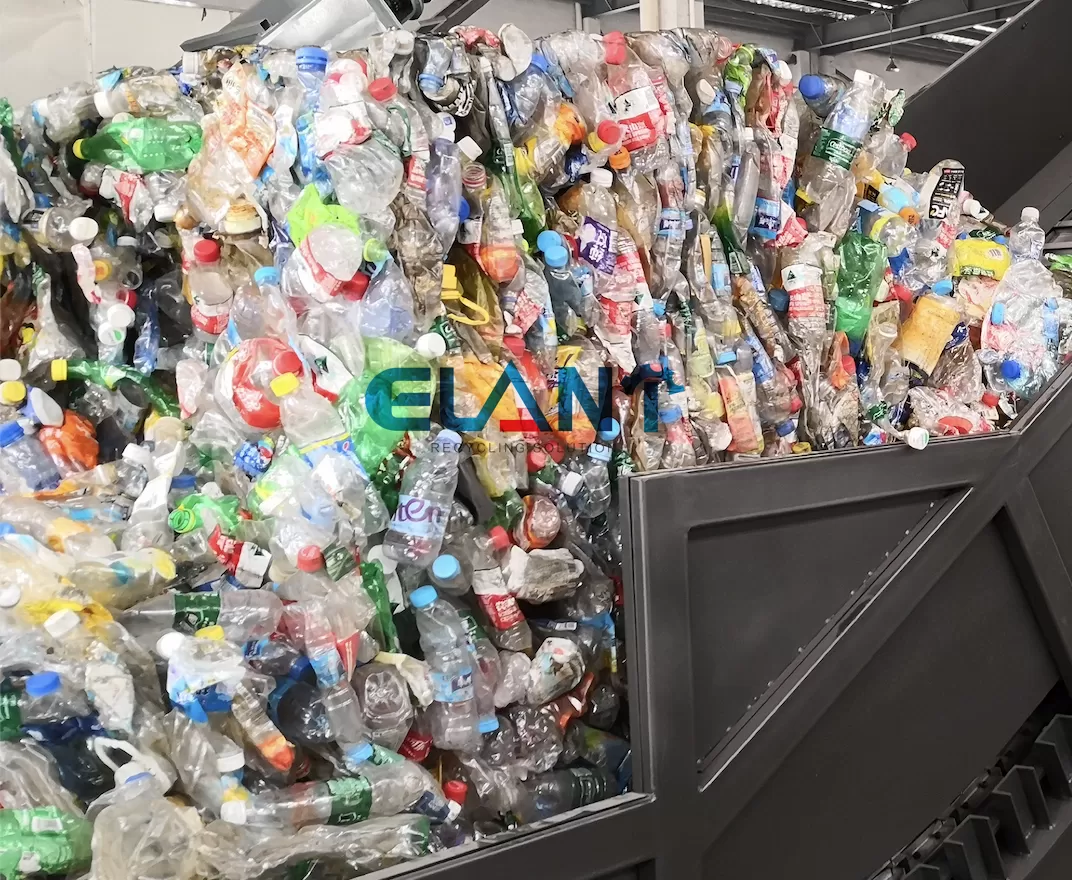
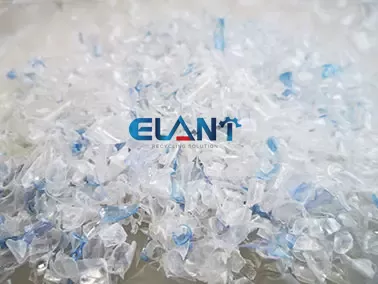
PET bottles are commonly collected from municipal waste, bottle deposit systems, commercial channels and industrial sources. After collection, the bottles are usually compressed into bales and transported to a recycling facility. These bales can contain clear bottles, colored bottles, caps, labels, glue, dirt, residual liquid, metal pieces, stones and other plastics. The recycling line must convert this inconsistent material into clean PET flakes that can be used for fibers, straps, sheets, films, or in more demanding applications after further processing.
The U.S. EPA describes recycling as collecting and processing materials that would otherwise become trash and turning them into new products, while also noting the importance of sorting, cleaning and processing within the recycling system. This matters for PET because the quality of each step affects the next step. In other words, a PET recycling plant cannot rely only on washing to solve every problem. Good recycling begins before the bottles reach the crusher.
The United Nations Environment Programme provides broader context on plastic pollution and circular plastics action, which helps explain why higher-quality PET bottle recycling systems matter for long-term waste reduction.
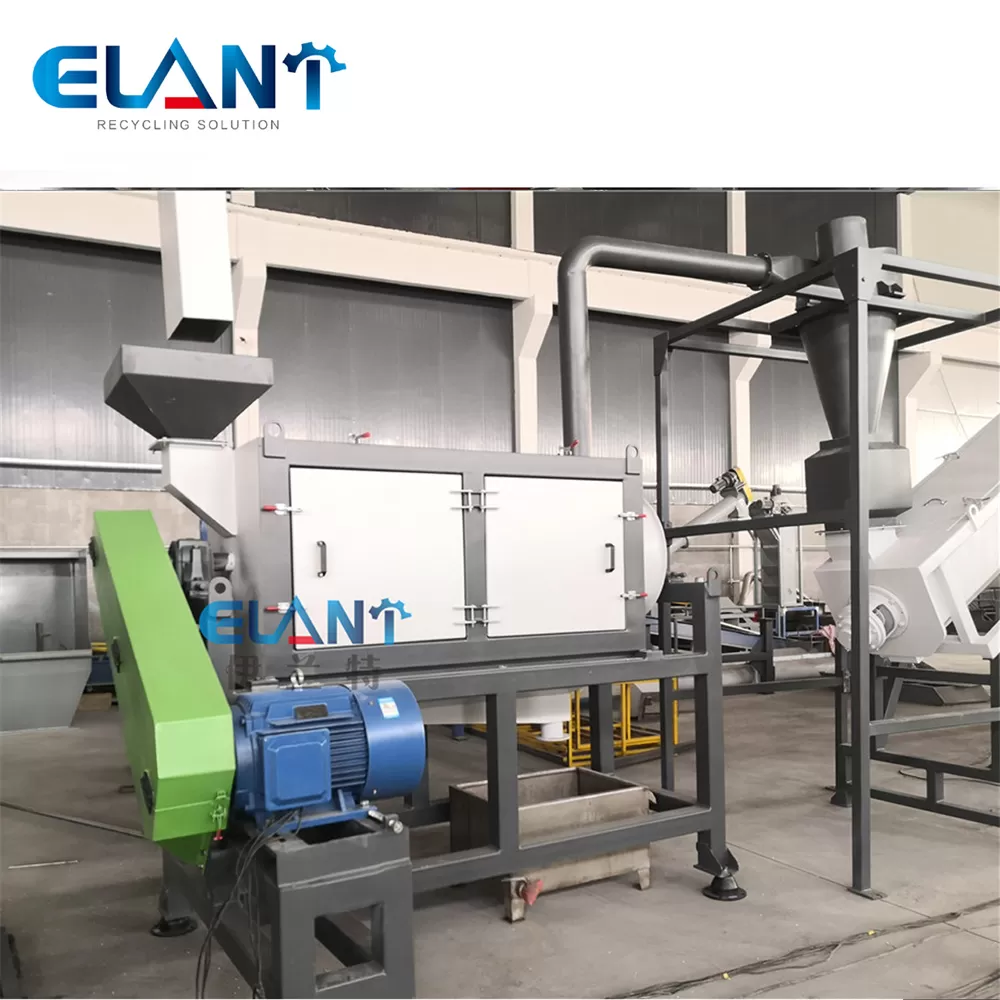
Elant Machinery鈥檚 product information describes PET bottle washing equipment as a complete solution for waste PET bottles, including label-removing, crushing, washing, drying and packing. That structure is important because it reflects the actual production logic: each stage protects the next stage. If operators treat each machine as an isolated unit, they may create bottlenecks. If they treat the full line as one system, they can improve both quality and uptime.
For customers comparing equipment, a useful starting point is the PET bottle washing line category page. For larger capacity planning, the PET bottle recycling machine 3000kg/hr page can be used as a reference. For smaller or staged investment, the PET recycling machine 500kg/hr for PET bottles page is more suitable as an entry point.
2. Sorting Accuracy: PET Flake Quality Starts Before Washing
Sorting accuracy is the first major control point in pet bottle recycling. It determines how much non-PET material enters the main process. Contaminants such as PVC, PE, PP, paper, metals and colored plastics can reduce final flake quality. Some contaminants can also damage machines or increase wear. When the sorting stage is weak, the washing line must work harder, operators must intervene more often, and the plant may produce more rejected material.
Sorting should not be understood only as manual labor. In many plants, sorting combines manual inspection, bale opening, metal removal, label reduction, color separation and density separation. Some plants also use optical sorting to improve consistency. The right choice depends on the feedstock. Clean bottle streams may need fewer steps. Mixed municipal streams usually need stronger sorting and impurity removal.
Packaging design also affects sorting and recycling. The Association of Plastic Recyclers maintains guidance on packaging design and recyclability, which is useful when evaluating why certain labels, adhesives, colors and components create processing challenges. A recycling plant cannot control every bottle design entering the line, but it can design the process to handle the most common risks.
Sorting Accuracy Factors in PET Bottle Recycling
| Sorting factor | What it controls | Effect on PET flakes | Operational risk if ignored |
|---|---|---|---|
| PVC and non-PET removal | Bottles and plastics that do not match PET properties | Improves heat stability and downstream usability | Contaminated flakes, lower buyer confidence, rework |
| Color separation | Clear, blue, green and mixed bottle streams | Improves value where clear flakes are required | Lower grade material and narrower application range |
| Metal removal | Metal caps, wires and foreign objects | Protects cutters, crushers, conveyors and washers | Blade damage, emergency shutdown, safety issues |
| Cap and ring control | PP/PE caps and neck rings | Improves floating separation and flake cleanliness | Higher impurity load in washing and separation tanks |
| Label and sleeve control | Paper, PP, PE, PVC shrink sleeves, glue and ink | Reduces floating impurities and washing burden | Clogging, poor flake appearance, higher water treatment load |
A common mistake is trying to maximize sorting accuracy without considering yield and uptime. Very strict sorting may remove too much usable material. Very loose sorting may preserve yield but damage final quality. The practical goal is to define the required flake grade first, then match sorting intensity to that grade.
3. Label Removal: Why It Is More Than Surface Cleaning
Label removal is one of the most important and misunderstood steps in PET bottle recycling. Labels are not just decorative materials. They may include paper, PP, PE, PVC shrink film, glue, printing ink and sometimes metallized film. If too many labels enter the washing section, they can increase floating impurities, block screens, wrap around rotating parts and make water filtration harder.
Mechanical label removal before crushing can reduce the contamination load. This improves the performance of later washing and separation sections. However, label removal should be balanced. If the label remover is too weak, too much label material remains. If it is too aggressive or poorly adjusted, the machine may create extra fines, reduce uptime, or increase power consumption.
In a well-designed line, label removal supports three goals. First, it helps sorting by exposing more of the bottle surface. Second, it reduces contamination before the crusher. Third, it lowers the burden on hot washing, friction washing and floating separation. For plants with heavily labeled bottles, label removal can be one of the biggest cost-saving points.
Operators should inspect label removal performance in daily production. A simple check is to examine bottles after the label remover but before crushing. If many large labels remain, washing cost may rise. If the machine creates too much dust or bottle damage, the setting may need adjustment. The goal is not always perfect label removal at this stage. The goal is stable label reduction that supports clean flakes and high uptime.
4. Machine Uptime: The Hidden Profit Driver
Uptime is the percentage of time the PET recycling line is available for production. In many plants, uptime affects profitability more than the maximum capacity listed in the equipment specification. A line rated for high capacity may still underperform if it stops frequently. A moderate-capacity line that runs smoothly can produce more usable output over a month.
Common downtime causes include unstable feeding, bale wire contamination, label buildup, crusher blockage, blade wear, screen clogging, dirty water circulation, bearing failure and poor maintenance access. Downtime also creates secondary losses. Operators spend time cleaning the machine, restarting the line, removing blocked material and checking quality. Energy is wasted during start-stop cycles, and the daily production plan becomes unreliable.
Elant鈥檚 article on precautions when using PET bottle recycling lines is a useful internal support page because it covers safety, efficiency and quality considerations around line operation. Another relevant internal article is managing feedstock variability for consistent output quality, because unstable feedstock is one of the reasons recycling lines fail to maintain steady production.
Downtime Causes and Optimization Methods
| Downtime cause | Typical symptom | Optimization method | Relevant Elant page |
|---|---|---|---|
| Unstable feeding | Surges at conveyor, crusher overload, uneven washing load | Use bale opening, buffer storage and controlled feeding | PET bottle washing line |
| Label buildup | Film wraps around shafts and screens | Improve label removal before crushing and clean screens regularly | PET bottle recycling machine 3000kg/hr |
| Blade wear | Lower cutting efficiency, higher noise, more fines | Schedule blade inspection and match blade material to bottle condition | PET recycling machine 500kg/hr |
| Moisture instability | Wet flakes, poor downstream storage or pelletizing performance | Improve drying, dewatering and moisture monitoring | PET crystallizer and dehumidification dryer |
| Poor pelletizing preparation | Inconsistent pellets or unstable extrusion | Control flake purity, moisture, melt filtration and feeding | PET pelletizing machine |
5. Washing, Drying and Flake Quality Control
After sorting and label removal, the washing line must remove dirt, oil, glue, paper, floating plastics and fine particles. A typical PET washing process may include pre-washing, crushing, friction washing, hot washing, floating separation, rinsing, dewatering and drying. The exact structure depends on bottle condition and final flake requirements.
The PET bottle washing line should not be evaluated only by tank size or motor power. Buyers should ask how the line handles contaminated bottles, how easy it is to clean, how water circulates, how sediment is discharged, how moisture is controlled and how the line prevents bottlenecks. Clean flakes are produced by the combination of mechanical action, water control, temperature control, separation and drying.
If flakes are intended for pelletizing, moisture control becomes even more important. Elant鈥檚 PET crystallizer and dehumidification dryer category is relevant when PET flakes need better preparation before extrusion or pelletizing. For higher-end processing, the solid state polymerization system page can also be used as an internal supporting link for readers researching downstream PET performance improvement.
6. When PET Flakes Need Pelletizing
Some recycling plants sell washed flakes directly. Other plants continue into pelletizing to make PET pellets or granules. Pelletizing can improve material handling and create a more uniform form for downstream manufacturing. However, pelletizing is sensitive to flake quality. If flakes contain too much moisture, glue, labels, PVC, color contamination or fines, pellet quality may become inconsistent.
For this reason, pelletizing performance starts upstream. Sorting, label removal and washing directly affect extrusion stability. Elant鈥檚 PET pelletizing machine category provides a natural internal link for readers who want to go beyond flake production. The article Plastic Pelletizing Recycling Machine: Common Causes of Inconsistent Pellet Quality can also support the topic because it explains how mixed materials and unstable processing conditions can affect pellet consistency.
At the same time, external information about plastic recycling and circularity can strengthen the article. Petcore Europe provides industry context around PET circularity, while Recycling Magazine can be used as an industry news source for readers who want to follow recycling technology updates. These external links should be placed naturally in the content rather than only listed at the end.
7. PET Bottle Recycling Line Configuration: How to Choose
The best PET bottle recycling configuration depends on four practical questions. What is the incoming material like? What final quality does the buyer need? What hourly capacity is realistic? What operating resources are available? A plant with clean bottle bales and trained operators may choose a simpler configuration. A plant processing mixed, dirty, highly labeled bottles needs stronger sorting, washing and impurity control.
For example, a customer targeting basic PET flakes may focus on reliable label removal, washing and drying. A customer targeting higher-value flakes may need stronger sorting, hot washing and more precise moisture control. A customer planning pelletizing should also consider drying, crystallization and extrusion stability. In this case, linking readers from a PET washing article to PET pelletizing equipment is helpful because it connects the upstream washing decision with the downstream processing result.
Configuration Checklist for Buyers
| Buyer question | Why it matters | Recommended focus |
|---|---|---|
| Are bottles clean or dirty? | Dirty bottles require stronger washing and water management. | Pre-washing, hot washing, friction washing and filtration |
| Are labels paper, PP, PE or shrink sleeves? | Different labels separate differently and affect washer load. | Mechanical label removal and floating separation |
| Is the target output flakes or pellets? | Pelletizing requires better moisture and impurity control. | Drying, crystallization, melt filtration and pelletizing |
| What capacity is realistic per hour? | Oversized lines can create feeding and maintenance problems. | Matched feeding, washing, drying and packing capacity |
| How much labor is available? | Labor affects manual sorting, inspection and maintenance. | Automation level and easier maintenance access |
8. Simple Economic Logic: Why Balance Beats Maximum Speed
Many buyers ask first about capacity. Capacity matters, but it is not the only number that decides profit. A 3,000 kg/hr line running at unstable conditions may produce less saleable material than a smaller line running smoothly. Operators should look at saleable output, not only input capacity.
A practical calculation can help. Suppose a PET recycling line runs at 2,000 kg/hr with 85% uptime. In a 20-hour operating day, it produces 34,000 kg of processed material before quality adjustments. If uptime drops to 70%, output falls to 28,000 kg. That difference is 6,000 kg per day. Over a month, the lost production can be significant. If contamination also lowers the sale price, the profit gap becomes even wider.
This is why sorting accuracy, label removal and uptime should be evaluated together. Stronger sorting may reduce contamination but may also slow feeding if not designed properly. Stronger label removal may improve washing but may require better maintenance. Higher washing intensity may improve flakes but increase water treatment cost. The right design finds the most profitable balance for the customer鈥檚 actual material.
9. Practical Operation Tips for Higher Stability
First, inspect incoming bales before production. High levels of dirt, metal, oil, colored bottles or shrink sleeves should be recorded. This helps operators adjust the sorting and washing plan instead of reacting after problems occur.
Second, avoid overfeeding the crusher. A stable feed rate protects blades, motors and downstream washing tanks. Overfeeding may look productive for a short time, but it often causes blockage, higher wear and inconsistent flakes.
Third, monitor water quality. Dirty water reduces washing performance and can redeposit contamination on flakes. Water filtration, sediment discharge and regular cleaning should be part of the normal operating routine.
Fourth, connect quality checks with machine settings. If flakes show too much label residue, inspect label removal and floating separation. If flakes contain too much moisture, inspect dewatering and drying. If pelletizing becomes unstable, check upstream sorting, washing and drying before blaming only the extruder.
Fifth, keep spare parts and maintenance records. Blades, screens, bearings, belts and pumps are consumable or wear-sensitive parts in recycling lines. A plant that waits for failure will lose uptime. A plant that schedules maintenance can keep production predictable.
10. FAQ About PET Bottle Recycling
What affects PET bottle recycling efficiency the most?
The most important factors are raw bottle quality, sorting accuracy, label removal, washing performance, moisture control, line uptime and operator maintenance. A weak section can reduce the performance of the full line.
Why is label removal important before PET bottle crushing?
Removing labels before crushing reduces the amount of film, paper, glue and ink entering the washing section. This improves washing efficiency and can reduce floating impurities in the final flakes.
Should every PET recycling plant use pelletizing?
Not always. Some plants sell washed PET flakes directly. Pelletizing is useful when the customer wants uniform pellets or when downstream production requires granules. If pelletizing is planned, the plant should also pay attention to moisture, crystallization and material purity.
How can a recycling plant improve uptime?
A plant can improve uptime by stabilizing feeding, improving sorting, reducing label buildup, maintaining blades and screens, controlling water quality, and selecting equipment that matches actual feedstock conditions.
Where can readers learn more about Elant Machinery?
Readers can visit the About Elant page to understand the company鈥檚 product range, including washing and pelletizing equipment, or go directly to the PET bottle washing line category for PET recycling equipment.
Conclusion: Build PET Bottle Recycling Around the Real Trade-Off
The best pet bottle recycling result is not achieved by maximizing one single parameter. Sorting accuracy improves purity, but it must be balanced with yield and labor. Label removal reduces washing load, but it must be adjusted for stable operation. Uptime protects daily output, but it depends on correct feeding, maintenance and process design. Washing and drying create clean flakes, but they can only perform well when upstream sorting and label control are reliable.
For buyers planning a new recycling line or upgrading an existing plant, the most practical step is to evaluate raw material condition, target flake quality, operating hours, labor availability and downstream application together. Then choose a line configuration that supports the entire process from bottle sorting to clean flakes or pellets. Elant Machinery鈥檚 PET bottle washing and recycling pages provide a useful starting point for comparing different capacities and process options.
Suggested CTA:Need a PET bottle recycling line matched to your bottle material, label type and target capacity? Visit Elant PET bottle washing line or review the PET bottle recycling machine 3000kg/hr for a complete washing and recycling solution.
External Sources Used in This Article
- U.S. EPA 鈥?Recycling Basics and Benefits
Source: https://www.epa.gov/recycle/recycling-basics-and-benefits
Visible URL: https://www.epa.gov/recycle/recycling-basics-and-benefits - Association of Plastic Recyclers 鈥?APR Design Guide Overview
Source: https://plasticsrecycling.org/apr-design-hub/apr-design-guide-overview/
Visible URL: https://plasticsrecycling.org/apr-design-hub/apr-design-guide-overview/ - Petcore Europe 鈥?PET circularity and recycling information
Source: https://www.petcore-europe.org/
Visible URL: https://www.petcore-europe.org/ - Recycling Magazine 鈥?Recycling industry updates
Source: https://www.recycling-magazine.com/
Visible URL: https://www.recycling-magazine.com/ - UNEP 鈥?Plastic Pollution
Source: https://www.unep.org/topics/chemicals-and-pollution-action/plastic-pollution
Visible URL: https://www.unep.org/topics/chemicals-and-pollution-action/plastic-pollution