
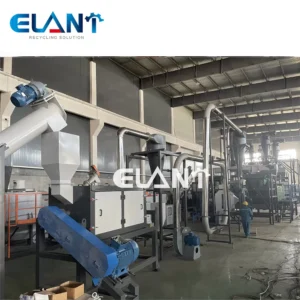
In the dynamic world of plastic recycling, Maintaining an efficient and robust recycling line, including the use of a removal machine, is paramount to preventing costly downtime and ensuring a steady flow of high-quality recycled material.. This article delves into crucial checks and considerations that can safeguard your plastic recycling operations from unexpected failures and optimize overall performance in the plastic recycling line.
Understanding Plastic Recycling
Plastic recycling is a multifaceted process that transforms discarded plastic waste into reusable raw material, significantly reducing the environmental impact of plastic pollution and involving various kinds of plastic. This intricate plastic recycling process involves several stages, each crucial for producing high-quality recycled pellets suitable for new product manufacturing. Understanding the fundamentals of plastic recycling is essential for any plastic recycling plant aiming for optimal efficiency and effective pet recycling.
Types of Plastic and Their Impact on Recycling
The vast array of plastic material types each presents unique challenges and considerations for a plastic recycling line, particularly in integrated recycling solutions. The material type dictates the appropriate recycling solution and machinery in the recycling business, impacting the overall efficiency and effectiveness of the recycling system.
| Material Type in the context of modern plastic recycling is crucial for determining the appropriate recycling methods. | Recycling considerations in the context of types of plastic recycling are critical for effective operations and achieving optimal efficiency. |
|---|---|
| PET | Processing rigid plastic or plastic films requires a different approach than using a cutting machine designed for smaller plastic pieces. |
| HDPE, LDPE, PP, and other plastics are key materials in the recycling process, particularly in integrated recycling systems. | Present unique challenges for a plastic recycling line, particularly in the context of types of plastic recycling. |
The Importance of Plastic Recycling Machines
Plastic recycling machines are essential for any successful plastic recycling plant, converting plastic waste into valuable recycled plastic pellets. A robust plastic recycling machine, encompassing various specialized equipment and line solutions, is vital for a complete recycling operation, ultimately producing high-quality plastic pellets.
| Equipment Type | Function plays a vital role in the efficiency of plastic recycling equipment. |
| A plastic shredder is a vital component of the recycling line, transforming larger plastic pieces into smaller, manageable flakes. | Size reduction of plastic waste is a critical step in the recycling process, often facilitated by machines designed for small recycling tasks. |
| Washing Lines | Removal of plastic contaminants |
| Granulators are essential components in the line configuration of a modern plastic recycling facility. | Part of the complete recycling solutions operation to produce plastic granules. |
Overview of the Plastic Recycling Process
The plastic recycling process is a sophisticated journey that begins with the collection and sortation of plastic items. Once sorted by material type, the plastic undergoes several key stages:
- Shredding and crushing for size reduction are essential functions of the shredder machine in waste recycling, ensuring the material is prepared for further processing.
- A thorough plastic washing process is necessary for effective plastic film recycling within the recycling industry.
- Feeding the dry flakes into an extruder for pelletizing is a key step in the plastic recycling equipment process, ensuring high-quality output.
There, they are transformed into recycled pellets, ready to re-enter the production line as a valuable resource, mimicking virgin plastic in many applications, including pet recycling and modern plastic recycling.
Key Components of a Plastic Recycling Line

Shredders and Their Role in Plastic Recycling
Shredders are indispensable plastic recycling machines, forming the initial critical step in the plastic recycling process, especially for expanded polystyrene recycling. Their primary role is the size reduction of various types of plastic items for effective recycling of plastic.Processing various types of plastics, including rigid plastic and plastic films, into manageable flakes is the primary function of a cutting machine in the recycling process. A robust plastic shredder can efficiently process a diverse waste stream, preparing the plastic material for subsequent stages of the recycling line and ensuring a smooth and efficient overall recycling operation.
Washing Lines: Ensuring Clean Plastic Waste
Following shredding, Washing lines become paramount in the plastic recycling line, particularly for modern plastic recycling of plastic films. This machinery is specifically designed for the thorough cleaning of the plastic flakes, removing contaminants to ensure optimal plastic granules. such as labels, dirt, and residual product. An effective plastic washing process is crucial for achieving high-quality recycled pellets, as clean plastic material prevents impurities from compromising the integrity of the final product and subsequent extrusion processes.
Pelletizing: Transforming Flakes into Usable Pellets
Pelletizing is the final transformative stage in a complete recycling process, converting the clean, dry flakes into uniform recycled pellets using advanced plastic recycling equipment. This crucial stepThe pelletizing process, often carried out by an extruder within a plastic recycling line, prepares the plastic material for re-entry into the production line. High-quality plastic pelletizing ensures the recycled pellets can effectively substitute virgin plastic in new manufacturing applications, completing the loop of sustainable plastic recycling.
Common Issues in Recycling Lines
Identifying Capacity Failures in Recycling Machines
Capacity failures in a plastic recycling line can significantly impede the overall recycling process and reduce efficiency in the recycling business.. A recycling machine, especially a shredder machine or a plastic washing line, might experience bottlenecks if not properly sized for the incoming plastic waste stream. Overloading the shredder or a washing line with too much plastic material can lead to decreased shredding efficiency, incomplete plastic washing, and ultimately lower throughput of high-quality recycled pellets.
Impact of Contaminants on Recycling Efficiency
Contaminants pose a significant challenge to the efficiency of any plastic recycling line.. Non-plastic materials mixed with the plastic waste, such as labels, dirt, or other foreign objects, can severely impact the quality of the recycled pellets. An inefficient plastic washing process can leave these contaminants on the plastic flakes, leading to poor extrusion during pelletizing and potentially damaging the recycling machinery, particularly the extruder. This directly affects the integrity of the final recycled plastic pellets, which are essential for effective pet recycling.
Maintenance Checks for Plastic Recycling Machinery
Regular maintenance checks are crucial for the longevity and optimal performance of all plastic recycling machinery, including shredders and granulators, to prevent downtime.. Inspecting the shredder blades for wear and tear, ensuring the washing line components are clean and functional, and calibrating the extruder in the pelletizing line are essential tasks for maintaining a turnkey recycling operation. Proactive maintenance prevents unexpected breakdowns, maintains the capacity of the recycling system, and ensures the continuous production of high-quality recycled pellets, contributing to a smooth and complete recycling process.
Innovative Solutions for Efficient Recycling
Advancements in PET Bottle Recycling Technologies
Advancements in PET bottle recycling technologies are continuously improving the efficiency and quality of recycled pellets from plastic bottles, contributing to the recycling industry and reducing plastic recycling machine costs.. Modern PET bottle recycling lines incorporate sophisticated sortation systems to effectively separate plastic items from other types of plastic, ensuring a cleaner waste stream. Enhanced washing and pelletizing lines are now capable of producing PET flakes and recycled pellets that rival virgin plastic in purity and performance, expanding the applications for recycled PET material.
Recycling Projects Focused on Rigid Plastics and Films
Innovative recycling projects are increasingly focusing on the challenging yet crucial task of recycling rigid plastic and plastic films through complete recycling solutions.Plastic recycling involves various kinds of plastic, including HDPE, LDPE, and PET bottle, which can be processed using specialized machinery. These projects develop specialized recycling equipment and processes, such as advanced plastic shredder and crushing machine designs, to effectively handle the diverse characteristics of these material types. The goal is to establish efficient plastic recycling solutions that transform these difficult plastic waste streams into high-quality recycled pellets, broadening the scope of plastic film recycling in the recycling industry.
Future Trends in Plastic Waste Management
Future trends in plastic waste management are geared towards creating a more sustainable and circular economy for plastic materials, emphasizing the importance of various kinds of plastic recycling.. This involves developing more integrated plastic recycling systems that can handle a wider range of types of plastic, including complex plastic films and multi-layered packaging. Emphasis will be placed on improving the efficiency of the entire plastic recycling process, from initial sortation to the final pelletizing, ensuring that more plastic waste is converted into valuable reusable raw material, reducing reliance on virgin plastic.