
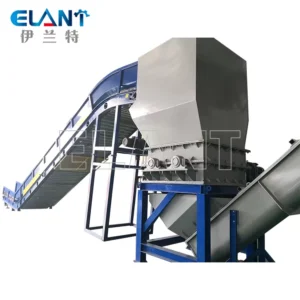
The efficiency of a plastic bottle recycling machine hinges significantly on effective factory layout control and automation within the recycling business. This article delves into common pitfalls that can undermine this control in the recycling business, leading to Decreased productivity and higher operational costs in the vital process of plastic waste recycling can be mitigated by implementing efficient strategies.
Understanding Plastic Recycling
Importance of Recycling Plastic Bottles
Recycling plastic bottles is an incredibly important step in combating plastic pollution and conserving resources, as it plays a crucial role in the plastic recycling industry. Every year, countless plastic bottles are discarded, contributing to overflowing landfills and environmental damage, highlighting the urgent need to recycle PET bottles. By choosing to recycle plastic bottles, we can significantly reduce the demand for virgin plastic, thereby lessening our reliance on fossil fuels and lowering carbon emissions associated with plastic production. This critical process transforms used plastic into valuable raw materials, such as plastic flakes or pellets, for new products, enabling the recycling market to thrive.
Overview of Plastic Recycling Process
The plastic recycling process is a sophisticated journey that begins with the collection of used plastic waste, which can be transformed into reusable materials through advanced machinery solutions. Once collected, these used plastic bottles undergo several stages within a recycling plant, often involving a complete recycling line. The key steps include using plastic bottle recycling methods to enhance productivity.
- The plastic bottles are sorted by type and then cleaned to remove contaminants.
- A plastic crusher or plastic shredder reduces the material into smaller plastic pieces or plastic flakes.
- These pieces are further processed through a washing line to ensure cleanliness before finally being transformed into plastic flakes or pellets through pelletizing.
Types of Plastic Bottles Used in Recycling
Various types of plastic bottles are commonly used in industrial recycling, each requiring specific handling due to its distinct properties. These materials contribute to comprehensive industrial plastic recycling machinery and ultimately, new plastic products.
| Plastic Type is crucial in determining the appropriate processes in the recycling business, especially for film recycling lines and rigid plastic applications. | Common Uses/Characteristics of reusable and recycled materials in machinery solutions for efficient recycling. |
|---|---|
| PET (polyethylene terephthalate) is a common material that can be efficiently recycled in the plastic recycling industry. | Widely recycled, often processed through a PET bottle washing system to yield high-quality recycled materials and reusable plastic flakes, which can then be used in industrial plastic recycling. |
| HDPE (high-density polyethylene) is commonly recycled in machines for plastic bottle recycling to produce new products. | Frequently used for milk jugs and detergent containers, these materials are often processed in the plastic recycling machine. |
| PP (polypropylene) is an important material in the recycling business, often needing specialized machinery solutions for efficient processing. | Often recycled from caps or containers. |
Common Mistakes in Factory Layout for Recycling Machines

Poor Workflow Design
One of the most detrimental errors in a plastic recycling factory layout is a poorly designed workflow, which can severely hinder the efficiency of the entire plastic recycling process. An ineffective layout often leads to bottlenecks, unnecessary material handling, and increased operational costs in the plastic recycling factory., directly impacting the throughput of the plastic bottle recycling machine. When the sequence of operations, from sorting plastic bottles to pelletizing, is not optimized in the plastic recycling machine, the complete recycling line struggles to achieve its maximum potential.
Inadequate Space for Plastic Crusher and Shredder Operations
Another significant mistake is allocating insufficient space for key machinery such as the plastic shredder and plastic washing machines. These machines are critical for reducing used plastic bottles into manageable plastic pieces or plastic flakes, and they require ample room for safe operation, maintenance, and material flow. Cramped conditions can impede the feeding of plastic waste into the shredder or crusher, slow down the processing of plastic bottles, and potentially lead to safety hazards and reduced efficiency in the initial stages of plastic recycling.
Neglecting the Integration of Washing Line and Pelletizer
A common oversight in factory layout is the failure to properly integrate the washing line and pelletizer, which are essential components of any comprehensive plastic recycling machinery for reusable materials. If the layout does not facilitate a smooth transition from the washing line, where plastic flakes are cleaned, to the pelletizer, where they are transformed into plastic pellets, it can create significant inefficiencies. This lack of integration often results in increased manual handling, extended processing times, and a less streamlined plastic recycling process, hindering the effectiveness of automation., ultimately impacting the quality and quantity of the final plastic products.
Impact of Layout Mistakes on Recycling Efficiency
Effect on Processing Clean PET Bottles
Layout mistakes significantly hamper the efficient processing of clean PET bottles within a plastic recycling plant, affecting the performance of recycling machines that help in the shredding process. Common Uses/Characteristics of reusable and recycled materials are essential for understanding the benefits of plastic waste recycling. This impacts the overall quality of the recycled plastic and subsequently, the market value of the end product, especially when considering the effectiveness of film washing processes. Proper layout ensures a continuous and uncontaminated path for PET bottles through the plastic bottle recycling machine, from shredder to final pelletizer.
Challenges in Producing High-Quality Recycled PET Flakes
The challenges in producing high-quality recycled PET flakes are directly amplified by poor factory layout and inadequate recycling solutions. An inefficient arrangement of plastic recycling machinery, such as the plastic crusher, washing machine, and drying system, can introduce impurities, increase moisture content, or cause material degradation. These issues compromise the integrity of the plastic flakes, making them less suitable for high-grade applications in the recycling business. and diminishing the effectiveness of the entire plastic recycling process, particularly in terms of recycling machines cost.
Consequences for Overall Plastic Recycling Operations
The consequences of layout mistakes ripple throughout the entire plastic recycling operation. Beyond the immediate impact on PET bottles, these errors can reduce the throughput for other types of plastic, such as HDPE and PP, complicating the recycling business and film recycling efforts, which rely on efficient machinery solutions. Inefficient material flow leads to bottlenecks in the recycling business, increased energy consumption, and higher labor costs, ultimately affecting the recycling machines cost., ultimately hindering the overall profitability and sustainability of the recycling business and the quality of recycled materials, as well as increasing recycling machines cost. The ability to effectively recycle plastic waste is severely compromised, contributing to plastic pollution rather than mitigating it, especially when recycling solutions are not utilized.
Strategies for Optimizing Factory Layout
Designing Efficient Workflow for Plastic Bottle Recycling
To optimize a factory layout for recycling PET bottles, designing an efficient workflow for the recycling business, including space for machines and pelletizing machines, is paramount. This involves a comprehensive analysis of the complete recycling line, from the initial sorting of plastic bottles to the final pet bottle recycling machines process. A well-thought-out workflow minimizes unnecessary material handling, reduces travel distances between machines like the plastic crusher and the washing line, and ensures a seamless transition of plastic materials, thereby enhancing the overall efficiency and throughput of the plastic recycling machine for rigid plastic.
Integrating Advanced Machinery for Enhanced Performance
Integrating advanced machinery, such as pelletizing machines, is a key strategy for enhancing performance in a plastic recycling factory. Modern recycling equipment, such as automated plastic shredders, high-efficiency washing systems, and precision plastic pelletizers, can significantly improve the quality and quantity of recycled plastic. The layout should be designed to accommodate these machines optimally, allowing for their full operational potential and facilitating easy maintenance and upgrades, which is crucial for processing plastic bottles and other plastic waste.
Utilizing Space Effectively for Plastic Recycling Equipment
Effective space utilization is critical in a plastic recycling plant, particularly for housing essential plastic recycling equipment like pelletizing machines and shredders. A well-planned layout considers the dimensions and operational requirements of each machine, from the plastic crusher to the pelletizer, ensuring adequate clearance for material flow, maintenance, and safety in the plastic recycling machine. This strategic use of space helps avoid bottlenecks, maximizes the throughput of the plastic bottle recycling machine, and contributes to a more streamlined and productive industrial recycling operation.