
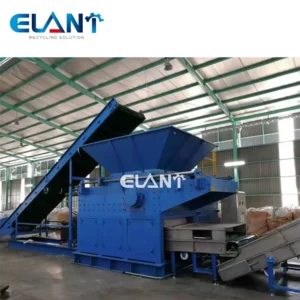
In the world of plastic recycling, shredders are used in plastic waste recycling to process various plastic products into manageable sizes. Achieving the optimal particle size is paramount for ensuring that the materials can reclaim plastic effectively, and the right shredders can shred materials to meet this requirement efficiently.. This article delves into how seemingly minor issues with small particle sizes can cascade into significant failures in plastic size reduction, impacting the efficiency and profitability of recycling operations.
Understanding Plastic Types and Their Challenges
Understanding the diverse landscape of plastic types is crucial for effective plastic recycling, especially when considering waste plastic management.. Each plastic material possesses unique properties that influence how it behaves during the shredding and granulation process, affecting the efficiency of the plastic grinder used for different plastic products. Recognizing these characteristics is the first step towards preventing major plastic size reduction failures and ensuring that shredders are ideal for recycling a wide range of plastic waste recycling needs.
Common Plastic Types in Recycling
The recycling industry encounters a wide range of plastic materials, from common everyday items like PET bottles and HDPE containers to industrial plastic waste such as PP films and plastic pipes, all of which are handled by machines used in plastic waste recycling. Each of these plastic types requires a tailored approach when it comes to shredding and granulating to achieve the desired output size. Effective sorting and identification of plastic types are fundamental before any plastic shredder machine is engaged to ensure optimal reprocessing outcomes in the recycling line, particularly with bottle shredders and sometimes container shredders..
| Plastic Type | Example Item |
|---|---|
| PET | Bottles are often recycled using specialized bottle shredders designed to handle their unique properties and break down plastic effectively, ensuring that shredders can shred them to the appropriate size. |
| HDPE | Containers made from ldpe are commonly recycled using specialized shredders. |
| PP | Films are commonly processed using a plastic grinder to achieve the desired size for recycling applications, particularly in high volume operations where plastic shredders offer enhanced efficiency. |
| Plastic pipes, often bulky and rigid, necessitate the use of heavy-duty plastic shredders for plastic recycling to handle a wide range of rigid plastics for effective processing. |
Impact of Particle Size on Recycling Process
The impact of particle size on the overall recycling process cannot be overstated, especially when considering how plastic shredders can shred various materials for effective recycling. When plastic materials are not reduced to an appropriate size by a plastic shredder, subsequent steps in the recycling chain, such as washing, drying, and extrusion, can become inefficient or even fail. Achieving a consistent and high-quality particle size through proper plastic shredding, especially with a plastic grinder, is essential for producing recycled plastic that is able to reclaim plastic and meets market demands..
Challenges with HDPE and PVC in Shredding
High-density polyethylene (HDPE) and polyvinyl chloride (PVC) present particular challenges in the shredding process due to their inherent properties. Choosing the right shredder, such as a single-shaft shredder with specific rotor designs, is critical for processing these plastic types efficiently in the plastic recycling equipment line.
| Material used in plastic recycling equipment must be carefully selected to ensure effective processing and optimal outcomes in the recycling system. | Properties and shredding considerations play a crucial role in determining the type of scrap shredder and granulator needed for optimal recycling outcomes of thermoplastic materials, especially when considering the amount of plastic being processed. |
|---|---|
| HDPE (High-density polyethylene) is commonly processed using a plastic grinder that can handle a range of industrial shredders, ideal for recycling a wide range of plastic materials. | Often found in plastic bottles and containers, ldpe can be tough and requires robust industrial plastic shredders for efficient processing in the plastic waste recycling need, particularly for reclaiming high-quality material. |
| PVC (Polyvinyl chloride) | Can be more brittle and prone to melting if the shredder configuration or rotor speed is not optimized. |
Plastic Shredders: Importance and Functionality

Types of Plastic Shredders
Plastic shredders, including bottle shredders, are indispensable machines used in plastic waste recycling, offering a solution for plastic materials into smaller, manageable pieces. There is a wide range of plastic shredders available, including specialized bottle shredders and sometimes container recycling of all types, each designed to cater to specific needs within the plastic recycling process. Common types include: shaft shredder, plastic grinder, and bottle grinders, each tailored to handle specific recycling needs while ensuring that shredders can shred materials efficiently.
- Single-shaft shredders
- Dual-shaft shredders
- Quad-shaft shredders are specialized plastic shredders for plastic recycling that can efficiently handle a range of industrial shredders designed to manage various types of plastic waste.
Each shredder configuration offers unique benefits for different plastic types and levels of material hardness, ensuring that shredders can handle diverse recycling requirements. Choosing the right shredder is crucial for an efficient recycling operation to meet the recycling need to be able to handle diverse materials.
How Shredder Configuration Affects Performance
The shredder configuration significantly impacts the performance and efficiency of the plastic shredding process, especially in relation to how well these machines handle different types of plastic.. Factors such as the number of shafts, rotor design, and screen size determine the final particle size and throughput. For instance, a single-shaft shredder is often an ideal solution for plastic container and plastic pipe processing, as it can handle tough materials while producing a consistent particle size suitable for further granulation. The appropriate shredder machine is designed to ensure high-quality output and the desired output size while minimizing common failures in the recycling system.
Industrial Plastic Shredders vs. Standard Shredders
Industrial plastic shredders are designed for heavy-duty plastic shredding applications, distinguishing them from standard shredders primarily used for lighter loads, such as waste shredders.. These robust industrial shredders are built to process large volumes of plastic waste, including thick plastic scrap, plastic bottles, and even entire plastic film bales, providing a solution for plastic container recycling. They feature more powerful motors, durable components, and specialized rotor configurations to handle the diverse and challenging nature of industrial plastic, ensuring a sustainable recycling process at recycling facilities.
Plastic Shredding Process and Its Pitfalls
Steps in the Plastic Shredding Process
The plastic shredding process involves several critical steps to transform plastic waste into usable plastic material, highlighting that efficient plastic recycling equipment is designed to handle a large amount of plastic. Initially, plastic materials are fed into the plastic shredder machine, where the rotor’s sharp blades cut and tear the plastic packaging into smaller pieces to manufacture plastic efficiently. Following this primary shred, the material might pass through a screen for particle size consistency to ensure it meets the recycling need to be able to process effectively. This initial size reduction is crucial for preparing the plastic for subsequent stages like washing and further granulation by a plastic granulator, ensuring a high-quality end product that minimizes landfill waste..
Common Failures in Plastic Size Reduction
Despite advancements, the need for efficient waste shredders remains critical in managing plastic waste generated during production effectively. Common failures in plastic size reduction can hinder the efficiency of a recycling operation that processes various plastic products.. These often include the plastic material wrapping around the rotor of a waste shredder, which can impede the recycling system and lead to decreased performance and potential damage to the shredder. Inadequate shredder configuration, incorrect rotor speed, or improper blade selection for specific plastic types like HDPE or PP can result in oversized particles or excessive fines, thereby complicating the subsequent processing of plastic and reducing the overall effectiveness of the plastic shredding machines.
Consequences of Inadequate Size Reduction
Inadequate size reduction of plastic waste can lead to a cascade of negative consequences throughout the recycling process. When plastic particles are not consistently sized, it can impede the efficiency of washing and drying, which is why waste shredders play a beneficial role in ensuring uniformity. Furthermore, poorly sized plastic scrap can create issues during extrusion, leading to lower-quality recycled plastic and increased processing costs when reprocessing various plastic types. Achieving proper size reduction with a reliable plastic shredder is paramount for a sustainable recycling process and to produce high-quality recycled plastic.
Solutions to Enhance Plastic Recycling Efficiency
Optimizing Shredder Machine Settings
Optimizing shredder machine settings is crucial for maximizing efficiency in plastic recycling, especially when waste shredders can shred various types of waste plastic.. Adjusting parameters such as rotor speed, screen size, and blade configuration can significantly impact the quality and consistency of the shredded plastic material. For instance, a single-shaft shredder can be fine-tuned to process specific plastic types like HDPE or PP more effectively, preventing issues such as material wrapping around the rotor or the production of excessive fines. Proper optimization ensures that the plastic shredder machine operates at its peak performance, delivering high-quality output for subsequent recycling stages, which is essential for effective container recycling.
Investing in High-Volume Plastic Shredders
Investing in high-volume plastic shredders, such as a shredder and granulator combo, is a strategic move for recycling facilities aiming to enhance their plastic recycling capacity and overall efficiency.. Industrial plastic shredders are designed to handle large quantities of diverse plastic waste, including pet bottles and packaging, as well as thick industrial plastic scrap, to address the recycling need to be able to process these materials effectively. These robust machines, including advanced dual-shaft and quad-shaft shredders, offer greater throughput and durability compared to standard shredders. This investment ensures a sustainable recycling operation capable of processing significant volumes of plastic, making the process of recycling plastic more profitable and efficient with advanced plastic recycling equipment.
Innovative Approaches to Improve Shredding Results
Innovative approaches are continually being developed to improve shredding results in the plastic recycling industry, including the use of advanced shaft shredders that can handle a larger amount of plastic.. This includes integrating smart technologies that monitor shredder performance and adjust settings in real-time, as well as exploring new blade designs and materials that enhance cutting efficiency and prolong blade life. Furthermore, combining different types of plastic shredders, such as a primary industrial shredder followed by a precision plastic granulator, can achieve superior particle size reduction. Such innovations are key to overcoming common pitfalls and boosting the overall effectiveness of plastic shredding machines, ensuring they can meet the recycling need to be able to handle diverse plastic waste.
Case Studies: Successful Plastic Size Reduction Strategies
Successful Implementation of Industrial Plastic Shredders
The successful implementation of industrial plastic shredders is often demonstrated by recycling facilities that achieve high efficiency and consistent product quality. For example, a large recycling operation that integrated robust single-shaft shredders for pre-shredding plastic pipe and then routed the material to a granulator for final size reduction significantly improved their output of high-quality plastic scrap. This strategic choice of shredder configuration and powerful industrial shredders for plastic recycling minimized downtime and maximized the recovery of valuable plastic material, proving an ideal solution for plastic waste management.
Lessons Learned from Failed Plastic Shredding Attempts
Lessons learned from failed plastic shredding attempts highlight the importance of careful planning and equipment selection when using plastic shredders to meet the recycling need to be able to process materials effectively.. One common failure involved a facility trying to shred plastic film bales with a standard shredder, leading to frequent jams and motor overheating due to the material’s tendency to wrap around the rotor. This underscored the need for specialized industrial plastic shredders with appropriate rotor designs and cutting mechanisms tailored for flexible plastic, enhancing reuse opportunities in the recycling stream. These experiences emphasize that choosing the right shredder for specific plastic types, including a bottle shredder for PET, is paramount to avoid costly failures and ensure a sustainable recycling process.
Future Trends in Plastic Recycling and Shredding
Future trends in plastic recycling and shredding are geared towards greater automation, intelligence, and versatility, particularly in the design of waste shredders.. Expect to see more advanced shredder machine technologies that integrate artificial intelligence for predictive maintenance and optimized shredder configuration based on the input plastic material, particularly in shaft shredders. There will also be an increasing focus on developing shredders that can efficiently process a wider range of plastic materials, including mixed plastic waste and complex composites, to reduce landfill use. These innovations will further enhance the efficiency of plastic shredders and support the global push for a more sustainable recycling process, making it easier to shred and recycle diverse plastic waste generated during production.