
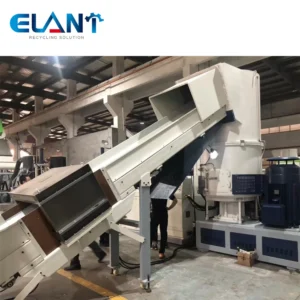
The world of plastic recycling is fraught with challenges, particularly when it comes to contamination-sensitive operations. This article delves into the various types of plastic, such as PET bottles and plastic films, their specific recycling processes, and the significant hurdles faced by recyclers due to varying density. Energy use failures in the presence of contaminants can severely impact the efficiency of machines used to manufacture new plastic for recycling. Understanding these complexities is crucial for optimizing the efficiency and sustainability of modern plastic waste recycling.
Types of Plastic and Their Recycling
The journey of plastic waste through a recycling plant is heavily dependent on the type of plastic material, including various plastic pieces being processed by machines for plastic recycling. Each type of plastic, from PET bottles to bulky plastic films, demands a unique approach in the recycling process, from initial sorting to the final pelletizing used to manufacture new plastic.
Recyclers must employ specific recycling equipment and machinery tailored to the characteristics of the plastic being recycled, such as solid plastic types, to ensure optimal throughput and minimize energy consumption.
Overview of Plastic Types
There are numerous kinds of plastic, each with distinct properties and density that influence its recyclability. Common examples include PET (polyethylene terephthalate), often found in plastic bottles, which are critical for the PET bottle recycling process, HDPE (high-density polyethylene), used for rigid plastic containers, and PP (polypropylene).
Understanding these diverse types of plastic is the first step in designing an effective plastic recycling line, as mixed plastic waste poses significant challenges for any machines for plastic recycling.
Common Types of Plastic Recycling
The primary types of plastic recycling involve mechanical and chemical recycling.
Mechanical recycling is more prevalent and encompasses several stages, including shredding, washing, and pelletizing, all performed by specialized plastic recycling machines.
For instance, plastic bottle recycling typically involves a plastic washing line with a friction washer to remove contaminants, followed by shredding into flakes and then pelletizing into granulate.
This extensive process requires specialized industrial plastic recycling equipment, including energy-efficient machines, advanced plastic granulators, and complete recycling systems.
Challenges in Recycling Different Types of Plastic
Recycling different types of plastic, such as bulky plastic films and PET bottles, presents unique challenges for the recycling business.
Rigid plastic, for example, often requires robust plastic crusher machines or a powerful plastic shredder machine to reduce its size effectively before processing with plastic granulators.
Film recycling lines, on the other hand, must handle thin, often intertwined plastic films that require specialized plastic film recycling equipment.
The varying melting points and chemical compositions of different plastic types can also lead to incompatibilities if not properly sorted, affecting the quality of the molten plastic and final pellets.
Plastic Recycling Machinery
Types of Plastic Recycling Machines
The world of plastic recycling relies heavily on specialized plastic recycling machines, including pelletizers, each designed to perform a crucial task in the recycling process.
From the initial stages of processing plastic waste to the final production of usable plastic granules or pellets, an array of machinery works in concert within a recycling plant.
Understanding the different types of plastic recycling machines is essential for any plastic recycling operation aiming for high throughput and energy efficiency.
Key Machinery for Plastic Recycling
A comprehensive recycling line involves several key pieces of plastic recycling equipment, including high-capacity plastic pelletizing machines and granulators.
For instance, in plastic bottle recycling, the process typically begins with de-baling machines to break down bales of plastic bottles, followed by a robust plastic shredder or plastic crusher machine to reduce the size of the plastic material.
This then often leads to a sophisticated washing line for plastic washing, removing contaminants before the plastic material moves on to an extruder and pelletizer.
Role of Shredders and Granulators
Shredders and granulators play a fundamental role in most types of plastic recycling.
A plastic shredder is designed to reduce the size of bulky items, preparing them for subsequent processing.
Following shredding, a granulator further breaks down the plastic material into smaller, more uniform flakes, which are critical for efficient washing and pelletizing.
These machines are vital for improving the throughput of the recycling line and ensuring the consistent size of plastic required for high-quality plastic pellets.
Contamination Issues in Recycling Operations
Understanding Contamination in Plastic Recycling
Contamination is a pervasive and significant challenge in plastic recycling operations, impacting the overall efficiency and quality of the recycled plastic.
It refers to the presence of any unwanted material mixed with the plastic waste, such as other types of plastic, paper, metal, or organic matter.
This contamination can arise at various stages, from collection to initial sorting, and can severely compromise the recycling process.
For industry-wide recycling standards and best practices, recyclers can refer to:
Impact of Contamination on Energy Use
The presence of contaminants in plastic waste has a direct and detrimental impact on energy use within a recycling plant.
Contaminated material often requires more intensive washing and drying, consuming additional water and energy.
Furthermore, during the extrusion and pelletizing stages, contaminants can clog machinery, leading to frequent shutdowns and start-ups.
This not only reduces the throughput of the recycling line but also increases the overall energy footprint of the plastic recycling process.
Solutions to Minimize Contamination
Minimizing contamination is crucial for enhancing the efficiency and sustainability of plastic recycling.
Implementing advanced sorting technologies, such as optical sorters that can differentiate between various types of plastic and remove non-plastic contaminants, is paramount.
Additionally, robust plastic washing lines are vital for thorough cleaning.
Educating consumers on proper waste segregation also plays a significant role in reducing the amount of contaminated plastic waste entering the recycling process.
Energy Efficiency in Plastic Recycling
Importance of Energy Efficiency
Energy efficiency is a cornerstone of sustainable plastic recycling.
Optimizing energy use throughout the entire recycling process significantly reduces operational costs and the overall carbon footprint.
Efficient recycling operations contribute to a greener industrial recycling landscape.
Additional global recycling insights are available from:
https://www.oecd.org/environment/plastics/
Energy Use of Different Recycling Machines
Different plastic recycling machines exhibit varying energy consumption profiles depending on their function and the type of plastic being processed.
For instance, a robust plastic shredder or plastic crusher machine designed to handle rigid plastic consumes considerable energy, while a washing line requires energy for heating water and operating pumps.
The extruder and pelletizer are also significant energy users in the recycling business.
Innovative Solutions for Reducing Energy Consumption
Innovative solutions are continuously emerging to reduce energy consumption across all types of modern plastic recycling machines.
This includes the integration of advanced sensors and automation systems that optimize machinery operation.
High-efficiency motors, regenerative braking systems, and improved insulation in extruders are examples of technological advancements.
Case Studies and Best Practices
Successful Plastic Recycling Operations
Successful plastic recycling operations often highlight the effective integration of advanced recycling equipment and stringent quality control measures.
For example, a cutting-edge PET bottle recycling line might showcase an automated sorting system that meticulously separates different types of plastic.
These operations often feature industrial plastic recycling machines that are not only robust but also energy-efficient.
Lessons Learned from Contamination-Sensitive Operations
Contamination-sensitive recycling operations offer invaluable lessons.
One key takeaway is that investing in sophisticated plastic washing and sorting technologies upfront can prevent costly downstream issues and energy use failures.
For example, plastic film recycling lines benefit immensely from multi-stage washing systems and specialized granulators.
Future Trends in Plastic Recycling Machinery
The future of plastic recycling machinery is geared towards greater automation, artificial intelligence integration, and enhanced energy efficiency.
We can anticipate more intelligent plastic shredder and granulator systems that dynamically adjust to the type of plastic, optimizing energy use and throughput.
Furthermore, advancements in chemical recycling and hybrid recycling processes will likely see the development of new types of plastic recycling machines capable of handling mixed plastic waste more effectively.
Explore Related Recycling Solutions
Looking for a complete plastic recycling solution?
- Plastic Recycling Machines
- Plastic Washing Lines
- PET Bottle Recycling Lines
- Plastic Pelletizing Machines
- Plastic Crusher Machines
- Plastic Shredder Machines
Contact Elant Machine to find the most energy-efficient recycling solution for your project.