
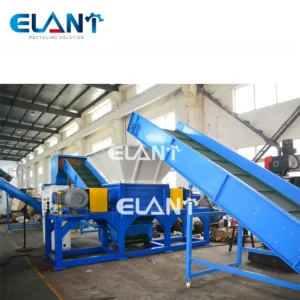
Plastic recycling is a critical component of modern waste management, yet the machinery at its heart, the plastic shredder, often faces subtle challenges that impede efficiency. One such issue, often overlooked, is the The hidden cause of knife clearance problems in a shaft shredder can lead to inefficient processing of plastic waste into smaller pieces.. Understanding these challenges is key to optimizing the recycling process and achieving truly sustainable waste solutions.
Understanding Plastic Shredders
What is a Plastic Shredder?
A plastic shredder is an indispensable machine in the plastic recycling industry, specifically designed to The shredder operates to reduce the volume of plastic waste materials into smaller, more manageable pieces.. This initial shredding process is crucial for subsequent recycling steps, enabling more efficient handling, transportation, and further processing of plastic products like bottles, containers, and various forms of packaging. Without an effective shredder, the sheer volume of plastic waste would be virtually impossible to process economically, leading to increased landfill use and hindering global environmental efforts.
Types of Plastic Shredders
There are several types of plastic shredders, each with a distinct design tailored for specific applications and types of plastic materials, enhancing their versatility in processing and how the shredder operates. The choice of shredder machine significantly impacts the cost and efficiency of recycling plant operations.
| Shredder Type | Key Features / Mechanism |
|---|---|
| Single-shaft shredder operates with a unique mechanism that enhances its efficiency. | Robust design, handles tough materials, pusher feeds plastic towards a rotor. |
| Dual-shaft shredder | Employs multiple shafts to shred plastic. |
| Quad-shaft shredder operates efficiently with its advanced design. | Employs multiple shafts to shred plastic. |
Components of a Plastic Shredder
A typical plastic shredder machine comprises several key components, including a motor, that work in unison to shred plastic efficiently. The precise interplay of these components is vital for the effective shredding of materials like PET bottles and mixed plastic waste, directly influencing the overall quality and energy consumption in the process.
| Component | Function of the shredder operates to minimize waste. |
|---|---|
| Rotor | A rotating shaft equipped with numerous knives that cut and tear the plastic waste, demonstrating how the shredder operates effectively. |
| Pusher mechanism | Feeds the material into the cutting chamber, ensuring a consistent flow. |
| Screen that monitors how the shredder operates. | Below the cutting area, helps to regulate the desired output size, ensuring a uniform shred. |
Common Issues in Plastic Waste Processing

Knife Clearance Problems
Knife clearance, the precise gap between the rotating and stationary knives within a plastic shredder, is a critical parameter that significantly impacts the efficiency and quality of the plastic shredding process. When this clearance is not maintained at an optimal level, a cascade of issues can arise, directly affecting the shredder machine’s performance.
| Clearance Condition is critical for the reliable operation of the shredder, affecting its ability to process various plastic materials efficiently. | Potential Issues with the motor of the shredder. |
|---|---|
| Excessive Gap can hinder how the shredder operates. | “Chewing” or “tearing” of plastic materials, resulting in irregularly shaped and inconsistent output. |
| Too Small a Gap | Excessive friction, leading to premature wear of the knives and increased energy consumption. |
Impact on Efficiency
The implications of poor knife clearance extend far beyond just the quality of the shredded plastic; they can affect the production efficiency and reliability of the shredder. significantly impede the overall efficiency of the plastic recycling process. An improperly gapped shredder can experience a substantial reduction in throughput, meaning it processes a smaller volume of plastic waste per hour than its design capacity. This inefficiency not only inflates operational costs but also increases energy consumption due to the machine working harder to achieve the desired shredding. Furthermore, frequent jams and blockages become more common, leading to increased downtime for maintenance and repairs, all of which detract from the economic viability and environmental benefits of recycling plants.
Identifying the Root Causes
Pinpointing the root causes of knife clearance problems is essential for implementing effective and lasting solutions within a plastic shredder, particularly when dealing with large volumes of plastic waste.. Often, the issue stems from a combination of factors. One primary contributor can be the inconsistency in the type and density of plastic materials being fed into the shredder machine; processing a mix of rigid plastic products and flexible packaging can exert varying stresses on the knives and rotor. Another common cause is the gradual wear and tear of the knives themselves, which naturally alters their effective cutting edge and, consequently, the clearance. Mechanical issues such as bearing wear, shaft misalignment, or even structural fatigue within the shredder’s frame can also subtly impact the precise geometry of the cutting chamber, leading to clearance inconsistencies that reduce the efficiency of the plastic recycling operation.
Waste Management Strategies
Effective Plastic Waste Management Techniques
Effective plastic waste management techniques are crucial for mitigating environmental impact and promoting a circular economy, particularly in how shredders operate.. A holistic approach to plastic recycling begins with efficient collection and sorting of plastic materials, ensuring that a high-quality feedstock reaches the shredder. This includes distinguishing between different types of plastic, such as PET bottles and various packaging materials. Employing advanced shredder machines that can efficiently handle a diverse volume of plastic, from rigid containers to flexible films, is paramount. The ultimate goal is to reduce the overall plastic waste burden, creating a sustainable solution for future generations and significantly improving the environmental footprint of our industrial processes.
Recycling Bottles and Their Challenges
Recycling bottles, particularly PET bottles, presents both significant opportunities and distinct challenges within the plastic recycling landscape, especially when processing large volumes of various plastic materials. While bottles are a readily identifiable and often high-volume plastic waste stream, ensuring their clean separation from other plastic materials and contaminants is a continuous hurdle for recycling plants. After collection, efficient shredding of these bottles is vital, requiring a shredder machine capable of uniform size reduction to facilitate subsequent washing and processing. Maintaining optimal knife clearance in the shredder is especially critical here to efficiently shred the sometimes brittle plastic without creating excessive fines or irregular pieces, which can compromise the quality and throughput of the recycled material. Addressing these challenges is key to a more sustainable operation and the efficient processing of various plastic materials.
Improving Shredder Performance
Improving shredder performance is central to enhancing the efficiency and cost-effectiveness of plastic recycling operations. This often involves a multi-faceted approach, starting with the careful selection of the shredder machine type, whether it’s a single-shaft shredder for tough materials or another design tailored for specific plastic waste. Regular maintenance is critical to ensure components like the rotor, knives, and screen are in optimal condition, directly influencing the quality and uniform output of the shredder’s production. Furthermore, adjusting parameters such as knife clearance, rotor speed, and pusher timing can significantly impact throughput and reduce energy consumption, enhancing the overall versatility of the shredder. These improvements contribute to a more sustainable and economically viable plastic shredding process, reducing downtime and maximizing the volume of plastic processed through reliable and efficient machinery.
Solutions to Knife Clearance Issues
Regular Maintenance Practices
Implementing regular maintenance practices is perhaps the most fundamental solution to mitigating knife clearance issues in any plastic shredder. A comprehensive maintenance schedule should include frequent inspections of the shredder machine’s knives, both rotating and stationary, to check for wear, chips, or misalignment. Regularly sharpening or replacing worn knives is essential to maintain a sharp cutting edge and optimal knife clearance, ensuring a clean plastic shredding process and uniform output. Furthermore, checking the integrity of the rotor bearings and shaft alignment can prevent subtle shifts that might affect the precise gap. These proactive measures not only extend the lifespan of the machine but also ensure consistent throughput and efficient operation, reducing overall operational cost, especially when the motor of the shredder operates optimally.
Upgrading Shredder Components
Upgrading shredder components offers a robust solution for addressing persistent knife clearance problems and enhancing the overall performance of the plastic shredder, especially in processing large volumes of plastic waste.. This might involve replacing standard knives with those made from more durable, wear-resistant materials that maintain their sharpness and integrity for longer, thus preserving optimal knife clearance. Similarly, upgrading the rotor or shaft components can improve stability and precision, reducing the likelihood of misalignment that can negatively impact the plastic shredding process. Integrating more advanced pusher systems can also ensure a consistent feed of plastic materials, preventing jams and stress on the cutting mechanism, which is crucial for the reliable operation of the shredder. These upgrades represent an investment that can significantly improve the throughput, reduce energy consumption, and ensure a more sustainable operation for recycling plants.
Innovative Recycling Technologies
Embracing innovative recycling technologies provides forward-thinking solutions to the complex challenges of plastic recycling, including those related to shredder knife clearance. Advanced sensor technology can be integrated into the shredder machine to monitor knife wear and clearance in real-time, allowing for predictive maintenance rather than reactive repairs. Developments in material science are leading to the creation of self-sharpening or exceptionally durable knife materials that naturally maintain their optimal cutting edge for extended periods, reducing the frequency of maintenance. Furthermore, intelligent control systems can dynamically adjust the shredder’s operation parameters, such as rotor speed and pusher force, based on the type and volume of plastic waste, ensuring efficient shredding and consistent output quality. These innovations drive down the operational cost and contribute to a truly sustainable waste management solution by improving how the shredder operates.