
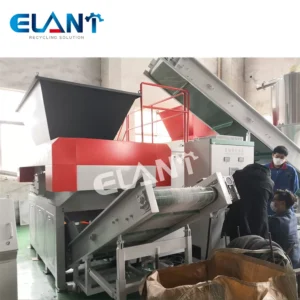
Industrial plastic shredder machines are essential for modern plastic recycling, transforming bulky plastic waste into manageable pieces. This technology is vital for sustainable waste management and the creation of new plastic products, significantly reducing landfill waste and promoting a circular economy.
Understanding Plastic Shredders
What is a Plastic Shredder?
A plastic shredder is an industrial machine designed for the size reduction of plastic material, breaking down plastic waste into smaller pieces. These robust shredders are indispensable in plastic recycling operations, handling various types of plastic, from plastic film to bulky plastic items. The primary goal of a plastic shredder is to prepare plastic scrap for further processing, making it easier to reuse and transport, thereby supporting efficient plastic recycling.
Types of Plastic Shredder Machines
In industrial plastic recycling, various types of plastic shredder machines are employed, each designed for specific plastic types and applications. Single shaft shredders are frequently utilized for a broad spectrum of plastic materials, delivering a consistent particle size.
| Shredder Type | Key Characteristics |
|---|---|
| Twin Shaft Shredders | Excel at processing more challenging and bulky industrial plastic waste, providing higher throughput and more aggressive shredding capabilities for diverse thermoplastic products and plastic packaging. |
| Quad Shaft Shredders | Excel at processing more challenging and bulky plastic waste, providing higher throughput and more aggressive shredding capabilities for diverse plastic products and plastic packaging. |
How Plastic Shredders Work
Plastic shredders operate through powerful rotors equipped with sharp blades or teeth that tear, cut, and shear plastic waste. The plastic material is fed into a hopper, where the rotor system initiates the plastic shredding process, reducing the size of plastic waste. A screen or grate below the rotor determines the final size of the shredded plastic, ensuring that the material is processed into uniform plastic pellets or flakes suitable for downstream recycling processes, often preceding a plastic granulator in a complete recycling line.
The Importance of Plastic Recycling

Environmental Benefits of Recycling Plastic
Plastic recycling plays a crucial role in mitigating environmental damage caused by plastic waste while also helping to reduce waste and disposal costs. By utilizing an industrial plastic shredder machine, large volumes of plastic waste are transformed into a reusable raw material, significantly reducing the amount of plastic material ending up in landfills and oceans. This systematic approach to recycling helps conserve natural resources, as fewer virgin materials are needed to produce new plastic products. The entire recycling operation, from initial shredding to the creation of recycled plastic, contributes to a more sustainable future by decreasing pollution and the ecological footprint associated with plastic production.
Economic Impact of Plastic Recycling
The economic benefits of plastic recycling are substantial, driving job creation and fostering new industries while helping to reduce waste and disposal costs. Industrial plastic shredders are at the heart of this economic cycle, converting waste plastic into valuable plastic pellets or flakes that can be sold back to manufacturers. This reduces the reliance on costly imported raw materials and stabilizes prices for plastic products. Furthermore, the development of advanced plastic recycling machines and technologies, including specialized shaft shredders, stimulates innovation and investment in the recycling sector, creating a robust market for recycled plastic and contributing to local economies.
Challenges in Plastic Recycling
Despite its importance, plastic recycling faces several challenges, primarily concerning the diverse types of plastic and contamination that complicate the operation of plastic recycling shredders. Not all plastic material is easily recyclable, and the presence of mixed plastic types, along with non-plastic contaminants, can hinder the efficiency of the recycling process. This necessitates sophisticated sorting systems and robust industrial plastic shredders capable of processing various types of plastic waste, including problematic packaging materials. Furthermore, the economic viability of recycling certain low-value plastics remains a hurdle, requiring ongoing innovation in plastic shredding technology and downstream recycling processes to ensure that more plastic waste is effectively reused.
Choosing the Right Industrial Plastic Shredder
Factors to Consider When Selecting a Shredder
When choosing the right shredder for plastic recycling, several critical factors must be carefully evaluated to ensure optimal performance and efficiency within your recycling operation. The desired throughput, or the amount of plastic material processed per hour, directly influences the required power and design of the plastic shredder machine. Considering the specific needs of your downstream processes, such as whether you require fine plastic pellets or coarser flakes for a plastic granulator, will dictate the screen size and rotor configuration of the industrial plastic shredders.
| Factor | Shredder Requirement |
|---|---|
| Types of plastic waste | Heavy-duty industrial plastic shredder for bulky items; different plastic shredders for processing plastic film and other packaging materials. |
| Desired throughput | Influences required power and design. |
| Downstream process needs (e.g., fine pellets vs. coarser flakes) | Dictates screen size and rotor configuration of plastic shredding machines. |
Another crucial consideration is the desired output size of the shredded plastic. This directly impacts the efficiency of subsequent stages in your plastic recycling line, particularly when using advanced plastic recycling shredders. Different plastic shredders offer varying capabilities for size reduction, with some specializing in producing uniform plastic pellets and others designed for a wider range of output sizes. The operational environment, including available space and power supply, also plays a significant role in selecting the appropriate shredders and granulators machine for effective recycling. Investing in industrial plastic shredders that can handle a diverse range of plastic types, from plastic packaging to plastic products, ensures a versatile and sustainable recycling solution for all the plastic waste generated during production and post-consumer collection. Proper selection is key to maximizing the reuse of recycled plastic and minimizing landfill contributions.
Key Features of Plastic Shredder Machines
Modern industrial plastic shredders are engineered with a variety of key features designed to enhance efficiency, durability, and versatility in processing plastic for recycling. High-torque motors are essential for effectively shredding bulky plastic and various types of plastic waste, ensuring consistent throughput.
| Feature | Benefit/Purpose |
|---|---|
| Robust Cutting Chambers | Critical for prolonged operational life and efficient size reduction of tough plastic material. Often equipped with wear-resistant blades made from hardened steel. |
| Adjustable Screen Sizes | Allows operators to control the final output size of the shredded plastic, vital for preparing material for downstream processes like a plastic granulator. |
Furthermore, advanced industrial plastic shredders often incorporate intelligent control systems that monitor performance, detect overloads, and provide diagnostic information, optimizing the plastic shredding process. Features like automatic reverse functions can prevent jams when processing particularly challenging or contaminated plastic waste, protecting the rotor and extending the lifespan of the plastic shredder machine. For enhanced safety and ease of maintenance, accessible components and comprehensive safety interlocks are indispensable. These collective features contribute to a highly efficient and reliable recycling operation, transforming scrap into valuable recycled plastic and driving sustainable recycling initiatives through advanced shredding systems.
Comparative Analysis of Shredders for Plastic Recycling
A comparative analysis of plastic shredders for plastic recycling reveals the strengths and ideal applications of different shaft shredder configurations. Single shaft shredders are highly versatile, excelling in producing a consistent particle size from a wide range of plastic materials, making them suitable for many general plastic recycling facilities. Their design often incorporates a hydraulic ram to push material against the rotor, ensuring efficient size reduction. Twin shaft shredders, on the other hand, are known for their high throughput and ability to aggressively process bulky plastic and contaminated plastic waste, utilizing two counter-rotating shafts that grip and tear material, often without the need for a screen.
Quad shaft shredders, with their four shafts, offer the highest level of size reduction and throughput, ideal for applications requiring extremely fine and consistent output from diverse plastic types. They are particularly effective for pre-shredding or for processing complex thermoplastic products, ensuring efficient size reduction. When evaluating different industrial plastic shredders, consider not only the initial investment but also operational costs, maintenance requirements, and the specific needs of your downstream recycling processes. Each shredder machine offers a unique recycling solution, contributing to the efficient transformation of waste plastic into reusable raw material, thus bolstering the overall sustainable recycling efforts.
Application of Plastic Shredders in Recycling
Shredding Different Types of Plastic
Plastic shredders are indispensable for processing a vast array of plastic types, making them a cornerstone in any comprehensive plastic recycling operation aimed at reducing plastic pollution. From lightweight plastic film and plastic packaging to rigid and bulky plastic items like industrial plastic pipes or automotive components, an industrial plastic shredder machine can effectively reduce the size of plastic waste. Specialized recycling shredders are designed to handle difficult-to-process plastic material, ensuring that even mixed plastic types and contaminated industrial plastic waste can be efficiently shredded. This versatility allows recycling facilities to process a wide range of plastic materials, maximizing the amount of plastic scrap that can be diverted from landfills and reused as valuable raw material.
The ability to shred different plastic types, including HDPE, LDPE, PET, PVC, and PP, is crucial for producing high-quality recycled plastic. Each type of plastic material requires specific shredding characteristics to optimize the plastic size reduction process and prepare it for downstream recycling stages, especially for new products. For instance, a robust shaft shredder might be ideal for dense, bulky plastic, while a single shaft shredder with precise screens is better suited for producing uniform plastic pellets from thinner plastic sheets or film. By effectively processing various types of plastic waste, these industrial plastic shredders contribute significantly to sustainable recycling efforts, turning diverse plastic waste into valuable secondary raw materials for new plastic products.
Mobile Plastic Shredders: A Flexible Solution
Mobile plastic shredders offer an incredibly flexible recycling solution, bringing the power of industrial plastic shredders directly to the source of plastic waste generated during production or at various collection points. These versatile shredder machines are mounted on trailers or tracks, allowing them to be easily transported to different sites, from manufacturing plants with significant plastic scrap to remote recycling facilities or disaster recovery operations. This mobility drastically reduces transport costs and environmental impact associated with moving bulky plastic waste to a central processing plant, making the entire plastic recycling process more efficient and economically viable.
The deployment of mobile plastic shredders is particularly beneficial for large-scale industrial applications where plastic waste accumulation occurs in multiple locations. Equipped with powerful rotors and robust cutting chambers, these mobile units can perform effective size reduction on a wide range of plastic materials, including plastic packaging and various plastic products, transforming them into manageable plastic pellets or flakes on-site. This immediate processing capability enhances the throughput of the overall recycling line, speeding up the journey from waste plastic to valuable recycled plastic, thus promoting sustainable recycling practices wherever plastic waste is generated.
Post-Shredding: The Recycling Process
Following the crucial step of plastic shredding, the post-shredding recycling process involves several stages designed to transform the shredded plastic into high-quality recycled plastic suitable for manufacturing new plastic products. The shredded plastic, now in the form of plastic pellets or flakes, typically undergoes further cleaning to remove any remaining contaminants, such as labels, dirt, or other non-plastic materials, before it can be reprocessed for new applications. This often involves washing, drying, and air classification, ensuring the purity of the plastic material for downstream processes. Purity is paramount to ensure the quality and integrity of the final recycled plastic components, which will be reused in new products.
After cleaning, the plastic pellets or flakes are often fed into a plastic granulator for further size reduction, achieving an even finer and more uniform particle size suitable for reprocessing into injection molding applications. This granulated material is then typically sorted by color and plastic type, often using advanced optical sorting technologies, to meet specific manufacturing requirements for packaging materials. Finally, the sorted and granulated recycled plastic is melted and extruded into new plastic pellets, ready to be molded into a vast array of new plastic products, completing the circular economy loop. This comprehensive recycling operation, powered by efficient industrial plastic shredders and sophisticated downstream processing, exemplifies sustainable recycling at its best, significantly reducing landfill burden and promoting reuse.
Future Trends in Plastic Shredding and Recycling
Innovations in Shredder Technology
The future of plastic shredding and plastic recycling is continuously being shaped by significant innovations in shredders and granulators technology, aiming to enhance efficiency, versatility, and sustainability. Manufacturers are developing more intelligent industrial plastic shredders equipped with advanced sensor technology and artificial intelligence, allowing for real-time monitoring of the plastic shredding process. These smart shredders can automatically adjust rotor speeds and cutting parameters based on the type and density of the plastic material being processed, optimizing throughput and energy consumption. This leads to more consistent output, such as uniform plastic pellets, and reduces wear and tear on the shredder machine, extending its operational life.
Another key innovation focuses on developing more robust and durable cutting tools and rotors for the shaft shredder, capable of processing an even wider range of challenging plastic waste, including highly abrasive or contaminated plastic types. There is also a growing trend towards modular designs for industrial plastic shredders, which allow for easier maintenance, upgrades, and customization to meet specific recycling line requirements. These advancements in shredder technology are crucial for maximizing the reuse of recycled plastic and tackling the complex challenges presented by diverse plastic types and increasing volumes of waste plastic globally, driving sustainable recycling forward.
The Role of Automation in Plastic Recycling
Automation is playing an increasingly pivotal role in transforming the landscape of plastic recycling, particularly within the recycling operation where industrial plastic shredders are central to the process plastic of various plastic components. Automated systems are being integrated throughout the entire recycling line, from initial sorting of plastic waste to the feeding of plastic material into the plastic shredder machine. Robotic arms equipped with advanced vision systems can accurately identify and separate different plastic types and contaminants before shredding, significantly improving the purity of the input material and the quality of the recycled plastic. This automation reduces the need for manual labor in hazardous environments and increases the overall efficiency and throughput of the recycling process.
Beyond pre-sorting, automation extends to the control and monitoring of the industrial plastic shredders themselves. Automated control systems can manage the plastic shredding process, adjusting parameters like rotor speed and screen size to optimize the plastic size reduction of various types of plastic waste. This ensures consistent production of plastic pellets or flakes and minimizes downtime. The integration of automation also allows for better data collection and analysis, providing valuable insights into operational performance and enabling continuous improvement in sustainable recycling practices, ultimately leading to more effective reuse of waste plastic.
Sustainable Practices in the Industry
Sustainable practices are becoming an absolute imperative across the entire plastic recycling industry, influencing everything from the design of industrial plastic shredders to the final applications of recycled plastic. A key focus is on energy efficiency; modern plastic shredder machines are being engineered to consume less power while maintaining high throughput and effective size reduction. This includes optimizing motor efficiency and designing rotor configurations that require less energy to shred various types of packaging materials. Reducing the energy footprint of the plastic shredding process is vital for lowering the overall environmental impact of plastic recycling and contributing to a greener future.
Furthermore, sustainable practices involve maximizing the lifespan of industrial plastic shredders through durable construction, ease of maintenance, and the use of high-quality, wear-resistant materials for components like blades and screens. The goal is to reduce the need for frequent replacements and minimize resource consumption in manufacturing the waste shredder machine itself. Another critical aspect is the push towards closed-loop recycling systems, where recycled plastic is continuously reused in new plastic products, minimizing reliance on virgin raw material and preventing plastic waste from ever reaching landfills. These sustainable recycling initiatives, driven by advanced industrial shredders and holistic thinking, are essential for addressing the global plastic waste challenge and fostering a true circular economy.