
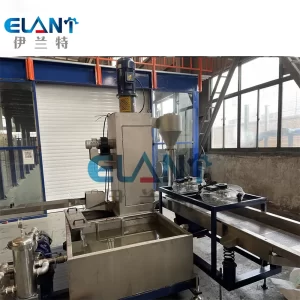
The escalating problem of plastic waste in our environment necessitates innovative and efficient solutions for plastic recycling. A plastic pelletizing machine represents a crucial advancement in transforming discarded plastics into valuable raw material, fostering a more sustainable future.
Introduction to Plastic Recycling
Plastic recycling is an essential process that involves collecting and processing waste plastic to create new plastic products. This endeavor significantly reduces the amount of plastic waste accumulating in landfills and oceans, mitigating its detrimental impact on ecosystems and public health. The overarching goal is to foster a circular economy where plastic materials are continuously reused.
Importance of Recycling Plastic
Recycling plastic is paramount for environmental protection and resource conservation. It reduces the demand for virgin plastic production, which conserves energy and natural resources like crude oil and natural gas. Furthermore, plastic recycling minimizes greenhouse gas emissions associated with manufacturing new plastic material, contributing to the fight against climate change and promoting the use of recycled pellets. The sustainable management of plastic waste is a global imperative.
Overview of Plastic Waste Challenges
The world faces immense challenges regarding plastic waste. The sheer volume of discarded plastic, often comprising different types of plastic, overwhelms current waste management systems. Contamination of plastic waste streams, inadequate collection infrastructure, and the varying characteristics of different plastics all contribute to the difficulty of efficient plastic recycling. Finding effective solutions for these issues is critical for environmental sustainability.
Role of Plastic Pelletizing in Recycling
Plastic pelletizing plays a pivotal role in overcoming the challenges of plastic waste by converting diverse plastic scraps into uniform pellets. A plastic pelletizing machine transforms waste plastic into a usable raw material for producing new plastic products, effectively combining plasticization and pelletizing in one process. This process enhances the economic viability of plastic recycling, making it more attractive for industries to adopt recycled plastic pellets in their manufacturing processes.
Types of Plastic Waste
Understanding the different types of plastic waste is fundamental for effective plastic recycling. Plastics are broadly categorized by their chemical composition and properties, each presenting unique characteristics that influence their recycling potential. Proper segregation and identification are crucial for successful plastic recycling pelletizing operations.
Common Types of Plastic Waste
Common types of plastic waste include various materials, each with typical uses and specific recycling requirements. Some of the most frequently encountered types of plastic are detailed below: woven bags, plastic film, and milk jugs.
| Plastic Type | Common Uses |
|---|---|
| HDPE (High-Density Polyethylene) | Milk jugs, detergent bottles |
| LDPE (Low-Density Polyethylene) | Plastic film, shopping bags, and woven bags are commonly recycled materials. |
| PET (Polyethylene Terephthalate) | Beverage bottles |
| PP (Polypropylene) | Food containers, car parts |
Each of these plastic materials requires specific handling during the recycling process.
Characteristics of Different Plastics
Different plastics exhibit distinct characteristics that impact their recycling. For example, HDPE and LDPE have relatively low melting points and are easily processed, making them ideal for film recycling and compactor recycling systems. Rigid plastic, such as that found in automotive components, may require more robust granulator or plastic granulator machinery for initial size reduction before the pelletizing process in a recycling pelletizing line. Understanding these properties is vital for efficient plastic pelletizing.
Challenges in Recycling Various Plastics
Recycling various plastics presents several challenges, primarily due to their different melting points, chemical structures, and potential for contamination. Mixed plastic waste streams can be difficult to process efficiently, as incompatible plastics can degrade the quality of recycled plastic pellets. Developing specialized recycling lines and pelletizing systems for different types of plastic is crucial to maximize the output of high-quality uniform pellets.
Understanding Plastic Pelletizing Machines
What is a Plastic Pelletizing Machine?
A plastic pelletizing machine is a specialized piece of equipment central to the plastic recycling process, designed to transform various forms of plastic waste into uniform pellets. This recycling machine effectively converts plastic scraps, whether film, rigid plastic, or other different types of plastic, into a raw material that can be easily reused in manufacturing new plastic products. The pelletizing machine for plastic recycling is indispensable for creating a circular economy.
Components of a Pelletizing Machine
A typical plastic pelletizing machine comprises several key components working in synergy to produce high-quality uniform pellets.
| Component | Function |
|---|---|
| Infeed System | Features a granulator or compactor for initial size reduction of waste plastic. |
| Extruder | Melts the plastic material. |
| Die | Forms molten plastic into plastic strands. |
| Pelletizer | Cuts plastic strands into plastic pellets. |
How a Plastic Pelletizer Works
The operation of a plastic pelletizer begins with feeding pre-processed plastic waste into the system. Inside the extruder, the plastic material is heated and melted, becoming molten plastic. This melted plastic is then forced through a die plate, forming continuous plastic strands. These strands are cooled, often in a water bath, and then fed into a pelletizer, which precisely cuts them into the desired pellet size. This pelletizing process results in uniform pellets ready for reuse.
Types of Plastic Pelletizing Machines
Single-Screw vs. Twin-Screw Pelletizers
When considering types of plastic pelletizers, the primary distinction often lies between single-screw and twin-screw designs. Single-screw extruders are generally simpler and more cost-effective, ideal for processing relatively uniform plastic material like HDPE or LDPE.
| Pelletizer Type: single-screw and twin-screw designs are the primary distinctions in pelletizing equipment. | Key Features & Applications |
|---|---|
| Twin-Screw Pelletizers | Offer superior mixing and degassing capabilities. Suitable for contaminated plastic waste or blends of different types of plastic, ensuring higher quality recycled plastic pellets. |
Batch vs. Continuous Pelletizing Systems
Plastic pelletizing systems can also be categorized into batch and continuous operations, each with distinct advantages for processing waste into granules. Batch systems process a fixed amount of waste plastic at a time, often used for smaller-scale or specialized recycling lines where flexibility is paramount. Continuous pelletizing systems, however, are designed for high-volume plastic recycling pelletizing, offering uninterrupted production of plastic pellets. The choice depends on the specific needs of the plastic recycling industry and the volume of plastic scraps.
Choosing the Right Machine for Your Needs
Selecting the appropriate plastic pelletizing machine requires careful consideration of several factors. These include the type and quantity of plastic waste to be processed, the desired quality of the recycled plastic pellets, and budgetary constraints. For film recycling, a compacting and pelletizing system combines the initial preparation and pelletizing process efficiently. Consulting with a reputable machine manufacturer can help tailor the perfect pelletizing line for specific plastic recycling goals, ensuring optimal performance and output of uniform pellets.
The Plastic Pelletizing Process
Steps Involved in Pelletizing Plastic Waste
The plastic pelletizing process typically involves several critical steps to transform plastic waste into usable raw material. Initially, the plastic scraps undergo pre-treatment, which may include sorting, washing, and size reduction using a granulator or compactor. Following this, the material is fed into the extruder where it is melted into molten plastic. This is followed by extrusion into plastic strands, cooling, and finally cutting into uniform pellets by the pelletizer. This recycling pelletizing line ensures a consistent plastic product.
Importance of Proper Pellet Quality
The importance of proper pellet quality in the plastic recycling industry cannot be overstated. High-quality recycled plastic pellets, characterized by uniform pellet size, consistent density, and minimal impurities, are crucial for producing new plastic products that meet industry standards. Poor pellet quality can lead to defects in the final plastic product, making it less attractive for manufacturers and undermining the economic viability of plastic recycling. Therefore, rigorous quality control throughout the plastic pelletizing process is essential for achieving desired results.
Common Issues in the Pelletizing Process
Despite advancements, common issues can arise in the plastic pelletizing process, potentially affecting the quality of recycled plastic pellets. These include inconsistency in the plastic material feed, temperature fluctuations in the extruder leading to uneven melting of the waste plastic, and issues with the cutting mechanism of the pelletizer resulting in varied pellet size. Contamination in the plastic scraps can also significantly degrade the quality of the uniform pellets. Addressing these challenges through robust quality checks and optimized machine settings is vital for efficient plastic recycling pelletizing.
Plastic Pelletizing Line Setup
Designing an Efficient Pelletizing Line
Designing an efficient plastic pelletizing line is paramount for optimizing the plastic recycling process and ensuring the production of high-quality uniform pellets, which can be achieved through advanced pelletizing equipment. This involves carefully considering the specific types of plastic waste to be processed, the desired output capacity, and the level of automation required. A well-designed pelletizing system integrates various recycling machines seamlessly, from initial material handling to the final pelletizing process, to maximize efficiency and minimize operational costs. Proper planning ensures that the plastic pelletizing machine operates at its peak performance.
Integration with Other Recycling Machines
Seamless integration with other recycling machines is a crucial aspect of setting up a comprehensive plastic recycling facility. A typical plastic pelletizing line will often incorporate an initial granulator or plastic granulator for size reduction of rigid plastic and plastic film, followed by washing and drying systems to remove contaminants from the waste plastic. This pre-treatment ensures that the plastic material fed into the plastic pelletizer is clean and appropriately sized, which is vital for producing high-quality recycled plastic pellets and extending the lifespan of the extruder. Such integration enhances the overall efficiency of plastic pelletizing recycling.
Space and Energy Considerations
When setting up a plastic pelletizing line, space and energy considerations are vital for both operational efficiency and environmental sustainability, particularly in the context of recycling solutions. The layout of the pelletizing system must be optimized to allow for easy material flow, maintenance, and future expansion, accommodating the plastic pelletizing machine, extruders, and other components. Energy consumption, especially by the extruder and heating elements, should be carefully evaluated, with a focus on selecting energy-efficient plastic pelletizers and incorporating features like heat recovery systems. This mindful approach helps reduce the carbon footprint of the plastic recycling industry and ensures cost-effective production of uniform pellets.
Choosing a Machine Manufacturer
Evaluating Manufacturers of Plastic Recycling Machines
Evaluating manufacturers of plastic recycling machines is a critical step in acquiring a reliable and efficient plastic pelletizing machine. Prospective buyers should thoroughly research the manufacturer’s reputation, experience in the plastic recycling industry, and technological capabilities in producing various types of plastic pelletizers. It’s essential to assess their expertise in handling different types of plastic, such as HDPE and LDPE, and their ability to provide custom solutions for specific plastic waste challenges. A reputable manufacturer will offer robust and durable recycling pelletizing machines designed for continuous operation.
Key Features to Look for in a Pelletizer
When selecting a plastic pelletizer, several key features should be prioritized to ensure optimal performance and longevity in the plastic recycling process. Look for a robust extruder designed to handle various plastic material types, an efficient cutting mechanism that produces uniform pellets with consistent pellet size, and advanced control systems for precise temperature and speed regulation. Features such as self-cleaning screens, degassing vents for removing moisture and volatile contaminants, and a compacting and pelletizing system that combines pre-treatment with pelletizing are highly beneficial for processing plastic film and other plastic scraps, resulting in high-quality recycled plastic pellets.
After-Sales Support and Service
After-sales support and service are crucial considerations when investing in a plastic pelletizing machine, as they significantly impact the long-term operational success of a plastic recycling line and the quality of recycled pellets produced. A reliable machine manufacturer should provide comprehensive installation assistance, operator training, and readily available spare parts to minimize downtime. Prompt and effective technical support, including troubleshooting and maintenance services, is essential for addressing any issues that may arise during the pelletizing process. Strong after-sales service ensures that your plastic pelletizing system continues to cut into pellets efficiently, maintaining high-quality uniformity.
Conclusion
Future of Plastic Recycling and Pelletizing
The future of plastic recycling and pelletizing is poised for significant growth and innovation as global efforts intensify to address plastic waste. Advancements in plastic pelletizing machine technology, including more energy-efficient extruders and sophisticated pelletizers capable of processing increasingly complex types of plastic, will drive the expansion of the plastic recycling industry. The development of intelligent recycling lines and pelletizing systems, utilizing AI and automation, will enhance efficiency and the quality of recycled plastic pellets, making plastic recycling pelletizing an even more vital component of the circular economy for producing new plastic products.
Call to Action for Sustainable Practices
To foster a truly sustainable future, there is an urgent call to action for adopting and promoting sustainable practices throughout the entire plastic product lifecycle, including effective recycling solutions. This includes increasing investment in advanced plastic recycling machines and pelletizing lines to process plastic scraps effectively. Consumers must prioritize recycling plastic and reducing plastic waste, while industries should embrace the use of recycled plastic pellets as a raw material for producing new plastic products. Collaborative efforts between governments, businesses, and individuals are essential to maximize the potential of the plastic pelletizing process and minimize environmental impact.
Resources for Further Learning
For those seeking to deepen their understanding of plastic recycling and pelletizing, numerous resources are available for further learning. Industry associations, research institutions, and specialized publications offer valuable insights into the latest technologies in plastic pelletizing machines, best practices for plastic recycling, and market trends for recycled plastic pellets. Consulting with reputable machine manufacturers and attending trade shows can also provide practical knowledge about various types of plastic pelletizers and complete pelletizing systems. These resources are invaluable for anyone looking to enter or expand within the plastic recycling industry and contribute to a more sustainable future by turning plastic waste into uniform pellets.