
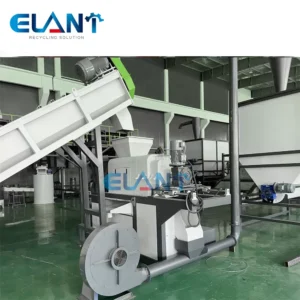
塑料薄膜回收工艺为农场提供了应对日益严重的塑料垃圾挑战的直接工具。农业生产 每年产生超过1300万吨塑料,这造成了严重的土壤污染和可衡量的环境影响。
- 塑料薄膜污染会降低土壤健康 和作物产量。
- 微塑料会损害土壤生物并破坏生态系统,从而威胁粮食安全。
迅速采取行动对于保护农业生产力和人类长期健康至关重要。
要点总结
- 农民可以通过实施农用薄膜回收计划来大幅减少塑料垃圾 。
- 对废旧胶片进行适当的清洁和分类,对于成功回收利用和维护土壤健康至关重要。
- 回收利用农业塑料可以节省成本,提高农场的运营效率。
- 参与回收利用活动有助于可持续发展,并帮助农场遵守环境法规。
- 先进的回收技术 提高了回收材料的质量,促进了农业循环经济的发展。
农业塑料及其挑战
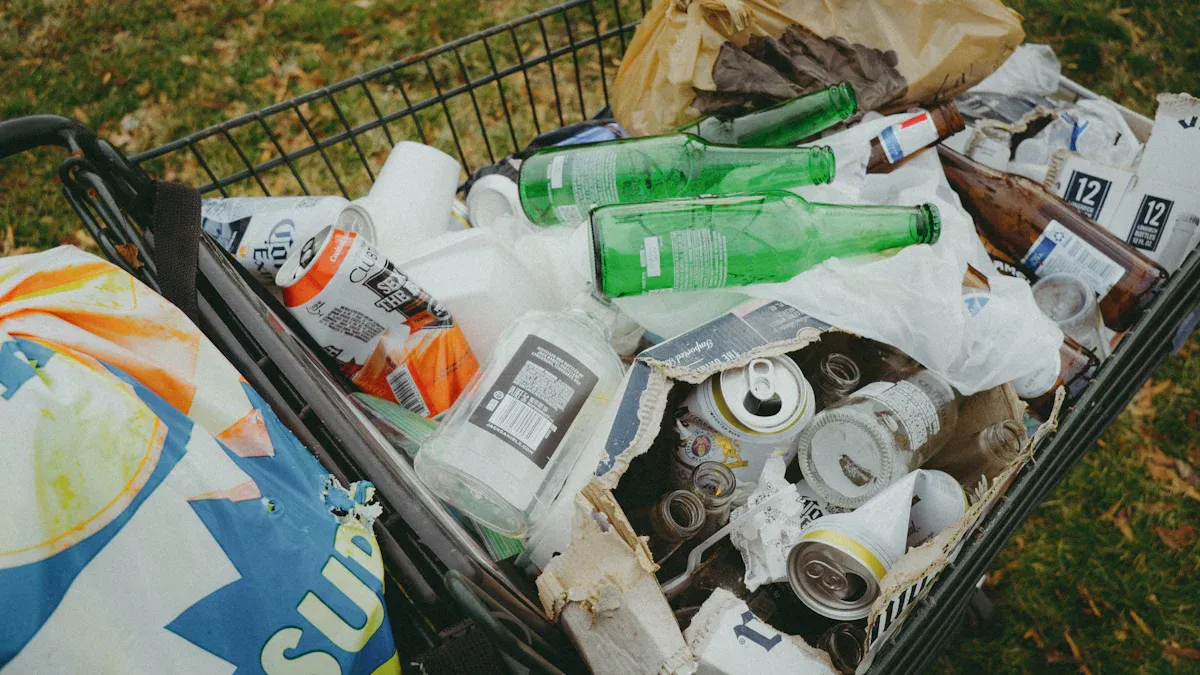
农业薄膜的类型
农民依靠多种 类型的农用薄膜 来保护作物并提高产量。每种薄膜都有其独特的用途和优势。下表列出了农业中最常用的几种薄膜类型:
| 农业薄膜类型 | 描述 |
|---|---|
| 聚乙烯(PE)薄膜 | 由于其经济高效,广泛用于温室覆盖、地膜覆盖和青贮饲料包裹。 |
| 可生物降解薄膜 | 自然分解,是可持续农业实践的理想选择,有助于解决环境问题。 |
| 抗紫外线薄膜 | 保护作物免受紫外线辐射,促进作物生长并延长薄膜寿命。 |
| 多层薄膜 | 具有更强的耐用性,适用于需要严格环境控制的高价值作物。 |
这些薄膜的使用寿命和耐用性各不相同。聚乙烯薄膜通常可使用一到三个生长季,而多层薄膜和抗紫外线薄膜则可提供数年的保护。可生物降解薄膜在一个生长周期内即可分解,从而支持可持续农业。
塑料垃圾问题
农业薄膜产生的塑料废弃物在回收过程中面临诸多挑战。污染仍然是主要问题。 土壤和肥料残留物 经常粘附在废旧薄膜上,使清洁和分拣过程变得复杂。下表列出了常见的污染物:
| 污染物类型 | 描述 |
|---|---|
| 土壤 | 土壤会粘附在农业塑料薄膜上,使其成为回收过程中的主要污染物。 |
| 肥料 | 化肥残留物(包括各种化合物)也会污染塑料薄膜。 |
收集和运输受污染的塑料薄膜需要专门的设备和人力。许多农场缺乏高效收集和处理塑料废料以进行回收的基础设施。这增加了运营成本,并延缓了塑料薄膜的回收过程。
注意:正确的清洁和分类是成功回收利用的关键。污染物会降低回收材料的质量,并限制其应用范围。
塑料薄膜降解会带来严重的环境风险。研究表明,农业薄膜造成的塑料污染会损害土壤健康和作物产量。即使是少量污染也会破坏土壤功能、降低微生物活性并改变土壤水分含量。联合国已将土壤塑料污染列为一项重要的环境问题。研究证实,大型塑料的积累会影响土壤水分、微生物多样性和养分库。
- 塑料薄膜地膜是 农业塑料污染的主要来源之一。
- 大型塑料垃圾的积累会对土壤水分、微生物活性、磷酸盐和碳库大小产生负面影响。
- 即使是低浓度的塑料污染也会破坏土壤功能。
塑料 薄膜回收利用工艺 为应对这些挑战提供了一种切实可行的解决方案。通过去除污染物和回收利用废旧薄膜,农场可以保护土壤健康并维持作物产量。
塑料薄膜回收工艺
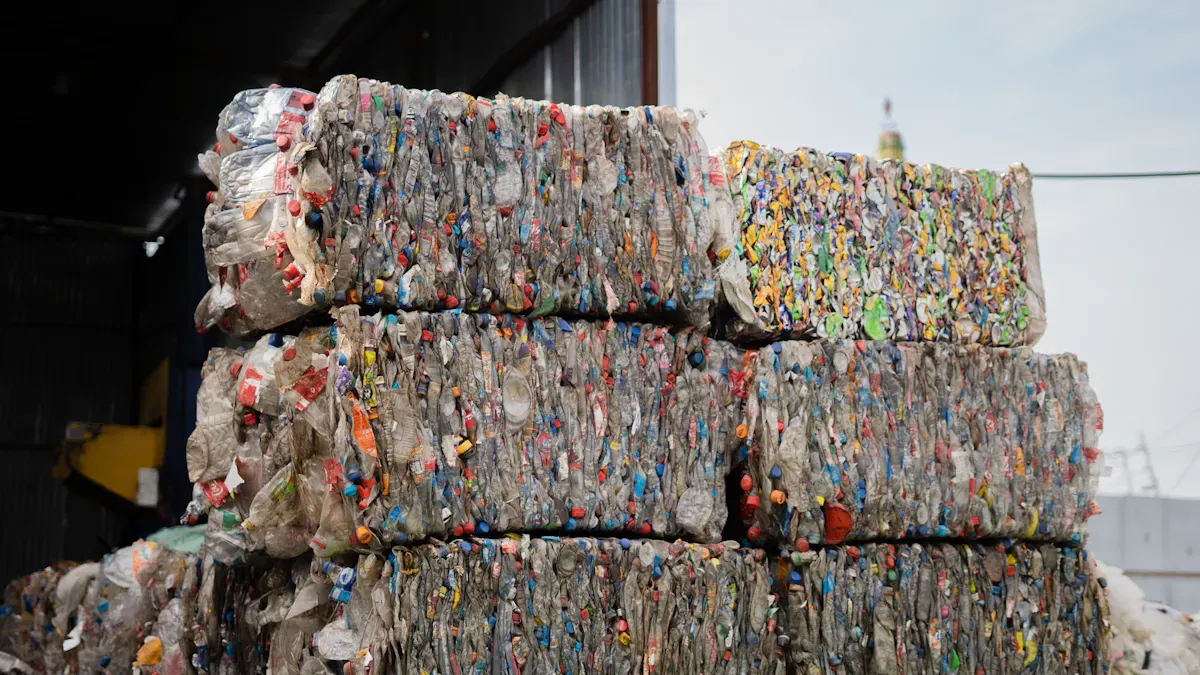
收集和分类
塑料薄膜回收流程的第一步是从农场收集废弃的农用薄膜。收集系统因地区和农场规模而异。一些农场使用集中式投放点,而另一些农场则依赖移动收集服务。高效的收集可以降低塑料垃圾在田地和水道中堆积的风险。
分拣是成功回收的关键。农业塑料必须按聚合物类型和质量进行分类。 自动化预分拣方法 如今发挥着重要作用。傅里叶变换近红外光谱 (FT-NIR) 和光学分拣系统等技术有助于识别和分离不同的塑料,包括低密度聚乙烯 (LDPE)、高密度聚乙烯 (HDPE) 和聚丙烯 (PP)。这些技术的进步减少了污染,提高了再生材料的质量。农场则受益于更快的处理速度和更高价值的再生材料。
提示:在源头进行正确的分类可以提高整个回收链的效率,并最大限度地提高回收产品的价值。
清洁和准备
分拣后,农用薄膜需要彻底清洗和处理。必须去除土壤、肥料残留物和其他污染物,以确保获得高质量的回收材料。 清洗过程 通常包括以下几个步骤:
- 压碎:通过机械方式减小薄膜的尺寸,以便于清洗。
- Triple washing cycle: Multiple washing stages remove embedded dirt and agrochemical residues.
- Drying: Films are dried to reduce moisture content, which is essential for stable extrusion during recycling.
Recent improvements in cleaning technology have made it possible to process films with high levels of contamination. Pre-treatment and conditioning units, along with advanced filtering and degassing systems, ensure that contaminants and moisture are effectively removed. These steps are crucial for producing recycled materials that meet industry standards.
Mechanical Recycling Steps
Mechanical recycling remains the most viable method for processing farm plastics. This approach transforms used films into new products through a series of technical steps:
- Shredding and Flake Preparation: Cleaned films are shredded into uniform flakes, which ensures consistent particle size for further processing.
- Material Separation: Different polymers are separated to maintain the value and performance of the final product.
- Extrusion and Pelletizing: Flakes are melted, filtered, and formed into pellets using specialized equipment. Machines like the Repro-Flex Plus integrate cutting, extrusion, and pelletizing, handling agricultural films with low degradation and high contamination.
- Quality Testing: The resulting pellets undergo rigorous testing to ensure they meet industrial requirements for strength, purity, and performance.
The table below summarizes key advancements and their benefits in the plastic film recycling process:
| Advancement | Benefit |
|---|---|
| Advanced composition characterization | Higher purity in recyclates through better material segregation. |
| Pre-treatment and conditioning units | Effective removal of contaminants, improving recycled material quality. |
| Advanced filtering and degassing | Enhanced purity and performance of recycled products. |
| Tailored extruder profiles | Improved mixing and mechanical properties of recycled plastics. |
| High purity recyclates | Reduced reliance on virgin materials, supporting sustainability. |
| State-of-the-art recycling technology | Designed for agricultural films, addressing high contamination challenges. |
| New applications for recyclates | Expanded market for recycled agricultural plastics, including new films and bags. |
Mechanical recycling offers significant environmental benefits. It reduces the need for virgin plastic production, lowers greenhouse gas emissions, and diverts waste from landfills. The technical feasibility of this process depends on the condition of the collected films. Films with low degradation and minimal contamination yield the best results. However, even films with moderate contamination can be recycled using advanced technologies.
Recent innovations have further improved the sustainability of the plastic film recycling process. Solvent-based recycling methods now handle complex materials that traditional techniques cannot process. AI-assisted sorting, such as PlasticNet, achieves high classification accuracy, making sorting more efficient and cost-effective.
Note: The integration of advanced sorting and cleaning technologies has made the plastic film recycling process faster and more reliable, offering immediate solutions for managing farm plastic waste.
Fast Solutions for Farm Plastics
Reducing Waste Buildup
The plastic film recycling process offers farms a rapid way to manage plastic waste before it accumulates. Farms can now collect and process used films soon after harvest. This approach prevents large piles of contaminated plastic from building up on-site. Quick removal of waste reduces the risk of soil and water contamination. Farms that implement recycling programs often see cleaner fields and improved compliance with environmental regulations.
Tip: Early collection and recycling of agricultural films help maintain a safer and more organized farm environment.
Improving Farm Operations
Adopting the plastic film recycling process leads to measurable improvements in daily farm operations. Farms benefit from lower disposal costs and reduced reliance on virgin materials. The table below highlights key operational gains observed after implementing recycling systems:
| Improvement Type | Description |
|---|---|
| Circular Production | Waste drip tape converted into premium recycled pellets for new tape manufacturing. |
| Cost Savings | Reduced virgin PE purchases and eliminated waste disposal fees. |
| Product Quality | Achieved >99.5% purity, <0.1% moisture, and excellent melt flow uniformity. |
| Sustainability Leadership | Greendrip recognized as a pioneer of circular economy practices in agriculture. |
These improvements support efficient resource use and position farms as leaders in sustainable agriculture. High-quality recycled pellets enable the production of new films and drip tapes, closing the loop in farm plastic use.
Supporting Sustainability
Plastic film recycling contributes directly to farm sustainability metrics. Recycling agricultural plastics minimizes waste and conserves resources, supporting a circular economy. Closed-loop systems developed through recycling reduce environmental impact and boost efficiency. Farms that participate in recycling initiatives often collaborate with brands and recycling facilities. These partnerships create systems where plastic films are collected, processed, and reused. Such efforts promote resource sharing and knowledge exchange, strengthening the sustainability of agricultural plastics.
- Recycling agricultural films reduces waste and resource consumption.
- Closed-loop systems enhance efficiency and lower environmental impact.
- Partnerships between farms, brands, and recyclers foster sustainable practices.
Farms that embrace these solutions not only protect their land but also contribute to a more sustainable future for agriculture.
Impact and Success Stories
Environmental Benefits
Plastic film recycling delivers measurable environmental gains for farms. By diverting agricultural plastics from landfills, farms reduce pollution and protect soil health. Recycling agricultural plastic films leads to greenhouse gas emissions reductions, with reported savings ranging from 8% to 23% compared to the production of virgin flexible plastics. Farms that recycle also minimize the risk of microplastic contamination in soil and water. Cleaner fields and improved soil quality support healthier crops and ecosystems.
Recycling programs help farms meet environmental regulations and demonstrate leadership in sustainable agriculture.
Economic Advantages
Participation in plastic film recycling programs provides farms with several economic benefits. The following table summarizes key advantages:
| Advantage | Description |
|---|---|
| Cost Savings | Reduced raw material expenditure and lower waste management fees. |
| Increased Efficiency | Automation and streamlining of the recycling process lead to higher throughput. |
| Environmental Contribution | Diverts plastic waste from landfills and reduces reliance on virgin plastics. |
- Farms can create new revenue streams by selling recycled materials.
- Recycling programs often improve operational efficiency and resource use.
Despite these benefits, recycling agricultural plastic films incurs higher costs than traditional disposal methods like landfilling. Complexities such as thorough cleaning, contamination, and transportation expenses contribute to these costs. The low price of virgin plastics makes traditional disposal more appealing, but policy incentives and collection programs help offset these challenges.
Real-World Examples
Several farms and regions have successfully implemented plastic film recycling initiatives. The table below highlights notable programs:
| Location | Program Name | Year Initiated | Tons Recycled | Collection Sites |
|---|---|---|---|---|
| Saskatchewan | Saskatchewan Grain Bag Recycling Program | 2018 | 8,500 | 47 |
| Manitoba | Grain Bag Recycling Program | 2020 | N/A | N/A |
| Alberta | Pilot Programs | N/A | N/A | N/A |
| British Columbia | Community Pilot | N/A | N/A | N/A |
Farms faced challenges such as limited budgets, space constraints, and compliance with environmental laws. Solutions included creative partnerships, on-site waste management, and policy incentives. These success stories demonstrate that with the right strategies, farms can overcome obstacles and achieve both environmental and economic gains.
塑料薄膜 回收工艺 为农用塑料提供了直接的解决方案,提高了运营效率,并有助于环境保护。 现代化的回收设备 实现了废物处理的自动化,减少了人工成本,并提高了产品质量。农场受益于更低的处置成本和更清洁的田地。 可生物降解的地膜 和行业合作进一步增强了可持续性。回收公司提供先进的工具并扩大了服务范围,而市场增长和政府支持则推动了创新。
采用循环利用方式的农场有助于保护土壤健康,并为具有韧性的农业未来做出贡献。
证据描述 对环境的影响 可生物降解薄膜 能够改善土壤健康 并减少塑料垃圾。 对作物产量产生积极影响。 回收利用可以减少污染并节约资源。 支持长期可持续发展。
- 考虑将回收利用作为处理农业薄膜废弃物的实用选择。
常问问题
哪些类型的农用塑料可以回收利用?
大多数回收项目都接受聚乙烯(PE)薄膜,包括温室覆盖膜、地膜和青贮饲料包装膜。一些回收设施也处理滴灌带和可生物降解薄膜。请务必向当地的回收机构咨询可接受的材料范围。
农业薄膜在回收利用前需要达到怎样的清洁度?
薄膜应去除过多的泥土、石块和肥料残留物。轻微污染可以接受,但大量杂质会降低回收质量。在农场进行预清洗可以提高回收率并降低加工成本。
回收农用塑料是否划算?
回收利用可以降低处理费用和原材料成本。农场可以通过减少垃圾填埋场的使用以及出售再生材料获得潜在收入,从而节省开支。政策激励和合作关系通常可以提高成本效益。
回收的农业塑料会如何处理?
| 成品 | 应用 |
|---|---|
| 再生颗粒 | 新型薄膜、袋子、滴灌带 |
| 建筑板 | 农业基础设施 |
| 塑料木材 | 围栏、长椅 |
回收塑料有助于新产品的开发和循环经济目标的实现。
农场如何开展回收利用项目?
- 联系当地的回收设施或农业推广办公室。
- 在农场设立收集点。
- 培训员工进行分类和清洁。
- 与回收公司合作,定期上门回收。
提前规划可确保回收过程顺利进行。