
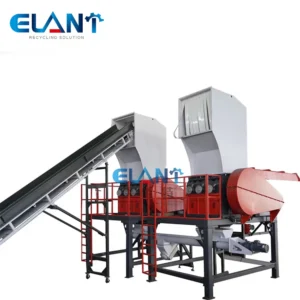
Bottle crushers offer clear benefits in the pet bottle recycling process, but experts advise caution in 2026. Crushing bottles saves space and makes handling easier. However, this method can compromise plastic quality and complicate sorting at recycling facilities. Many municipalities discourage crushing due to increased contamination risks. Operators must weigh these factors and stay alert to changing regulations and technology in the recycling industry.
Key Takeaways
- Bottle crushers save space and improve handling in recycling facilities, allowing for more efficient operations.
- Prioritize sorting before crushing to maintain the quality of recycled PET and reduce contamination risks.
- Stay informed about evolving regulations and industry guidelines to ensure compliance and competitiveness in recycling.
- Invest in automation and staff training to enhance efficiency and safety in the bottle crushing process.
- Monitor advancements in technology to leverage improved crushing and sorting methods for better recycling outcomes.
Direct Answer & Reasons
Use of Bottle Crushers in 2026
The adoption of bottle crushers in the pet bottle recycling process is expected to increase significantly by 2026. Facilities are investing in these machines due to advancements in automation and energy efficiency. Regulatory pressures and the rising demand for recycled PET materials are driving this trend. Sustainability goals and efficient waste management practices are also influencing the decision to use bottle crushers.
Note: The urgency for effective recycling solutions is growing as single-use plastic bans become more widespread. Operators must evaluate their facility’s needs and consider the evolving regulatory landscape before implementing bottle crushers.
Projected Trends for 2026
- Significant growth in bottle crusher adoption is anticipated due to technological advancements.
- Regulatory pressures and increased demand for recycled materials are key drivers.
- Innovations in crusher technology, such as enhanced automation and energy efficiency, are attracting more customers.
- Sustainability and efficient waste management are boosting adoption rates.
- Single-use plastic bans are increasing the urgency for effective recycling processes.
Key Pros and Cons
The pet bottle recycling process benefits from bottle crushers in several ways, but there are notable drawbacks that must be considered.
Advantages
- High-speed steel or tungsten carbide-tipped blades increase shredding efficiency and reduce energy consumption.
- Facilities experience lower maintenance needs and longer blade life, leading to cost savings.
- Improved throughput and stable shredding enhance overall processing capabilities.
The analysis shows that bottle crushers significantly boost efficiency, reduce operational costs, and enhance the processing capabilities of recycling facilities. Recycling PET bottles is crucial for minimizing waste that would otherwise fill landfills, which can lead to environmental hazards and unpleasant living conditions.
| Evidence Description | Impact on Recycling Rate |
|---|---|
| Government initiatives promoting recycling practices | Encourages investment in PET bottle crushers, enhancing recycling rates |
| Rising demand for recycled PET (rPET) | Drives the need for efficient recycling solutions, increasing overall recycling rates |
| Government programs aimed at improving recycling rates | Supports the growth of the PET bottle crusher market, leading to higher recycling rates |
Disadvantages
| Disadvantage | Description |
|---|---|
| Noise Generation | The machines produce loud noise, which can be disruptive for workers and nearby residents. |
| Risk of Injury | Powerful machines pose serious injury risks if not operated properly, requiring strict safety protocols. |
| High Costs | The purchase and maintenance of these machines can be financially burdensome for businesses. |
| Environmental Impact | They consume significant energy and contribute to greenhouse gas emissions during operation. |
Operational challenges are frequently reported by facilities using bottle crushers in the pet bottle recycling process.
| Challenge Type | Description |
|---|---|
| Supply Chain Bottlenecks | Delays and interruptions in the supply chain. |
| Raw Material Issues | Problems related to the availability of materials. |
| Compliance Costs | Expenses associated with meeting regulatory requirements. |
Common operational errors can affect the efficiency and safety of bottle crushers.
| Common Operational Errors | Description |
|---|---|
| Material-Machine Mismatch | Feeding contaminated material without pre-screening can lead to costly errors and equipment damage. |
| Contamination Management | Neglecting to manage contamination can chip blades and cause unplanned shutdowns. |
| Blade Maintenance | Delaying blade maintenance until output quality drops can lead to inefficient crushing and overheating. |
| Output Alignment | Running the crusher without checking if the downstream process can handle the output can create bottlenecks. |
⚠️ Operators must address these challenges through proper training, regular maintenance, and strict safety protocols to maximize the benefits of bottle crushers in the pet bottle recycling process.
Benefits of Bottle Crushers
Space Efficiency
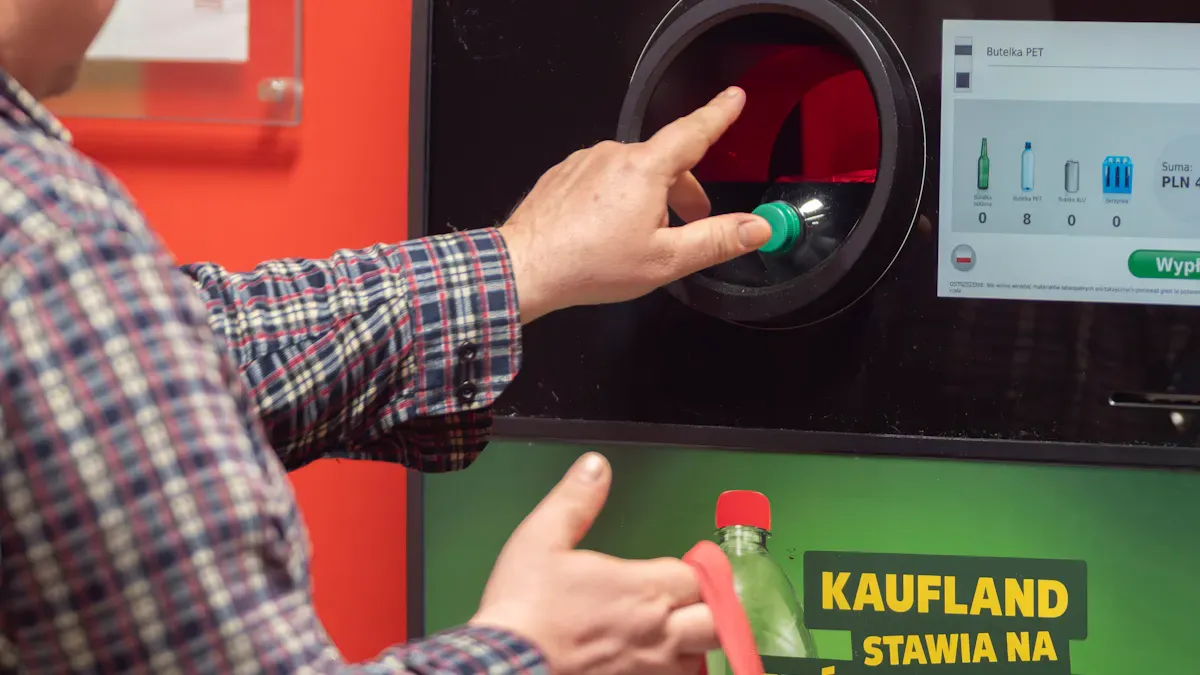
Bottle crushers play a critical role in optimizing space within recycling facilities. These machines reduce the volume of PET bottles by compressing them into smaller fragments. Facilities can store more material in the same footprint, which leads to improved warehouse management. This space-saving effect allows operators to allocate valuable floor area to other essential processes. In urban recycling centers, where space comes at a premium, bottle crushers help maximize operational capacity.
Transport & Logistics
Efficient logistics are essential for the success of any pet bottle recycling process. Bottle crushers significantly decrease the volume of plastic waste, which directly impacts transportation costs. When bottles are crushed, trucks can carry more material per trip, reducing the number of hauls required. This leads to fewer vehicle emissions and less road congestion. The following table summarizes the average reductions observed after implementing bottle crushers:
| Evidence Description | Reduction Percentage |
|---|---|
| Reduces plastic waste volume | Up to 80% |
| Reduces hauling frequency | By a full third |
| Annual hauling fees reduction | 30% to 60% |
These improvements not only lower operational expenses but also support sustainability goals by minimizing the carbon footprint associated with recycling logistics.
Operational Savings
Bottle crushers contribute to substantial operational savings in recycling facilities. Automation reduces the need for manual labor, which decreases labor costs and increases throughput. Facilities that use hydraulic crushers benefit from lower labor demands and higher processing efficiency compared to manual crushers. The table below illustrates the differences:
| Type of Crusher | Labor Requirements | Efficiency |
|---|---|---|
| Manual | Higher labor demands due to physical effort | Processes fewer bottles/hour |
| Hydraulic | Lower labor demands due to automation | Processes more bottles/hour |
By streamlining the pet bottle recycling process, bottle crushers help facilities achieve higher productivity and cost-effectiveness.
Drawbacks in PET Bottle Recycling Process
Material Integrity Issues
Crushing PET bottles can raise concerns about the preservation of material quality during the pet bottle recycling process. Many operators worry that the mechanical force applied by bottle crushers could weaken the plastic, making it less suitable for high-quality recycled products. However, recent Finite Element Analysis (FEA) studies show that the maximum stress experienced by PET bottles during crushing is much lower than the material’s yield strength. This means that, under typical operating conditions, the structural integrity of PET bottles remains intact after crushing. Despite this, the process can still make it harder to visually inspect bottles for defects or contamination before they enter the recycling stream. Quality assessment becomes more challenging when bottles are no longer in their original shape, which can lead to undetected issues further down the line.
Sorting & Contamination Risks
The pet bottle recycling process relies heavily on accurate sorting to ensure high-quality output. Crushing bottles before sorting introduces several risks:
- Sorting Challenges: Most recycling facilities use automated systems designed to identify and separate whole bottles. When bottles are crushed, these systems may struggle to recognize PET material accurately.
- Material Integrity: Crushed bottles can sometimes trap or hide contaminants, making it difficult to remove non-PET materials.
- Increased Contamination Risks: When bottles are crushed with liquid or residue inside, leaks can occur. This can contaminate other recyclables and reduce the overall quality of the recycling stream.
Proper sorting before crushing is essential. Facilities that skip this step may face higher contamination rates and increased operational costs due to the need for additional cleaning and processing.
Impact on Recycling Quality
The quality of recycled PET depends on the purity of the input material. Contamination remains a significant challenge in the pet bottle recycling process. The following table compares contamination rates at different stages:
| Process Type | Contamination Rate | Notes |
|---|---|---|
| Without Bottle Crushers | 92% | Initial contamination level before any metal detection or additional processing. |
| With Bottle Crushers | 99.9% | Target purity level required by bottling companies to ensure safety and quality of rPET. |
| After Multiple Metal Passes | 98.9% | Achieved through repeated passes through metal detectors, improving purity significantly. |
Bottling companies require extremely high purity levels for recycled PET. Achieving these standards often involves multiple rounds of sorting and metal detection, especially when bottle crushers are used. If facilities do not implement strict sorting protocols before crushing, the risk of contamination increases, which can compromise the final product’s quality and safety.
Tip: To maintain high recycling quality, always prioritize sorting and contaminant removal before using bottle crushers in the pet bottle recycling process.
Best Practices & Trends for 2026
Automation & Technology
Automation continues to transform the pet bottle recycling process. Modern bottle crushers now feature advanced AI integration, which allows for real-time monitoring and adjustment of crushing parameters. These innovations help facilities achieve higher throughput and more consistent material quality. AI-powered crushers can identify and adapt to different bottle types, reducing downtime and improving operational efficiency. Improved sorting technologies, such as optical sensors and machine learning algorithms, further enhance the accuracy of material separation. Facilities that invest in these technologies gain a competitive edge and can better meet the demands of a rapidly evolving recycling industry.
- Automation in bottle crushers streamlines operations.
- AI features increase efficiency and reduce manual intervention.
- Enhanced sorting technologies support higher purity levels.
Sorting Before Crushing
Proper sorting remains a critical step in the pet bottle recycling process. Industry guidelines recommend a multi-stage approach to maximize material purity and minimize contamination risks:
- Manual Sorting: Workers remove visible contaminants, including caps, labels, and non-PET items.
- Mechanical Sorting: Technologies like near-infrared (NIR) spectroscopy identify and separate PET plastics based on their unique properties.
- Automated Sorting: Conveyor belts equipped with AI and optical sensors increase the speed and accuracy of the sorting process.
Facilities that follow these procedures consistently achieve higher recycling quality and reduce the risk of equipment damage.
Tip: Always prioritize sorting before crushing to maintain the integrity of recycled PET and ensure compliance with industry standards.
Industry Guidelines
Regulatory frameworks for PET recycling are evolving quickly. Several countries have announced new standards and requirements that will take effect in 2026. The table below summarizes key changes:
| Country | Regulation Description | Effective Date |
|---|---|---|
| China | New national standards for plastics and recycled plastics approved. | February 1, 2026 |
| South Korea | Mandatory use of recycled PET (rPET) in clear PET bottles. | January 1, 2026 |
| Japan | Voluntary certification system under the Plastic Resource Recycling Promotion Law. | January 24, 2026 |
Facilities must stay informed about these updates to remain compliant and competitive. Adapting to new guidelines ensures continued access to both domestic and international markets.
Bottle crushers offer clear benefits in PET bottle recycling, such as space savings and operational efficiency. However, they also introduce risks related to material quality and contamination. Operators should:
- Prioritize thorough sorting before crushing bottles.
- Monitor regulatory changes and adopt new industry guidelines.
- Invest in automation and staff training.
Staying informed and following best practices will help facilities achieve high-quality recycling outcomes in 2026.
FAQ
What is the main purpose of using bottle crushers in recycling facilities?
Bottle crushers reduce the volume of PET bottles. This allows facilities to store and transport more material efficiently. The machines also help streamline the pet bottle recycling process by improving operational flow.
Are bottle crushers safe for workers?
Modern bottle crushers include safety features such as emergency stops and protective covers. Operators must receive proper training and follow safety protocols to minimize risks during the pet bottle recycling process.
How do bottle crushers impact recycling quality?
Crushing bottles before sorting can increase contamination risks. Facilities must implement strict sorting procedures to maintain high-quality output in the pet bottle recycling process.
What maintenance do bottle crushers require?
Routine maintenance includes blade sharpening, cleaning, and regular inspections. Proper upkeep ensures consistent performance and reduces downtime in the pet bottle recycling process.
Are there regulations for using bottle crushers in 2026?
Several countries have announced new standards for PET recycling. Facilities must stay updated on local and international guidelines to ensure compliance during the pet bottle recycling process.