
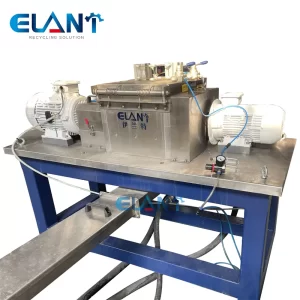
The plastic pelletizing process transforms waste and virgin polymers into uniform pellets, supporting both recycling and manufacturing industries.
- Each year, approximately 450 million metric tons of plastic undergo pelletizing worldwide.
High-quality pellets depend on effective filtration and degassing. Industry studies show that removing volatile compounds and odors during processing improves the usability of recycled materials, especially for sensitive applications. Consistent pellet quality requires attention to every stage, from melting to cutting.
Key Takeaways
- The plastic pelletizing process transforms waste into reusable pellets, reducing landfill waste and supporting recycling efforts.
- Effective filtration and degassing are crucial for producing high-quality pellets, as they remove contaminants and volatile compounds.
- Implement best practices at each stage, such as thorough washing and precise temperature control, to ensure consistent pellet quality.
- Regular maintenance of equipment and monitoring of processes help prevent issues like poor pellet quality and production downtime.
- Investing in workforce training and advanced technologies enhances operational efficiency and promotes sustainable manufacturing.
What Is the Plastic Pelletizing Process?

Process Overview
The plastic pelletizing process converts plastic waste or virgin polymers into small, uniform pellets. This transformation involves several key stages:
- Collection & Sorting: Workers separate plastics by type and color to prevent contamination.
- Shredding / Granulation: Machines break down plastics into flakes of consistent size, which improves washing and feeding.
- Washing: Clean flakes ensure a consistent melt and better filtration.
- Drying: Removing moisture stabilizes the extrusion process.
- Extrusion: The material melts and forms a homogeneous mass.
- Pelletizing: The molten plastic is cut into uniform pellets.
- Cooling, Drying & Quality Assurance: Pellets cool, dry, and undergo quality checks.
Filtration and degassing play a crucial role during extrusion. Filtration removes contaminants, while degassing eliminates moisture and volatile compounds, ensuring high-quality pellets.
Why Pelletizing Matters
The plastic pelletizing process supports recycling and manufacturing in several ways:
- It reduces landfill waste by converting discarded plastics into reusable pellets.
- Manufacturers benefit from lower costs, as recycled pellets are more affordable than virgin materials.
- The process conserves resources by decreasing the demand for new plastic production, saving energy and raw materials.
- High-quality pellets enable the production of durable goods, encouraging more industries to adopt sustainable practices.
Pelletizing not only improves material quality but also drives the shift toward a circular economy.
Key Benefits and Challenges
| Benefit | Description |
|---|---|
| Resource Conservation | Reduces the need for new plastic, saving energy and raw materials. |
| Lower Emissions | Recycling plastics cuts greenhouse gas emissions. |
| Pollution Reduction | Prevents environmental pollution from improper disposal. |
| Energy Efficiency | Uses less energy than producing new plastics. |
Despite these advantages, challenges exist:
- Material inconsistencies can cause uneven pellet quality. Advanced filtration and optimized drying help address this.
- Temperature fluctuations may degrade materials. Regular equipment checks and precise controls are essential.
- Die plate wear or misalignment can disrupt production. Routine inspections and cleaning prevent these issues.
The plastic pelletizing process remains vital for sustainable manufacturing, but success depends on careful control at each stage.
Plastic Pelletizing Process Steps
Collection and Sorting
Collection and sorting form the foundation of the plastic pelletizing process. Workers gather post-consumer or industrial plastic waste and separate it by polymer type, color, and grade. This step prevents cross-contamination, which can compromise pellet quality and downstream processing. Automated sorting systems, such as near-infrared (NIR) scanners, improve accuracy and efficiency. Manual sorting remains essential for removing non-plastic materials and hazardous contaminants.
Best Practices:
- Use both manual and automated sorting for optimal results.
- Train staff to recognize and separate problematic materials.
- Regularly calibrate sorting equipment.
Common Pitfalls:
- Inadequate sorting leads to mixed polymers, resulting in poor melt quality.
- Overlooking colored plastics can cause inconsistent pellet appearance.
Shredding and Granulation
Shredding and granulation reduce plastic waste into manageable sizes for further processing. The choice of equipment depends on material size, thickness, and desired output.
| Machine Type | Function |
|---|---|
| Engineering Plastic Shredder | Reduces large plastic scraps into uniform particles using a low-speed rotor with D2 blades. |
| Engineering Plastic Granulator | Further downsizes particles to 10–12mm, enhancing drive power for sufficient shearing force. |
The process typically involves:
- Primary shredding for large or thick items.
- Secondary granulation to achieve uniform granules.
Granulators provide precision and consistency, while shredders handle heavy, continuous loads.
Best Practices:
- Match machine type to material characteristics.
- Maintain blades and rotors to ensure consistent particle size.
Common Pitfalls:
- Dull blades can cause uneven granulation.
- Overloading machines reduces throughput and increases wear.
Washing and Drying
Washing removes dirt, labels, adhesives, and organic residues from plastic flakes. The effectiveness of this step directly impacts the quality of the final pellets.
| Washing Method | Effectiveness | Contaminants Addressed |
|---|---|---|
| Cold Washing | Removes loose dirt and mechanically attached contamination | General dirt and light contaminants |
| Hot Washing | Adds temperature, chemistry, and residence time to remove stubborn contaminants | Label glue, food residue, oil, grease, and organic matter |
| Multi-stage Friction | High efficiency in removing tough contaminants with advanced techniques | Agricultural film residues and sticky packaging residues |
The hot-wash system is specially designed for extremely tough contaminants and removes even grease and oil adhering to the material, while also eliminating any glue residues and unpleasant odors.
Effective drying is crucial for preventing moisture-related issues in storage and processing. Moisture can affect pelletizing, odor, melt stability, and buyer acceptance.
Best Practices:
- Use hot washing for heavily contaminated feedstock.
- Employ multi-stage friction washers for agricultural films.
- Ensure thorough drying before extrusion.
Common Pitfalls:
- Insufficient washing leaves behind contaminants that degrade pellet quality.
- Incomplete drying leads to hydrolysis and poor melt flow.
Melting and Extrusion
During melting and extrusion, plastic flakes are heated and forced through a screw extruder, forming a homogeneous melt. This step determines the physical properties of the pellets.
Operators must control temperature profiles and screw speed to prevent thermal degradation. Consistent feeding ensures uniform melt quality.
Best Practices:
- Monitor melt temperature closely.
- Use gravimetric feeders for precise dosing.
- Clean extruder barrels regularly.
Common Pitfalls:
- Overheating causes polymer breakdown and discoloration.
- Inconsistent feed rates result in surging and poor pellet uniformity.
Filtration Methods
Filtration removes solid impurities, such as paper, metal, or unmelted plastic, from the molten polymer. High-performance filtration systems are essential for producing high-quality pellets.
- Sintered and extruded carbon filter cartridges effectively remove impurities like residual chlorine, volatile organic compounds (VOCs), and heavy metals.
- Screen packs and double-zone filters provide layered filtration, capturing both large and fine contaminants.
Best Practices:
- Select filter types based on contaminant profile and polymer type.
- Replace filter elements at scheduled intervals to maintain flow and quality.
Common Pitfalls:
- Clogged filters increase back pressure and reduce throughput.
- Using the wrong filter mesh size allows contaminants to pass through.
Degassing Techniques
Degassing eliminates volatile compounds, moisture, and odors from the melt during extrusion. This step is critical for applications requiring odorless, high-purity pellets.
Common degassing methods include:
- Vacuum degassing, which removes entrapped gases and moisture.
- Autoclave degassing, used for specialty polymers.
- Cryogenic degassing, which targets specific volatiles.
Operators often install vent ports along the extruder barrel to facilitate degassing. Proper venting prevents bubble formation and improves pellet clarity.
Best Practices:
- Maintain optimal vacuum levels for the polymer being processed.
- Use vent stuffer or melt seal to prevent material loss at vent ports.
Common Pitfalls:
- Inadequate degassing leads to voids, odors, and poor mechanical properties.
- Excessive venting can cause material carryover and loss.
Pellet Cutting and Cooling
Pellet cutting transforms the extruded strands into uniform pellets. Cooling solidifies the pellets and prevents sticking or deformation.
- Maintain tight moisture control for materials like PET and PA, targeting very low moisture levels after drying (e.g., <0.02% or <50 ppm for PET).
- Use an IR thermometer to measure strand surface temperature and adjust cooling water temperature and flow accordingly.
- Synchronize haul-off speed and cutter RPM to stabilize pellet length and reduce secondary cuts.
- Set water temperature for cooling based on material: PP/PE at 10–20°C, PET at 5–12°C, and PA at 10–20°C.
- Maintain a residence time of 10–25 seconds in the cooling bath, adjusted by strand diameter and line speed.
- Start with a traction roller gap of ~0.8–2.0 mm and increase pressure to eliminate jitter without flattening strands.
Best Practices:
- Preserve knife geometry during sharpening for consistent pellet shape.
- Implement one change at a time during setup and record results to validate improvements.
Common Pitfalls:
- Incorrect water temperature causes pellet sticking or cracking.
- Unsynchronized cutter speed leads to uneven pellet size.
Final Drying and Quality Checks
Final drying removes residual moisture from pellets, ensuring stability during storage and transport. Quality checks verify that pellets meet specifications for size, shape, and moisture content.
- Controlling moisture content is crucial for maintaining the quality and performance of plastic products.
- High moisture levels can lead to defects in extrusion or molding processes, affecting mechanical strength and causing equipment failures.
- Effective detection and measurement methods for moisture content are essential to ensure consistent operation of production machines.
- Proper design of drying systems, such as centrifugal dryers and fluidized beds, is vital to minimize moisture before storage or packaging.
Quality assurance teams use sieves, moisture analyzers, and visual inspection to confirm pellet uniformity and cleanliness.
Best Practices:
- Use advanced drying systems to achieve target moisture levels.
- Implement regular sampling and testing protocols.
Common Pitfalls:
- Skipping quality checks allows defective pellets to reach customers.
- Inadequate drying leads to clumping and processing issues.
The plastic pelletizing process relies on careful execution of each step, from collection to final quality checks, to produce high-quality pellets suitable for demanding applications.
Degassing in the Pelletizing Process
Why Degassing Is Essential
Degassing is a critical operation in the plastic pelletizing process. This step removes unwanted substances that can compromise pellet quality and downstream performance. When plastics are melted, several contaminants can be released:
- Residual moisture
- Trapped volatile compounds
- Odorous substances
These impurities can cause defects such as bubbles, voids, or surface blemishes in the final pellets. Moisture and volatiles also reduce the stability of downstream processing, leading to inconsistent product properties. By removing these contaminants, degassing ensures that pellets are uniform, stable, and suitable for demanding applications.
Note: Effective degassing not only improves pellet appearance but also enhances mechanical strength and reduces the risk of processing failures.
Common Degassing Methods
Commercial pelletizing operations rely on several degassing techniques to achieve high-quality results. The most widely used methods include:
- Vacuum Degassing: This method uses a vacuum system connected to vent ports along the extruder barrel. The vacuum draws out steam, volatile gases, and odors from the molten plastic. Vacuum degassing is especially effective for feedstocks with high moisture or contamination levels. It prevents defects such as brittleness and holes in the pellets.
- Autoclave Degassing: This technique applies heat and pressure in a sealed chamber to remove deeply embedded volatiles and moisture. Autoclave degassing is often reserved for specialty polymers or applications requiring extremely low residual contamination.
- Cryogenic Degassing: This method cools the material rapidly, causing volatile compounds to separate and be removed efficiently. Cryogenic degassing is suitable for plastics with specific volatile profiles or for eliminating stubborn odors.
Vacuum vent degassing remains the industry standard due to its efficiency and adaptability. It is particularly beneficial for printed or slightly wet plastics, ensuring consistent pellet quality.
Implementing Degassing in Extrusion
Integrating degassing into an extrusion line requires careful equipment configuration. The following modifications and practices are essential for effective degassing:
- Install a vacuum degassing zone before the pressure build-up section of the extruder. This placement allows gases and moisture to escape before the material is pressurized.
- Use co-rotating twin-screw extruders with dedicated vacuum zones to enhance devolatilization. These systems improve product quality by removing unwanted gases more efficiently.
- Equip the extruder with one or two vacuum vent ports along the barrel. These vents maintain pellet quality and reduce rejection rates by continuously evacuating volatiles.
- Pair the extruder with a robust vacuum system to ensure stable operation and consistent devolatilization.
- For materials with high moisture or volatile content, dual-zone vacuum degassing can further reduce residual contaminants.
Tip: Regularly monitor vacuum levels and vent port conditions to maintain optimal degassing performance.
Troubleshooting Degassing Issues
Even with advanced systems, degassing challenges can arise. The table below outlines common issues and practical solutions:
| Issue | Resolution |
|---|---|
| Moisture removal | Optimize vacuum degassing to ensure effective moisture and gas removal. |
| Gas entrapment | Check vent flow restrictions; clean filters and consider widening degassing ports if needed. |
| Material contamination | Ensure flakes are thoroughly rinsed to remove residues from washing agents. |
| Additional degassing | Use an extruder with a side vacuum vent or install extra degassing zones if necessary. |
Operators should also:
- Inspect and clean vent ports regularly to prevent blockages.
- Verify that washing and drying steps are thorough to minimize contamination entering the extruder.
- Adjust vacuum strength and vent port size based on material type and contamination level.
Callout: Consistent troubleshooting and maintenance of degassing systems help maintain high pellet quality and reduce production downtime.
The degassing stage is indispensable for producing pellets that meet industry standards. Proper method selection, equipment configuration, and proactive troubleshooting ensure the plastic pelletizing process delivers reliable, high-performance results.
Equipment and Troubleshooting
Types of Pelletizing Equipment
Industrial pelletizing lines use a range of specialized machines to process plastics efficiently. Common equipment includes:
- Disc Pelletizers: Ideal for producing uniform, spherical pellets from fine powders.
- Pug Mills: Mix and agglomerate materials before pelletizing.
- Drum Granulators: Handle high-capacity, continuous pellet production.
- Pin Mixers: Pre-condition feedstock for improved pellet formation.
- Rotary Dryers and Coolers: Remove moisture and stabilize pellet temperature.
- Troughed Belt Conveyors, Trippers, and Plows: Transport pellets between process stages.
- Belt Feeders and Bucket Elevators: Manage material flow and elevation.
Filtration systems, such as screen packs and double-zone filters, are integrated into extrusion lines to remove contaminants and ensure consistent pellet quality.
Choosing the Right System
Selecting pelletizing equipment requires careful evaluation of process needs and material characteristics. The following table outlines key criteria for system selection:
| Criteria | Description |
|---|---|
| Throughput Capacity | Match machine size to daily input volume, from 50 kg/h to over 1,000 kg/h. |
| Motor Power & Drive | Choose higher horsepower for dense plastics; variable frequency drives allow speed control. |
| Die Plate Design | Select adjustable dies for flexibility across polymer types. |
| Cutting Mechanism | Ensure blade sharpness and consider automatic systems for consistent pellet size. |
| Cooling Method | Water-cooled systems solidify pellets quickly; air-cooled systems simplify operation. |
| Automation Level | Advanced PLC controls improve repeatability and reduce manual intervention. |
| Material Compatibility | Confirm compatibility with resins like LDPE, HDPE, PP, PS, and PET. |
Tip: Consider throughput, energy efficiency, and automation when investing in new equipment. Smaller particle sizes improve pellet cohesion but may increase friction, while higher moisture content can enhance productivity but must be balanced to avoid inefficiencies.
Routine maintenance is essential. Schedule regular inspections for die plates, cutting blades, and heaters. Clean, lubricate, and replace worn parts promptly to prevent breakdowns and minimize downtime.
Common Issues and Solutions
Operational challenges can impact pellet quality and system reliability. The table below summarizes frequent issues and recommended solutions:
| Issue | Causes and Solutions |
|---|---|
| Poor Plasticization | Increase temperature, optimize screw design, and improve mixing to ensure proper melt. |
| Irregular Pellet Size | Adjust die temperature, maintain blade sharpness, and ensure consistent melt flow. |
| Overheating | Check cooling systems, inspect for friction, and synchronize cutter speed with strand output. |
| Poor Pellet Quality | Control material degradation, contamination, and moisture; pre-dry materials as needed. |
Note: Address die hole blockages and hopper bridging to restore throughput. Regular maintenance and process monitoring help prevent most operational issues.
Every stage in the plastic pelletizing process—from advanced sorting and precise shredding to optimized extrusion—directly impacts pellet quality. Filtration and degassing remain essential for removing contaminants and volatile compounds, which prevents defects and ensures consistent results.
- Key factors for quality include effective cleaning, moisture control, and the use of additives to enhance properties.
- Manufacturers should:
- Maintain optimal temperatures and use advanced filtration.
- Implement vacuum degassing and regular quality checks.
- Invest in workforce training and smart monitoring systems.
Continuous improvement and staying informed on new technologies drive operational excellence and sustainability.
FAQ
What is the main purpose of degassing in plastic pelletizing?
Degassing removes moisture, volatile compounds, and odors from molten plastic. This step prevents defects such as bubbles and voids, ensuring pellets meet quality standards for demanding applications.
How often should filtration systems be maintained?
Regular maintenance is critical. Inspect and replace filter elements according to manufacturer guidelines or when pressure drops occur. Frequent checks help maintain consistent pellet quality and prevent equipment damage.
Can pelletizing be used for all types of plastics?
Most thermoplastics, including LDPE, HDPE, PP, PS, and PET, can be pelletized. Some specialty or composite plastics may require specific equipment or process adjustments.
What are common signs of poor degassing?
- Presence of bubbles or voids in pellets
- Unpleasant odors
- Inconsistent pellet appearance
Operators should monitor these indicators and adjust degassing parameters as needed.