
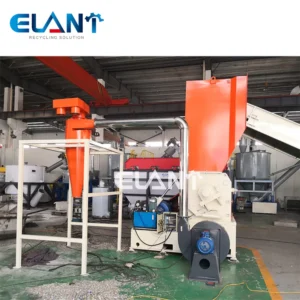
Investing in plastic bottle recycling machines is a significant decision for any business aiming to contribute to a sustainable future and capitalize on the growing recycling industry. This article will guide you through the crucial factors buyers consider when evaluating various plastic bottle recycling machines and the types of plastic, such as PE (polyethylene), they can process.
Understanding Plastic Bottle Recycling
Plastic bottle recycling is a multifaceted process that transforms discarded plastic bottles into reusable materials. This vital industry plays a pivotal role in reducing plastic waste and minimizing environmental impact, thereby promoting sustainability in communities. It encompasses several stages, including shredding plastic into smaller pieces, each requiring specialized machinery designed for optimal efficiency and output of high-quality plastic flakes or pellets. These stages include shredding, washing, and pelletizing, each critical for producing high-quality recycled plastic.
- Collection
- Sorting
- Washing
- Crushing
- Pelletizing is an essential step in the recycling process, helping to convert shredded plastic into usable forms for manufacturing.
Importance of Recycling Plastic Bottles
Recycling plastic bottles is paramount for environmental stewardship and resource conservation, particularly in reducing municipal waste and promoting good recycling practices. Billions of tons of plastic are discarded annually, overwhelming landfills and polluting ecosystems. By choosing to recycle plastic, we achieve several key benefits:
- Significantly reduce the demand for virgin raw materials
- Conserve energy and mitigate greenhouse gas emissions
Ultimately fostering a more sustainable economy and reducing the overall environmental impact of plastic production, while good recycling practices, including effective film washing, are implemented.
Types of Plastic Used in Bottles
A wide range of plastic materials are used in bottles, with the most prevalent types detailed below:
| Plastic Type | Common uses of recycled plastics include creating new products from municipal waste, which promotes sustainability and reduces environmental impact, especially since recycled plastic uses much less energy. |
|---|---|
| PET (polyethylene terephthalate) | Beverages and food containers are common examples of plastic bottles used in recycling processes that promote good recycling practices. |
| HDPE (high-density polyethylene) is often processed using techniques that include film washing to ensure high quality in recycled materials. | Milk jugs and detergent bottles are prime examples of containers that can be effectively recycled using plastic bottle recycling techniques, which promote sustainability. |
| PP (polypropylene) is a common type of plastic that requires specialized shredding and processing techniques, such as thermal methods, to ensure effective recycling and promote sustainability, including film washing for improved quality. | Caps and rigid containers are also significant contributors to the recycling process, making them essential for good recycling practices. |
All these plastic types, including PE and PP, require specific equipment for processing and effective plastic recycling, including advanced film washing techniques.
Environmental Benefits of Plastic Recycling
The environmental benefits of plastic recycling, particularly through the use of municipal waste, are substantial. Recycling one ton of plastic can save significant amounts of energy and reduce greenhouse gas emissions, directly contributing to the fight against climate change and promoting the use of recycled materials in new products. It also helps in reducing plastic pollution in oceans and landfills, protecting wildlife, and preserving natural resources by decreasing the need for virgin plastic production, thus promoting a truly circular economy.
Key Features of Plastic Bottle Recycling Machines
Types of Machinery in Recycling
The plastic bottle recycling process relies on a diverse array of specialized machinery, including those that shred plastic into smaller pieces, each playing a crucial role in transforming plastic waste into reusable materials. From the initial sorting and crushing stages to the final pelletizing process, various types of plastic recycling machines are engineered to handle specific tasks, ensuring the efficient and high-quality production of plastic flakes or pellets.
Plastic Crusher and Shredder Functions
A plastic crusher and shredder are fundamental components in any plastic bottle recycling line, promoting sustainability in the recycling process. These powerful machines are designed to reduce the size of plastic bottles, including PET bottles and HDPE containers, into smaller, manageable plastic pieces or flakes. The shredder initially breaks down larger items, while the crusher further grinds them, preparing the plastic for subsequent washing and processing steps and significantly reducing the volume of plastic waste.
Washing Line and PET Bottle Washing
The washing line is a critical stage in plastic bottle recycling, particularly for PET bottle washing, where film washing plays an essential role in removing contaminants. This integrated system meticulously cleans the crushed plastic flakes, removing contaminants such as labels, caps, dirt, and residual liquids, often utilizing film washing techniques to enhance cleanliness. Effective washing, including film washing, is paramount to ensure that the resulting PET flakes are dry and of high quality, suitable for further processing into new products.Recycled plastic uses much less energy than producing new plastic, making them suitable for making new plastic products and preventing the degradation of recycled material through effective thermal processing.
Comparative Analysis of Recycling Equipment

Plastic Recycling Machines vs. Traditional Methods
Modern plastic recycling machines offer significant advantages over traditional waste disposal methods, as they help in promoting sustainability and reducing waste, especially since recycled plastic uses much less energy in production., such as landfilling or incineration. While traditional methods merely discard plastic waste, recycling machinery actively transforms it into valuable raw materials, with film washing being a key process in this transformation. This shift not only reduces the environmental impact associated with pollution and greenhouse gas emissions but also promotes a circular economy by endlessly reusing plastic, leading to sustainable practices.
Cost-Effectiveness of Recycling Machinery
Investing in plastic bottle recycling machines proves to be a highly cost-effective solution in the long run, as they promote sustainability and good recycling practices. Although the initial outlay for recycling equipment can be substantial, the operational savings and revenue generated from selling high-quality plastic flakes or pellets, especially from PE materials, quickly offset these costs. Furthermore, businesses can benefit from reduced landfill fees, energy savings from making new plastic, and potential incentives for reducing waste and promoting sustainable practices, particularly as recycled plastic uses much less energy.
Performance Metrics: Efficiency in Recycling
Evaluating the performance metrics of plastic recycling machines is crucial for buyers, particularly in understanding how effective film washing can enhance the quality of recycled products. Key indicators include processing capacity, energy consumption, and the purity of the final product, whether it be plastic flakes or pellets, as recycled plastic uses much less energy than virgin materials. An efficient plastic bottle recycling machine maximizes throughput while minimizing operational costs and ensuring that the recycled material, such as PET flakes or HDPE flakes, meets industry standards for making new plastic products, ultimately boosting the overall efficiency in recycling.
Investing in Plastic Recycling Technology
Factors to Consider When Buying a Recycling Machine
When looking to invest in a plastic bottle recycling machine, several critical factors must be carefully considered to ensure a successful and sustainable operation. Buyers must evaluate the type of plastic materials the machine can process, such as PET bottles, HDPE, or PP, as different types of plastic require specialized handling to ensure efficient shredding and recycling. The machine’s capacity, energy consumption, and the quality of the output, whether plastic flakes or pellets, are also paramount in making recycling more efficient. Additionally, the availability of spare parts, the manufacturer’s reputation, and after-sales support are crucial for long-term operational efficiency in the downstream processing of recycled materials.
Understanding Pelletizers and Their Role
Pelletizers, also known as plastic pelletizers or pelletizing machines, play a pivotal role in the final stage of the plastic recycling process, helping to create uniform pellets from shredded materials. After plastic pieces have been sorted, crushed by a plastic crusher or shredder, and thoroughly cleaned in the washing line, the pelletizer transforms these plastic flakes into uniform plastic pellets. These high-quality plastic pellets are then easily transported and can be reused by manufacturers to make new plastic products, effectively closing the loop in the plastic recycling industry and promoting a circular economy.
Evaluating Environmental Impact and Compliance
Evaluating the environmental impact and ensuring compliance with regulations are essential considerations when purchasing plastic recycling equipment. A modern plastic bottle recycling machine should minimize its carbon footprint by being energy-efficient and reducing water consumption during the washing process, which is essential for good recycling outcomes. Furthermore, buyers must ensure that the machinery meets local and international environmental standards for waste disposal, air emissions, and noise pollution, especially when processing municipal waste. Choosing equipment that helps reduce waste and save resources while adhering to all compliance requirements contributes significantly to a sustainable business model and positive public perception.
Future Trends in Plastic Recycling
Innovations in Recycling Machines
The future of plastic recycling is continuously being shaped by significant innovations in recycling machines and plastic bottle recycling technology. Advances are focused on enhancing efficiency, reducing operational costs, and improving the quality of recycled materials, particularly in downstream applications, where recycled plastic uses much less energy. This includes the development of more sophisticated sorting systems, such as optical sorters that can precisely identify various types of plastic, including PET and HDPE, even with contaminants. There is also a push towards more energy-efficient shredders and granulators, as well as advanced washing lines that minimize water usage while maximizing the purity of plastic flakes for downstream applications.
Emerging Types of Plastic and Their Recycling Needs
As the use of plastic expands, so does the variety of types of plastic, each presenting unique recycling needs that recycling machines help address. Beyond common PET bottles and HDPE containers, new compostable and biodegradable plastics are emerging, alongside multi-layer packaging that poses significant challenges for traditional plastic recycling machines. The recycling industry is actively researching and developing specialized equipment for processing these complex materials, including reverse vending machines. This ensures that a wider range of post-consumer plastic waste can be effectively recycled, preventing it from ending up in landfills and further reducing the overall environmental impact of plastic production and disposal.
Potential for Circular Economy in Plastic Recycling
The potential for a truly circular economy in plastic recycling is immense and represents the ultimate goal of the recycling industry. By continuously innovating plastic recycling machines and refining the entire process from plastic bottle collection to pelletizing, including the use of reverse vending systems, we can significantly increase the reuse of plastic. This involves making new plastic products from recycled materials, reducing the reliance on virgin raw materials, and minimizing pollution, ultimately supporting the concept that recycled plastic uses much less energy during production. Achieving a fully circular economy requires collaboration between manufacturers, consumers, and recycling facilities to ensure that every discarded plastic bottle or piece of plastic waste is given a second, third, or even infinite life.