
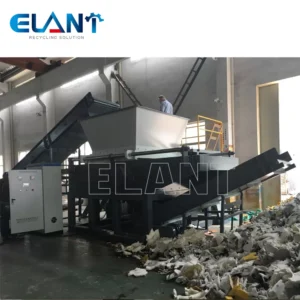
Recycling shredder machines, particularly heavy-duty waste shredders, are pivotal in waste management and resource recovery. However, these powerful shredders often encounter issues like suboptimal shredder torque and frequent downtime, significantly impacting their operational efficiency and profitability in recycling plants. Understanding these challenges is crucial for enhancing the effectiveness of plastic recycling operations and ensuring efficient processing.
Understanding Shredder Torque
Shredder torque is a critical metric for any shredding machine, particularly for industrial shredders designed to process a diverse stream of materials. It directly influences the ability of the shredder to efficiently shred tough materials, impacting throughput and overall productivity in recycling environments, particularly in heavy-duty applications. This fundamental aspect dictates the power and capability of the shredding equipment.
What is Shredder Torque?
Shredder torque refers to the rotational force applied by the shredder’s motor to its cutters, which are essential components for size reduction. This force is crucial for industrial shredders to effectively tear and shred waste, whether it is plastic, scrap metal, or e-waste. High torque ensures that even rigid plastics and post-consumer waste can be processed without stalling the machine. The amount of torque generated by a shredder machine directly correlates with its ability to handle challenging materials like HDPE and LDPE, which are common in plastic recycling, as well as fiber waste. An adequately engineered shredding solution will provide sufficient torque to maintain consistent processing of plastic, ensuring an uninterrupted flow of material for further reuse or recycling. This prevents costly stoppages and maintains high throughput.
Impact of Torque on Shredding Efficiency
The impact of torque on shredding efficiency is profound, especially when dealing with diverse plastic waste and the need for efficient processing. Insufficient torque can lead to frequent jams, reduced throughput, and increased wear and tear on the cutters, diminishing the overall performance of industrial plastic shredders used for disposal or recycling. Optimizing shredder torque is key to maximizing the lifespan and operational effectiveness of the shredding equipment used in industrial shredding applications, particularly when used to shred the waste efficiently. For effective recycling operations, especially in the processing of plastic, shredding technology must deliver consistent torque. This ensures that the shredder machine can efficiently shred plastic, rigid plastics, and intermediate bulk containers, transforming plastic scrap into manageable sizes for subsequent granulator processing. This directly impacts the efficiency of the entire recycling process.
Measuring Shredder Torque
Measuring shredder torque is a vital aspect of maintaining optimal performance for any shredding machine, including powerful shredders used in plastic recycling and industrial shredding. This measurement helps identify potential inefficiencies or mechanical issues before they lead to significant downtime or damage to the shredding equipment. Accurate measurement ensures the machine performs as expected. Various methods are employed to measure torque in leading industrial shredders, from direct load sensors on the drive shaft to monitoring the electrical current draw of the motor. Regular monitoring of torque allows engineers to customize shredding systems for different material streams, such as post-consumer waste or production waste, ensuring maximum efficiency and durability. This proactive approach supports consistent throughput.
Factors Contributing to Downtime
Downtime in recycling operations, particularly for a shredder machine, represents a significant financial drain and operational bottleneck. Several factors contribute to this, from mechanical failures in industrial shredders to inefficiencies in the material stream, all impacting the profitability of plastic recycling plants and the ability to shred the waste effectively. Understanding these elements is crucial for effective waste management.
Common Causes of Downtime in Industrial Shredders
Common causes of downtime in industrial shredders include mechanical failures, such as worn-out cutters, motor malfunctions, and hydraulic system issues, all of which directly affect the shredding machine’s ability to efficiently shred waste. These problems are often exacerbated by inadequate maintenance or processing materials that exceed the machine’s designed capabilities. Furthermore, issues related to the material stream, like contamination with unshreddable items or inconsistent feeding, can cause frequent jams and necessitate manual intervention, increasing downtime. These interruptions are particularly detrimental in plastic recycling environments where continuous processing of plastic is essential for maintaining production schedules and cost-efficiency.
Impact of Downtime on Profitability
The impact of downtime on profitability for a shredder machine is substantial, leading to direct financial losses through reduced throughput and increased operational costs. Every hour an industrial shredder is not operational means a halt in the processing of plastic, preventing the conversion of plastic waste into valuable recycled material for reuse. Moreover, prolonged downtime can result in missed production targets, contractual penalties, and a decline in customer satisfaction, particularly for shredder manufacturers who rely on consistent output. Minimizing these interruptions is critical for maintaining a competitive edge and ensuring the financial viability of recycling plants and their shredding systems, especially when processing ibcs.
Strategies to Minimize Downtime
Strategies to minimize downtime for a shredder machine involve a combination of proactive maintenance, technological upgrades, and robust operational protocols. Regular preventative maintenance, including inspection and replacement of cutters and other wear parts, is paramount for prolonging the lifespan and ensuring the durability of industrial shredders used in waste disposal or recycling. Implementing advanced shredding technology and monitoring systems can provide real-time data on the shredder’s performance, allowing operators to anticipate and address potential issues before they escalate. Furthermore, optimizing material feed and ensuring proper configuration for different types of plastic scrap can significantly reduce jams and increase the overall efficiency of the shredding solution.
Recycling Plastic and Its Challenges
Importance of Plastic Recycling
Plastic recycling is an indispensable component of modern waste management strategies, playing a critical role in mitigating environmental impact and conserving valuable resources, especially through efficient processing techniques. Through the effective use of a shredder machine and other recycling equipment, we can transform plastic waste, including post-consumer and post-industrial plastic scrap, into reusable materials, thereby reducing the need for virgin plastic production and lessening landfill burden. This crucial process contributes significantly to a circular economy, extending the lifespan of materials and reducing pollution. The process of recycling plastic, facilitated by industrial shredders and advanced shredding systems, allows for the reclamation of various types of plastic, such as HDPE and LDPE, which are prevalent in our daily lives. Efficient recycling operations ensure that these materials are re-entered into the production stream, serving as raw materials for new products, including textiles and pallets, while also addressing fiber waste. This not only minimizes environmental degradation but also provides economic benefits by creating new industries and job opportunities within recycling environments.
Challenges Faced in Recycling Plastic
Despite its undeniable importance, plastic recycling faces numerous challenges, ranging from the complex nature of plastic waste streams to the technical demands of processing diverse materials in heavy-duty waste shredders. The presence of contaminants in post-consumer waste, such as labels, food residue, and mixed plastic types, complicates the sorting and shredding process, often requiring sophisticated shredding solutions to ensure purity and efficiency. Furthermore, the sheer volume and variety of plastic scrap demand robust and versatile industrial shredders capable of handling different sizes and densities. Another significant challenge is the energy consumption and operational costs associated with powerful shredders and granulators, which must efficiently shred plastic into manageable sizes for further processing. The durability and maintenance of cutter components in a shredder machine are also critical considerations, as wear and tear from shredding rigid plastics or even e-waste can lead to frequent downtime and increased expenses, impacting the overall profitability of recycling plants.
Efficient Shredding Solutions for Plastic Waste
Efficient shredding solutions are paramount for overcoming the challenges in recycling plastic and enhancing the overall effectiveness of recycling operations. Modern industrial shredders are engineered with advanced shredding technology to handle a wide range of plastic waste, including bulky items like intermediate bulk containers and production waste, converting them into uniform particles suitable for subsequent recycling processes like granulation. The right shredder machine is vital for optimizing throughput and reducing energy consumption. Investing in high-performance plastic shredding machines, such as single-shaft shredders with robust cutters, is essential for achieving optimal size reduction and preparing the plastic scrap for further reuse. These shredding systems are designed to customize the output material’s size and consistency, ensuring it meets the specific requirements of granulators and other in-house recycling equipment. By minimizing downtime and maximizing the efficiency to shred various plastics efficiently, these solutions play a critical role in the economic viability of plastic recycling.
Choosing the Right Shredder Machine
Types of Shredder Machines
Selecting the appropriate shredder machine is a critical decision for any recycling plant, as different types of industrial shredders are designed to handle specific material streams and achieve varied size reduction goals. Common types include single-shaft shredders, which are often utilized for plastic and rigid plastics, offering precise control over the final output size. These powerful shredders are highly effective for materials requiring a consistent particle size for subsequent granulator processing. Beyond single-shaft machines, other shredding equipment like twin-shaft shredders are better suited for bulkier, tougher materials, providing higher torque to efficiently shred challenging items such as scrap metal or e-waste. The configuration of the cutter and the overall shredder design dictates its capability to process diverse plastic waste, from post-consumer waste to industrial waste, ensuring that the chosen shredding solution aligns with the specific needs of the recycling process.
Benefits of Industrial Plastic Shredders
Industrial plastic shredders offer numerous benefits crucial for effective plastic recycling operations, significantly enhancing efficiency and profitability. Their primary advantage lies in their ability to perform size reduction on large volumes of plastic waste, transforming bulky plastic scrap, including items like HDPE and LDPE, into a more manageable form for further processing or reuse. This capability to shred plastic efficiently greatly increases the throughput of recycling plants. Moreover, modern industrial plastic shredders are built for durability and reliability, with robust cutters and powerful motors designed to withstand the rigors of continuous operation, thereby reducing downtime and maintenance costs. By integrating advanced shredding technology, these shredding machines can be customized to handle various types of thermoplastic and production waste, optimizing the recycling process and maximizing the value extracted from post-consumer materials.
Criteria for Selecting a Shredder Manufacturer
Choosing the right shredder manufacturer is as important as selecting the shredder machine itself, as it directly impacts the long-term performance and support for your recycling equipment. A reputable shredder manufacturer should demonstrate a proven track record of engineering high-quality industrial shredders and shredding systems that meet stringent industry standards for processors. Their expertise should span across various shredding technologies, offering solutions tailored for diverse plastic waste, textiles, and other materials in an efficient processing environment. Key criteria for selection include the manufacturer’s commitment to after-sales service, availability of spare parts like cutters, and technical support, which are vital for minimizing downtime and ensuring the longevity of the shredder machine. Additionally, evaluate their ability to customize shredding solutions to fit specific operational needs, such as specialized configurations for the processing of plastic or integration with existing granulators and other recycling machinery, ensuring optimal efficiency and durability in your recycling environments.
Optimizing Shredding Technology
Advancements in Shredding Technology
Advancements in shredding technology have revolutionized the way recycling plants approach waste management, particularly concerning plastic recycling. Modern industrial shredders are now equipped with sophisticated shredding systems designed to enhance efficiency, reduce operational costs, and improve the overall quality of recycled materials. These powerful shredders leverage innovations in cutter design, motor control, and material sensing to ensure more consistent throughput and greater durability. The evolution of shredding equipment means that even complex material streams, such as those containing rigid plastics or e-waste, can be processed more effectively, enabling greater recovery of valuable resources. Furthermore, new shredder machine models incorporate smart technology that allows for real-time monitoring of performance, including shredder torque and energy consumption, enhancing the efficiency of the processor. This data-driven approach enables recycling operations to customize their shredding solution based on the specific type of plastic scrap or industrial waste being processed, optimizing the size reduction process. The integration of advanced diagnostics and predictive maintenance features significantly minimizes downtime, ensuring continuous processing of plastic and extending the lifespan of the entire shredding machinery. This continuous innovation from shredder manufacturers plays a vital role in meeting the growing demands of the plastics industry and promoting sustainable reuse.
Using Granulators vs. Shredders
Understanding the distinct roles of granulators vs. shredders is crucial for any efficient recycling process, as each piece of recycling equipment serves a specific function in size reduction. Shredders, especially industrial shredders like single-shaft shredders, are primarily designed for initial processing of bulky and heterogeneous plastic waste, such as intermediate bulk containers or production waste. Their robust cutters are engineered to shred plastic efficiently into smaller, more manageable pieces, preparing the material for subsequent stages of recycling. This initial shredding is vital for reducing the volume of plastic scrap and enabling easier handling. Conversely, granulators, often referred to as grinders, take the output from the shredder machine and further reduce its size into uniform, high-density granules or flakes. These granulators are essential for achieving the precise particle size required for various manufacturing applications, such as injection molding or extrusion, where the recycled plastic will be reused. While powerful shredders excel at initial breakdown, granulators refine the material, ensuring purity and consistency. Optimal recycling environments often utilize both shredders and granulators in a synchronized shredding system to maximize material recovery and prepare high-quality recycled plastic for the market.
Customizing Shredding Solutions for Better Efficiency
Customizing shredding solutions is paramount for achieving better efficiency and profitability in modern recycling plants, particularly when dealing with diverse plastic waste streams. An effective shredder manufacturer will offer a range of leading industrial shredders, including single-shaft shredders and industrial plastic shredders, that can be tailored to specific operational needs for processors. This customization might involve selecting specialized cutters designed for particular types of rigid plastics or configuring the shredder machine’s motor to optimize shredder torque for materials like HDPE or LDPE, ensuring the machinery can shred various materials efficiently without unnecessary strain. Furthermore, customization extends to integrating the shredder machine into a broader shredding system, which may include conveyors, magnetic separators, and granulators, to create a seamless and highly automated recycling process. By optimizing the configuration of the entire shredding equipment, recycling operations can maximize throughput, minimize energy consumption, and reduce manual intervention. This bespoke approach to shredding technology ensures that each component of the waste management system works in harmony, translating into significant cost savings and improved material quality for eventual reuse.
Conclusion: Improving Efficiency in Waste Management
Summary of Key Points
The journey to improving efficiency in waste management, especially within plastic recycling, hinges on several critical factors, primarily involving the optimization of shredder machine performance and the strategic reduction of downtime. We have explored how insufficient shredder torque can significantly impede the ability of industrial shredders to shred plastic waste efficiently, leading to reduced throughput and increased operational costs for recycling plants. Furthermore, frequent downtime, stemming from mechanical failures or material stream inefficiencies, directly impacts profitability and prevents the consistent processing of plastic. Effective strategies to counteract these challenges include implementing advanced shredding technology, performing regular preventative maintenance on shredding equipment, and customizing shredding solutions to match specific material streams. The judicious selection of a shredder machine, whether it is a single-shaft shredder or a more robust industrial shredder, along with partnering with a reputable shredder manufacturer, is crucial for ensuring the durability and long-term efficiency of recycling operations. By addressing these core areas, waste management facilities can enhance their capacity to recycle plastic, minimize waste, and contribute more effectively to a circular economy, maximizing the value from plastic scrap and promoting its reuse.
Future Trends in Shredding Technology
Future trends in shredding technology are set to further revolutionize waste management and plastic recycling, moving towards even smarter, more sustainable, and highly efficient shredding systems that enhance downstream processing. Innovations in artificial intelligence and machine learning are expected to enhance the predictive maintenance capabilities of industrial shredders, allowing for proactive identification of potential issues before they lead to downtime. This intelligent monitoring will optimize shredder torque and overall performance, ensuring that powerful shredders can continuously and efficiently shred plastic and other materials. Moreover, the development of advanced cutter materials and designs will improve the durability and lifespan of shredding equipment, reducing the frequency of replacements and maintenance in industrial shredding contexts. The ability to customize shredding solutions will become even more sophisticated, with modular shredder machine designs allowing for rapid reconfiguration to adapt to diverse and evolving plastic waste streams, including the processing of plastic from new sources like e-waste or specialized industrial waste. These advancements from shredder manufacturers will enable recycling plants to achieve unprecedented levels of throughput and material purity, making the recycling process more economically viable and environmentally beneficial, leading to greater reuse of valuable resources.
Final Thoughts on Cost-Effective Recycling Solutions
Cost-effective recycling solutions are not merely about processing plastic; they represent a fundamental shift towards a more sustainable and economically sound waste management paradigm. By strategically addressing factors like shredder torque and downtime, recycling plants can transform plastic scrap from a liability into a valuable resource. Investing in high-performance industrial shredders and advanced shredding technology is a critical step, but true cost-effectiveness comes from a holistic approach that includes preventative maintenance, intelligent shredding systems, and the ability to customize solutions for specific material streams. The goal is to maximize throughput and minimize operational expenses, ensuring that every piece of plastic waste, from post-consumer to production waste, is efficiently shredded and prepared for reuse. This requires collaboration with experienced shredder manufacturers who can provide not just robust shredder machines but also comprehensive support and expertise. Ultimately, by embracing these principles, recycling operations can achieve both environmental stewardship and financial success, making a significant contribution to a cleaner planet and a more sustainable future for the plastics industry.