
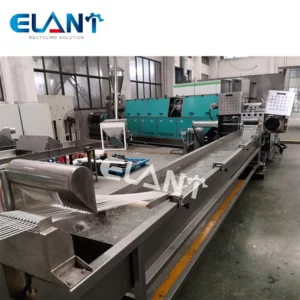
The stability of plastic recycling machinery is paramount in ensuring efficient and high-quality output, particularly in operations sensitive to contamination. This article delves into the engineering factors that influence this stability, offering insights into optimizing machinery performance for superior recycled plastic products, including the use of advanced extruders.
Understanding Plastic Recycling
Types of Plastic and Their Properties
Plastic, a ubiquitous material in modern society, comes in various types, including pet bottles and films, each possessing unique properties that dictate its suitability for recycling solutions.
| Plastic Type, such as pet bottles, plays a significant role in the recycling process. | Common uses of recycled materials include the production of new plastic bottles and other products from waste plastic recycling, highlighting the importance of efficient recycling processes. |
|---|---|
| High-density polyethylene (HDPE) | Bottles and packaging made from virgin plastic are often recycled into new products through modern plastic recycling methods. |
| Polyethylene terephthalate (PET) is a common type of plastic used in making plastic bottles, which are often recycled through film recycling processes. | Bottles and packaging |
The specific type of plastic, whether rigid plastic like HDPE bottles or flexible plastic films, significantly influences the requirements for the plastic recycling machine and the overall recycling process, as different materials behave distinctly during shredding and granulating.
The Importance of Contamination Control in Recycling
Contamination control is absolutely critical in any plastics recycling operation, especially when dealing with used plastic and ensuring a viable recycling solution for plastic waste streams. Even minute amounts of contaminants can severely degrade the quality of the recycled plastic material, impacting its mechanical properties and limiting its potential for reuse in high-value applications. This necessitates robust washing lines and sophisticated sorting mechanisms within the recycling plant to ensure that the plastic waste is thoroughly cleaned before it proceeds to size reduction and further processing steps like extrusion. Effective contamination removal is key to producing a high-quality pellet.
Overview of Plastics Recycling Processes
The journey of plastic waste through a plastic recycling plant involves a series of interconnected steps, each crucial for efficient recycling and throughput. These steps include the collection and sorting of various plastic types, which is essential for efficient film recycling and overall recycling success, particularly in the context of converting plastic waste into valuable products.
- The collection and sorting of various plastic types are essential for efficient recycling applications.
- Size reduction, often involving a plastic shredder to break down bulky plastic items and a granulator to further process plastic waste into smaller pieces.
- Meticulously cleaning the plastic on a washing line, removing dirt and other contaminants, is crucial for ensuring the quality of the materials used in plastic recycling.
- Melting and extruding the cleaned material into pellets, which can then be used as a raw material for manufacturing new plastic products.
Types of Plastic Recycling Machines

Plastic Shredders: Functionality and Design
Plastic shredders are fundamental components in any plastic recycling plant, primarily responsible for the initial size reduction of bulky plastic waste streams used in plastic manufacturing. These industrial plastic shredding machines are designed to break down large, rigid plastic items, such as HDPE bottles, plastic pipes, or even entire bales of plastic films, into more manageable pieces. The design typically involves robust cutting blades and a powerful motor, ensuring efficient throughput and preparing the plastic material for subsequent stages of the recycling process, such as granulation and washing lines.
Granulators: Role in Plastic Recycling
Plastic granulators play a crucial role immediately following the shredding process in a plastics recycling operation, particularly in the processing of plastic waste streams. After the plastic shredder has reduced the plastic waste into larger fragments, the granulator further processes these pieces into uniform, smaller granules, sometimes referred to as flakes, which are essential for film recycling. This size reduction is essential for efficient washing, drying, and ultimately, the extrusion process, where the plastic material is melted and formed into high-quality pellets used as raw materials. The precision of the granulator directly impacts the quality of the final pellet, which is crucial for producing high-grade molten plastic suitable for various recycling applications.This equipment is commonly used in plastic recycling, making it a critical piece of modern plastic recycling technology.
Fully Automatic Plastic Recycling Machines
Fully automatic plastic recycling machines represent the pinnacle of modern recycling technology, integrating multiple stages of the plastic recycling process into a single, streamlined system that serves as a comprehensive recycling solution. These advanced machines can handle everything from the initial feeding of plastic waste, through shredding and granulation, to washing, drying, and even pelletizing, all with minimal human intervention. Such complete recycling lines are designed to maximize efficiency and throughput, producing high-quality recycled plastic products with optimal contamination control, thereby making the reuse of plastic easier and more sustainable.
Engineering Factors Influencing Machinery Stability
Material Selection for Plastic Recycling Equipment
The choice of materials for constructing plastic recycling equipment, particularly components exposed to constant wear and tear, is paramount for machinery stability and longevity. High-grade, wear-resistant steels are commonly used for the blades of shredders and granulators, ensuring they can effectively process various types of plastic without frequent replacement. Furthermore, corrosion-resistant materials are essential for washing lines in plastic washing operations to withstand exposure to water and cleaning agents commonly used in plastic recycling. Proper material selection contributes significantly to the overall stability and reliability of the entire recycling system, particularly when dealing with used plastic., enhancing the throughput of the film recycling lines in the recycling plant.
Design Considerations for Shredders and Granulators
The design of shredders and granulators is critical for their stability and efficiency within the plastic recycling machines used in the waste plastic recycling process. Factors such as blade configuration, rotor speed, and screen size in granulators directly influence the size of plastic pieces produced and the energy consumption, affecting the efficiency of the recycling solution. A well-engineered design minimizes vibration and wear, which are common issues in recycling machinery, especially when processing rigid plastic or dense bales of plastic film. Optimal design ensures consistent performance, reduces maintenance needs, and helps to maintain a high-quality pellet output, which is crucial for the extrusion process of molten plastic.
Impact of Shredding Techniques on Stability
Different plastic shredding techniques significantly impact the stability and operational efficiency of the plastic recycling machines used in the industry, influencing overall recycling success. For instance, single-shaft shredders and two-shaft shredders offer varying approaches to size reduction, each with implications for the machine’s stability. The method of shredding plastic can affect the uniformity of the output, the stress placed on the machine’s components, and the potential for jams, ultimately influencing the effectiveness of the recycling solution. An effective shredding technique, tailored to the specific type of plastic being processed, ensures smoother operation, reduces energy consumption, and prevents premature wear of the recycling equipment.
Challenges in Contamination-Sensitive Recycling Operations
Effect of Contaminants on Machinery Performance
Contaminants pose a significant threat to the stability and performance of plastic recycling machinery The role in the plastic recycling process is especially significant within a recycling plant, particularly in contamination-sensitive recycling operations. Even small amounts of foreign materials, such as metals, glass, or non-plastic polymers, can lead to severe damage to critical components like the blades of a plastic shredder or the screens of a granulator. This not only causes operational downtime but also compromises the quality of the recycled plastic material, potentially rendering the resulting pellet unsuitable for its intended reuse as a raw material for new plastic products. The presence of these contaminants drastically reduces the throughput and efficiency of the entire plastic recycling process.
Maintenance Practices for Stability in Operations
To ensure the long-term stability and optimal performance of plastic recycling equipment, robust maintenance practices are indispensable, especially for the machines used in recycling operations. Implementing a preventative maintenance schedule for the entire recycling system significantly extends the lifespan of the plastic recycling machine and guarantees a steady supply of high-quality recycled plastic material. Key aspects of this maintenance include:
- Regular inspection and replacement of worn-out parts, such as shredder blades or granulator knives, is essential to prevent unexpected breakdowns and maintain consistent size reduction of used plastic waste.
- Effective cleaning of the washing line and other components to proactively remove contaminants that might accumulate and hinder the recycling process is vital for maintaining the efficiency of plastic washing operations.
Case Studies on Machinery Failures Due to Contamination
Numerous case studies highlight the detrimental impact of contamination on recycling machinery, underscoring the importance of stringent contamination control in plastics recycling. For example, instances where hard metal contaminants bypassed sorting mechanisms and entered a plastic granulator have resulted in shattered screens and damaged rotors, leading to extensive repair costs and prolonged operational pauses. Similarly, the processing of contaminated plastic films or bulky plastic items with embedded foreign objects has often led to the jamming of plastic shredding machines, causing motor overloads and subsequent machinery failures. These examples emphasize that effective contamination removal is paramount for the stability and economic viability of any plastic waste recycling operations., particularly those involving difficult to recycle plastic types like HDPE bottles or other rigid plastic.
Future Trends in Plastic Recycling Machinery
Innovations in Recycling Equipment Design
The future of plastic recycling machinery is characterized by continuous innovation aimed at enhancing efficiency, reducing energy consumption, and improving the quality of the recycled plastic material. Next-generation recycling equipment designs are focusing on modularity, allowing for easier upgrades and maintenance, as well as greater adaptability to the various types of plastic waste processed by plastic recycling machines used in the industry. Advanced sensor technologies are being integrated into plastic shredders, granulators, and washing lines to detect and remove contaminants with unprecedented precision, enhancing the efficiency of waste recycling processes., thus ensuring a higher quality pellet. These innovations are paving the way for more robust and versatile plastic recycling machines capable of handling diverse plastic types, from rigid plastic to plastic films, with greater ease and effectiveness.
Sustainability Considerations in Plastic Recycling
Sustainability is at the forefront of future developments in plastics recycling, driving the design and operation of new recycling lines and recycling equipment. There is a strong emphasis on reducing the environmental footprint of the entire plastic recycling process, from minimizing energy consumption in the shredding and granulation stages to optimizing water usage in the washing line. Furthermore, innovations are focused on improving the quality and purity of the recycled plastic pellet to enable its reuse in higher-value applications, thereby reducing the demand for new plastic as a raw material. The goal is to create a truly circular economy where plastic waste is efficiently transformed into reusable plastic products, making the process more environmentally friendly and economically viable.
Potential for Advanced Automation in Recycling Operations
The potential for advanced automation in recycling operations is set to revolutionize the plastic recycling industry, leading to significant improvements in efficiency, safety, and product quality. Fully automatic plastic recycling machines, equipped with artificial intelligence and machine learning capabilities, will be able to autonomously sort different plastic types, optimize shredder and granulator settings for various plastic materials, and even predict maintenance needs. This advanced automation will not only minimize human intervention and reduce labor costs but also enhance the precision of contamination removal, ensuring a consistently high-quality pellet for the extrusion of molten plastic. Such complete recycling lines will drive the industry towards unprecedented levels of throughput and reliability, making the recycling of plastic more streamlined and effective.