- +86-18606286868 | +86-512-58138883
- sales@elantmachine.com

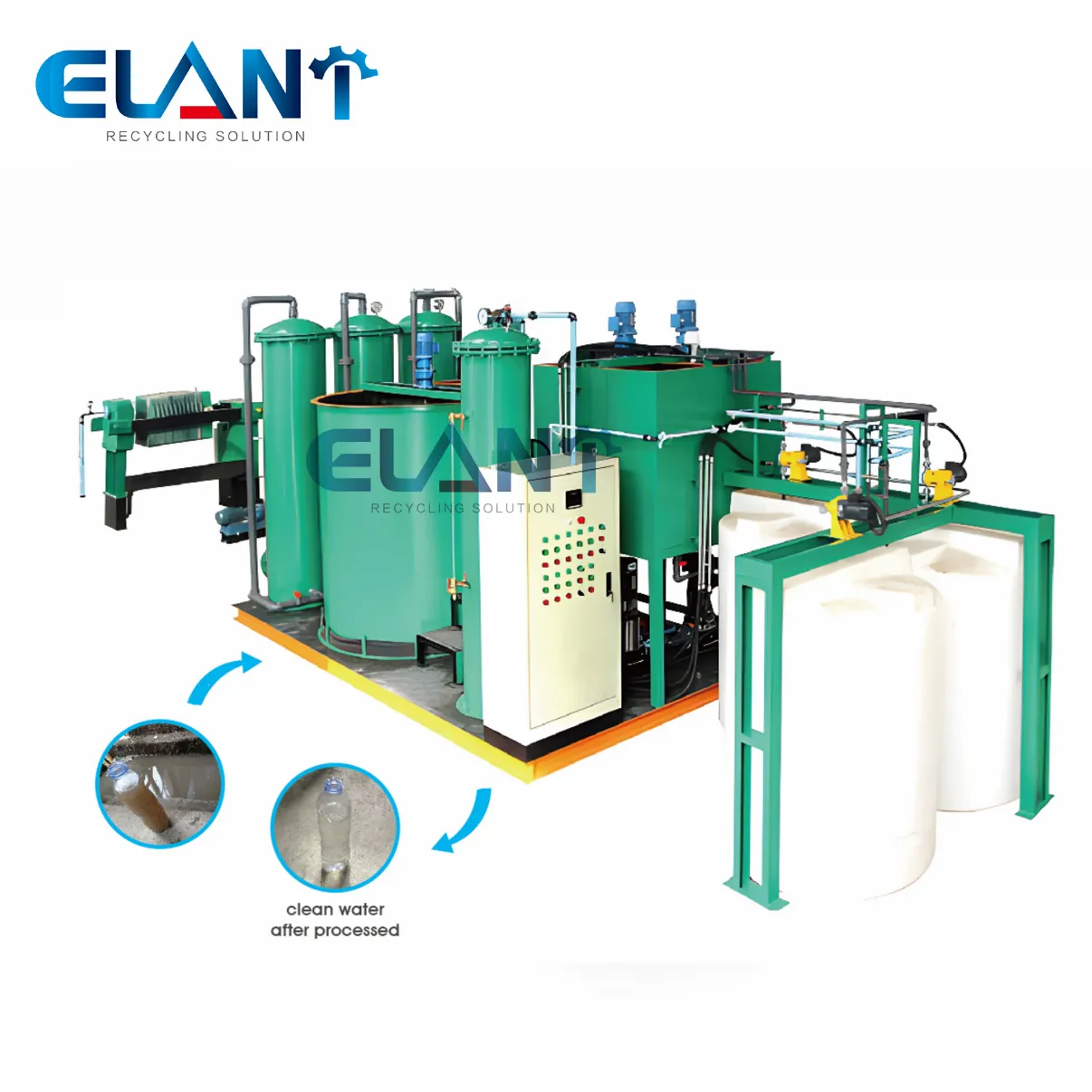
A Waste Water Treatment System treats industrial or domestic wastewater to remove pollutants before safe discharge or reuse. It typically combines physical, chemical, and biological processes—such as screening, sedimentation, aeration, and disinfection—to reduce organic load, suspended solids, nutrients, and pathogens. Designed to meet environmental regulations, these systems help conserve water resources, protect ecosystems, and support sustainable operations in municipalities, factories, and commercial facilities.
A Water Treatment System is a comprehensive setup designed to remove contaminants, impurities, and harmful substances from raw water—whether from municipal supplies, industrial processes, or natural sources—to produce water suitable for specific uses such as drinking, manufacturing, or environmental discharge. It typically integrates multiple stages including filtration, sedimentation, disinfection (e.g., UV or chlorine), reverse osmosis, and/or biological treatment, depending on the application. Widely used in industries like food & beverage, pharmaceuticals, power generation, and municipal utilities, modern systems emphasize automation, energy efficiency, and compliance with environmental and health standards.
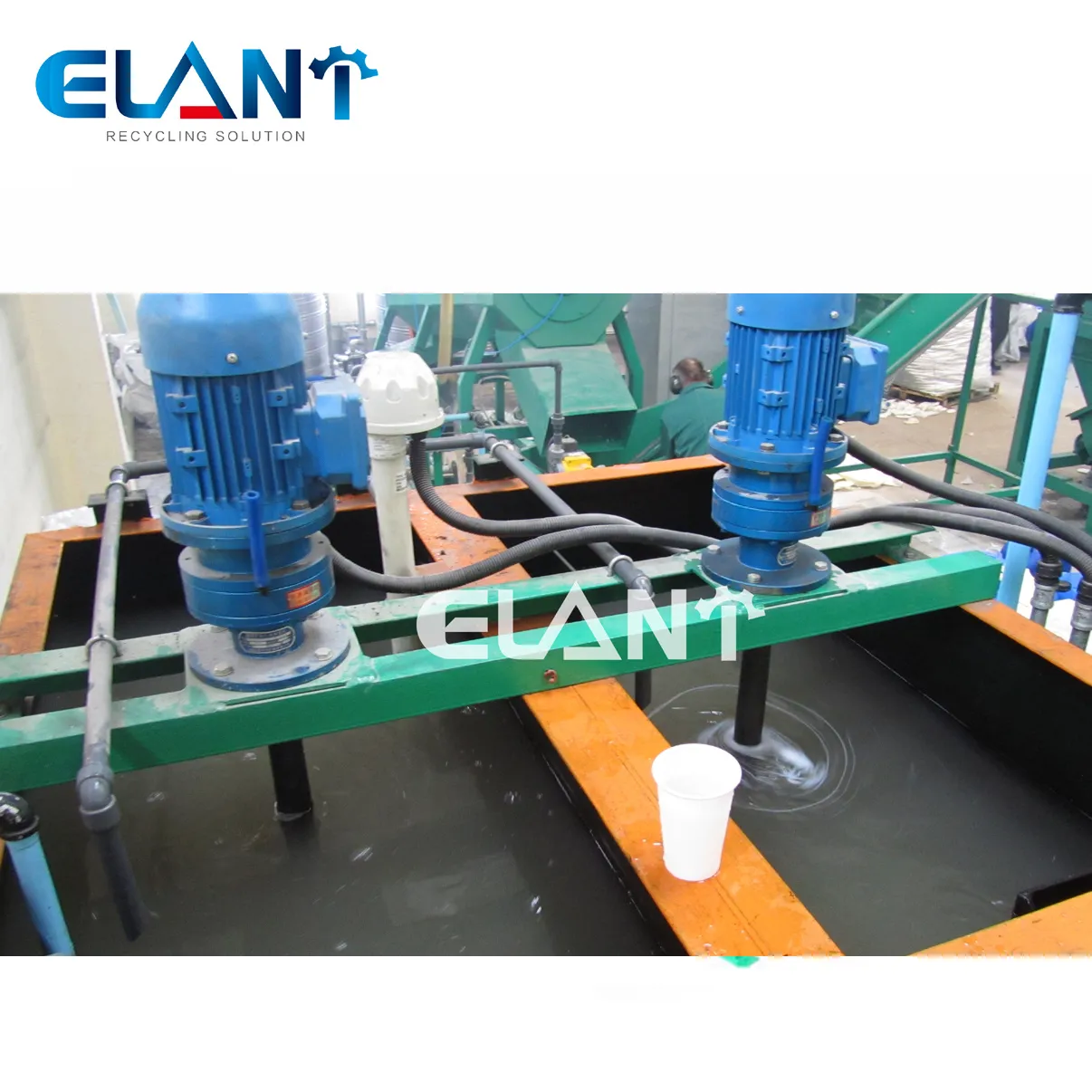
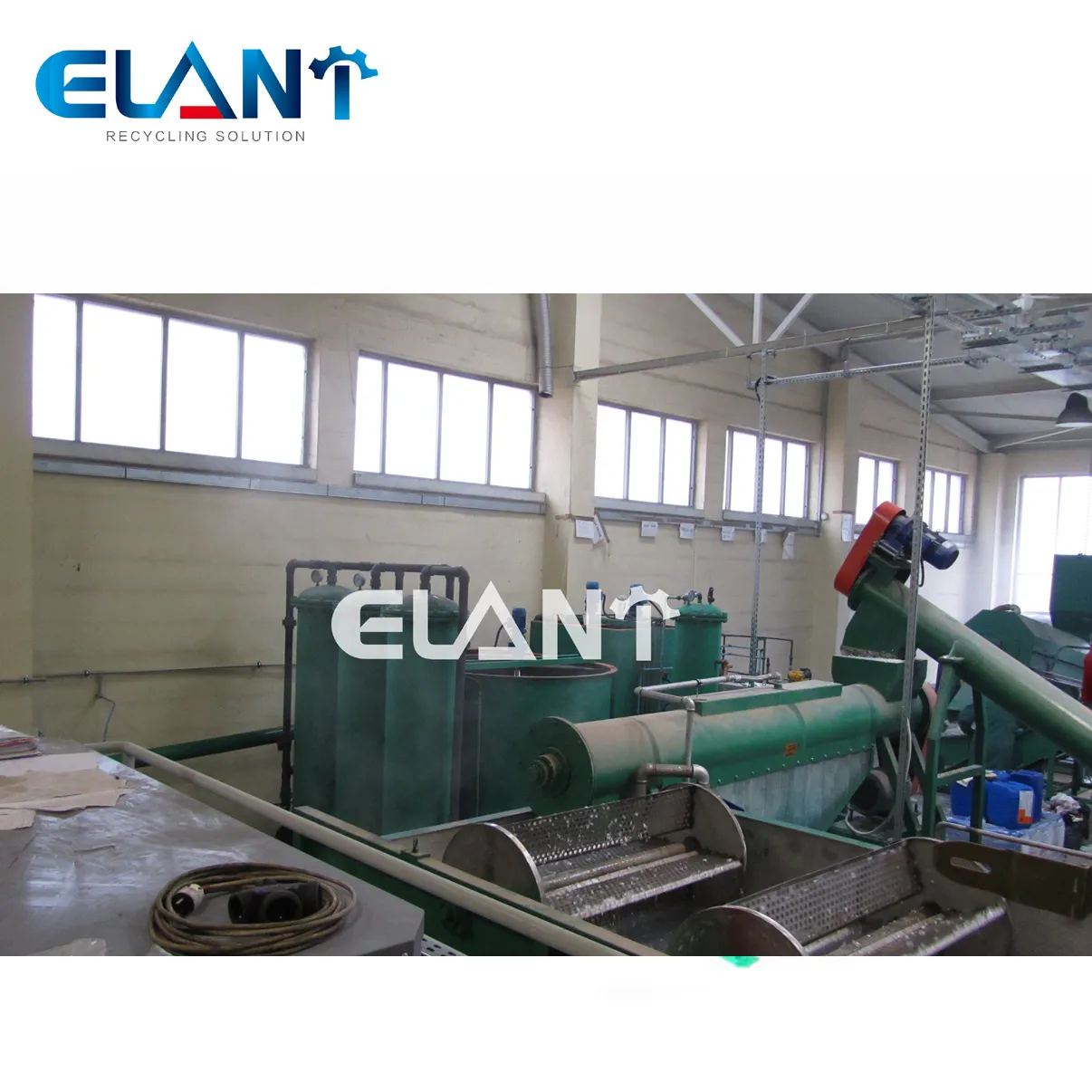
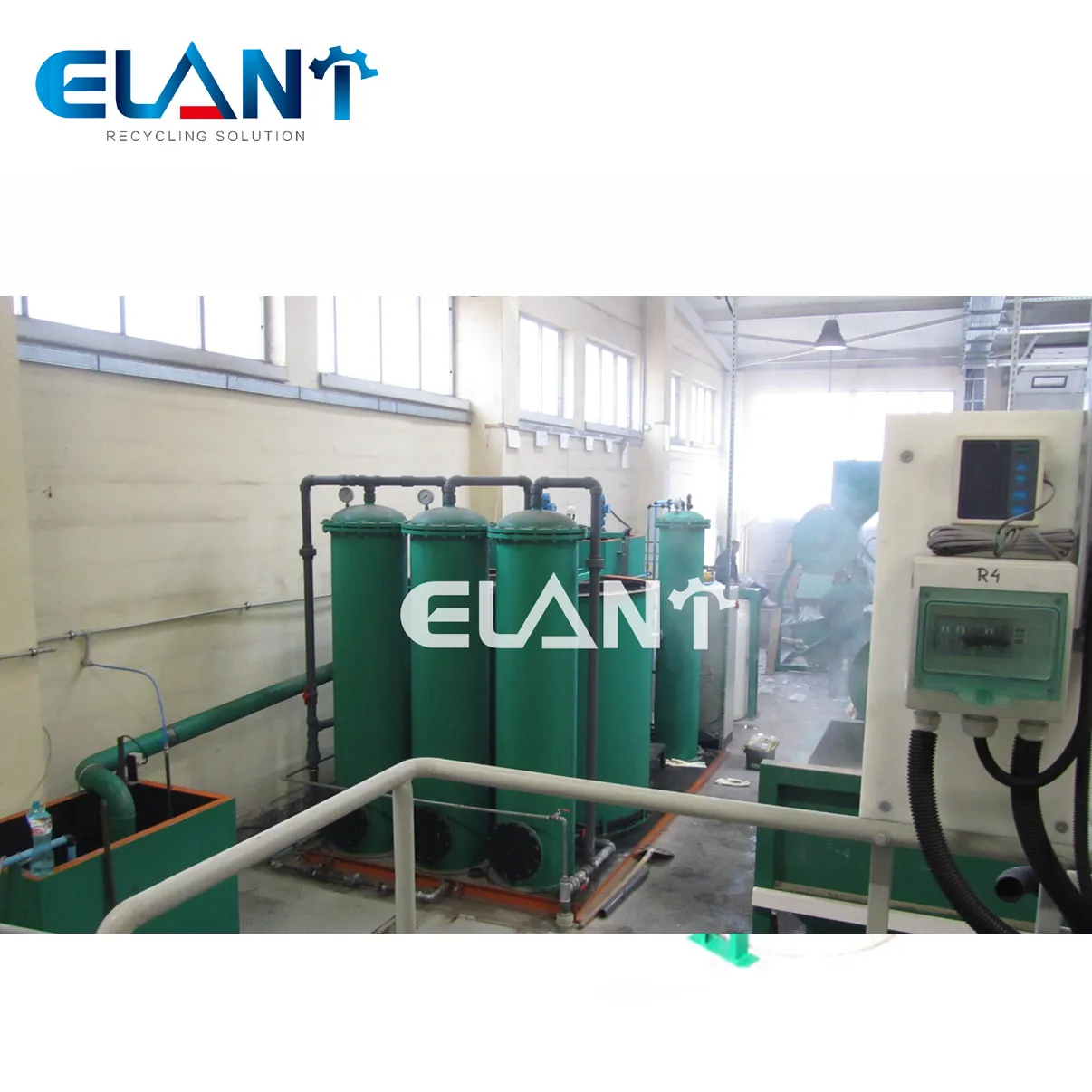
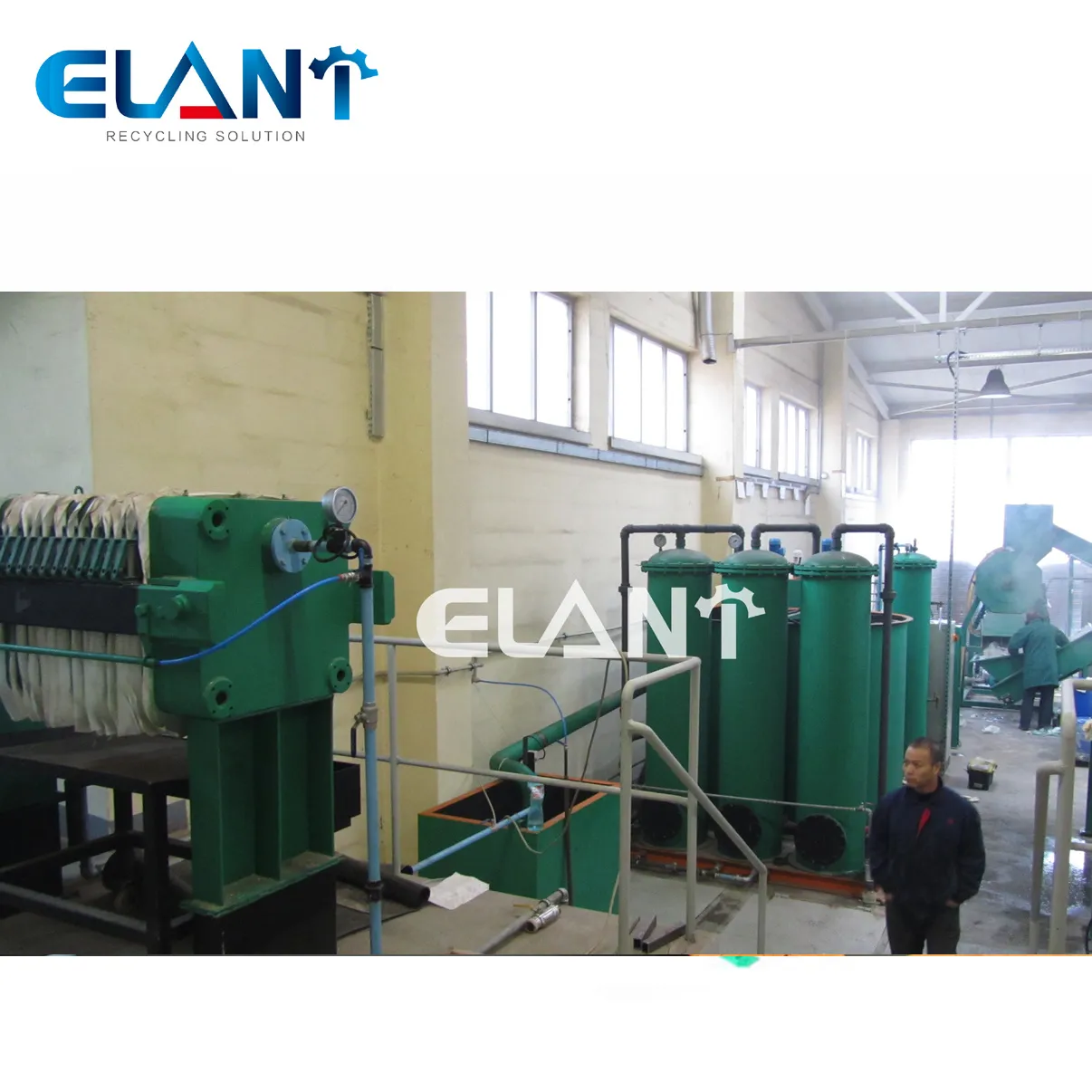
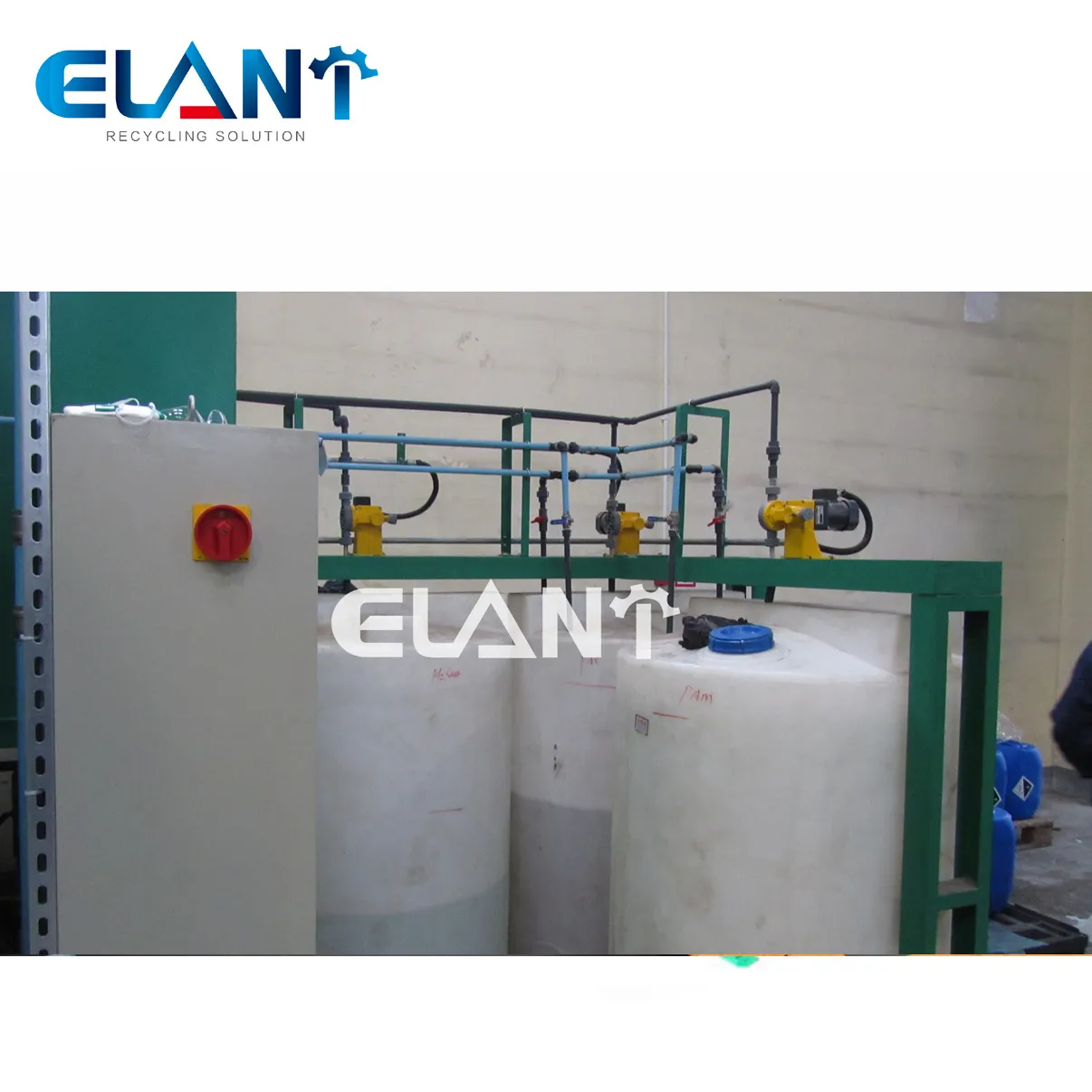
| Model Series | Daily Treatment Capacity | Key Features | Target Application |
|---|---|---|---|
| Compact Integrated System | 5–50 m³/d | Small footprint, automatic operation, plug-and-play | Small-scale plastic recycling workshops |
| Standard Industrial System | 50–500 m³/d | Multi-stage treatment, stable performance, low energy consumption | Medium-sized plastic washing/pelletizing lines |
| Large-Scale Centralized System | 500–5000 m³/d | High-efficiency biological reactor, remote monitoring, high recycling rate | Large plastic industrial parks, recycling centers |
| Water Reuse System | Customizable | RO membrane filtration, UV disinfection, closed-loop water circulation | Water-scarce areas, enterprises pursuing zero discharge |
Final effluent COD ≤50 mg/L, SS ≤10 mg/L; meets national discharge standards.
60–80% reuse rate; cuts tap water costs by 70%
PLC automatic control; real-time water quality monitoring; auto-dosing & backwashing.
Energy-saving pumps/aerators; sludge reduction design; 20% lower cost than traditional systems.
Stainless steel/FRP components; 15+ years service life; low maintenance frequency.
Modular structure; adjustable for different wastewater quality and treatment scale.
| Sub-module Name | Core Composition | Core Functions |
|---|---|---|
| Collection & Screening Module | Grille, collection tank, lift pump | Removes large plastic debris; collects and lifts wastewater |
| Coagulation & Flocculation Module | Mixing tank, chemical dosing system, flocculation tank | Aggregates micro-particles/oil into large flocs for separation |
| Sedimentation & Oil Separation Module | Sedimentation tank, sludge scraper, oil separator | Separates flocs and oil; collects sludge for dewatering |
| Biological Treatment Module | Aerobic reactor, MBR membrane unit, aerator | Degrades organic pollutants (COD/BOD) via microbial action |
| Filtration & Disinfection Module | Sand filter, activated carbon filter, UV sterilizer | Removes fine impurities; disinfects to meet reuse/discharge standards |
| Sludge Treatment Module | Sludge dewatering machine, sludge storage tank | Reduces sludge volume by 80%; facilitates safe disposal |
| Control Module | PLC cabinet, touch screen, online water quality sensor | Automates system operation; monitors key parameters in real time |
| Technical Indicator | Specification | Description |
|---|---|---|
| Daily Treatment Capacity | 5–5000 m³/d | Customizable based on enterprise demand |
| Inlet COD Concentration | 500–3000 mg/L | Typical plastic industry wastewater index |
| Outlet COD Concentration | ≤50 mg/L | Meets national industrial wastewater discharge standard |
| SS Removal Rate | ≥95% | Inlet SS ≤500 mg/L; outlet SS ≤10 mg/L |
| Oil Removal Rate | ≥98% | Effective for both free oil and emulsified oil |
| Water Recycling Rate | 60–80% | For systems equipped with RO membrane |
| Power Consumption | 0.8–1.2 kWh/m³ | Energy-efficient design for low operating cost |
| Power Supply | 380 V/3 Ph/50 Hz | Customizable to 415 V/60 Hz for export markets |
| Certifications | CE, ISO 9001, SGS | Complies with international environmental and safety standards |
Meets discharge standards; avoids environmental penalties.
High reuse rate; reduces tap water consumption by 60–80%.
Automatic operation reduces labor; low energy/chemical consumption.
Sludge reduction design; lowers treatment fees by 30%.
Modular structure; easy to scale up with production growth.
1-year warranty; 24h technical service; on-site installation/training.
Based on daily wastewater volume and inlet water quality; free water testing and program design are available.
Weekly pump/filter inspection; monthly membrane cleaning; annual system overhaul.
Yes; optional desalination module can be added for customized treatment.
Yes; optional heating system ensures stable operation in cold regions.