- +86-18606286868 | +86-512-58138883
- sales@elantmachine.com

This document is structured as modular technical content for industrial plastic processing equipment, focusing on PET-specific crystallization and dehumidification drying solutions, with core data and parameters optimized for PET recycling and extrusion applications.
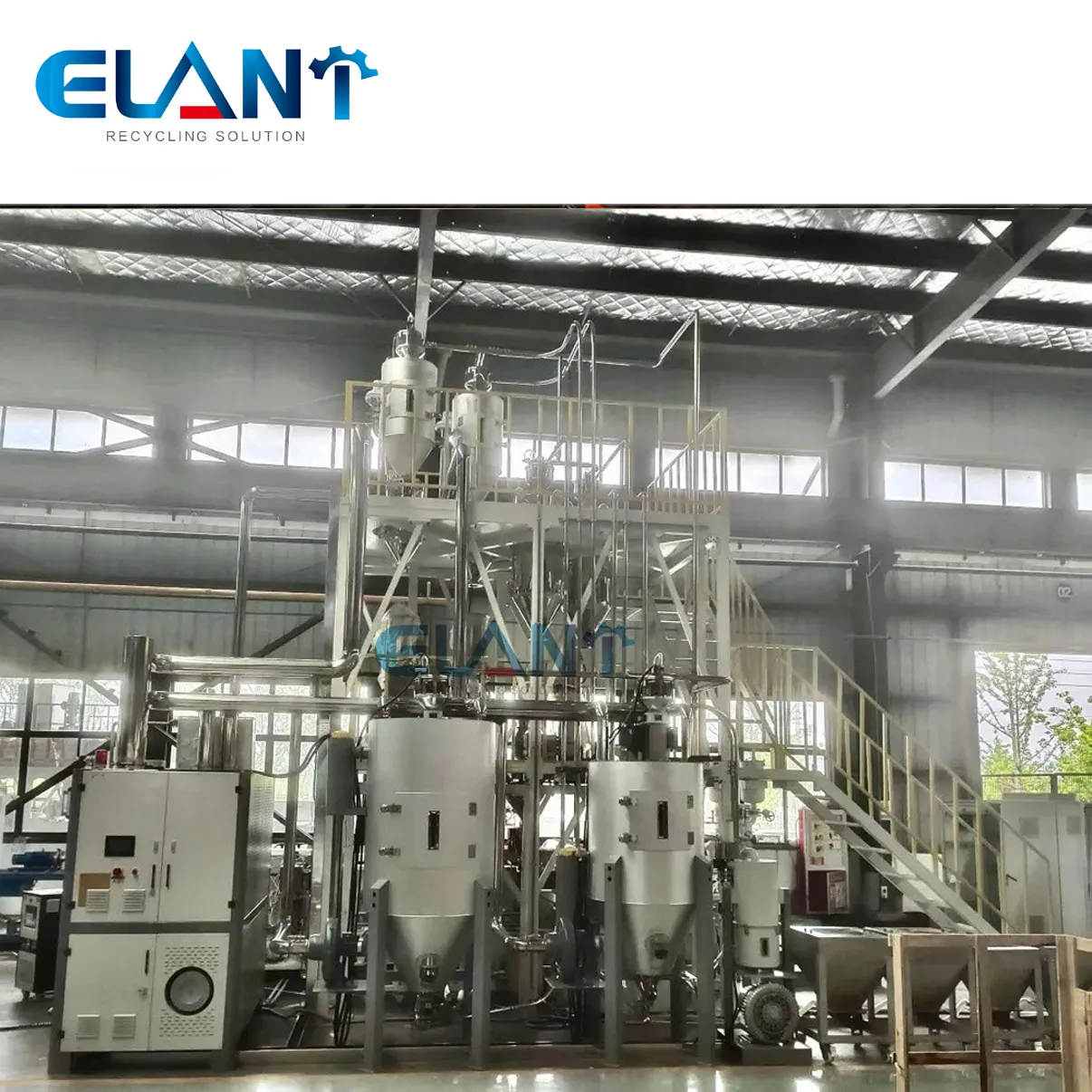
PET dryer for thorough, efficient pellet drying.
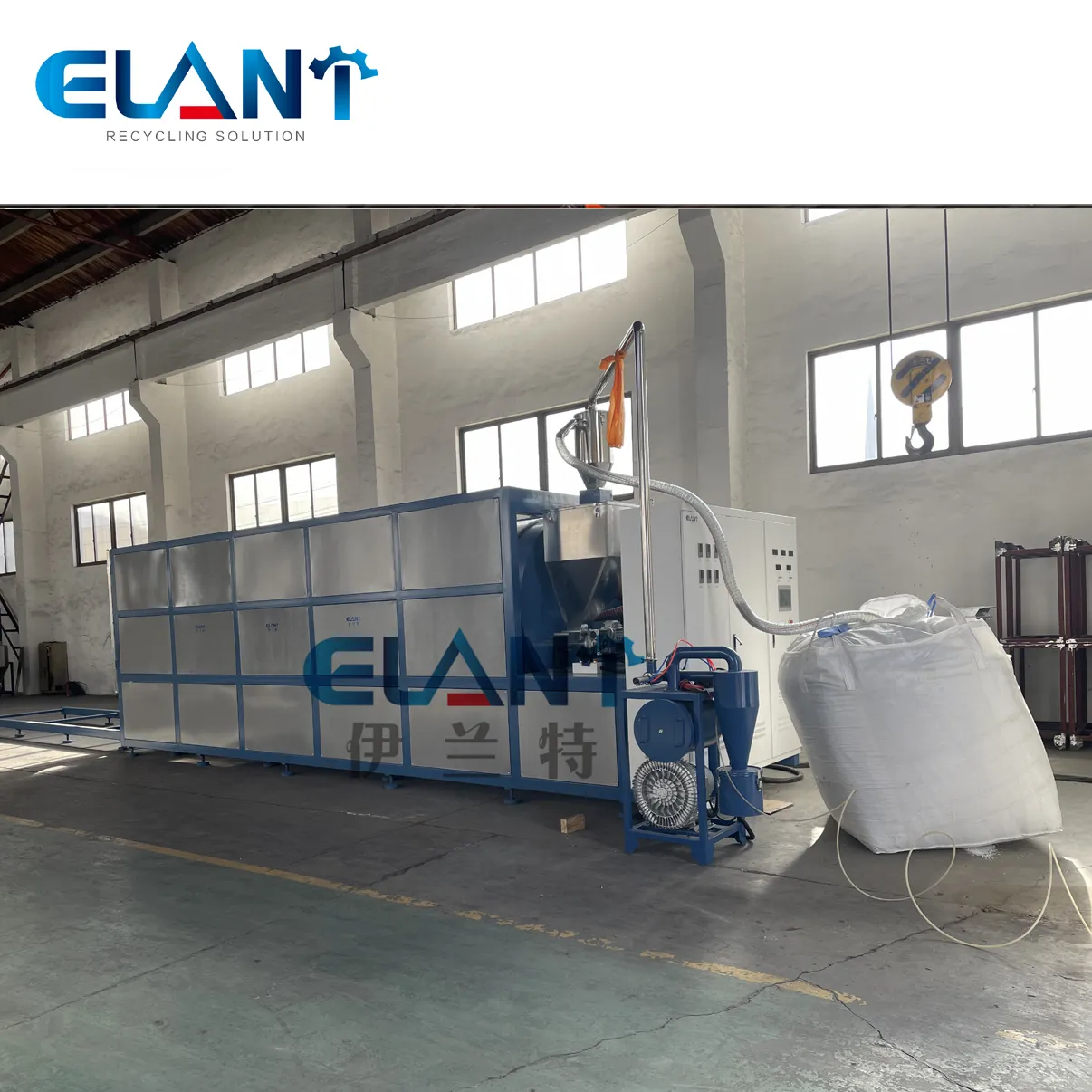
PET crystallizer for pre-processing before drying.
Industrial dehumidification dryer for efficient material drying.
The PET dryer is a specialized industrial drying system designed to remove moisture from PET (polyethylene terephthalate) resin pellets before extrusion or molding. Using dehumidified hot air and precise temperature control (typically 150–180°C), it ensures moisture levels drop below 50 ppm—critical for preventing hydrolysis and maintaining PET’s mechanical and optical properties during processing. Widely used in bottle, fiber, and sheet production lines, the PET dryer features energy-efficient designs, automated controls, and stainless-steel construction for reliable, contamination-free operation.
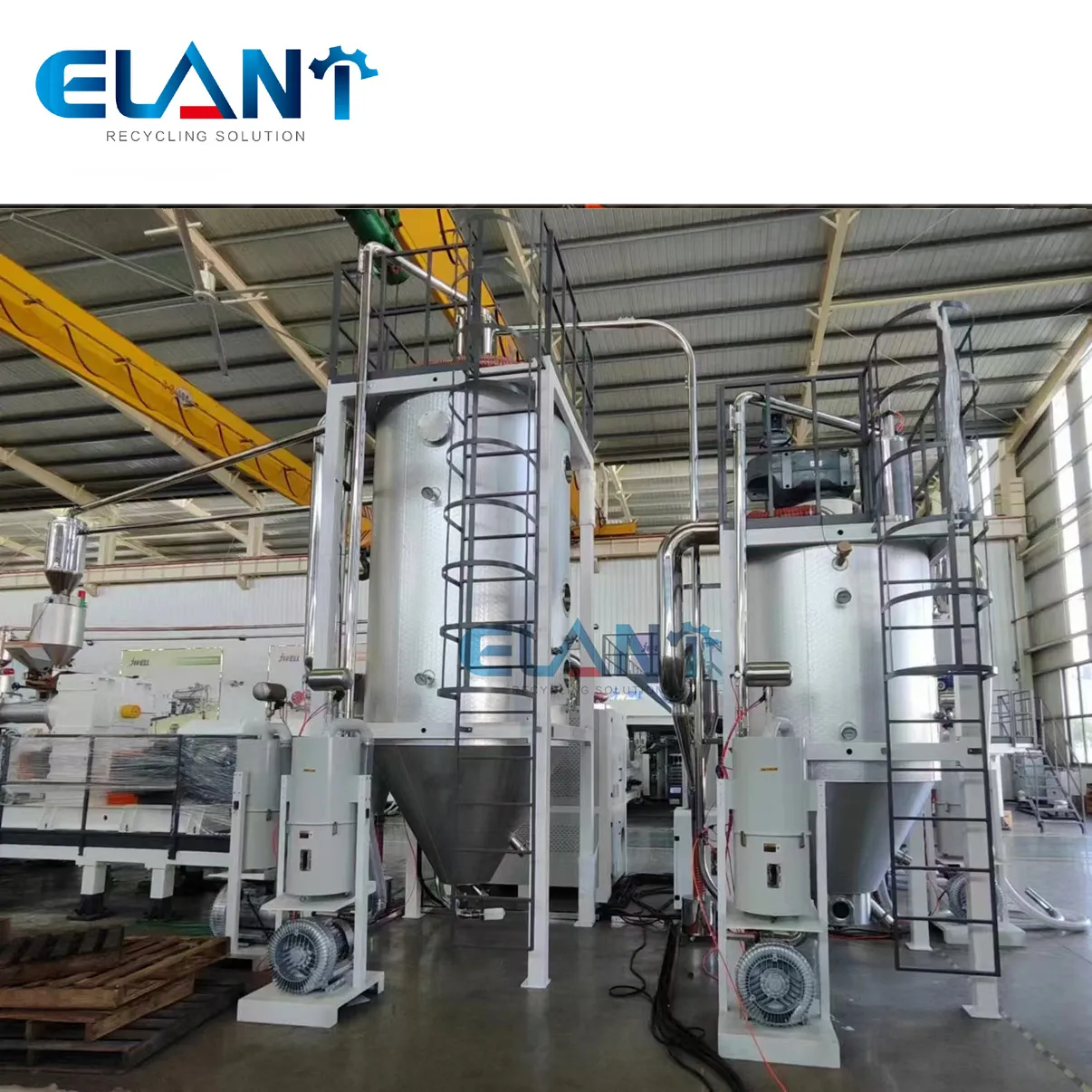
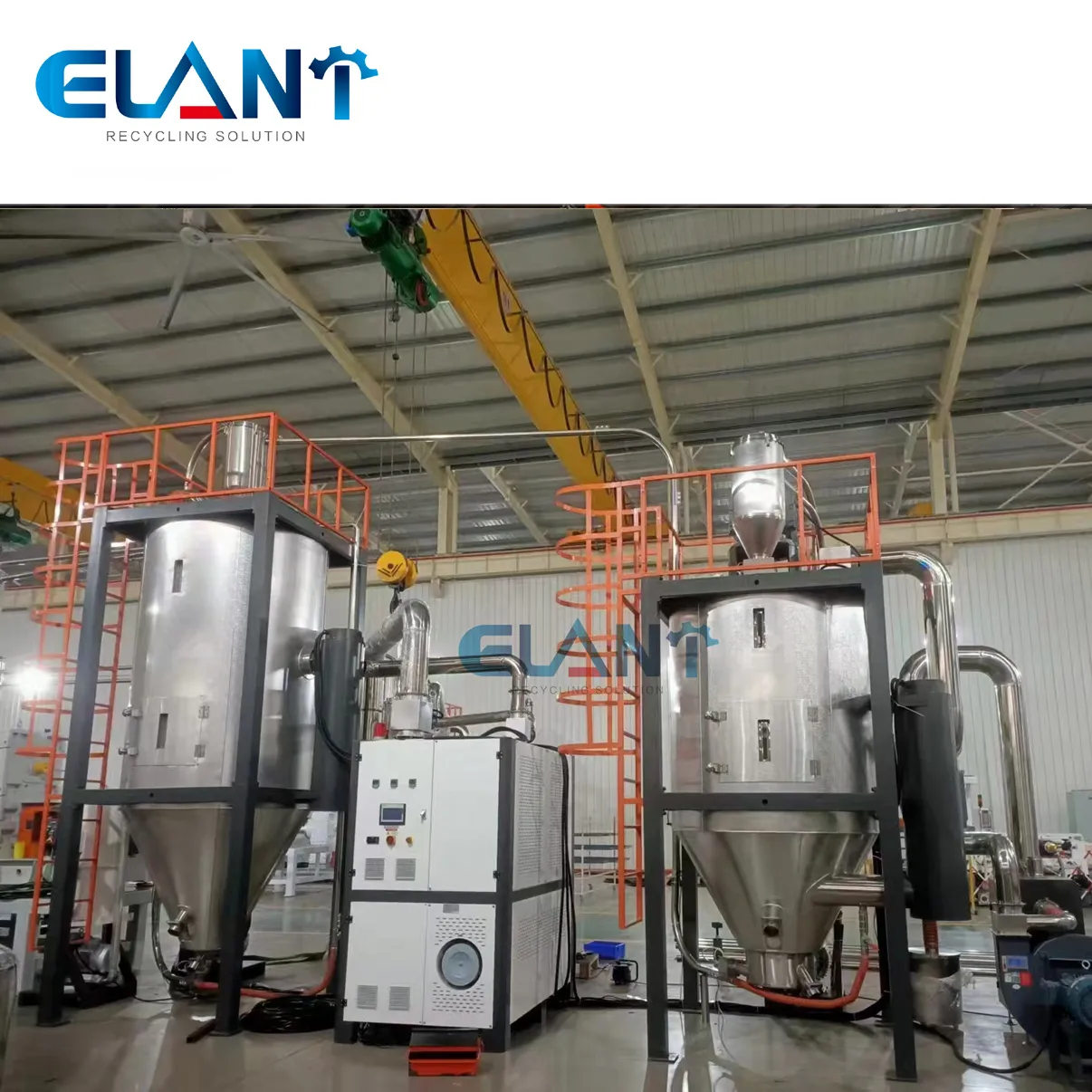
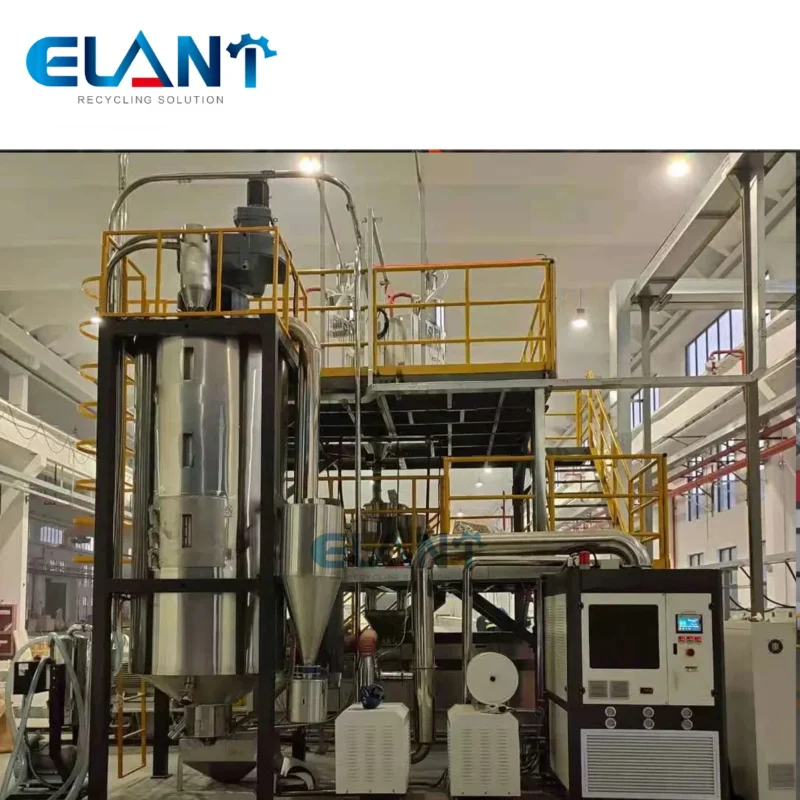
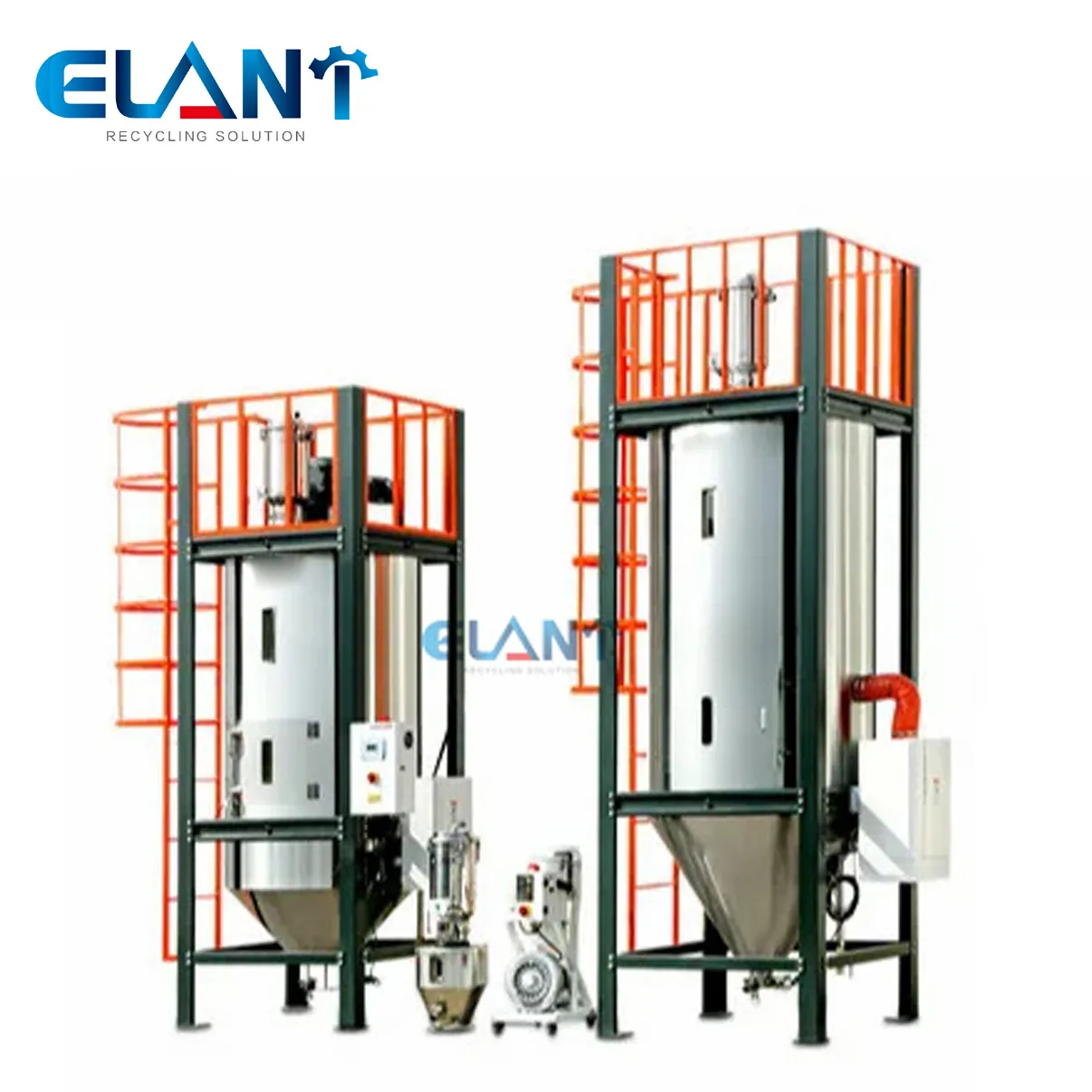
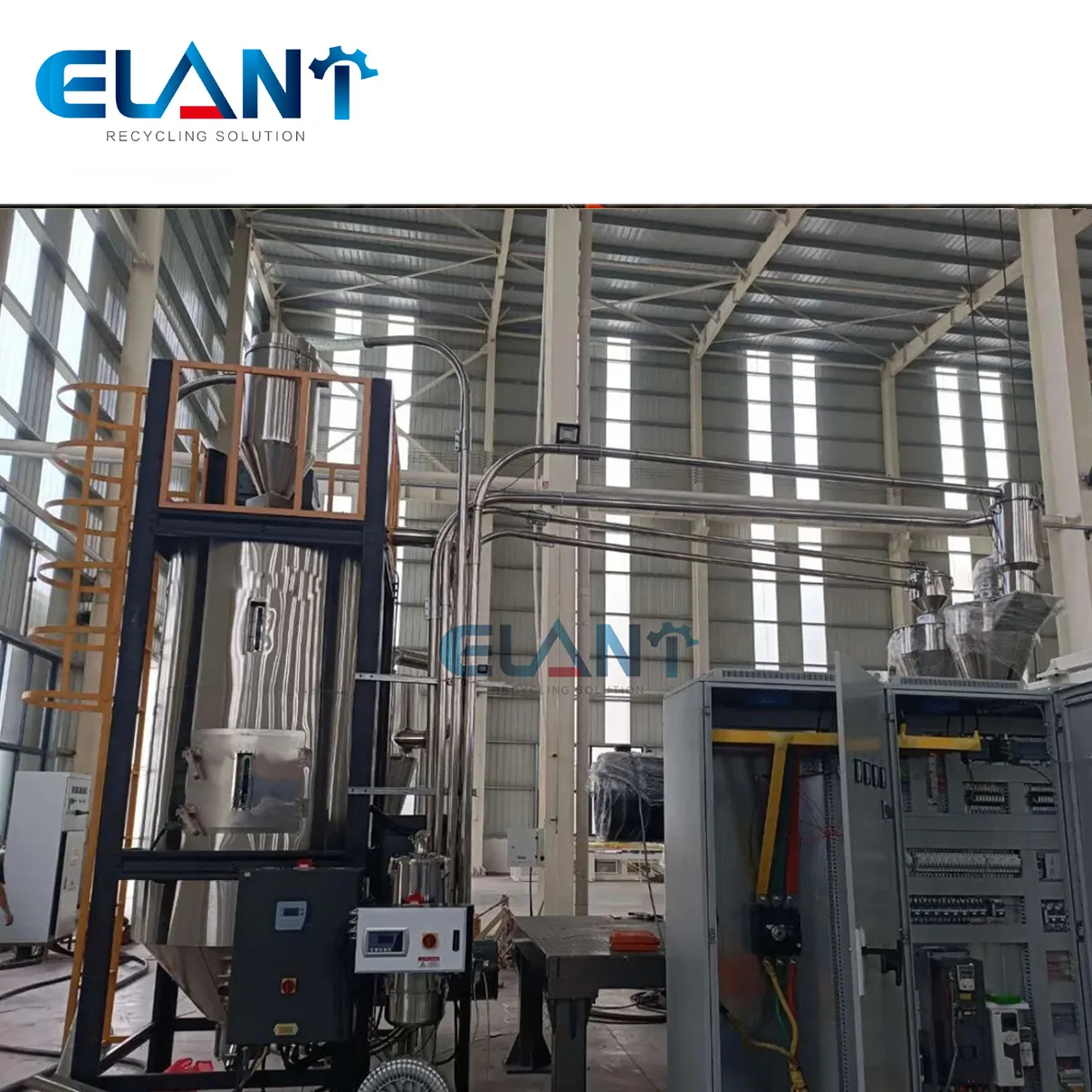
The PET crystallizer is a key pre-treatment unit used before drying amorphous PET flakes or pellets. It gently heats the material (typically to 150–170°C) while agitating it to induce crystallization, preventing particle sticking and clumping during subsequent high-temperature drying. This step is crucial for recycled or bottle-grade PET, which tends to be amorphous and softens easily. By increasing crystallinity and heat resistance, the crystallizer ensures smooth, efficient drying and maintains material integrity—essential for producing high-quality rPET in fiber, sheet, or bottle applications.
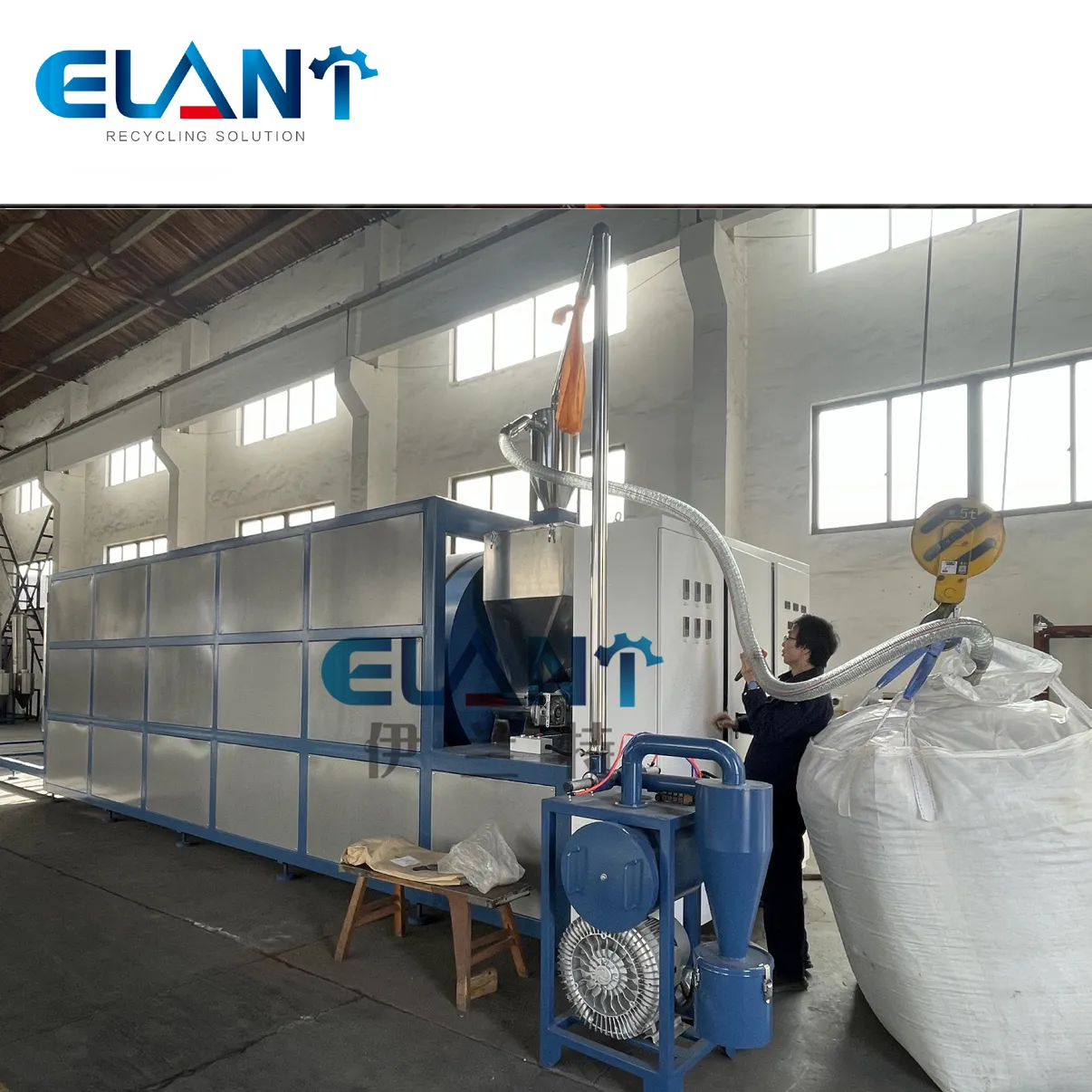
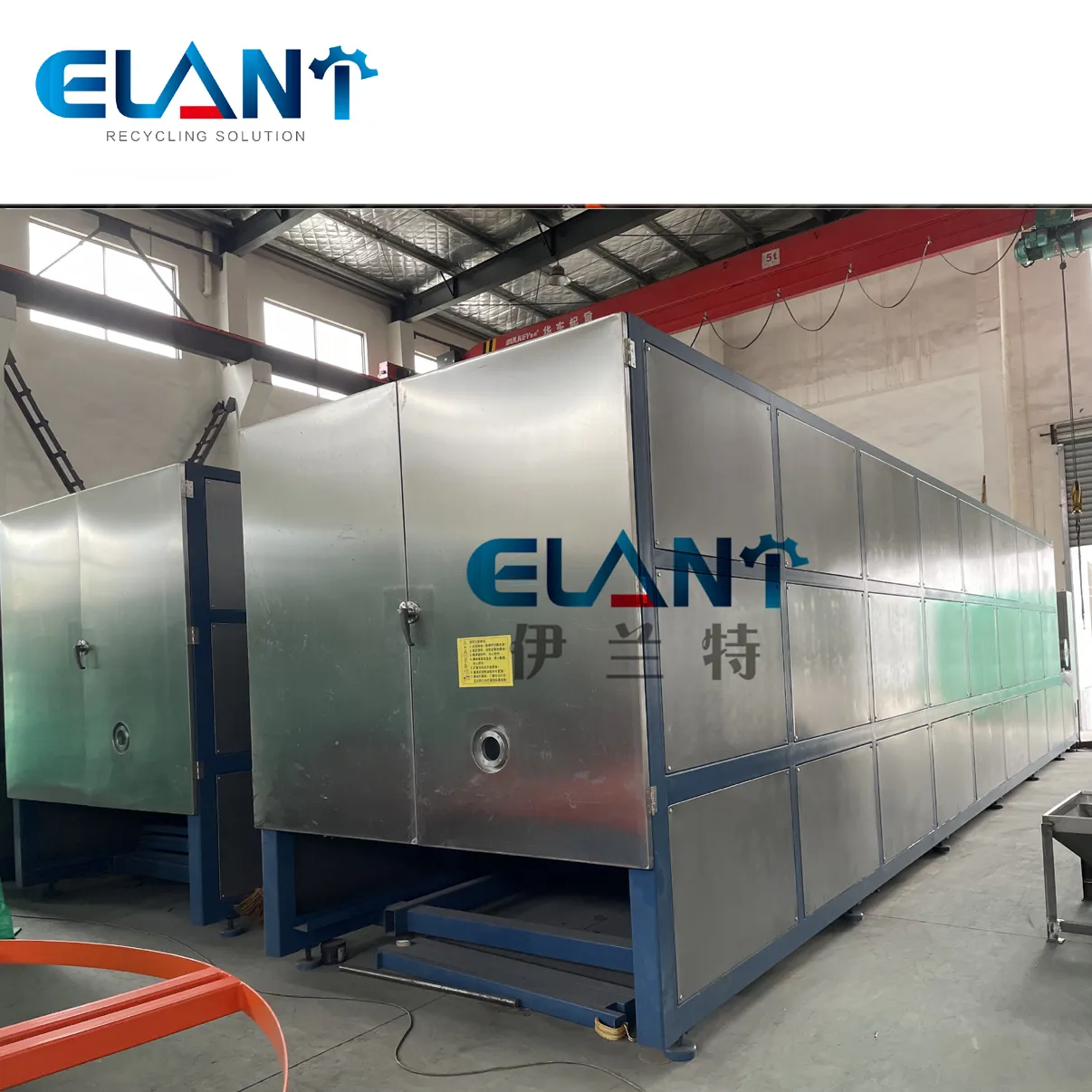
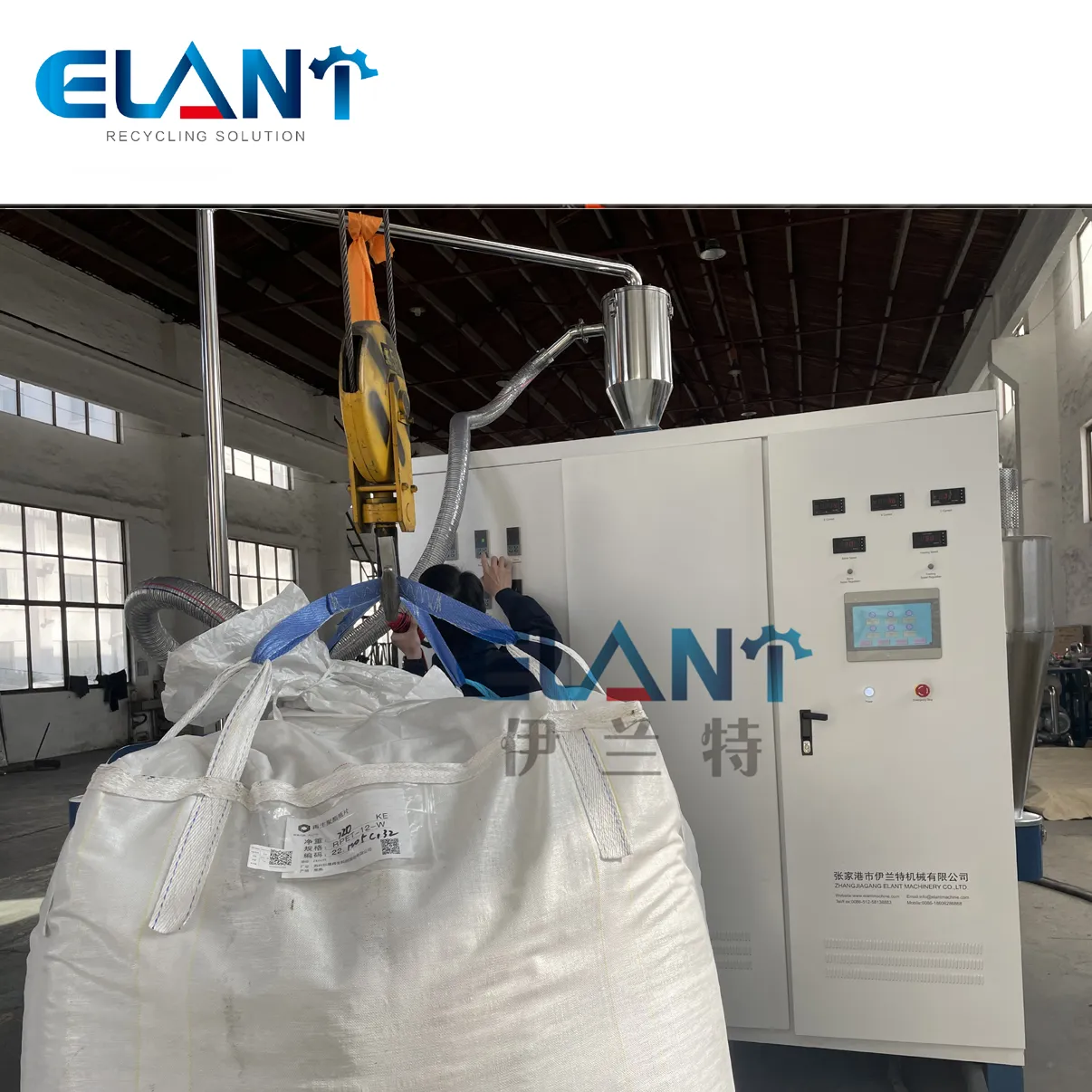
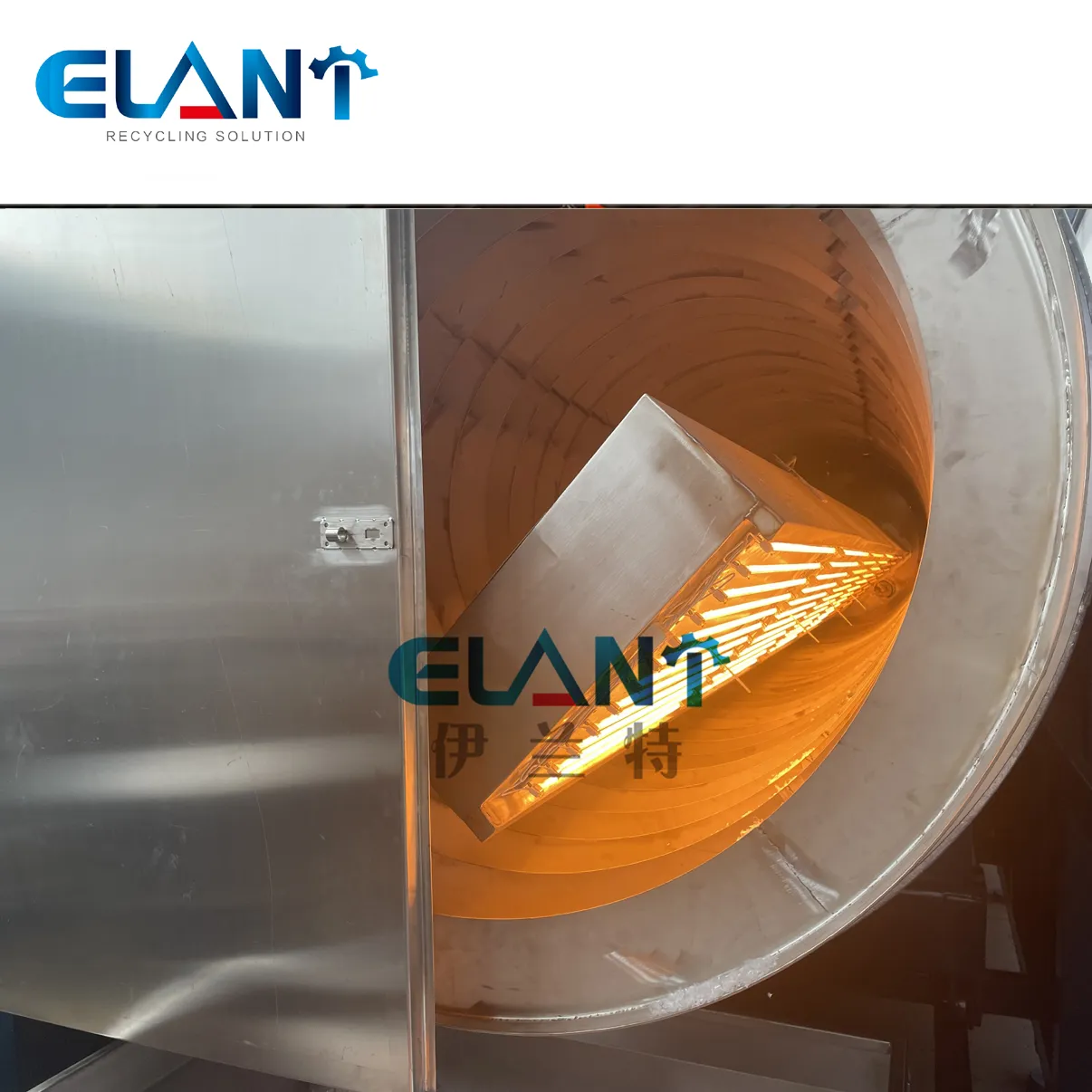
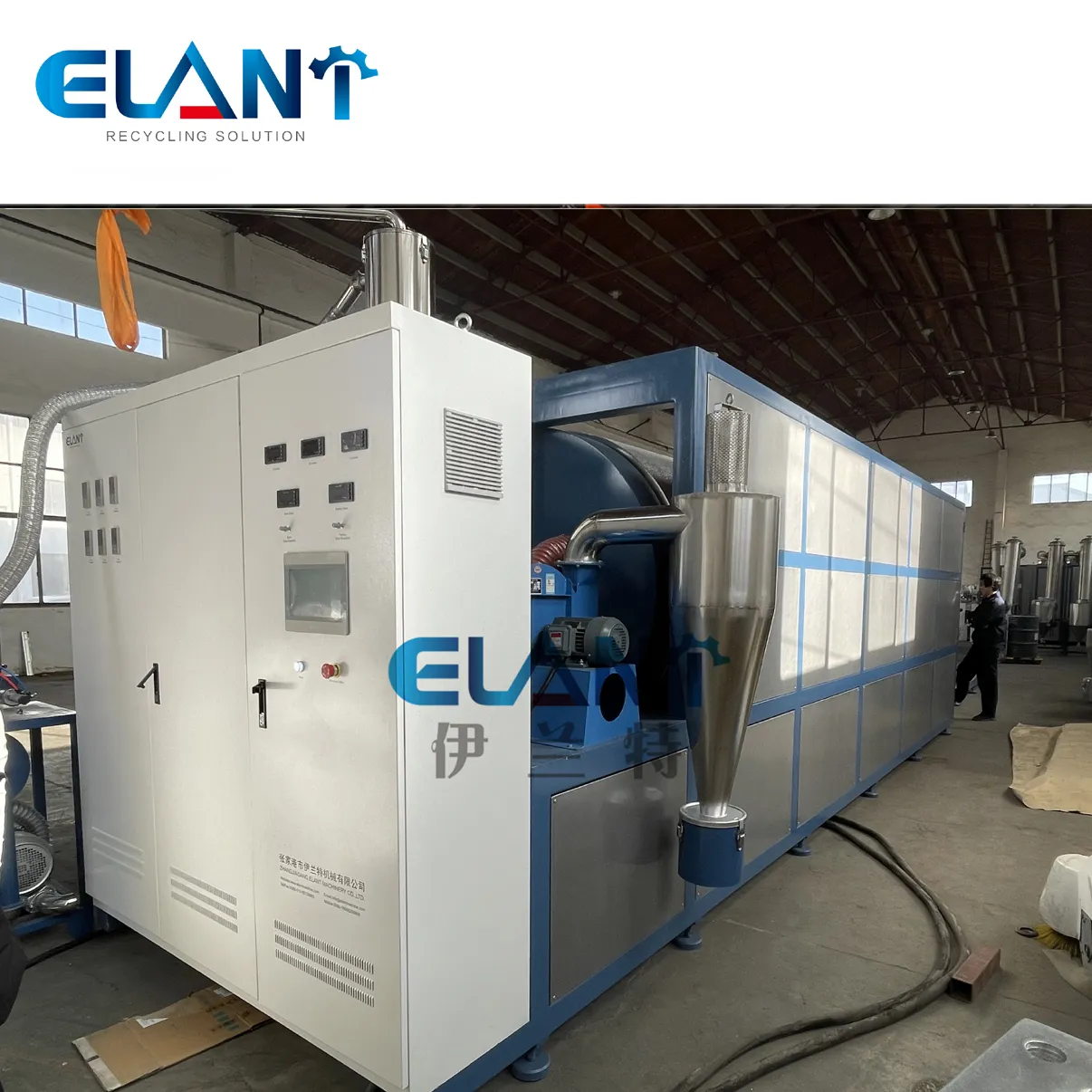
The industrial dehumidification dryer uses low-humidity, heated air—often generated via refrigeration or desiccant systems—to safely and efficiently dry hygroscopic materials like plastic resins (e.g., PET, PA, PC). By precisely controlling dew point and temperature, it reduces moisture to ppm-level requirements, preventing degradation during processing. Widely used in plastics, food, and pharmaceutical industries, it features energy-saving designs such as closed-loop air circulation, heat recovery, and automated controls for stable, continuous operation in demanding production environments.
| Model | Processing Capacity | Key Features | Target Application |
|---|---|---|---|
| Standard Integrated PET Crystallizer-Dryer | 200–1000 kg/h | Compact footprint, dual-stage heating, energy-efficient | Medium-scale PET recycling/pelletizing lines |
| High-Capacity Industrial Model | 1000–3000 kg/h | Multi-chamber design, PLC cascade control, heat recovery | Large PET bottle recycling centers, mass production blow molding plants |
| Laboratory/Small-Batch Model | 50–200 kg/h | Small footprint, precise temperature/moisture control, quick recipe switching | R&D labs, sample production, small-scale custom processing |
| Enhanced Model (High-Moisture PET Flakes) | 300–1500 kg/h | Pre-dewatering module, reinforced air circulation, higher dew point control | Dirty/wet PET bottle flakes with initial moisture >5% |
Features an optimized screw or roller design with strong compression force for thorough dewatering and effective impurity removal.
Screw and rollers made from high-hardness alloy steel ensure long service life and excellent resistance to abrasive plastic contaminants.
Equipped with a frequency-conversion motor that adjusts speed based on material load, reducing energy consumption by up to 15%.
Integrated material-level sensors and overload protection enable stable 24/7 continuous operation with minimal manual intervention.
Quick-disassembly squeezing chamber allows fast cleaning and component replacement, significantly minimizing downtime.
Engineered for demanding recycling environments—ideal for processing woven bags, agricultural films, and bulk soft plastics prior to pelletizing.
| Sub-module | Composition | Function |
|---|---|---|
| Feeding Module | Screw feeder, hopper with level sensor, anti-bridging device | Uniform, continuous feeding of PET flakes/pellets; prevents material blockage |
| Crystallization Module | Fluidized/vibrating bed, multi-zone heater, temperature sensors | Solid-state crystallization of amorphous PET; avoids melting; crystallinity control |
| Dehumidification & Air Treatment Module | Desiccant rotor, regenerative heater, dew point sensor, air filter | Produces dry air with dew point ≤-40°C; removes moisture from the drying air loop |
| Drying Module | Insulated drying chamber, hot air distribution system, moisture sensor | Removes bound moisture from crystallized PET to ≤50 ppm |
| Discharge Module | Closed-loop conveyor, material cooler, dry material hopper | Conveys dry PET to downstream equipment; cools to safe handling temperature |
| Control Module | PLC, HMI touch screen, safety interlocks, data logging system | Controls all process parameters; monitors and alarms; stores production data |
| Technical Indicator | Specification | Description |
|---|---|---|
| Processing Capacity | 50–3000 kg/h | Customizable based on production requirements |
| Crystallization Temperature | 120–135°C | Adjustable; prevents PET melting (PET Tg ~70°C, Tm ~250°C) |
| Drying Temperature | 160–170°C | Standard for PET; adjustable for special recipes |
| Dew Point of Drying Air | ≤-40°C | Critical for removing bound moisture (enhanced model ≤-50°C) |
| Final Moisture Content | ≤0.005% (50 ppm) | Meets PET extrusion/injection molding industry standards |
| Unit Energy Consumption | ≤0.8 kWh/kg | For integrated system with heat recovery (dry PET) |
| Overall Dimensions (Standard Model) | 4.0×2.0×3.0 m | Compact design; customizable for workshop layout |
| Power Supply | 380 V/3 Ph/50 Hz | Industrial standard; compatible with global power grids (customizable to 415 V/60 Hz) |
| Certifications | CE, ISO 9001, SGS | Compliance with international safety and quality standards |