- +86-18606286868 | +86-512-58138883
- sales@elantmachine.com

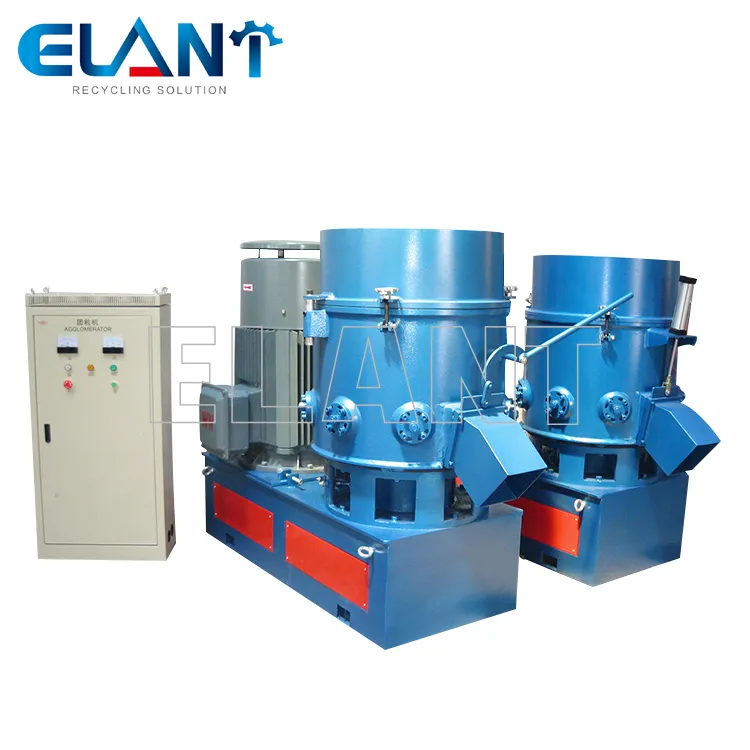
Agglomerator machine for soft PP/PE films—densifies lightweight waste into free-flowing granules for efficient recycling.
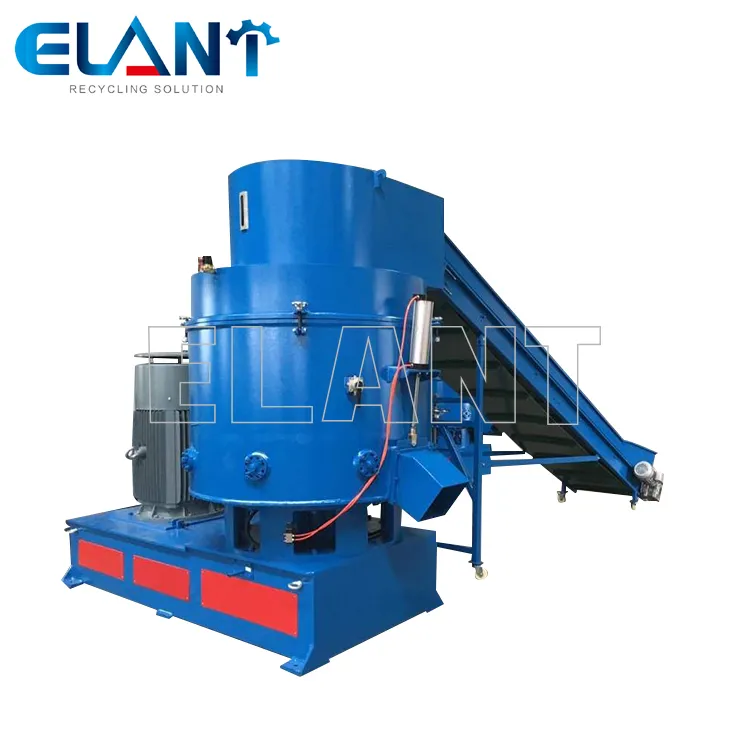
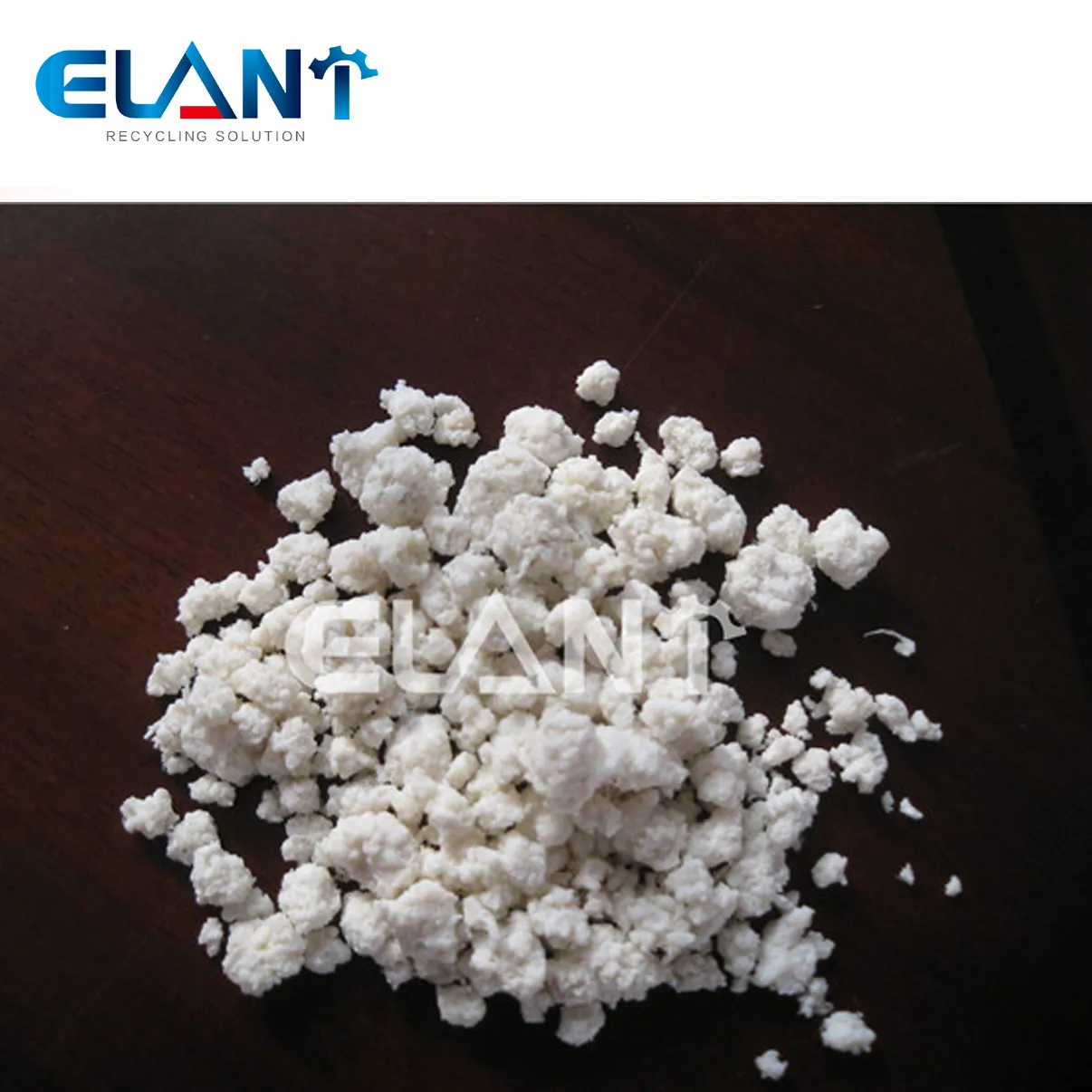
Densifier machine for plastic films compacts lightweight waste into dense, transportable pellets for recycling.
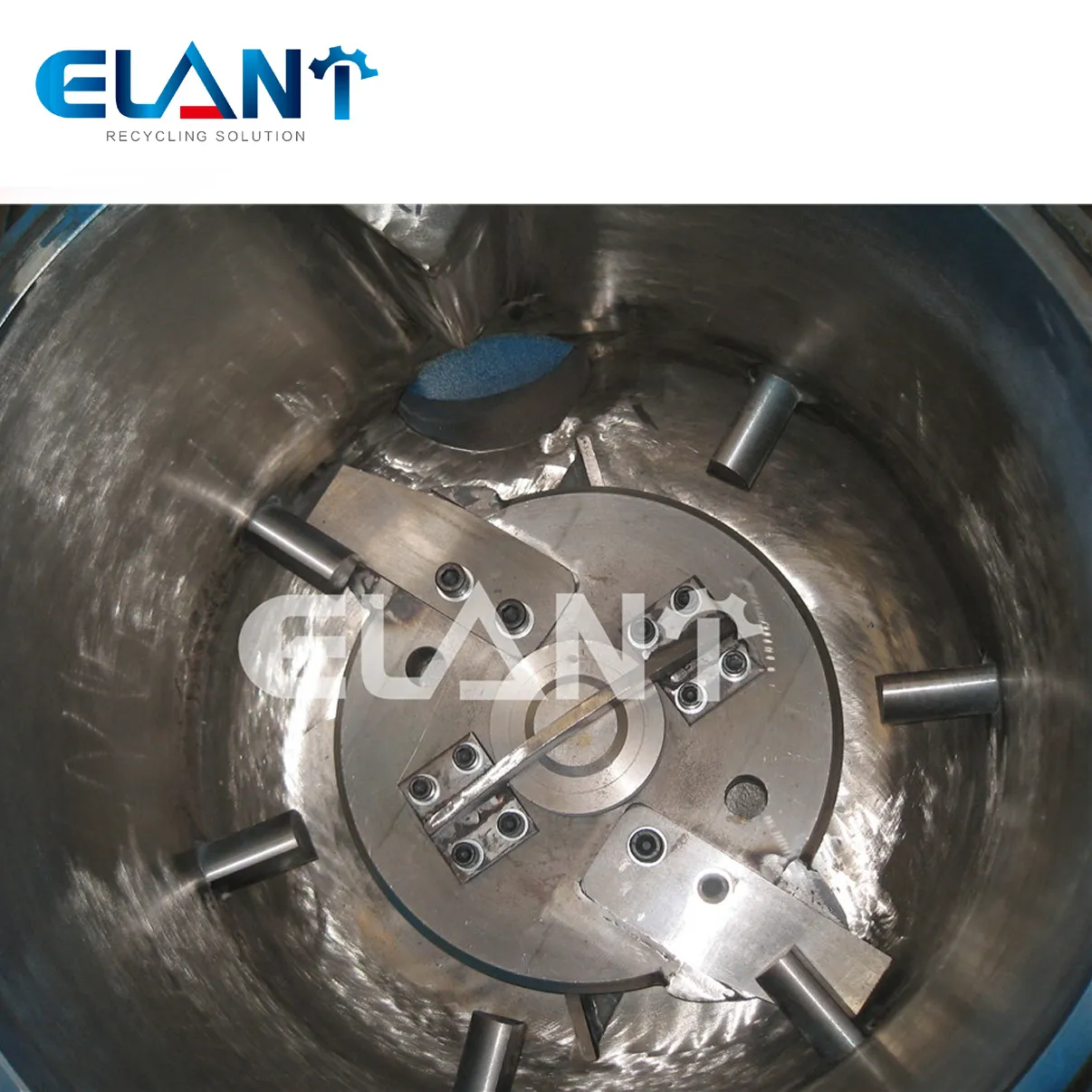
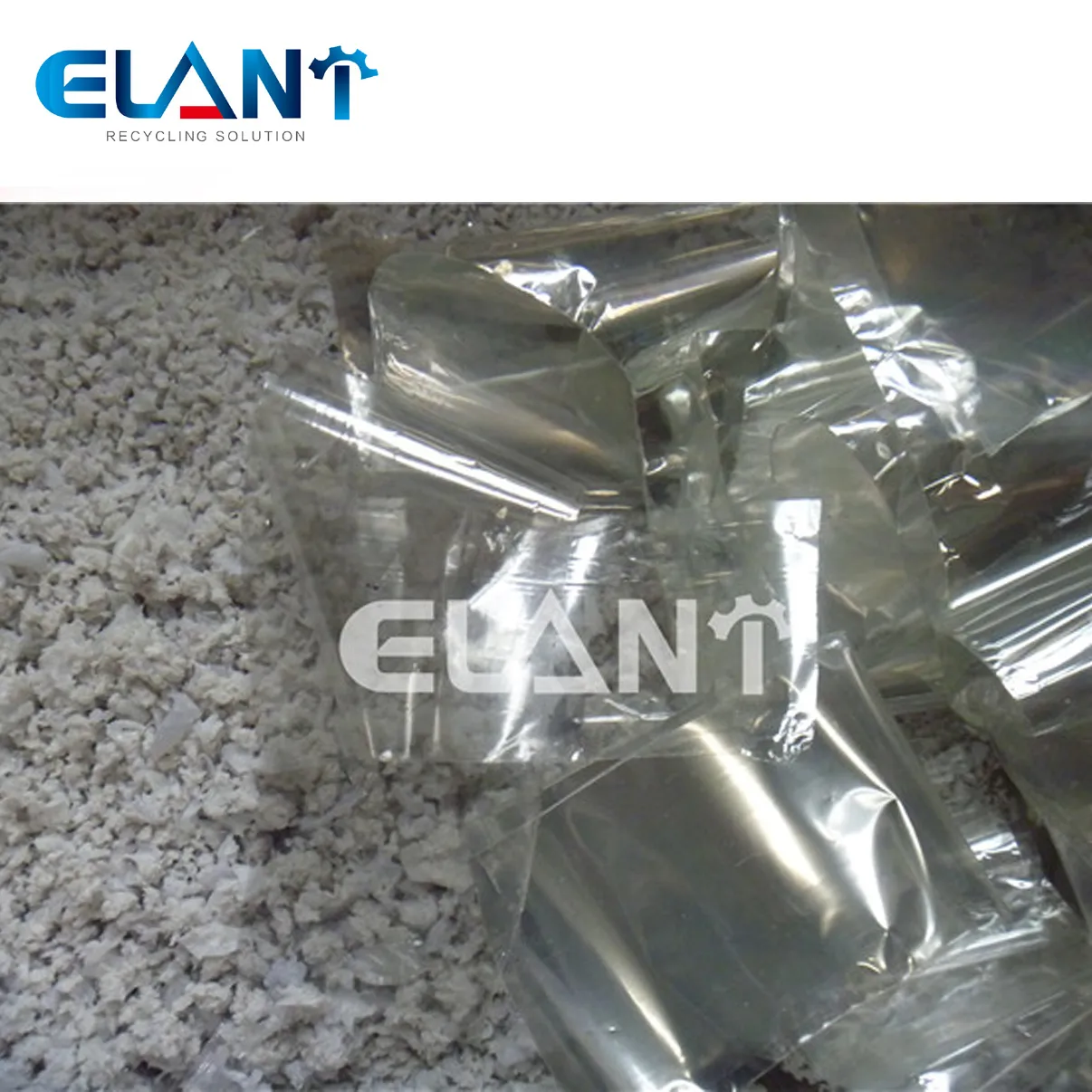
The Agglomerator Machine for soft PP/PE films is a key pre-processing unit in plastic recycling lines, designed to handle low-density materials like shopping bags, shrink wrap, and agricultural films. It uses high-speed rotating blades to generate frictional heat, softening the plastic into a semi-molten state, then instantly cools it with a fine water mist to form dense, dry, free-flowing agglomerates. This dramatically increases bulk density, improves feeding stability for extruders, and enhances overall pelletizing efficiency. Built with wear-resistant components and automatic temperature control, it ensures reliable, continuous operation with minimal maintenance.
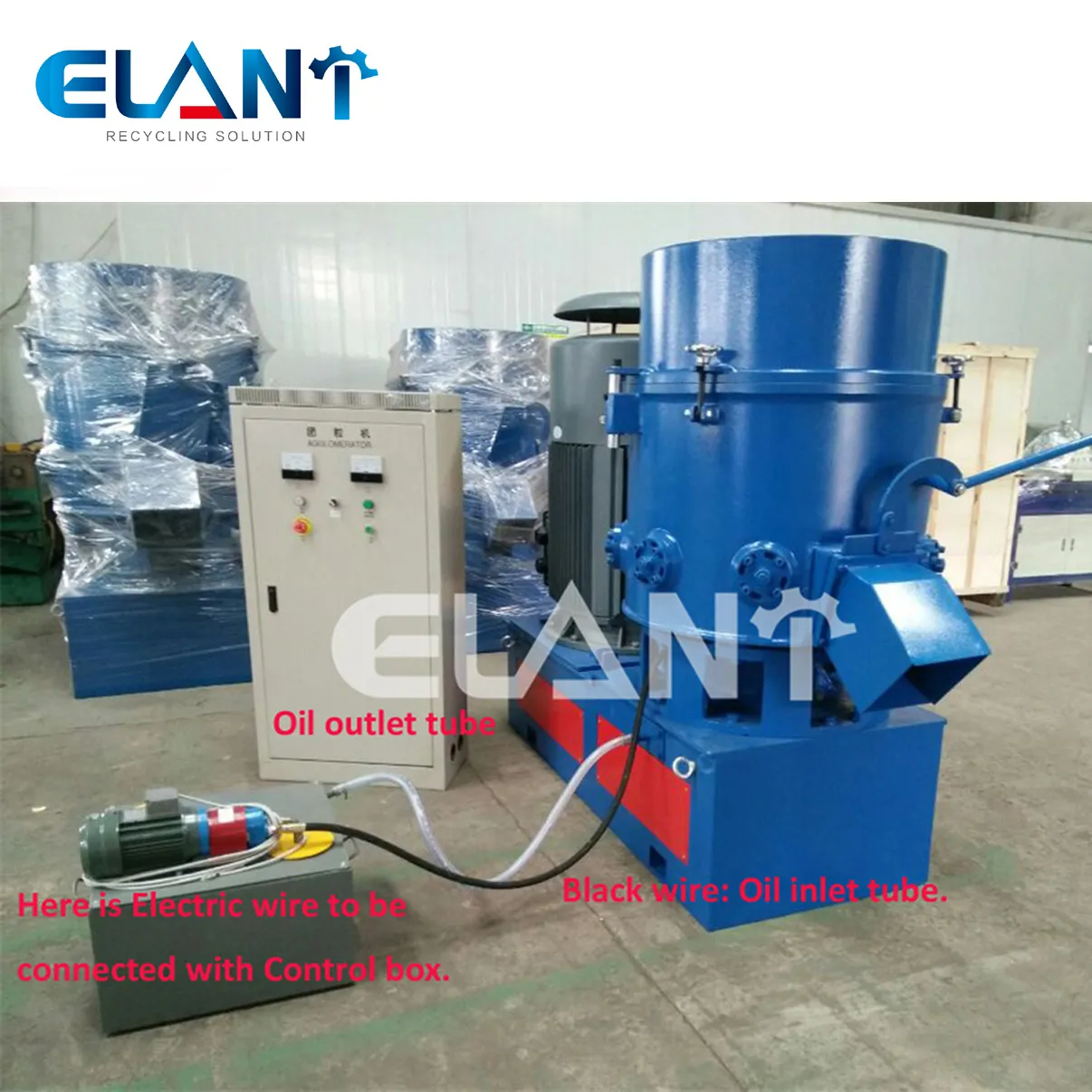
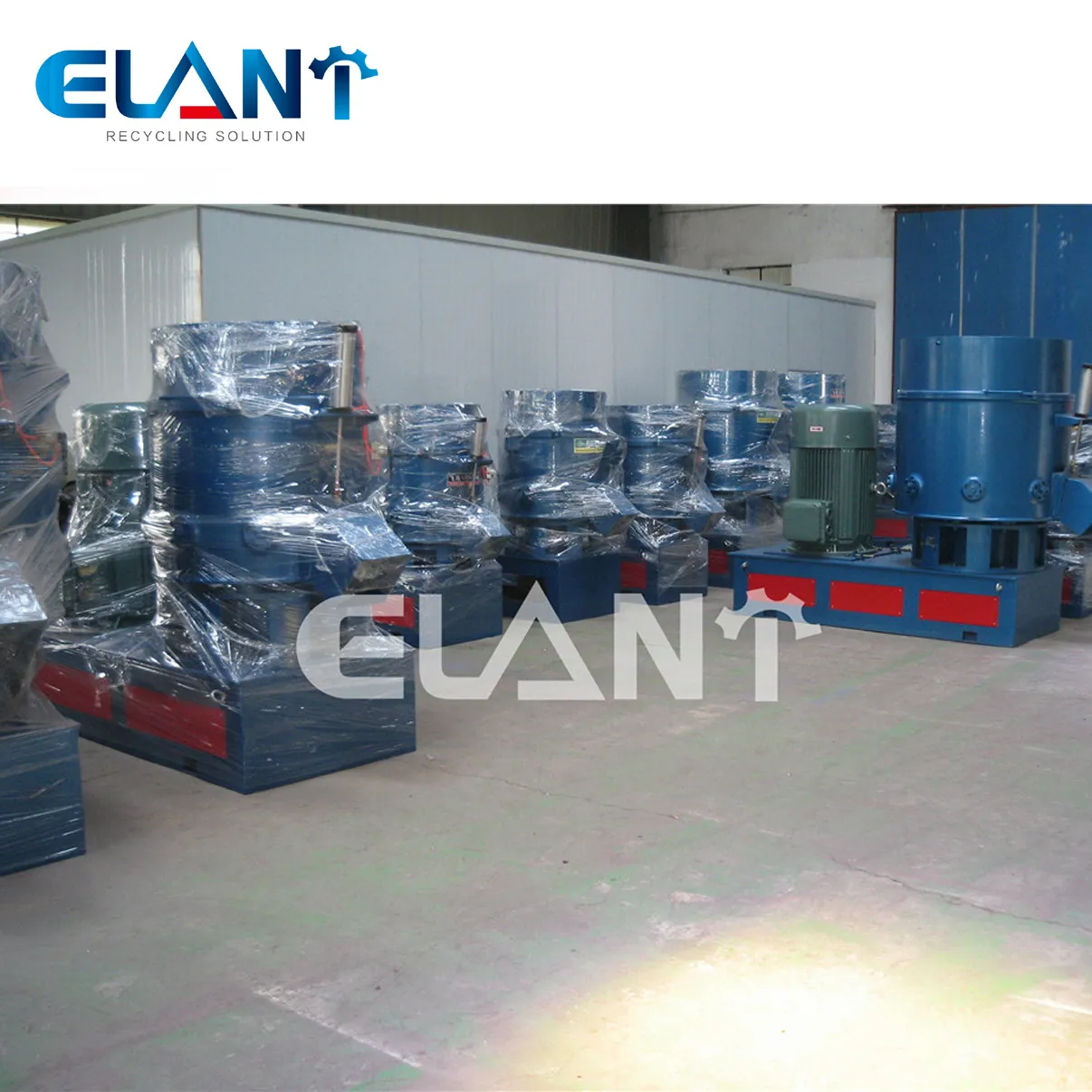
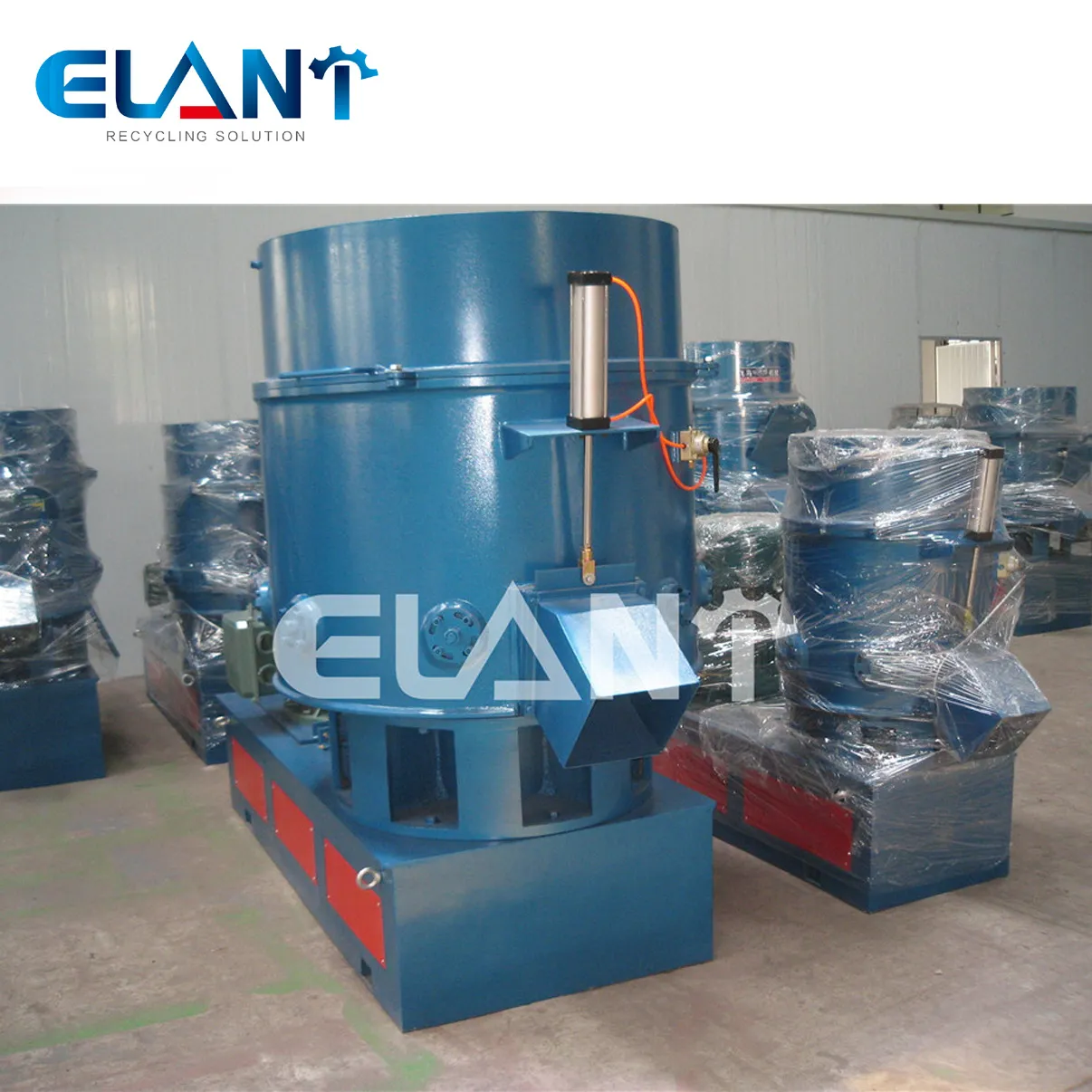
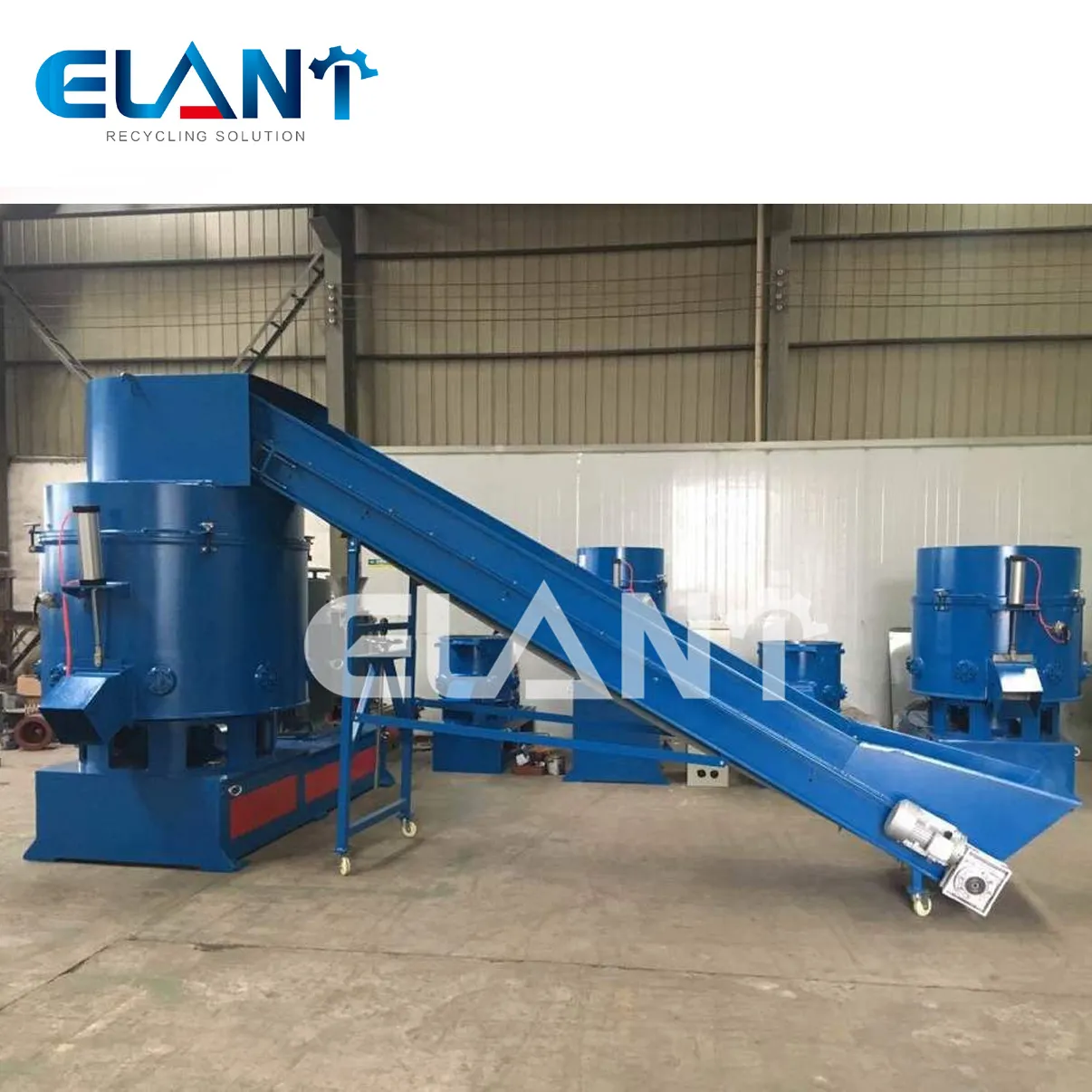
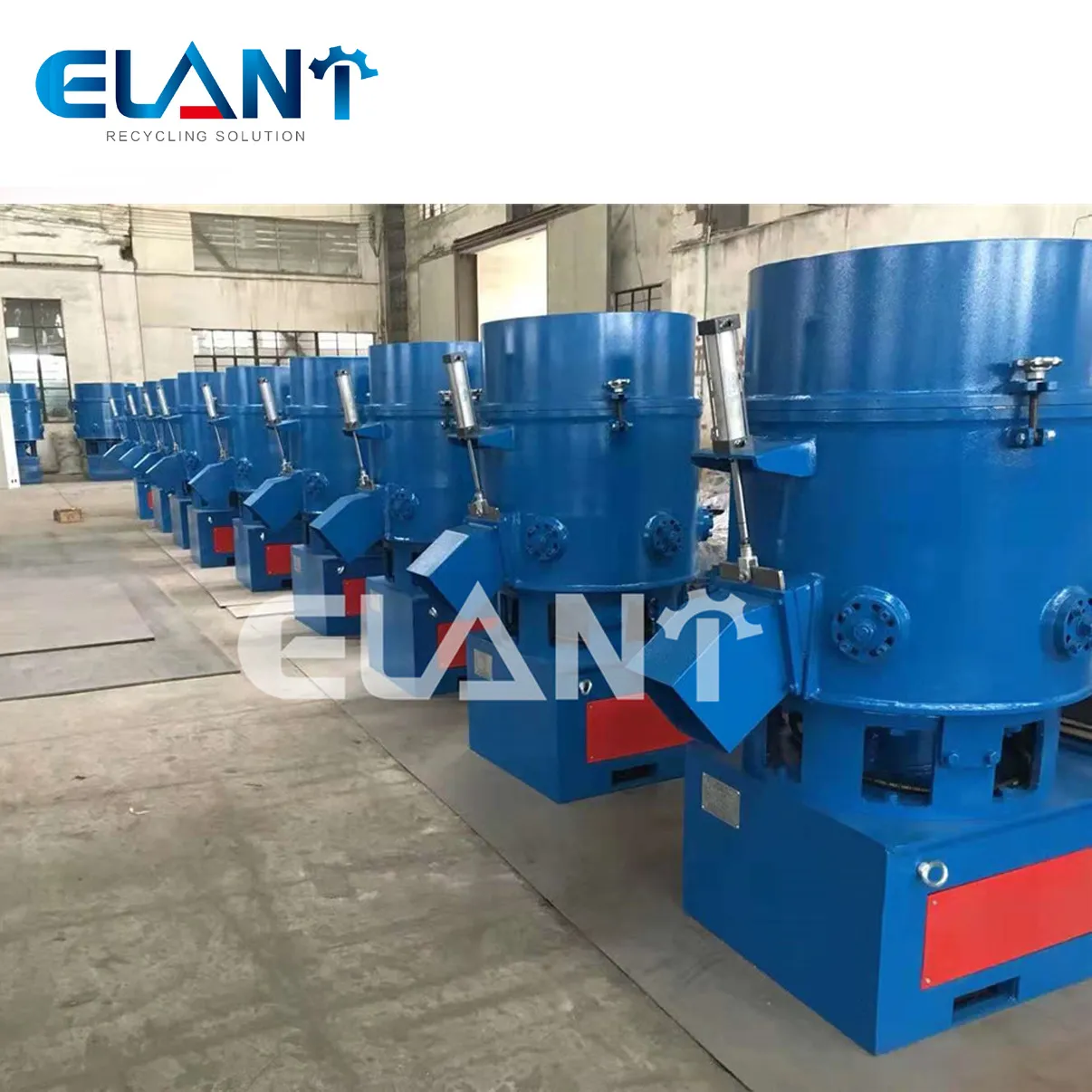
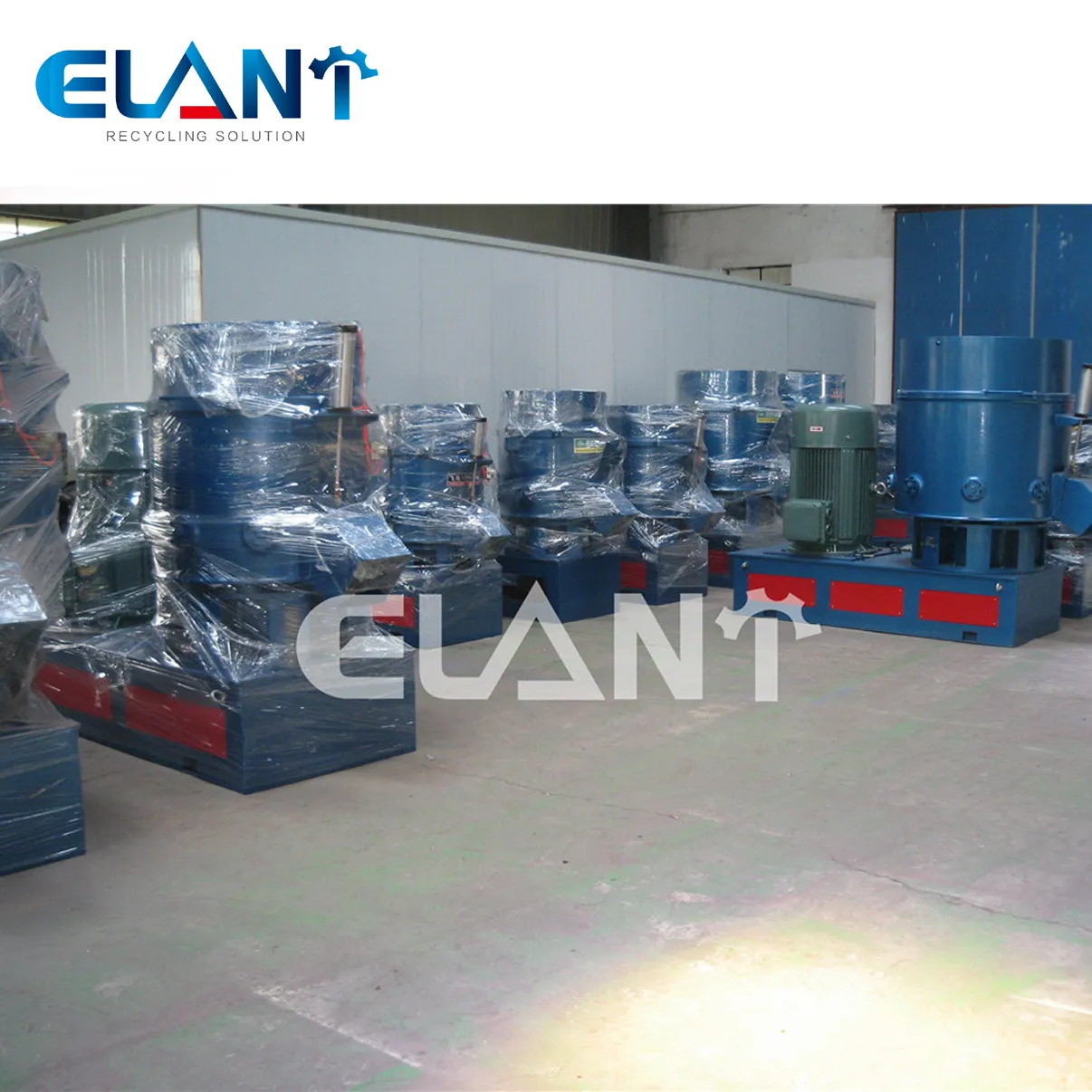
The Densifier Machine for Plastic Films is engineered to process low-bulk-density thermoplastic films—such as PE, PP, and BOPP—by converting fluffy or crumpled scrap into compact, free-flowing pellets. Using a combination of mechanical friction, controlled heat, and rapid cooling (often via water spray), it increases material density by 5–10 times without full melting, preserving polymer integrity. This densification significantly reduces storage and transportation costs while improving feeding consistency in downstream extrusion or pelletizing lines. Ideal for film recyclers and bag manufacturers, the machine features robust construction, automatic operation, and low energy consumption for efficient, continuous processing.
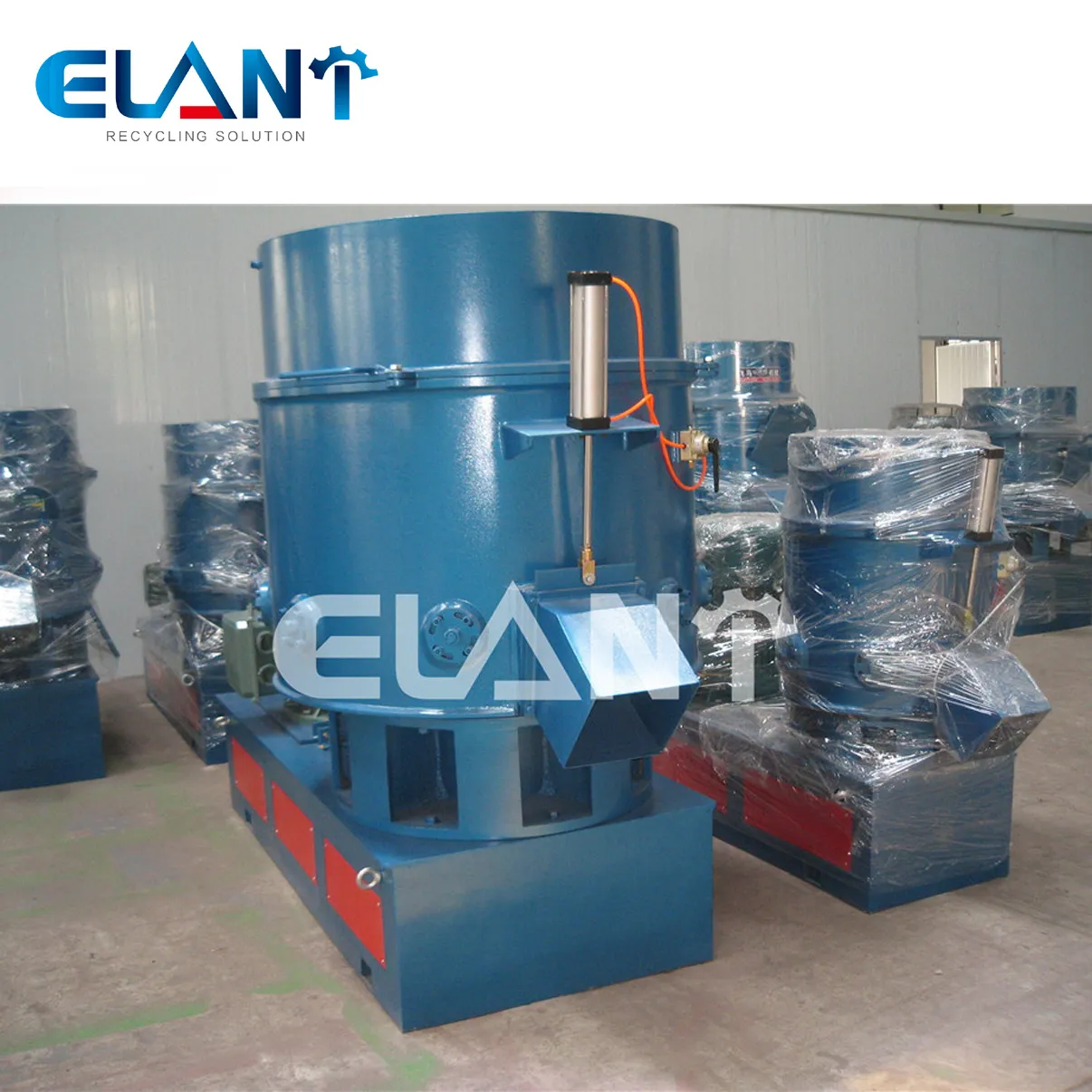
| Model Series | Processing Capacity | Key Features | Target Application |
|---|---|---|---|
| Standard High-Speed Agglomerator | 100–800 kg/h | Single rotor, compact structure, low energy consumption | Medium-scale film recycling lines |
| Heavy-Duty Double-Rotor Agglomerator | 500–2000 kg/h | Twin rotors, strong friction force, high agglomeration density | Large-scale plastic recycling centers |
| Foam-Specific Agglomerator | 50–300 kg/h | Low-temperature design, anti-overheating, targeted for EPS/EPE foam | Foam waste recycling enterprises |
| Integrated Agglomerator-Crusher | 200–1000 kg/h | Combines crushing and agglomeration functions | Small-to-medium enterprises with mixed plastic waste |
Optimized rotor blade design; strong friction heating; agglomerate density up to 0.8–1.0 g/cm³.
Friction self-heating instead of external heating; 30% lower energy consumption than traditional thermal agglomerators.
Adjustable rotor speed (300–800 r/min); precise temperature control; agglomerate size error ≤±2 mm.
Rotor blades made of high-chromium alloy; surface hardness HRC 58–62; service life extended by 50%.
Equipped with overload protection, over-temperature alarm and safety interlock; supports 24/7 continuous operation.
Quick-disassembly rotor and chamber design; no special tools required for cleaning and component replacement.
| Sub-module Name | Core Composition | Core Functions |
|---|---|---|
| Feeding Module | Belt feeder, anti-blocking hopper, level sensor | Uniform feeding of loose plastic materials; prevents chamber clogging |
| Agglomeration Module | High-speed rotor, fixed blades, temperature sensor | Core unit; generates friction heat to melt and compact plastic into pellets |
| Cooling Module | Water-cooled jacket, air cooler, temperature control valve | Cools agglomerates to room temperature; prevents sticking and deformation |
| Discharge Module | Screw discharger, vibrating screen, pellet collector | Separates qualified pellets from un-agglomerated scraps; discharges finished products |
| Control Module | PLC cabinet, touch screen, protection sensors | Real-time monitoring of temperature/speed; automatic fault alarm; one-click startup |
| Technical Indicator | Specification | Description |
|---|---|---|
| Processing Capacity | 50–2000 kg/h | Customizable based on production scale |
| Working Temperature | 120–160°C | Friction self-heating; adjustable for different plastics |
| Rotor Speed | 300–800 r/min | Frequency conversion adjustable |
| Agglomerate Size | 8–20 mm | Adjustable via screen replacement |
| Agglomerate Density | 0.8–1.0 g/cm³ | Meets downstream processing requirements |
| Motor Power | 15–110 kW | High-efficiency frequency conversion motor |
| Overall Dimensions (Standard Model) | 2.5×1.5×2.8 m | Compact design for workshop layout |
| Power Supply | 380 V/3 Ph/50 Hz | Compatible with global industrial grids (customizable to 415 V/60 Hz) |
| Certifications | CE, ISO 9001, SGS | Complies with international safety standards |
Cuts plastic volume by 70–90%; lowers storage and transportation costs by 60%.
Dense pellets ensure stable feeding; boosts extruder efficiency by 40%.
Friction self-heating design; 30% lower energy consumption than thermal models.
Handles films, flakes and foam; suitable for most PP/PE plastic waste.
Wear-resistant components; long service life; minimal downtime for maintenance.
1-year core warranty; 24h technical service; on-site installation and training.
It is suitable for materials with moisture ≤5%; for high-moisture materials, match with a pre-dewatering module.
Replace the discharge screen with different aperture sizes (8–20 mm optional).
Clean the chamber daily; inspect blades monthly; replace worn blades every 6–12 months.
Yes; customizable discharge interface for seamless connection.
Standard models: 15–25 working days; T/T, L/C supported; trial orders acceptable.