- +86-18606286868 | +86-512-58138883
- sales@elantmachine.com

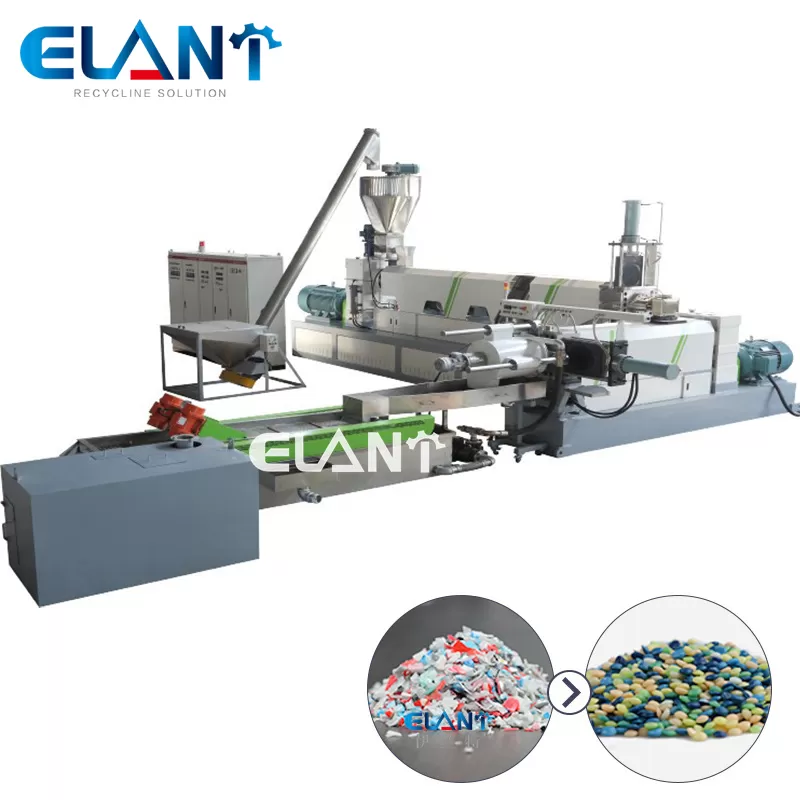
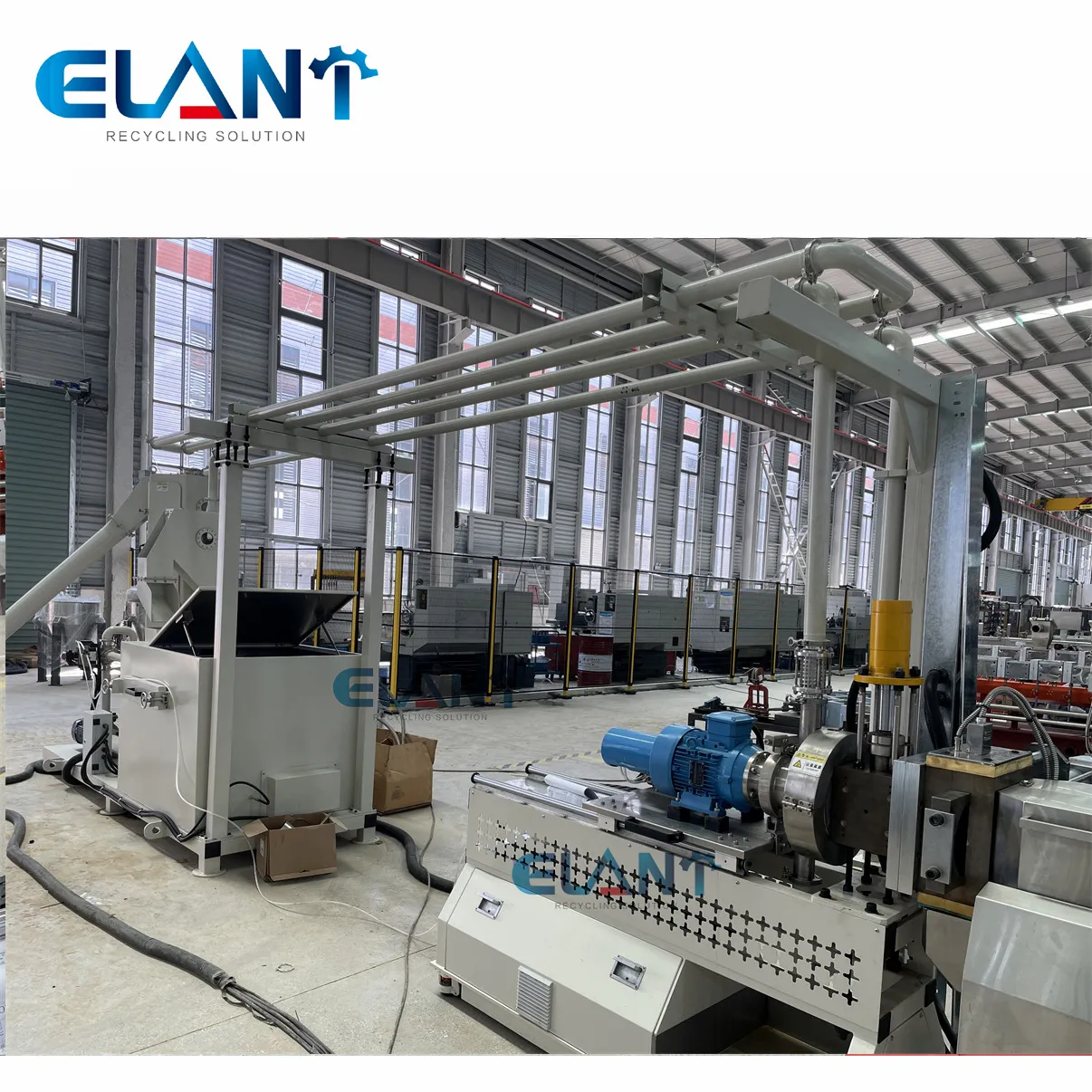
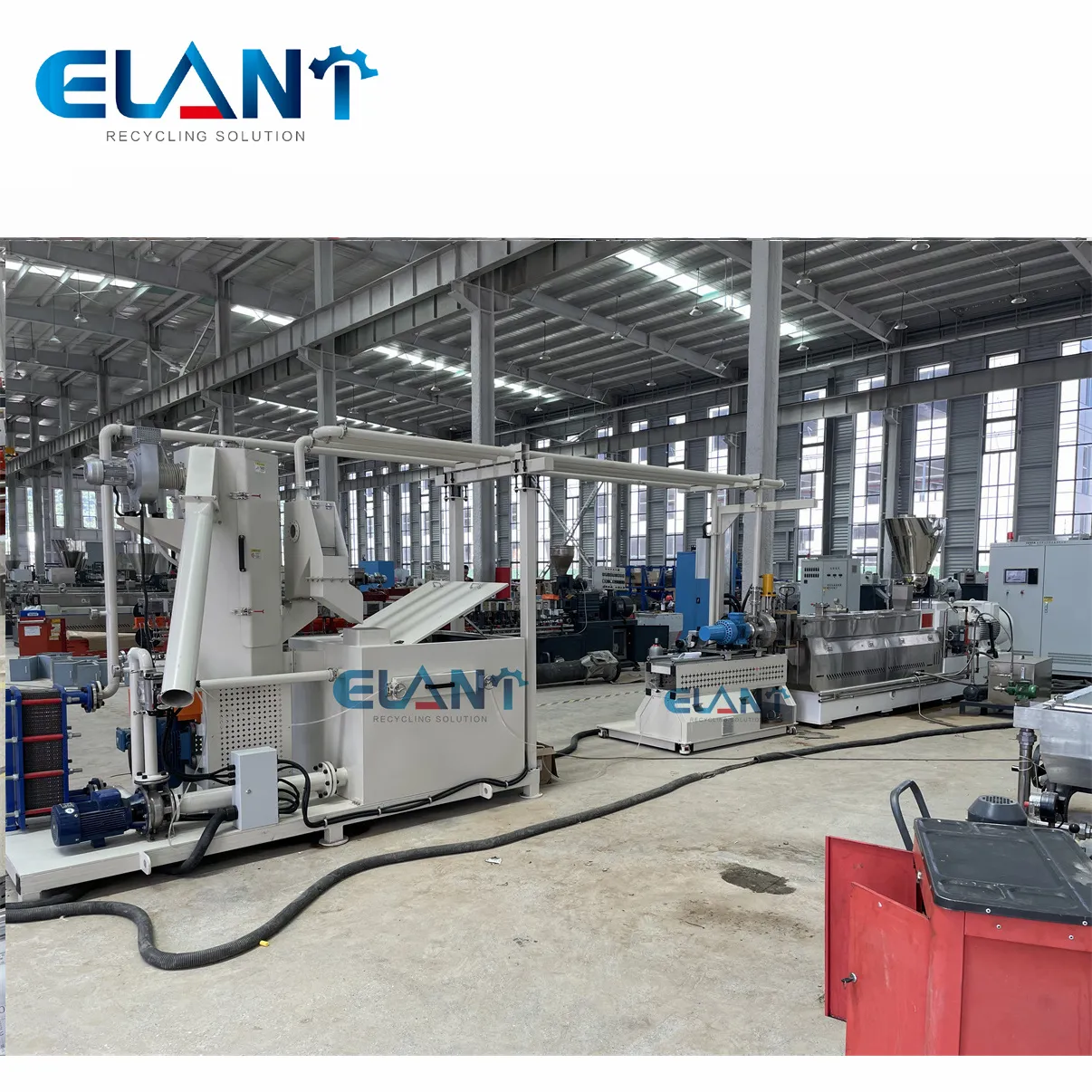
Twin-screw extrusion pelletizer – high-efficiency compounding and granulation for mixed or filled plastics.
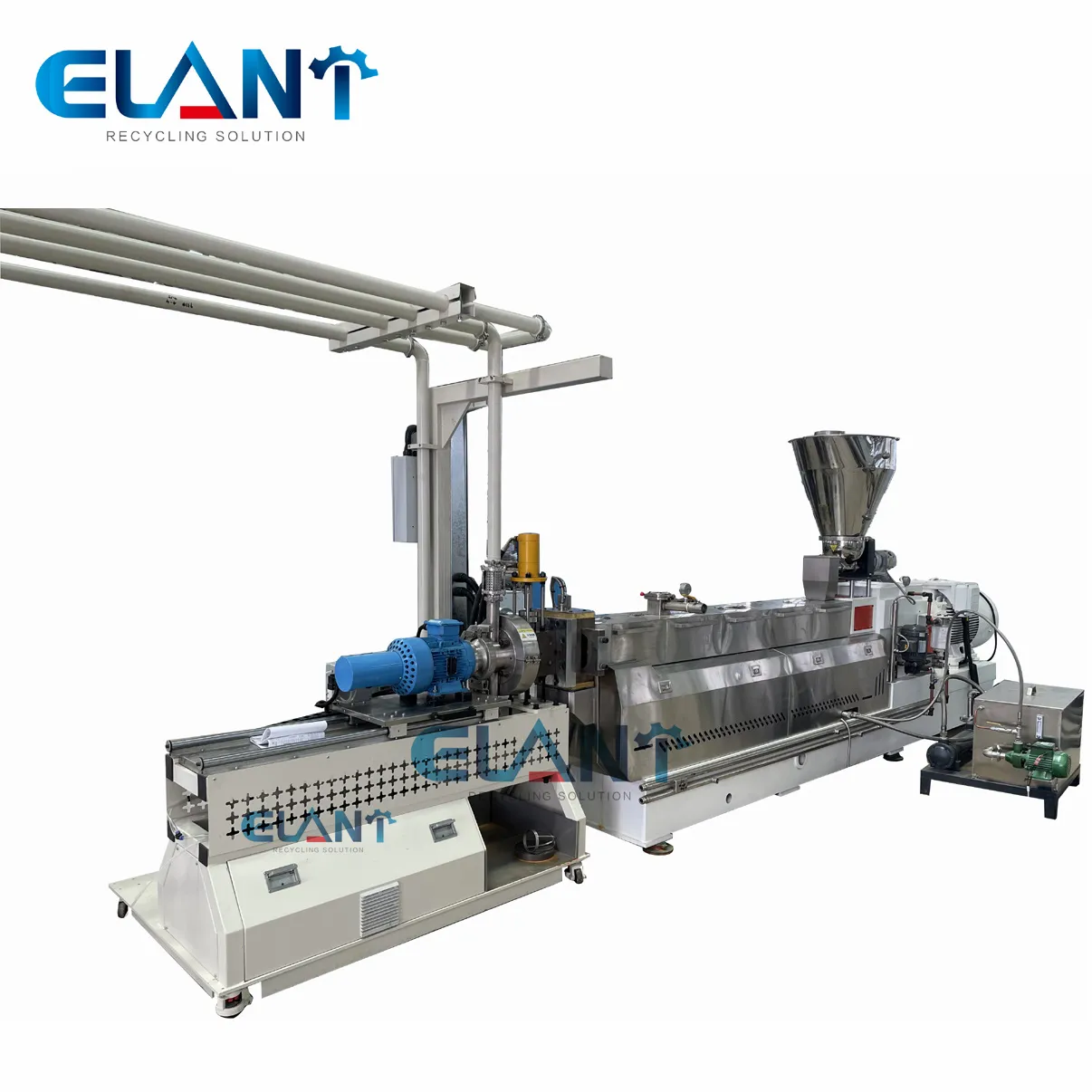
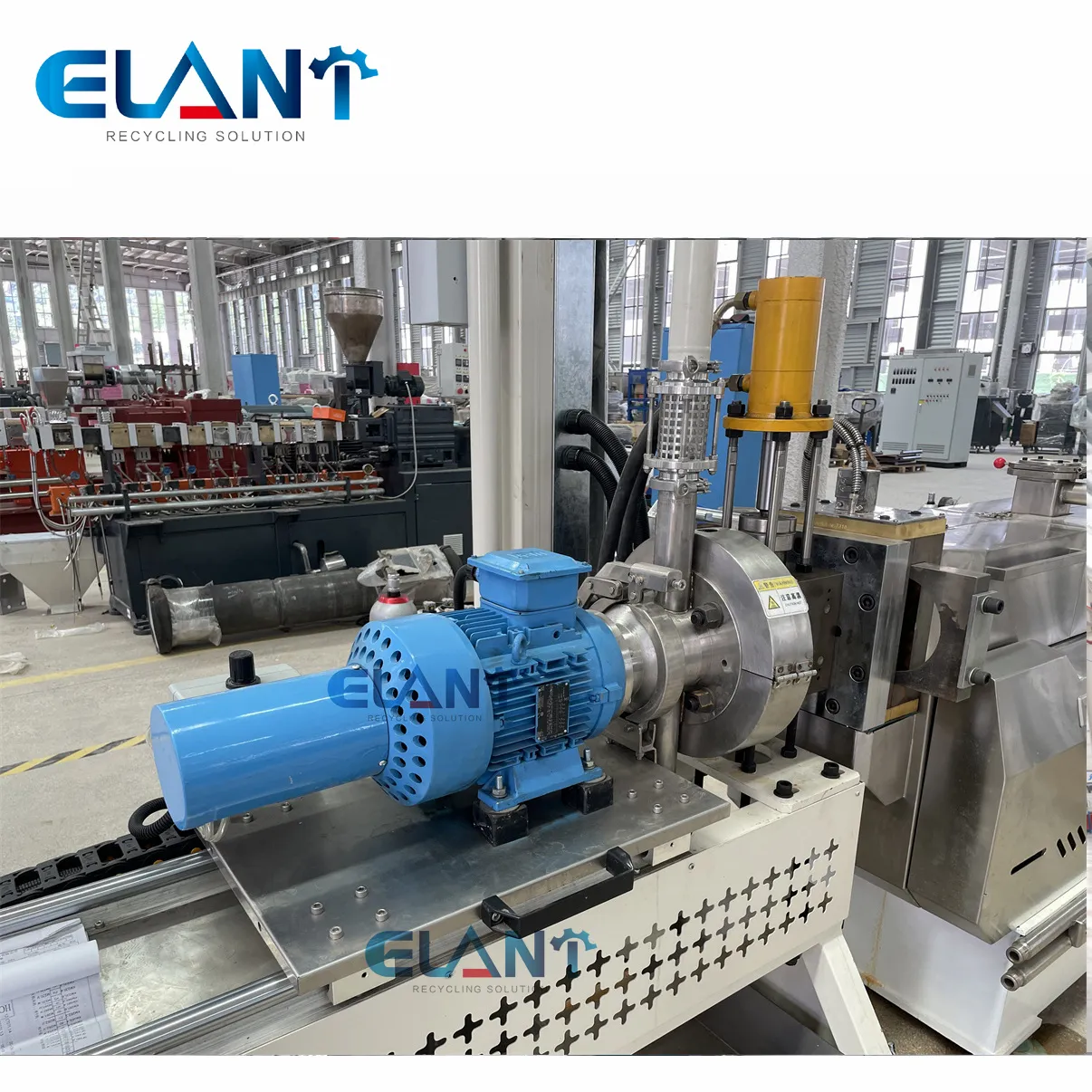
Underwater pelletizer machine for thermoplastic elastomers (TPE/TPR)—precision-cutting molten strands into uniform, dust-free pellets with excellent surface finish and high throughput.
The Twin Screw Extrusion Plastic Pelletizing Machine is designed for high-performance compounding, mixing, and granulation of PP, PE, ABS, PET, and filled or reinforced plastics (e.g., with CaCO₃, talc, or glass fiber). Featuring co-rotating intermeshing screws, precise temperature control, and modular barrel design, it ensures excellent dispersion, degassing, and melt homogeneity. Integrated with underwater or strand pelletizing, the system delivers uniform, high-quality pellets—ideal for masterbatch, engineering plastics, and recycled compound production.
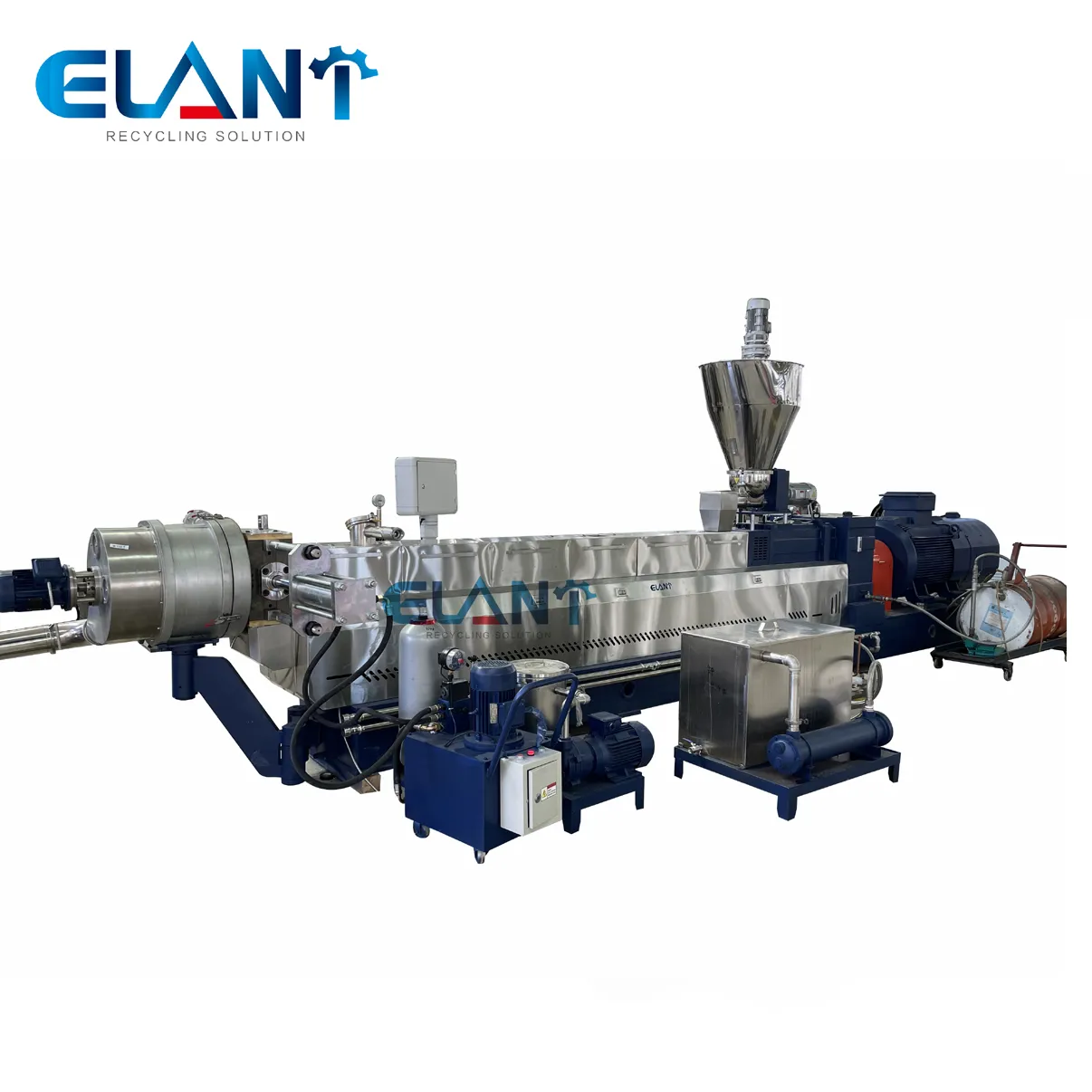
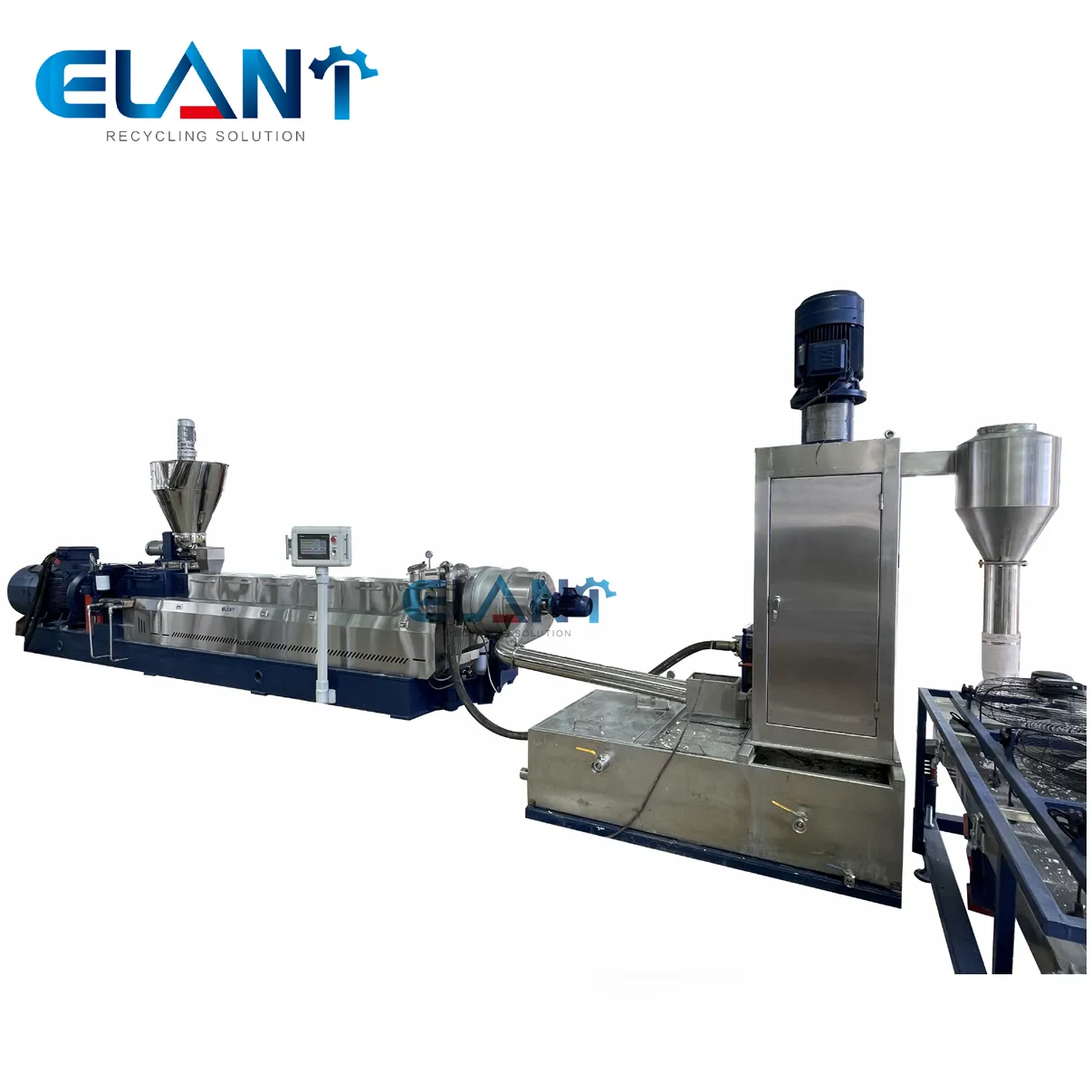
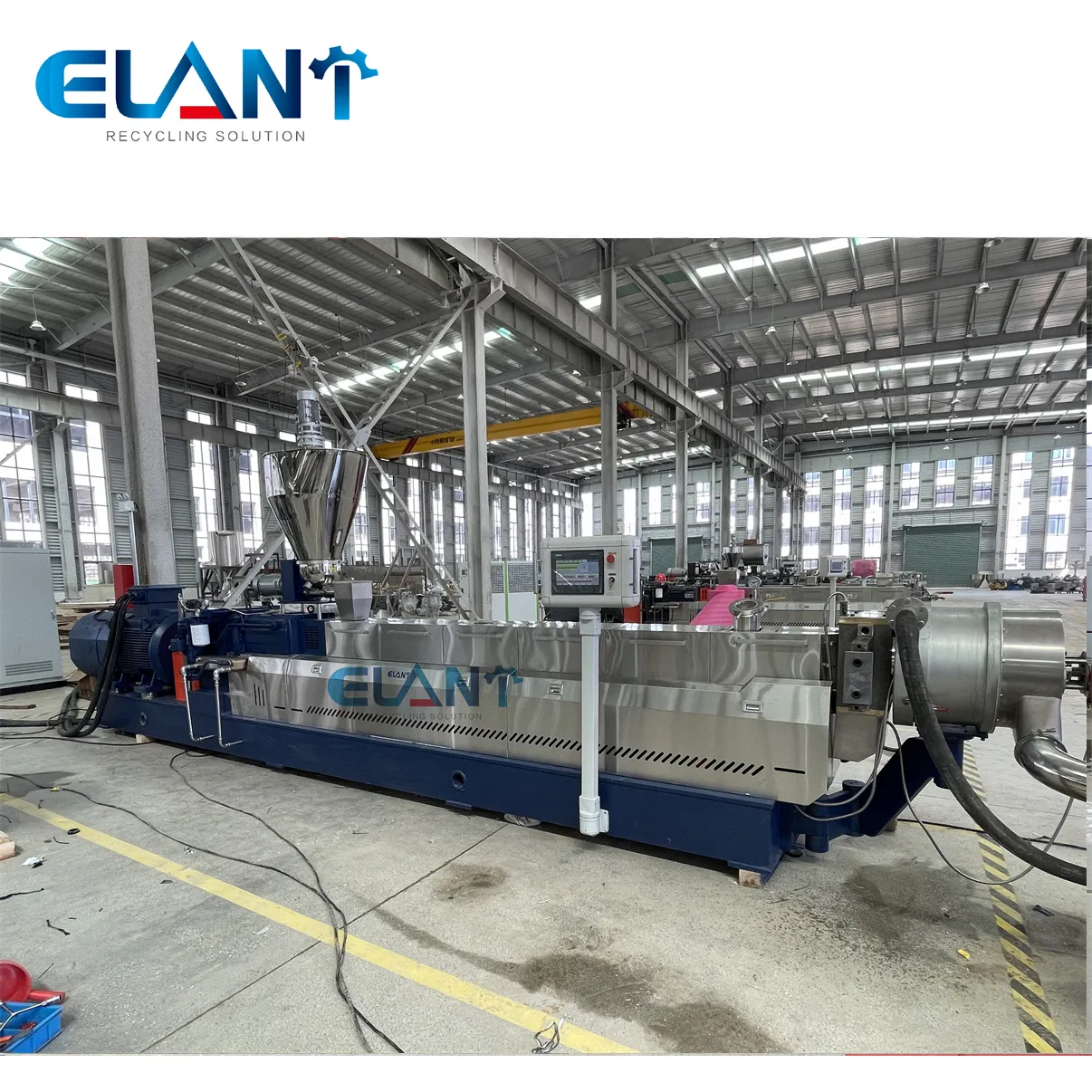
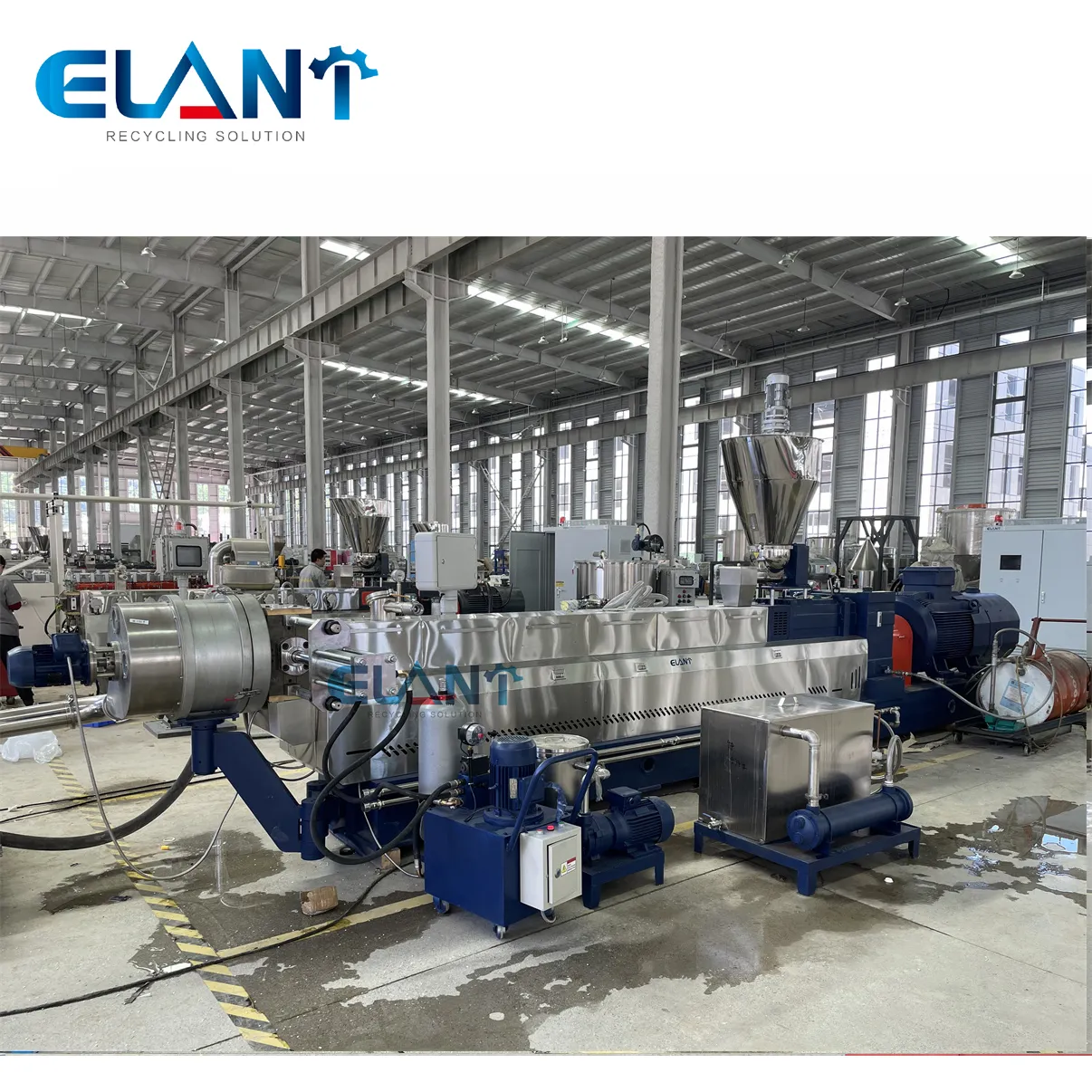
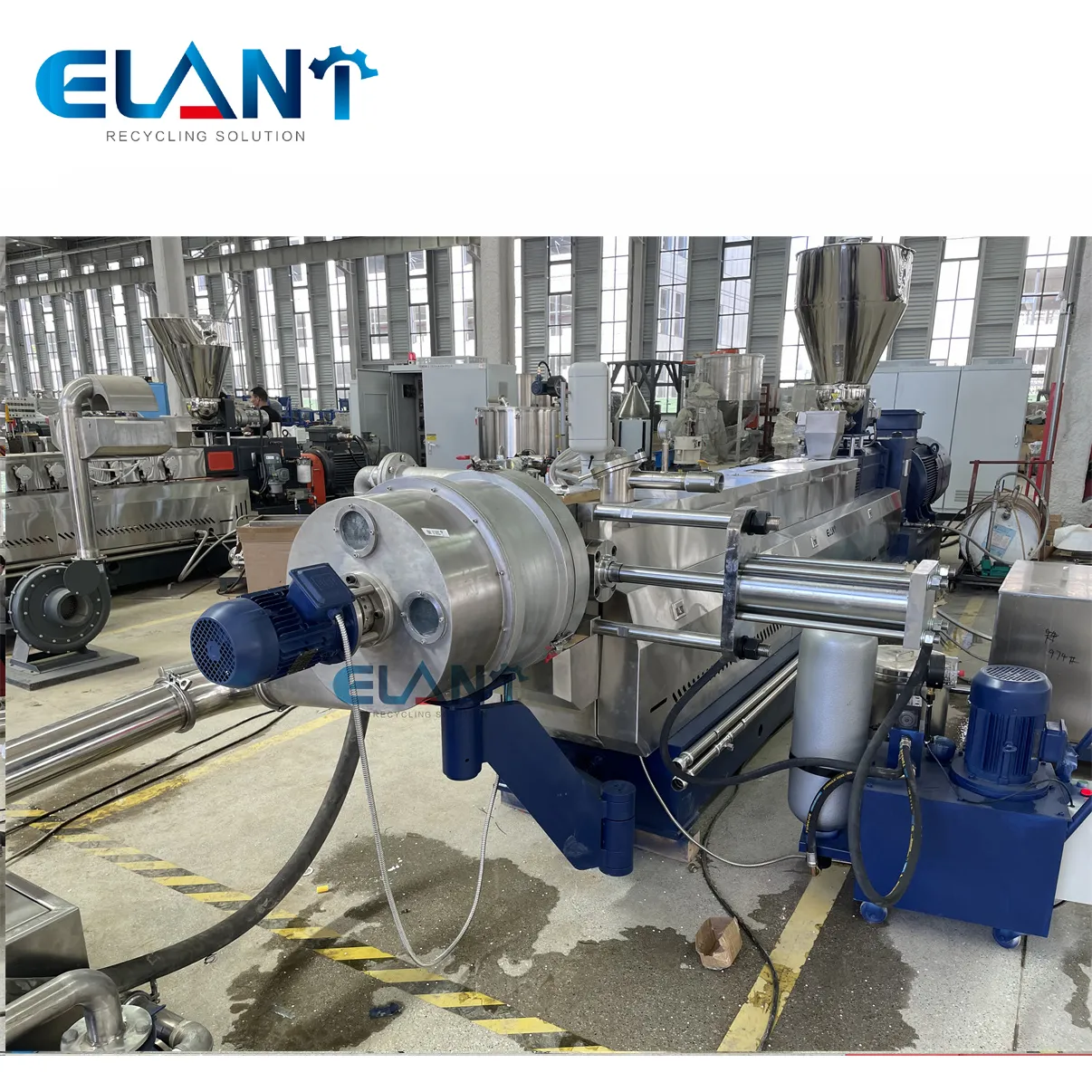
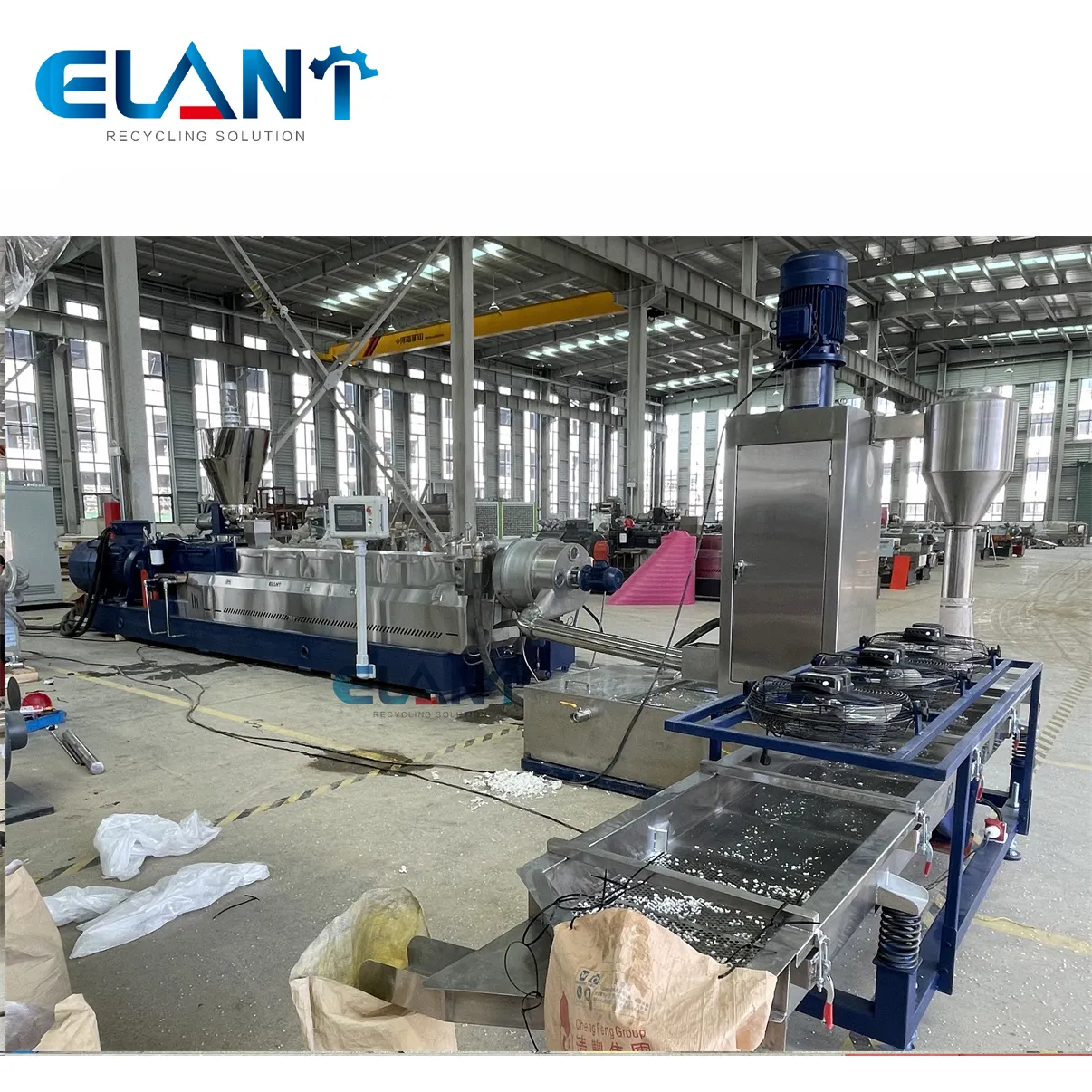
The underwater pelletizer machine for thermoplastic elastomers (TPE/TPR/TPV) is a high-precision system that cuts molten polymer strands directly underwater into uniform, spherical pellets. Designed for heat-sensitive and sticky materials, it ensures excellent surface finish, minimal dust, and consistent particle size. Integrated with a melt pump and die plate, the system offers stable pressure and high throughput—ideal for producing premium-grade TPE pellets used in automotive, medical, and consumer goods applications.
| Sub-module Name | Composition | Function |
|---|---|---|
| HDPE Crushing Module | Special HDPE crusher (high-toughness blade), discharge conveyor, metal detector | Crush large pieces of HDPE materials into small fragments (3-5cm) to facilitate subsequent melting; detect and remove metal impurities in HDPE materials to protect the follow-up equipment. |
| HDPE Cleaning & Dewatering Module | Bubble cleaning tank, high-pressure spray device, centrifugal dehydrator | Remove soil, oil stains, ink and other pollutants on the surface of crushed HDPE fragments; dehydrate the cleaned HDPE fragments to moisture content ≤1% to avoid bubbles in the melting process. |
| Feeding Module | Speed-adjustable spiral feeder, hopper, level sensor | Realize uniform and continuous feeding of dehydrated HDPE fragments; adjust feeding speed according to the melting state of the extruder; avoid material accumulation or insufficient feeding. |
| Melting & Extrusion Module | Screw extruder (single/double screw optional), multi-zone heating system, temperature control device | Heat and melt the HDPE fragments uniformly; adjust the heating temperature according to the type of HDPE material (HDPE film: 180-230℃, HDPE pipe/bottle flakes: 190-240℃); extrude the molten HDPE into a continuous strip through the die head. |
| Filtering & Impurity Removing Module | Coarse filter, fine filter, magnetic separator, backwashing device | Deeply remove residual impurities in the molten HDPE; the magnetic separator specifically removes metal impurities; the backwashing device can clean the filter screen online without stopping the machine, ensuring continuous production. |
| Shaping & Cooling Module | Shaping die, water cooling tank, air cooling device, conveyor belt | Shape the extruded HDPE strip into a fixed diameter; cool the HDPE strip quickly through water cooling and air cooling to ensure its hardness and shape stability. |
| Pelletizing Module | High-speed pelletizing cutter, cutter gap adjustment device, particle separator | Cut the cooled HDPE strip into uniform pellets; adjust the cutter gap to control the pellet size (2-6mm); separate the HDPE pellets from the cutting debris. |
| Drying & Screening Module | Hot air dryer, vibrating screen, cyclone separator | Dry the HDPE pellets to remove surface moisture (moisture content ≤0.3%); screen out unqualified HDPE pellets (too large/too small); separate the pellets from the residual dust. |
| Control & Electrical Module | PLC control cabinet, touch screen, various sensors (temperature/pressure/current/level) | Realize automatic control of the entire HDPE pelletizing production line; monitor key parameters in real time; alarm and shut down automatically when abnormal conditions occur; record production data for traceability. |
| Technical Indicator | Specific Content | Description |
|---|---|---|
| Processing Capacity | 100-2000kg/h | Varies by model (standard type: 300-1500kg/h; enhanced high-impurity type: 200-1200kg/h; engineering plastic special type: 100-800kg/h); can be customized according to project needs. |
| Applicable Materials | PP, PE, LDPE, HDPE, ABS, PS, PC, PA and other plastic waste, their blends, and plastic materials with impurity content ≤15% | Different models are matched with different plastic materials; the enhanced type is suitable for high-impurity materials, and the special type is suitable for engineering plastics. |
| Pellet Diameter | 2-6mm | Customizable according to downstream processing requirements; size error ≤±0.1mm; pellet shape is regular cylindrical. |
| Pellet Moisture Content | ≤0.3% | Ensure the pellets can be directly stored and reused for production without secondary drying. |
| Screw Diameter | 40-180mm | Corresponds to the processing capacity; the larger the diameter, the higher the processing efficiency; the screw is made of high-wear-resistant alloy steel. |
| Heating Temperature | 150-300℃ | Multi-zone adjustable (5-8 zones); precise control according to plastic material type (common plastics: 150-240℃; engineering plastics: 220-300℃); temperature error ≤±2℃. |
| Power Consumption | 30-150kW | Varies by processing capacity and model; energy consumption per unit output is 15-20% lower than that of single-screw pelletizing machines. |
| Overall Dimensions | Customized | Typical size range: 8m×2.5m×3.5m - 20m×4m×5m; can be optimized according to the workshop space and process layout. |
| Installation Requirement | Indoor workshop, flat concrete foundation, 380V three-phase voltage, water supply and drainage system, ventilation system | Voltage can be customized according to the requirements of different countries/regions; the integrated model needs to be equipped with a sewage treatment device. |
| Certifications | CE, ISO 9001, SGS | Complies with mainstream global market access standards, ensuring cross-border sales and use. |