
Plastic waste continues to rise globally, with 225 million tonnes generated in 2025 — a 5 million tonne increase from 2024. This equates to about 28kg per person, and nearly 31.9% (around 72 million tonnes) is mismanaged, polluting natural environments. PET bottle recycling machines play a vital role by transforming waste bottles into reusable materials through advanced automation, AI, and efficient processing. These machines help businesses and communities reduce pollution, conserve resources, and support a circular economy.
Key 2025 Statistics:
- Global plastic waste: 225 million tonnes
- Increase from 2024: 5 million tonnes
- Per person: 28kg
- Mismanaged waste: 31.9% (72 million tonnes entering nature)
Key Takeaways
- Global plastic waste reaches 225 million tonnes in 2025, with significant mismanagement leading to environmental pollution. PET recycling directly addresses this issue.
- Automated machines leverage AI, robotics, and sensors for efficient sorting and processing, boosting quality and cutting labor costs by up to 75%.
- Recycling PET saves over 50% energy compared to virgin plastic production, reducing greenhouse gases and supporting sustainability.
- High-quality recycled PET (rPET) flakes and pellets meet demands for new bottles, textiles, and more.
- The rPET market is valued at approximately USD 13-15 billion in 2025, creating economic opportunities alongside environmental benefits.
Plastic Waste Challenges in 2025
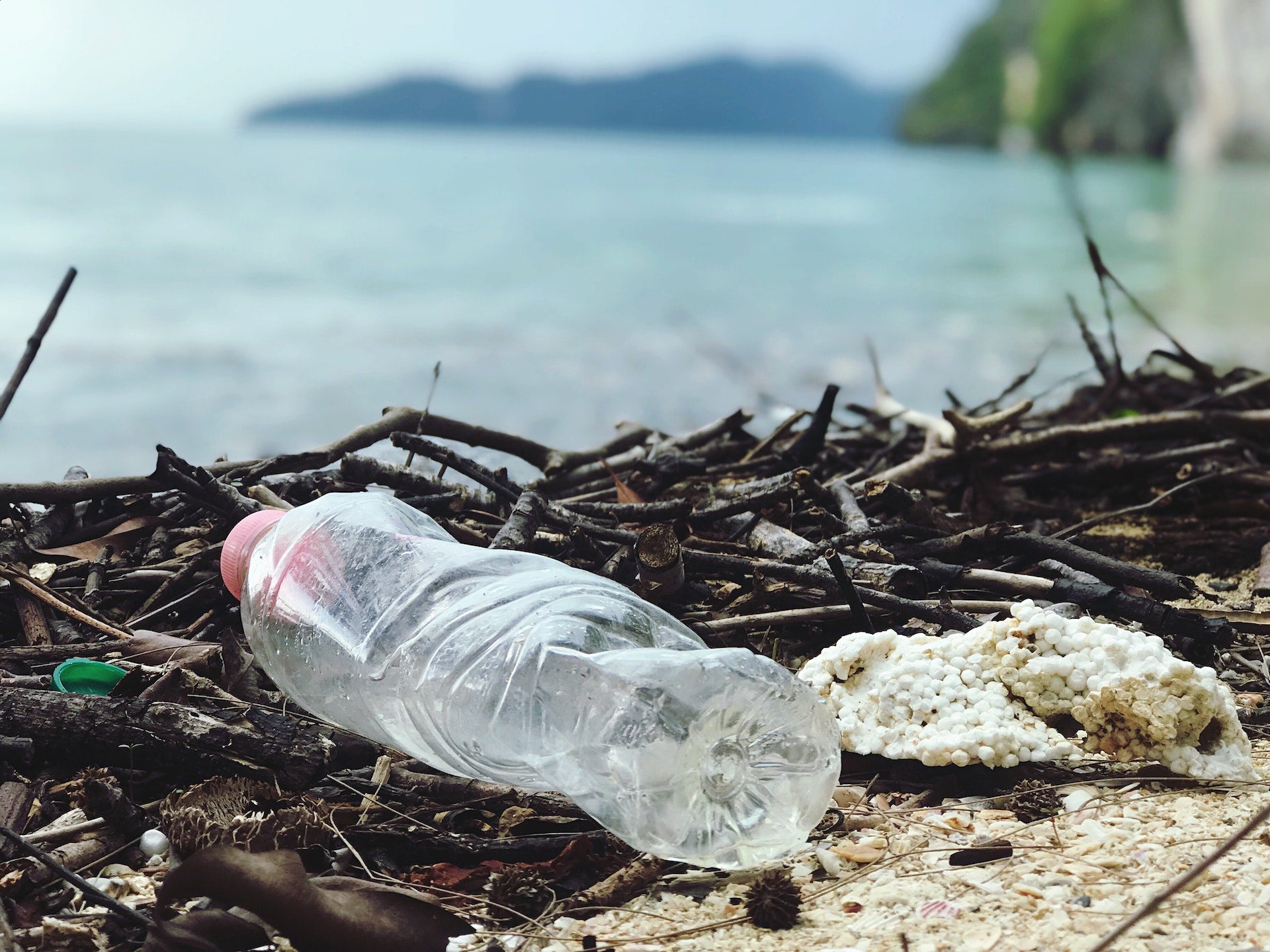
Scale of PET Bottle Pollution Plastic bottles litter homes, parks, beaches, and oceans. Global plastic production exceeds 400 million tonnes annually, with single-use items like PET bottles comprising a large share. Only about 9-10% of all plastic waste is recycled globally, leaving the majority in landfills, incinerated, or polluting ecosystems.
PET bottles contribute significantly to ocean pollution, with millions of tonnes entering marine environments yearly. A single PET bottle can persist for 400+ years.
Environmental and Health Impacts Plastic production and waste release CO2, toxic chemicals, and microplastics, harming air, water, soil, and human health. Packaging waste alone drives substantial pollution. Advanced recycling machines combat this by reclaiming PET and preventing leakage into nature.
The PET Bottle Recycling Machine Process
Modern machines deliver end-to-end processing with minimal human intervention.
Collection and Sorting Automated lines use AI robotics, near-infrared sensors, and optical sorting to identify and separate PET bottles accurately (error rates <1%). Compression reduces volume for efficient transport.

Washing and Crushing Bottles are crushed into flakes, then thoroughly washed with friction washers and hot water to remove contaminants. Advanced drying (hot air, infrared, or vacuum) achieves moisture levels below 0.3%. Stainless steel components ensure hygiene and prevent re-contamination.
Flake Production and Packing Clean flakes undergo quality checks via sensors. Many systems integrate granulation to produce pellets for diverse applications.


- Automation & Efficiency — Machines process 500-4,000kg/hour, reducing energy use by 30% and labor costs dramatically.
- Contamination Control — NIR spectroscopy, X-ray detection, and IoT monitoring ensure pure output suitable for food-grade applications.
- Customization — PLC controls, touch interfaces, and modular designs allow tailoring to specific needs, including integration with pelletizing systems.
The market for these machines grows at around 5% CAGR through the coming years, driven by regulations and demand.
Environmental and Economic Benefits
- Waste Reduction → Diverts millions of tonnes from landfills and oceans.
- Resource Conservation → Saves fossil fuels and energy.
- Economic Value → rPET demand fuels jobs and a multi-billion-dollar market.
Overcoming Challenges and Success Stories
Advanced tech addresses contamination and infrastructure gaps. Companies like TOMRA demonstrate efficient AI sorting, achieving high recovery rates in real-world operations.
Investing in PET bottle recycling machines in 2025 offers a proven path to sustainability, efficiency, and profitability.
FAQ
How does a PET bottle recycling machine work? It automates bale breaking, label removal, crushing, washing, drying, and packing into high-quality flakes or pellets.
What can be made from recycled PET? New bottles, textiles, carpets, and building materials.
Processing capacity per hour? Typically 500-4,000kg, scalable to needs.
Why stainless steel? Prevents rust and contamination for safer, higher-quality output.
Can machines be customized? Yes, for bottle types, quality, and speed.